
So I’d done The 52 Fujis.
Visited every one of the 12 castles with an original keep.
Been to every station with Musashi in its name.
That was probably a good time to stop. I just can’t though, it’s like I got this itch. Something inside me always wants another list, man.
I was jonesing pretty hard, I tells ya… until I figured out a way I could get a hit to tide me over a bit.
The Keikyu Daishi line is a very short local line in Kawasaki. It starts at Keikyu Kawasaki station and ends, after just 5 other stations, at Kojimashinden.
I went and visited them all over the course of a few months during my lunch hour, or at the end of the day, while I was working in Kawasaki at the end of 2020. There’s not really much along the line to merit an individual post for each of the stations, so I’m just going to stick them all in here.
Having said that, it’s still going to be a longish post; I’ve therefore split it up into sections below, so you can read what you feel like when you feel like if you feel like.
I have also omitted Keikyu Kawasaki from my list of places below for the very simple reason that I just never got around to taking pictures of it.
The Daishi line’s history began in January 1899, at Kawasaki Station… but not either of the two that exist nowadays.
The original station, remnants of which can be seen on the journey to Minatocho, was close to the Rokugo bridge – about a five minute walk north of the modern day Keikyu Kawasaki station. It was renamed after the bridge at some point later on before closing in 1949.
The line was originally constructed to take visitors to Kawasaki Daishi temple, but as Kawasaki set about making a name for itself as an industrial powerhouse, the Daishi line was extended to service the factories appearing alongside the river running parallel to it.
These days, the newest addition to the local infrastructure is Haneda airport, albeit across the river. I wonder if one day Keikyu will extend this line underneath the Tamagawa to connect up with it – not that that would make a whole lot of sense, but it would be kind of cool.
The first stop out of Keikyu Kawasaki, Minatocho is a pretty unassuming little station from the outside…

… although inside it’s pleasant enough –


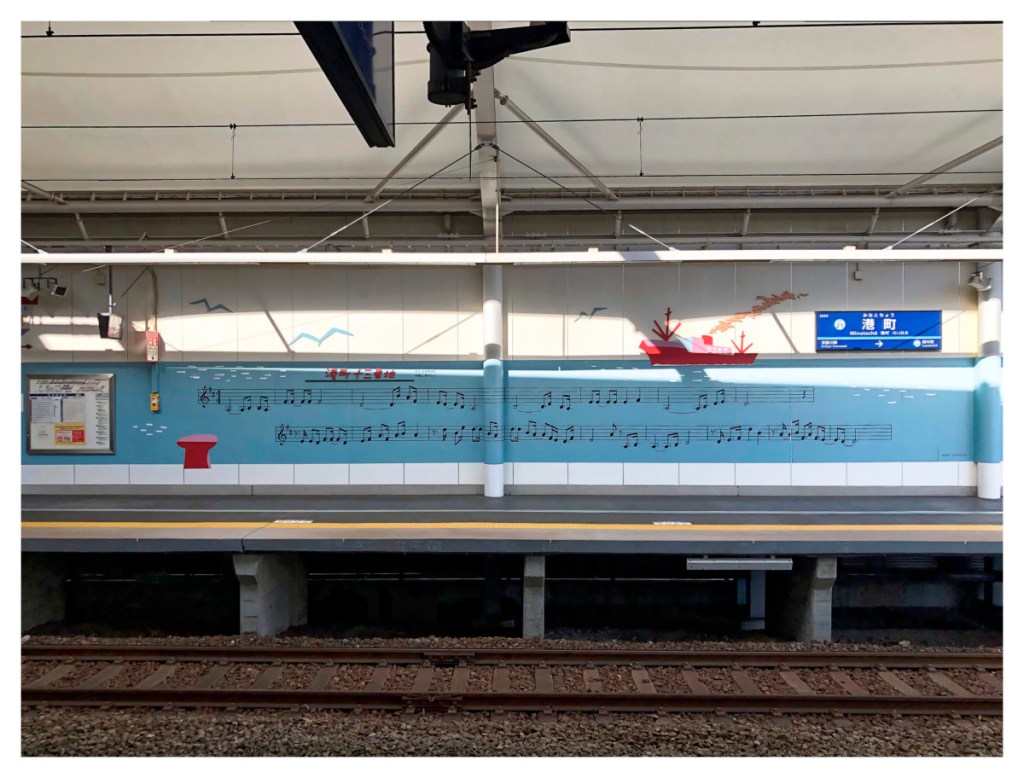
The music on the platform is probably the area’s only claim to fame – the title of a song from the fifties, Minatocho Jusanbachi or “Minatocho number 13”.
Once upon a time, Columbia Records had their Japanese HQ and a factory around here – the song’s title is kind of a nod to that, even if that address has apparently never actually existed. (Creative licence and all that.)

You can have a listen over at YouTube, but Japanese copyright strikes being what they are, it could easily become unavailable.
Here’s a link to the search page on YouTube just in case.
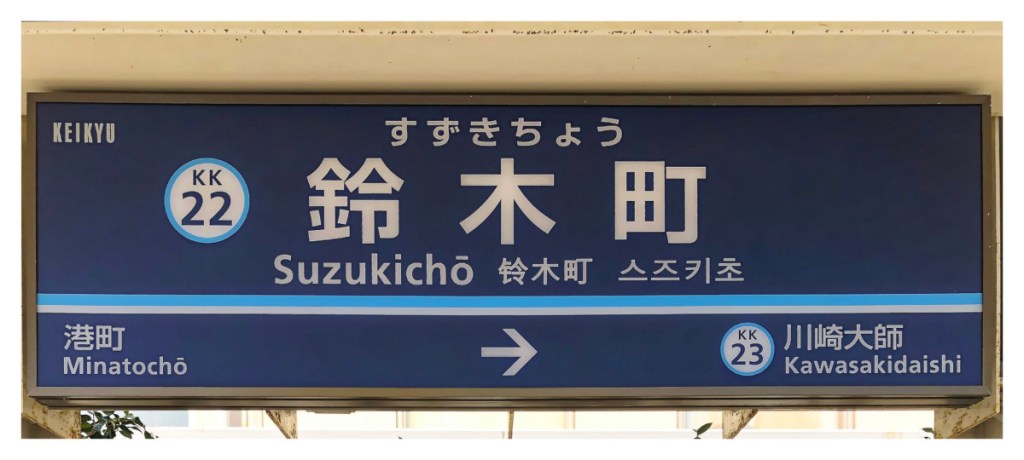
Suzukicho began life as a station called Ajinomoto-mae, as it was and still is, right in front of the Ajinomoto factory. Ajinomoto, for the unaware, are a Japanese food company that came into being around the start of the twentieth century manufacturing MSG, the food flavour enhancer invented by Ikeda Kikunae. He paired up with Suzuki Saburosuke to form Ajinomoto.
I’m not really sure what role Saburosuke played in the setting up of the company, but it’s for him that the station was renamed, so I assume he wasn’t just a faceless financier.
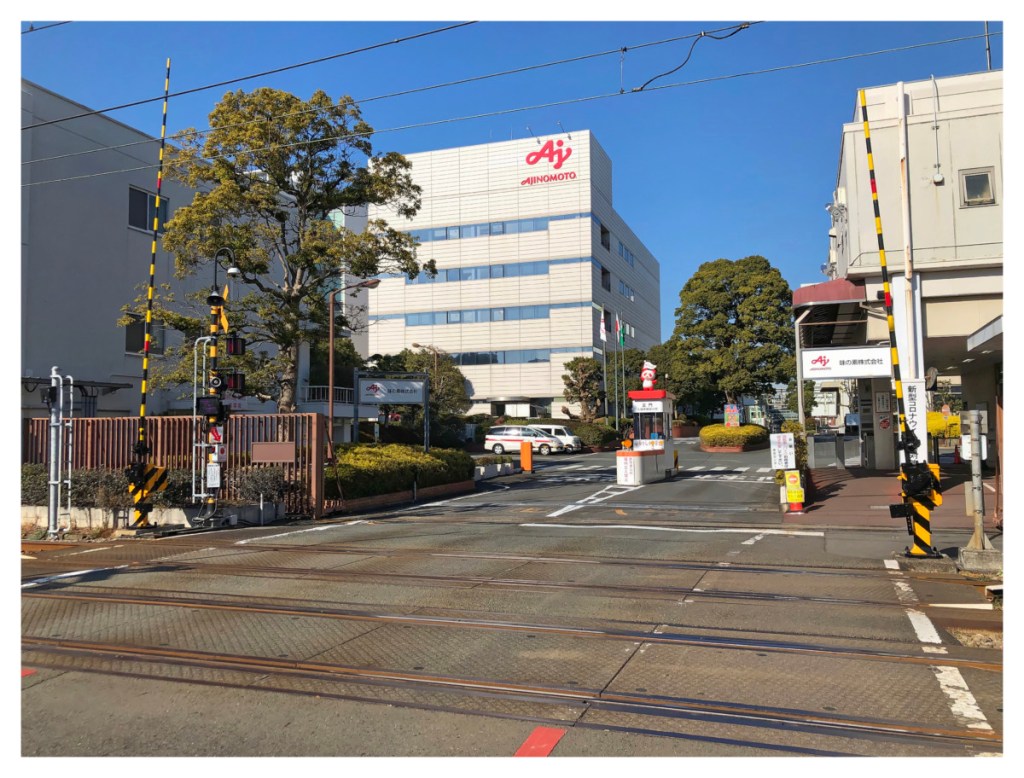
The station backs right on to the factory, which, obviously, you’re not allowed to enter. They do have a public facility just across the street, the Ajinomoto Umami Science Square, which you can tour – although you need to register.


Sadly, I was there when it was closed, so I shall instead point you in the direction of a a pretty good write up here.
The only other point of interest around Suzukicho (apart from the Ito Yokado shopping centre) lies halfway back along the tracks to Minatocho.
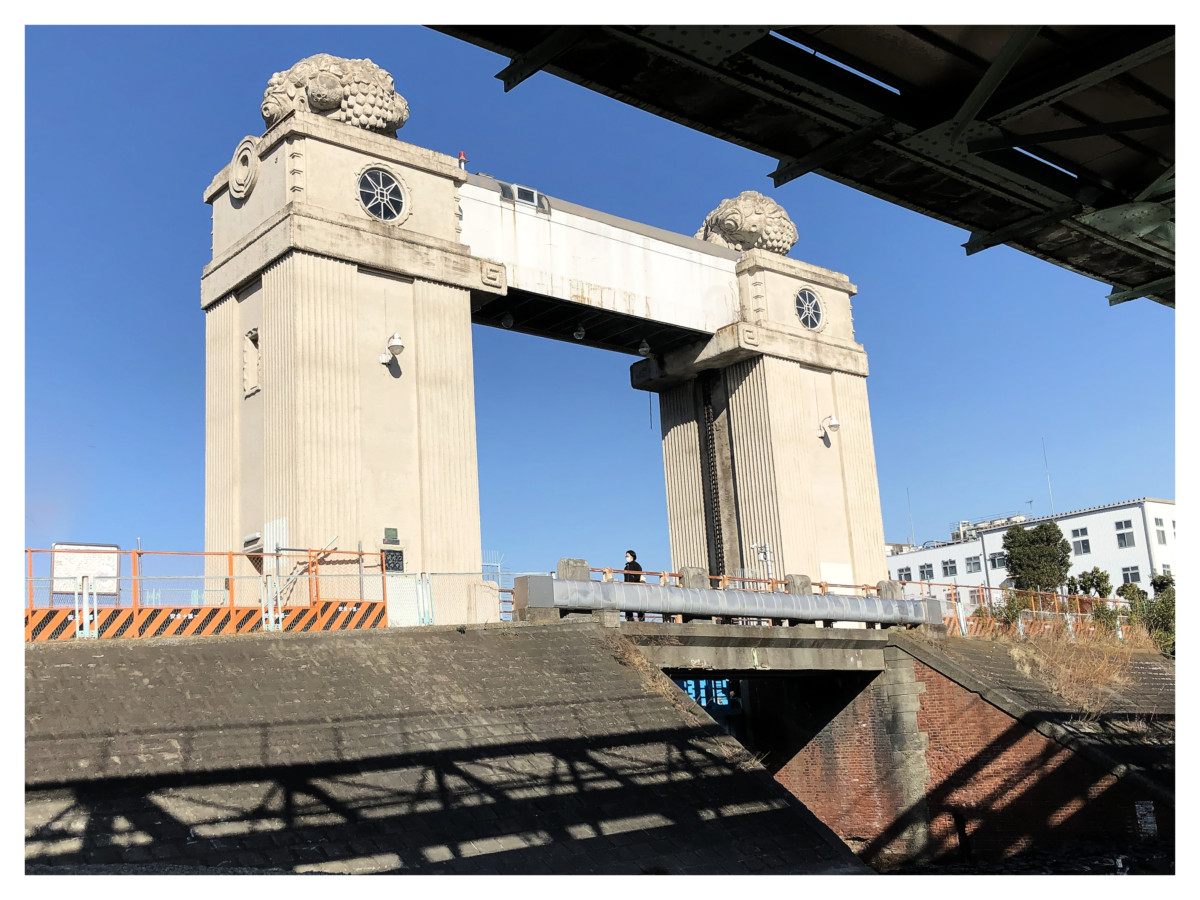
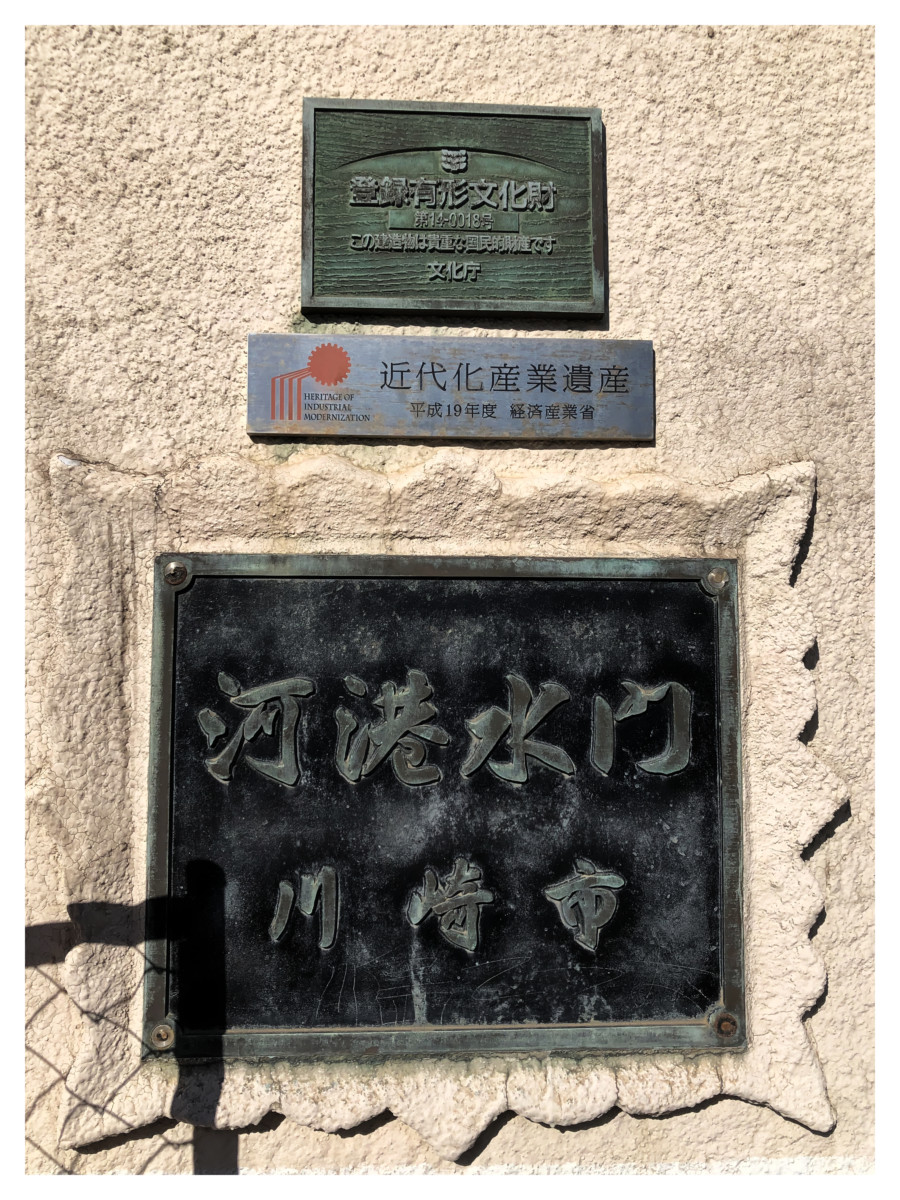
A rather fetching sluice gate, built in 1928 & now registered as a cultural property, lies off the road a little, sitting beside the Tamagawa.

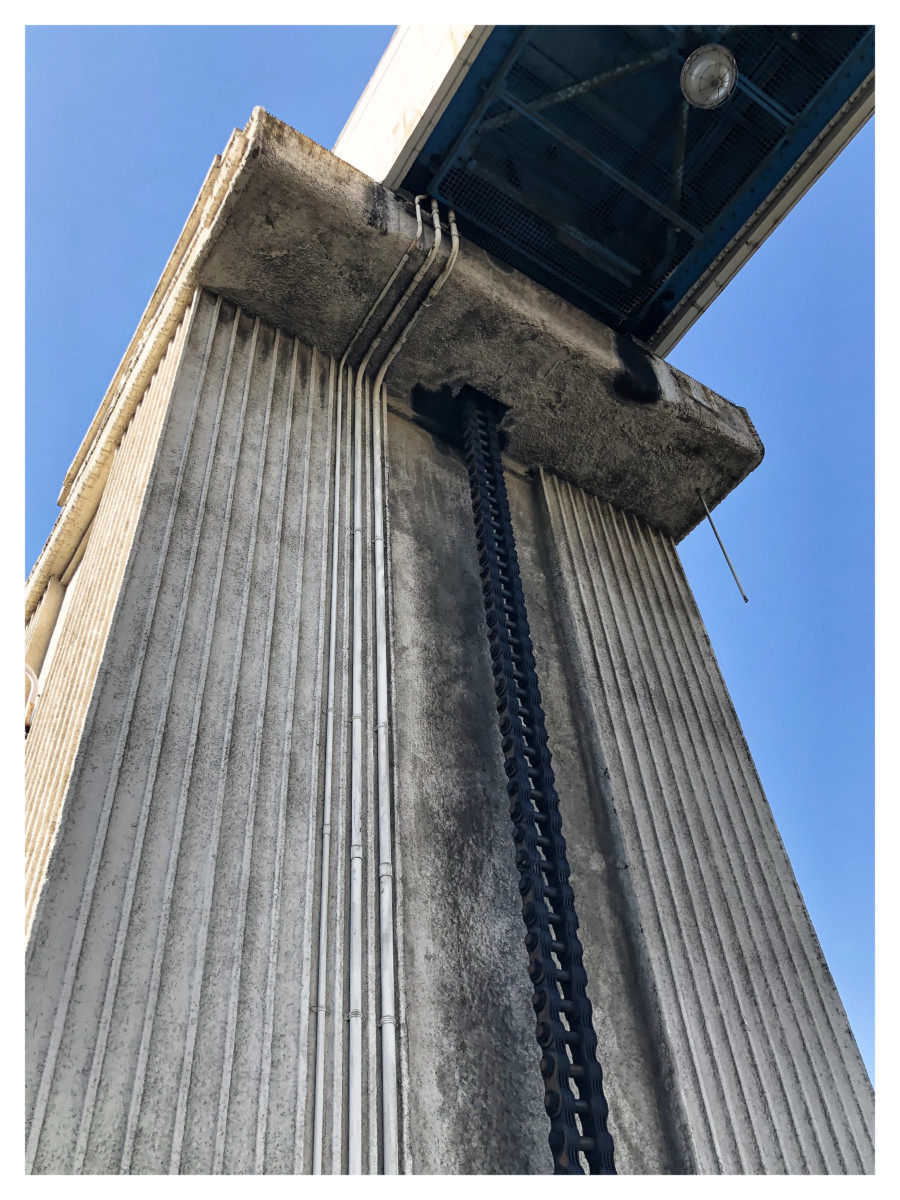

(If sluice gates are your thang then Tokyo Fox has 4 others you might enjoy at this post.)
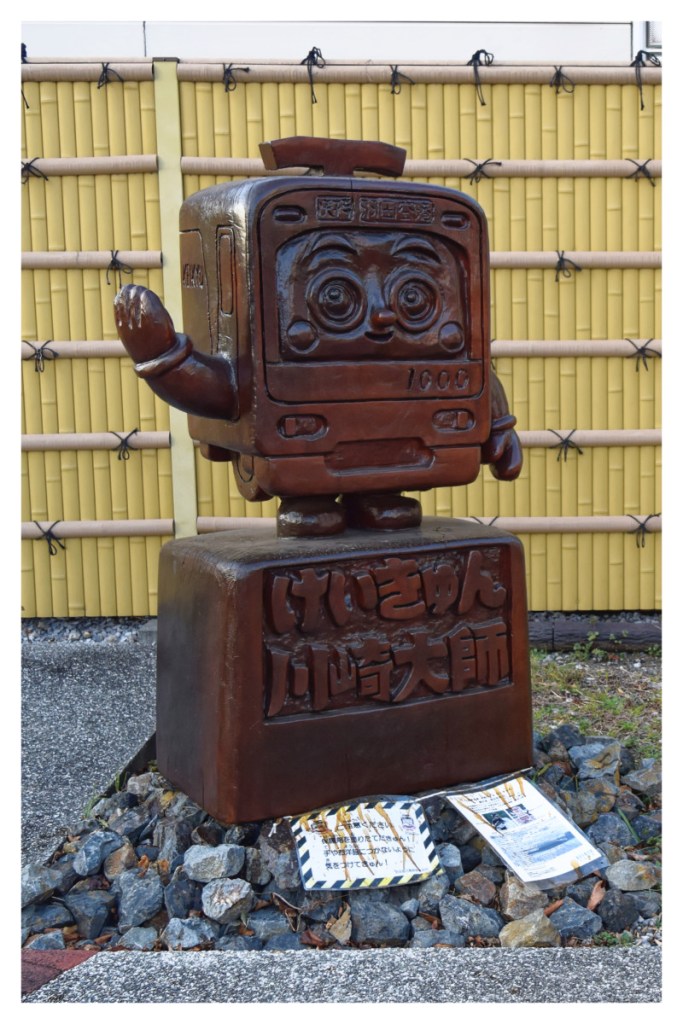
Station number 3 is the eponymous original tourist destination for which the line was built, although the temple itself is a bit of a walk from the station.
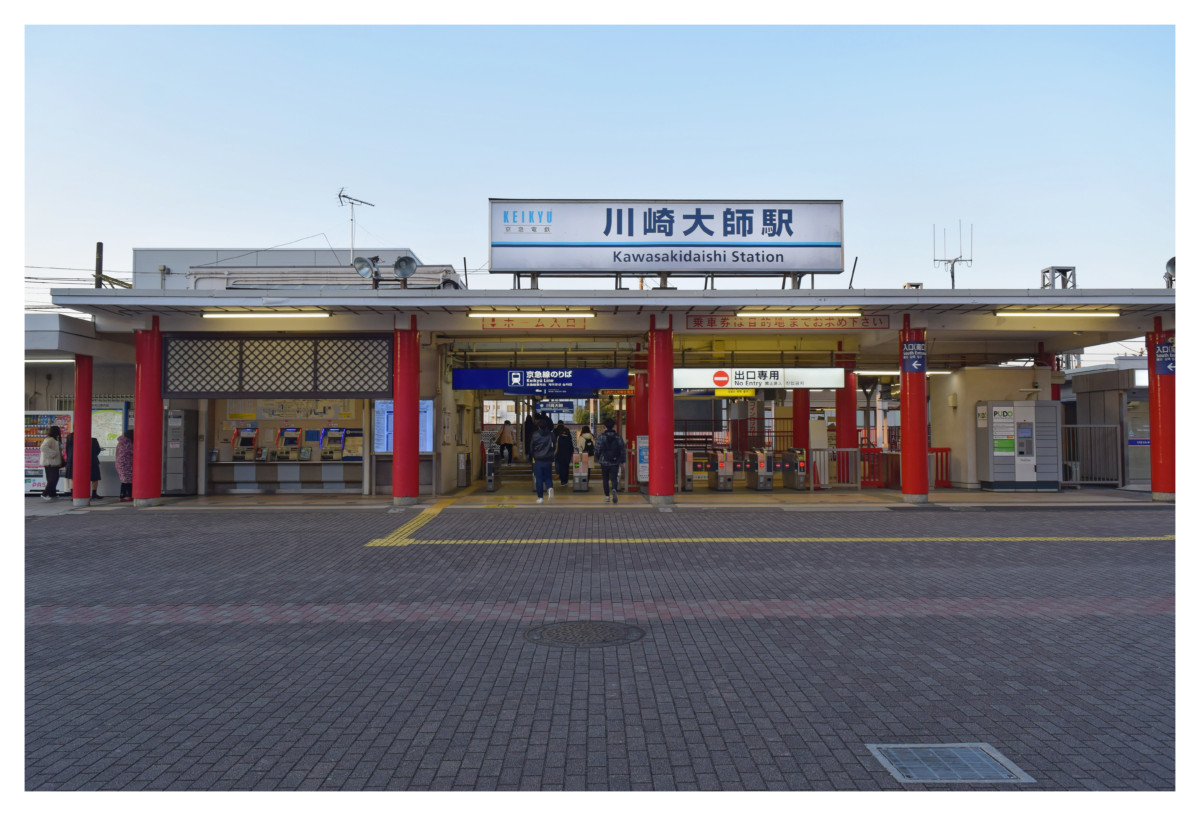
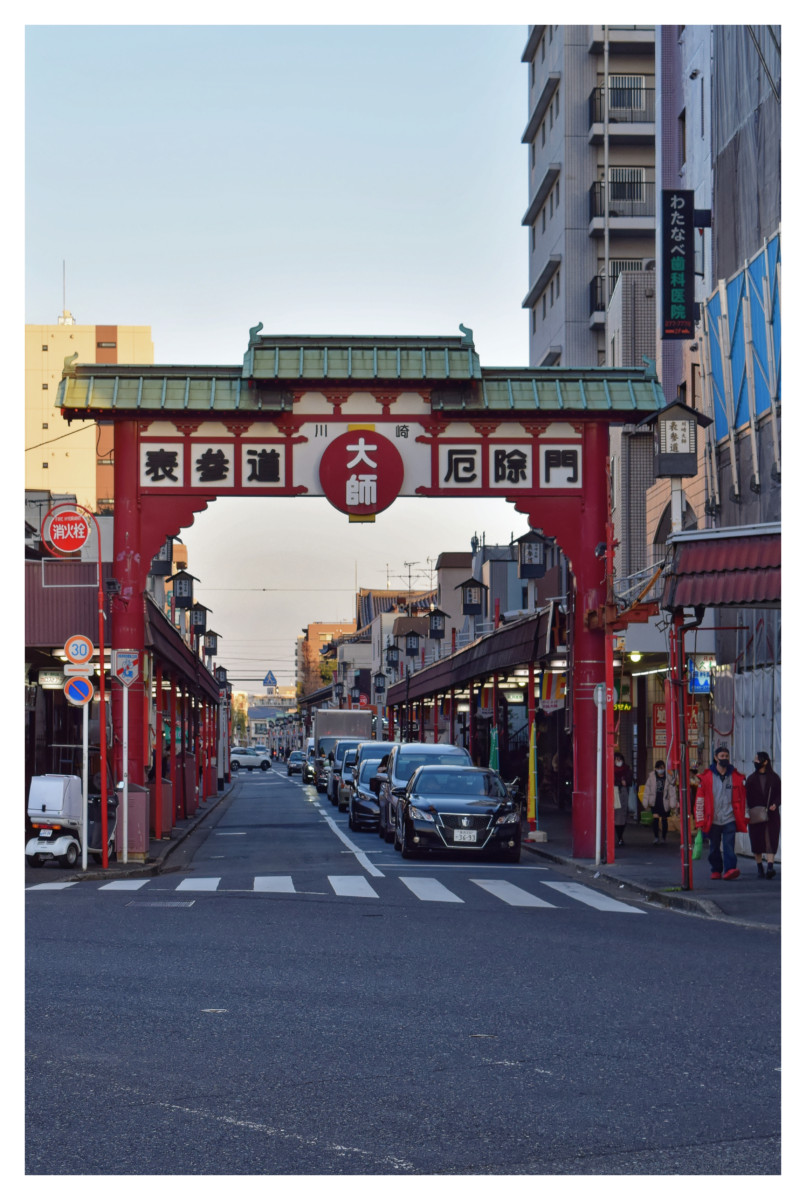
This allows the pilgrims to take their time and peruse the wares of all the establishments that lie along the thoroughfare between the temple and the station. More importantly perhaps, it gives them somewhere to queue when it’s busy.
And, boy oh boy does it get busy round here – especially during hatsumode season, when people make their traditional New Year temple visit:
In 2006, 2.72 million people engaged in hatsumōde here, the third largest figure in Japan and the largest in Kanagawa Prefecture.
FROM THE WIKIPEIDA ENTRY on KAWASAKI DAISHI
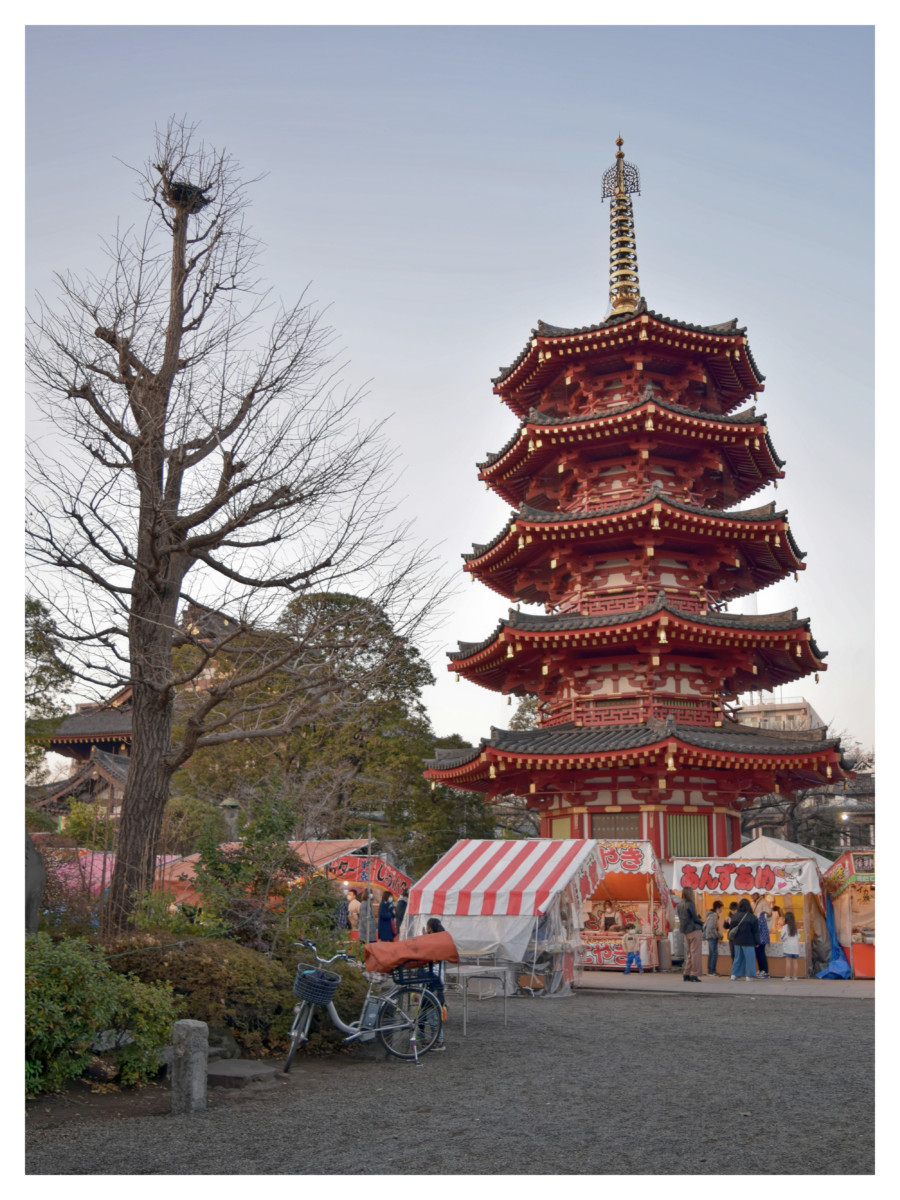

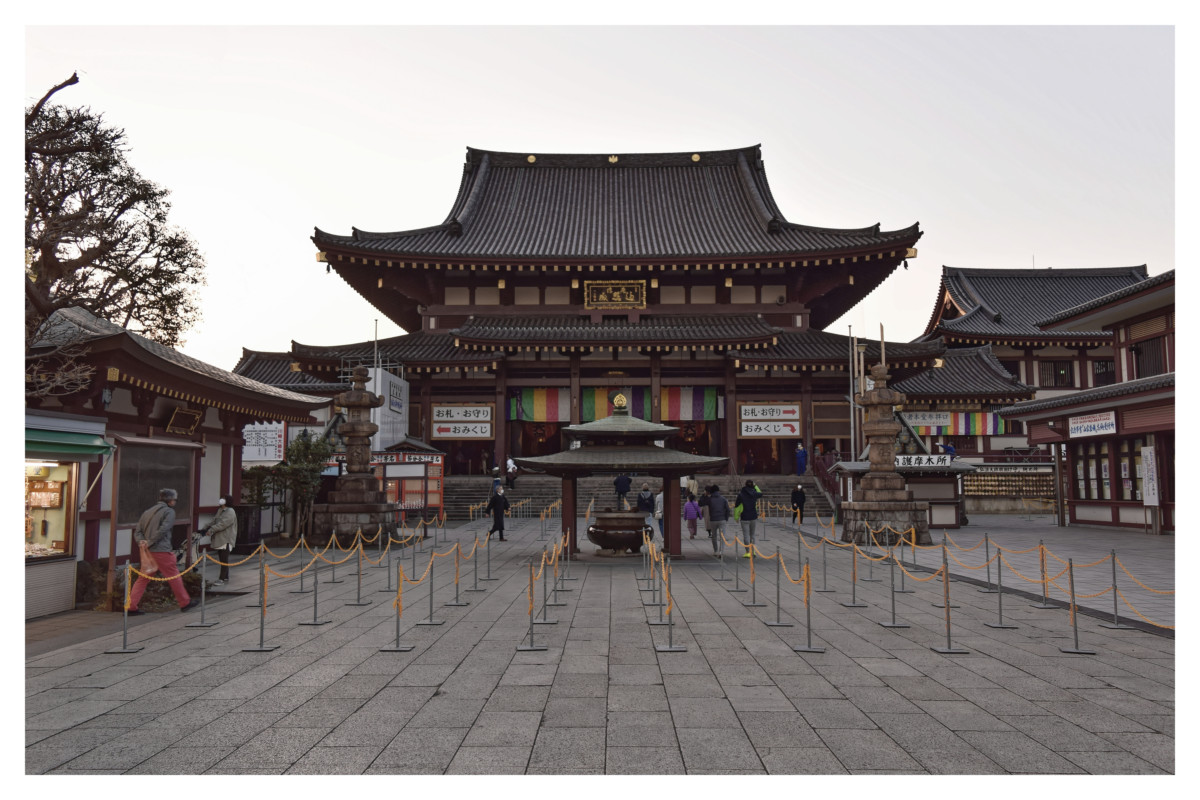
Kawasaki Daishi also does a brisk trade in charms to protect you and your nearest and dearest from traffic mishaps. If you’ve ever sat in in a jam in Kanagawa or Tokyo, you’ve probably seen a sticker from this temple on somebody’s car at some stage.
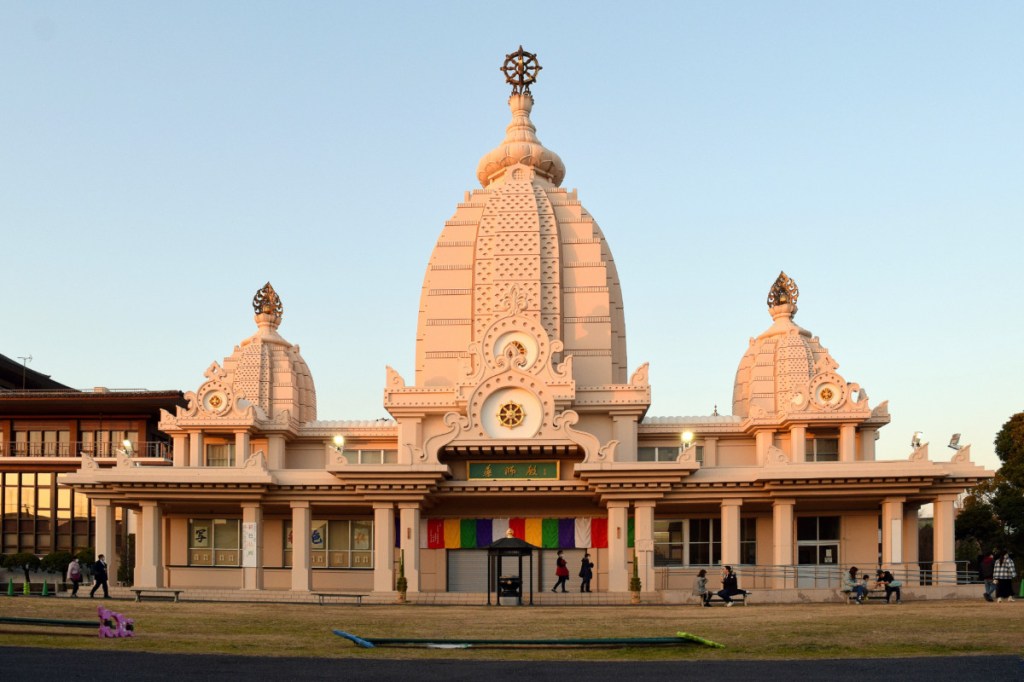
The next station is also considered close enough to access Kawasaki Daishi; it’s more of a side entrance – its name giving the game away, as it translates pretty much into “in front of the east gate”.
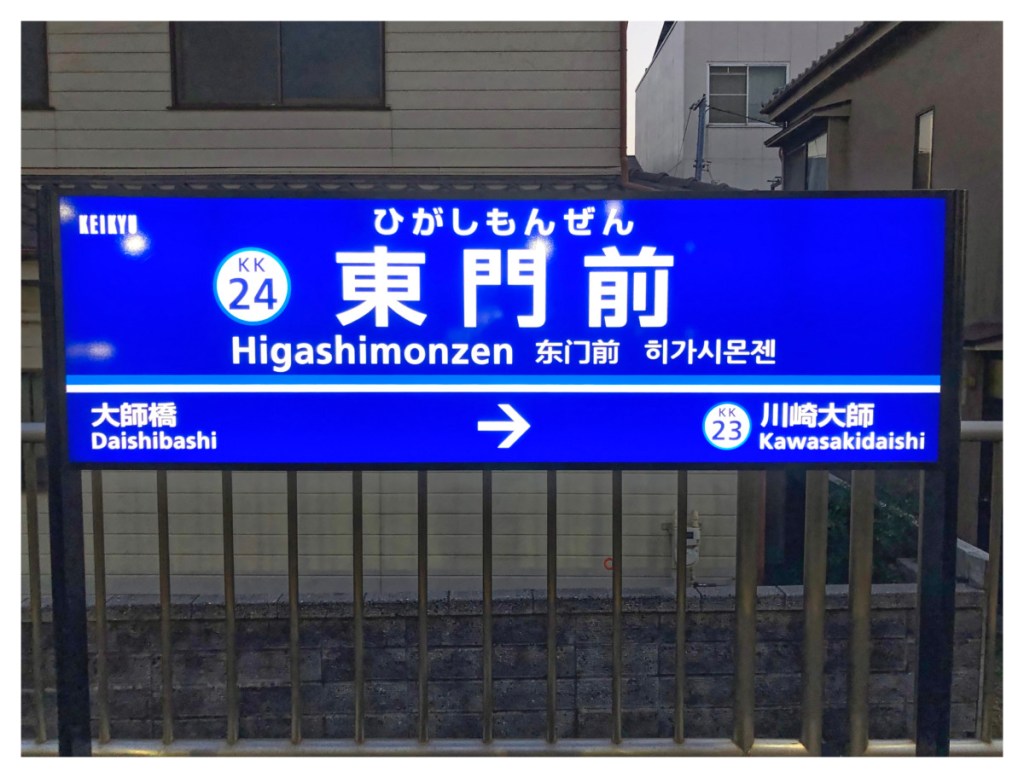
This connection to the temple is all you can really say about Higashimonzen that’s of any note… except for the fact that the entire station is currently being moved underground, which goes a little way to explaining the wooden beams on the rails in the first image below.
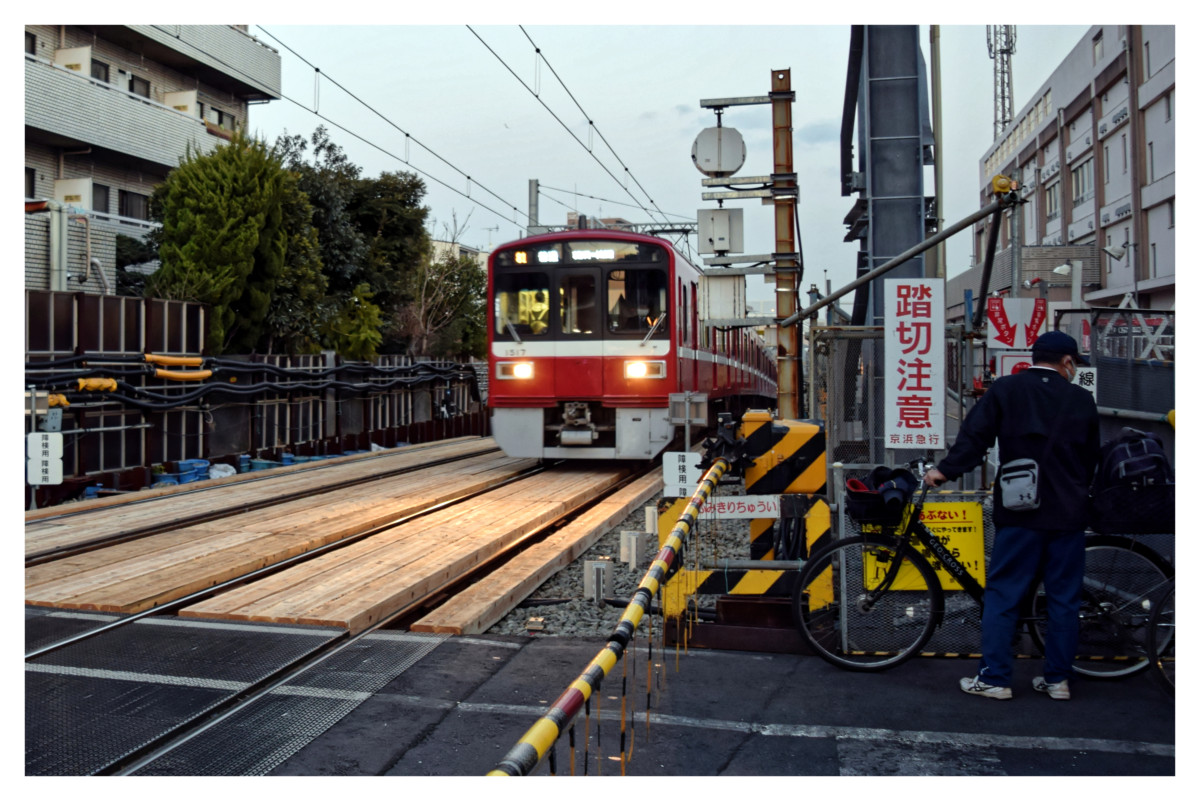

Nearing the end of the line at this point, and yet another renamed station.

Daishibashi was renamed from Sangyodoro in 2020. Its new name refers to the Daishibashi – the bridge that crosses the Tamagawa not far from the station, linking Kawasaki to Ota ward in Tokyo and (the mentioned-much-earlier on in this post) Haneda airport. I have no idea why Keikyu are so into naming stations after bridges, but there we go.
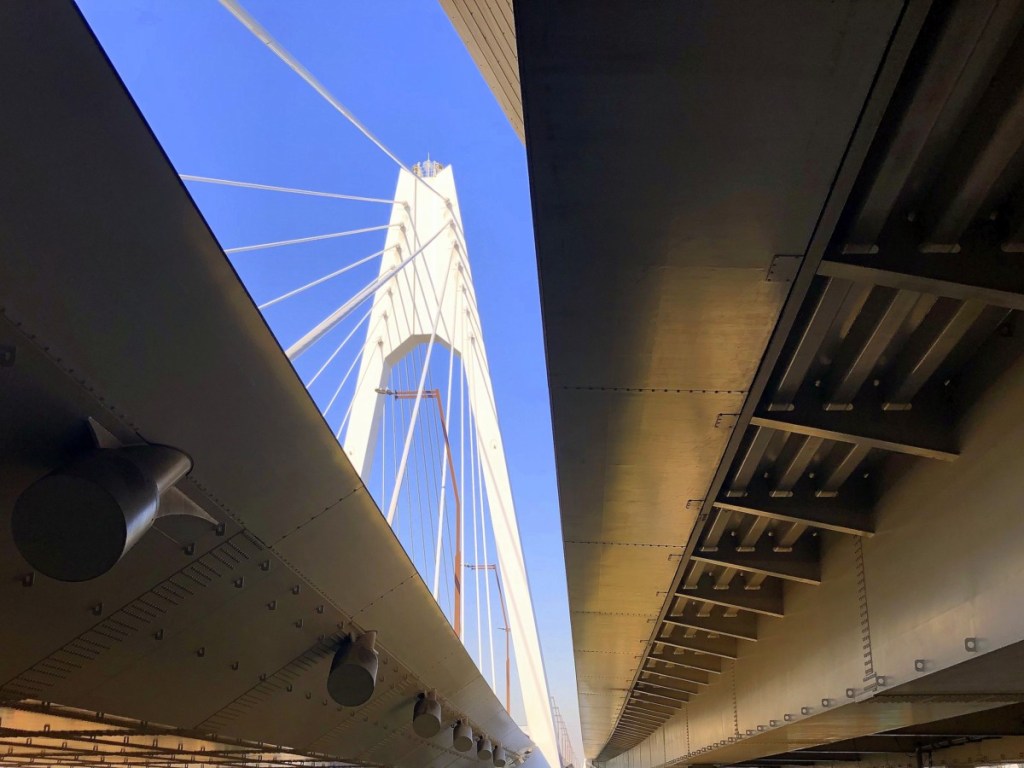
What Higashimonzen is still in the process of doing, Daishibashi has already completed; it’s been moved underground & is looking quite swish for it.

The external topside parts of the station on the other hand, leave a lot to be desired.


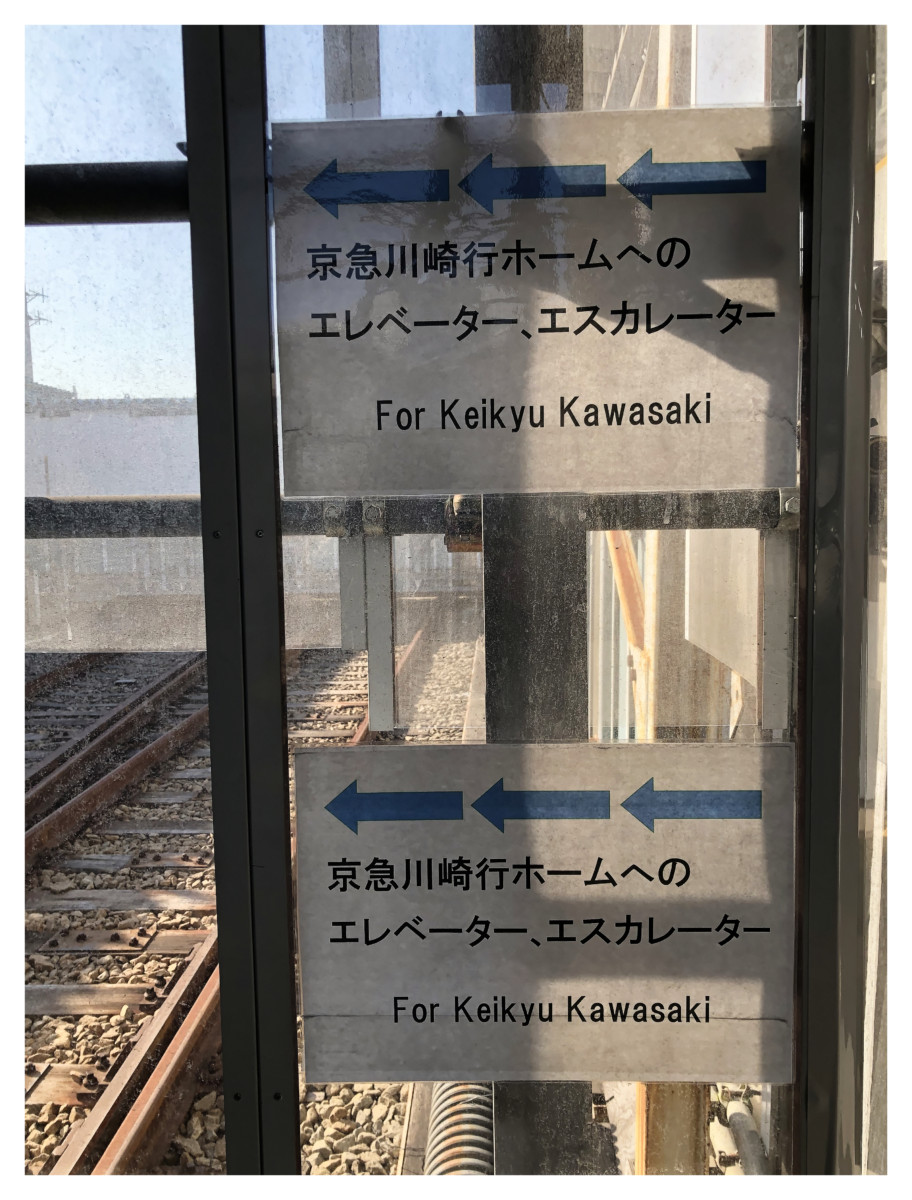
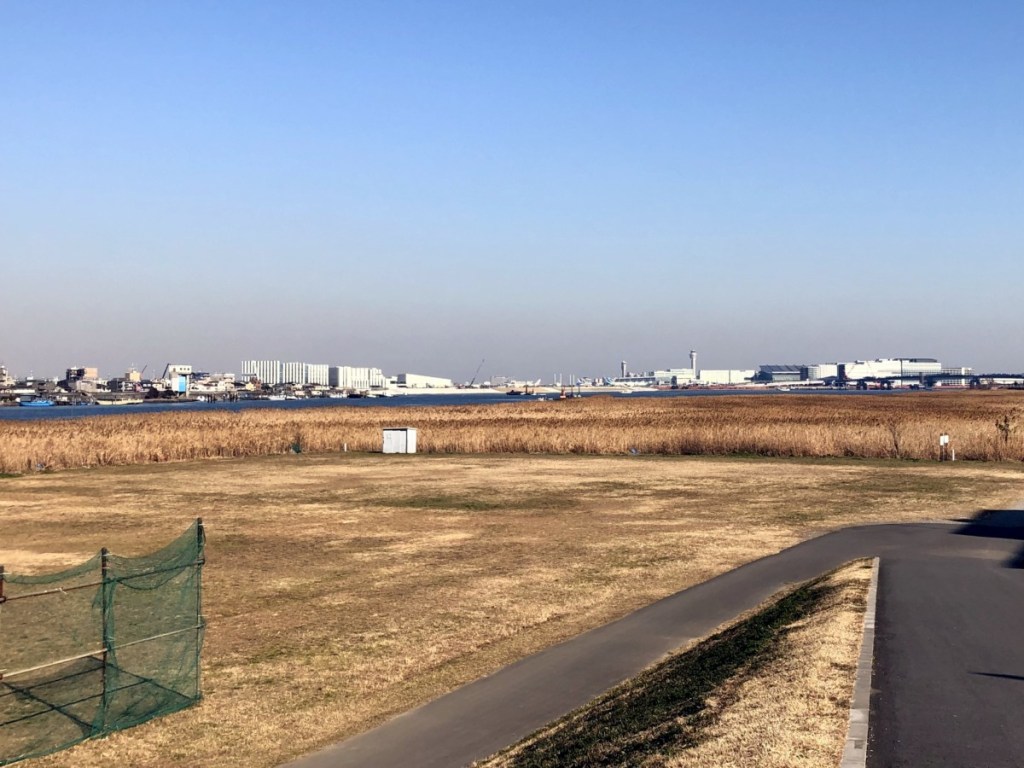
There’s not really a whole lot you can get up to around this station except make your way down to the riverside, have a wee walk and watch the planes landing & taking off. I had my lunch on the bench in front of that green net there.
There is bowling if that’s more up your alley…

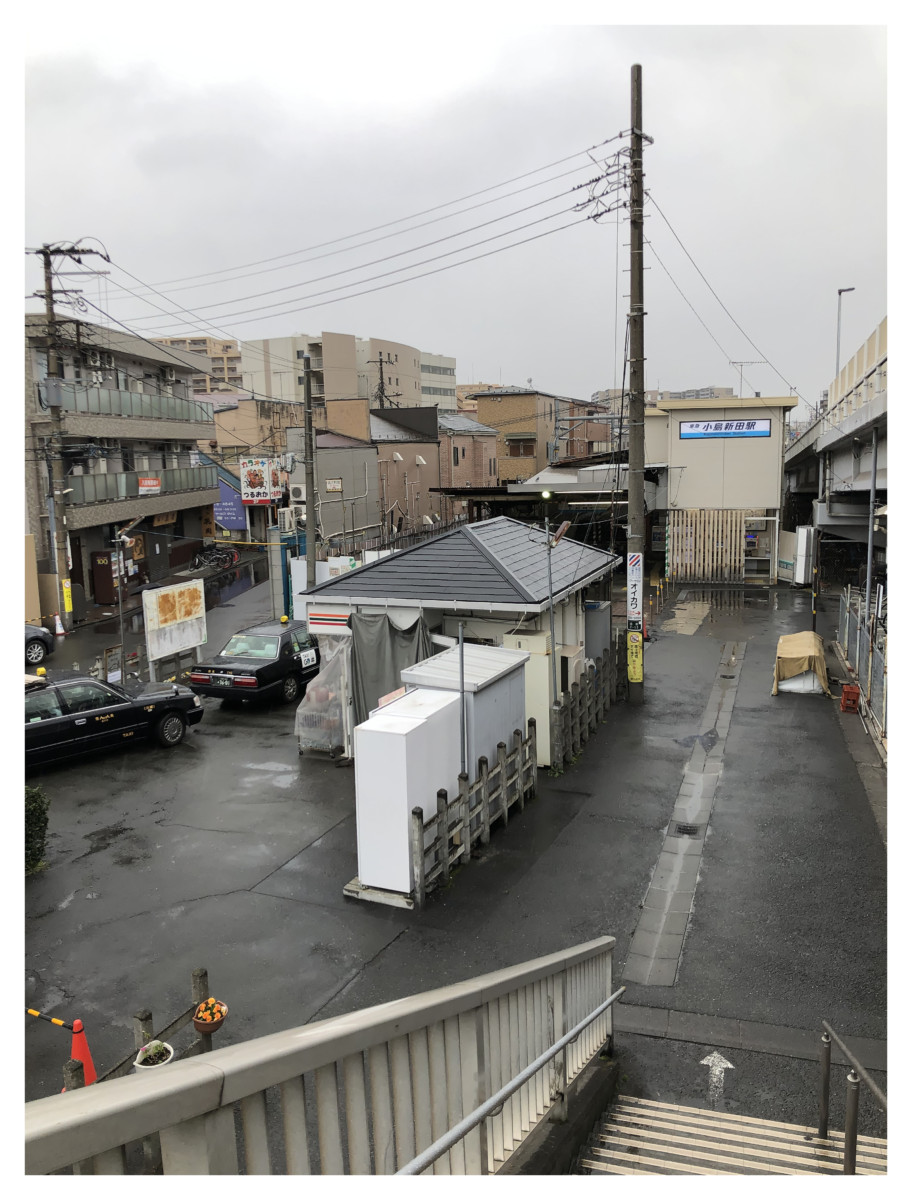
The last stop on the Daishi line is Kojimashinden; there’s nothing much out this way but factories & houses.
Well, I tell a lie – there is also a huge freight terminal so you can stand on a bridge and watch the trains coming and going if you’d like. The day I was here was damp, chilly and the wind was doing its best to rip the very marrow from my bones, so I just had a quick wander round the place.


One unique sight that I hope has been corrected by now, is the shrine in the park near the station.
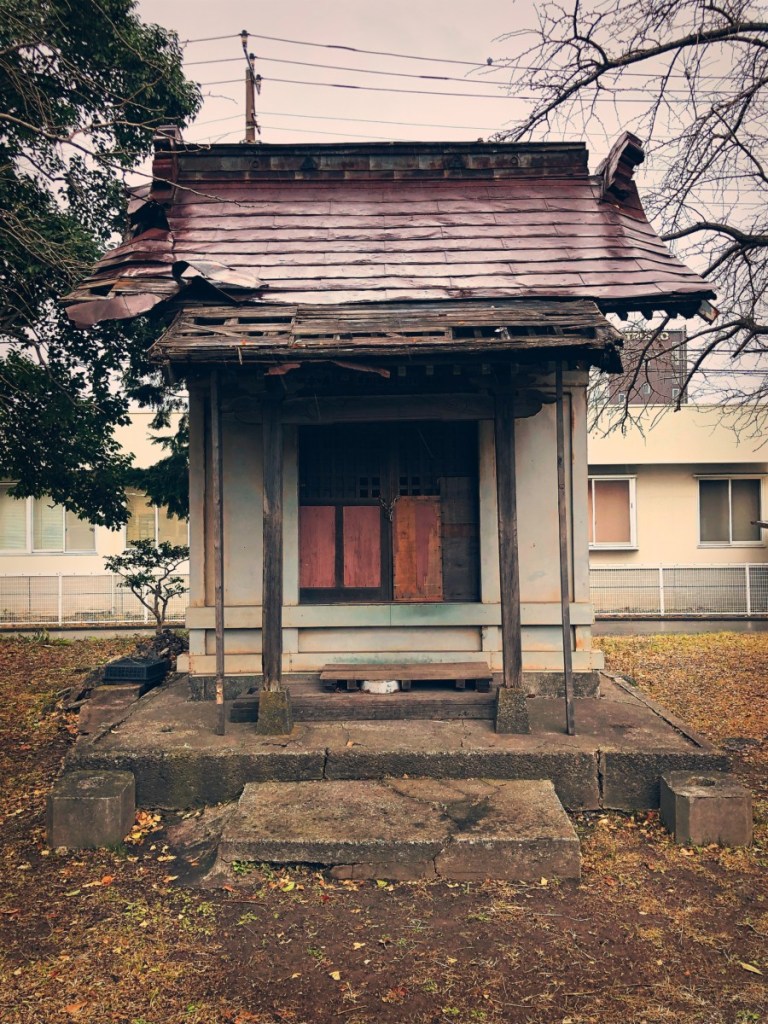
I’d never seen one in such a state of disrepair in a populated area like this before. That’s the kind of thing that makes the gods very displeased.
Now I think about it, deity displeasure could explain the weather.
Coming up next… The Stations of the Enoden!
This won’t be the last of my daft lists from Japan, but we’re getting close.
You may be pleased to know that I’ve already got a couple in mind for 2022 – although they are, by virtue of geographical necessity, decidedly un-Japanese.
 CityHillsAndSea
Leave a comment