Don’t know what a 52 Fuji is? Check out this page.
So there I was, all proud of myself for having kept digital copies of my notes for all these years. Why, reviewing and recapping these Fuji stations from 13 years ago would be a breeze! And then it was the turn of Fuji number 13, which was supposed to be posted on Friday the 13th, 13 years and a bit after I went there and wouldn’t you know it… I got nothing. So here’s what I remember.
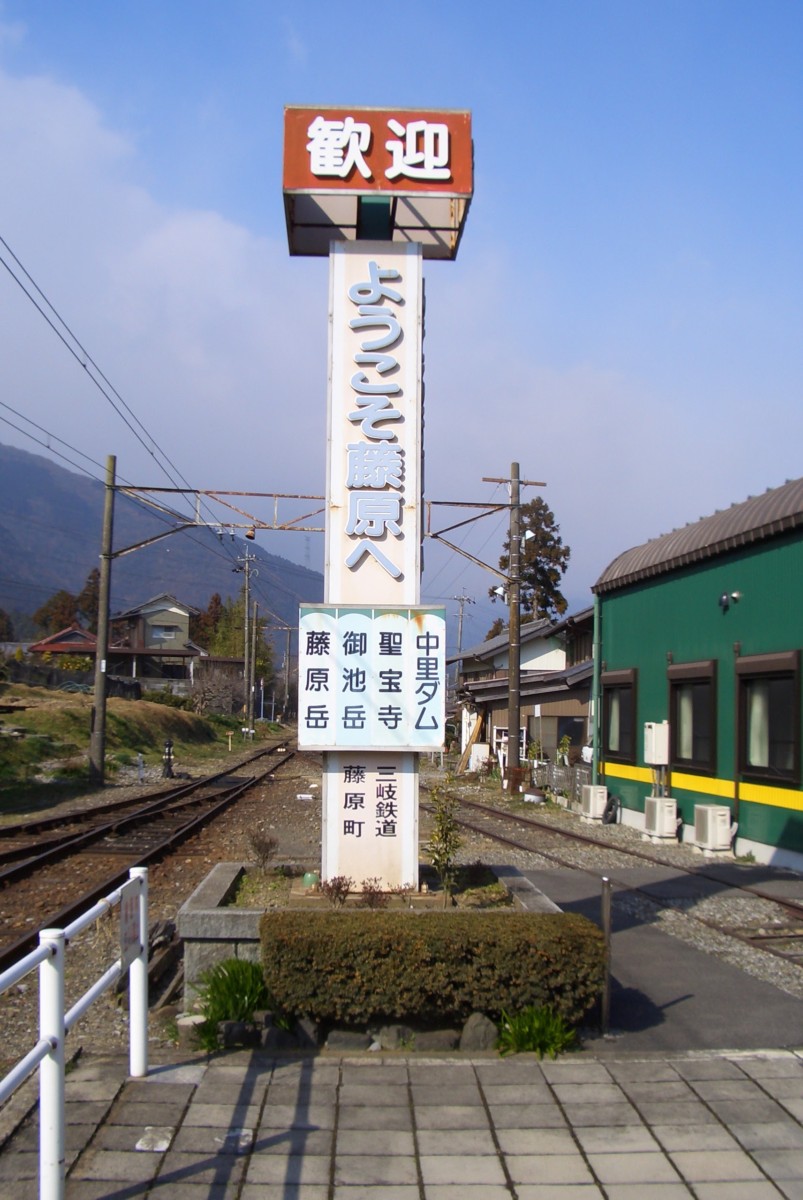
It’s geographically weird to me that Nishi-Fujiwara (West Wisteria Fields) and Higashi-Fujiwara (East Wisteria Fields) are not just two sides of Fujiwara (Wisteria Fields) but are instead plonked either side of an entirely differently named station – Nishinojiri. I’m not 100% sure how I’m supposed to translate that, but given that the kanji are 西野尻, I’m going to go with West Bumpkin Butt, which is a fair reading, trust me. (No, seriously, go see for yourself.)
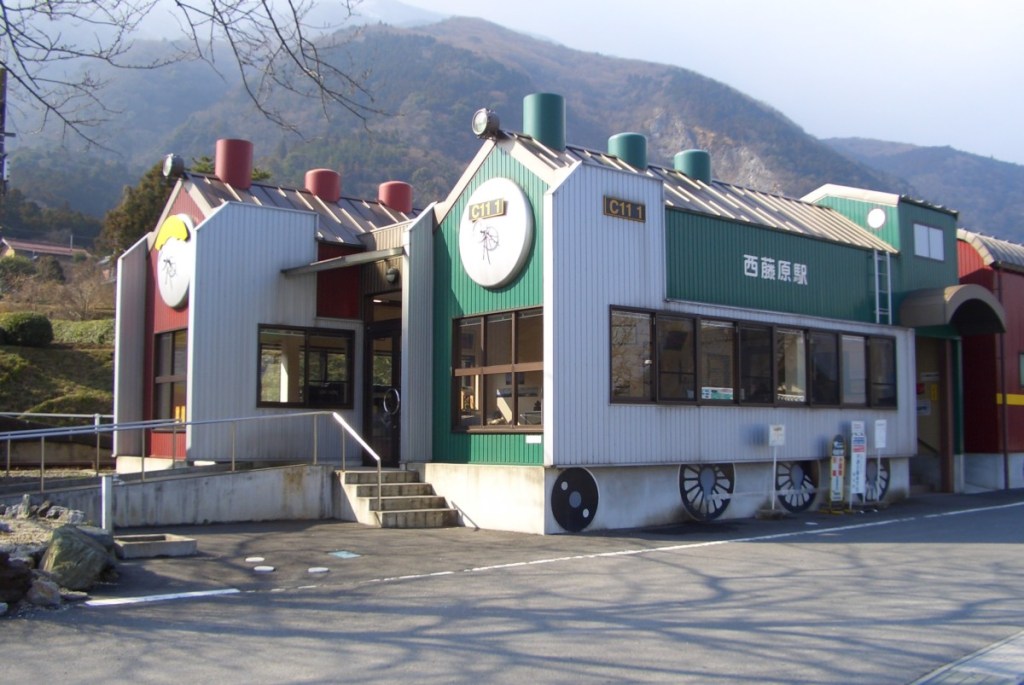
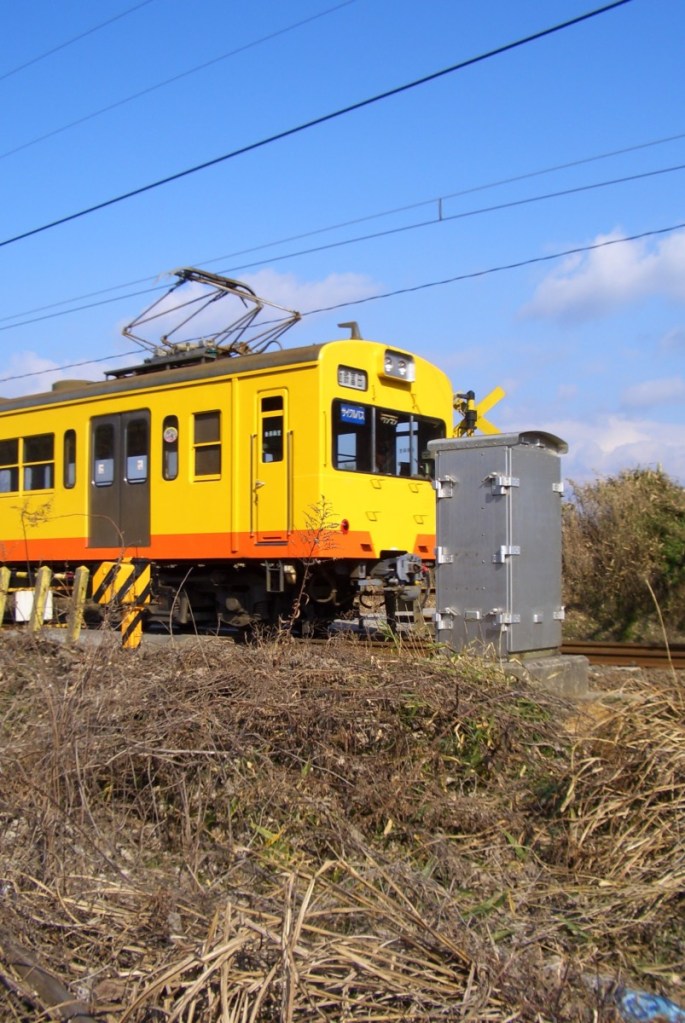
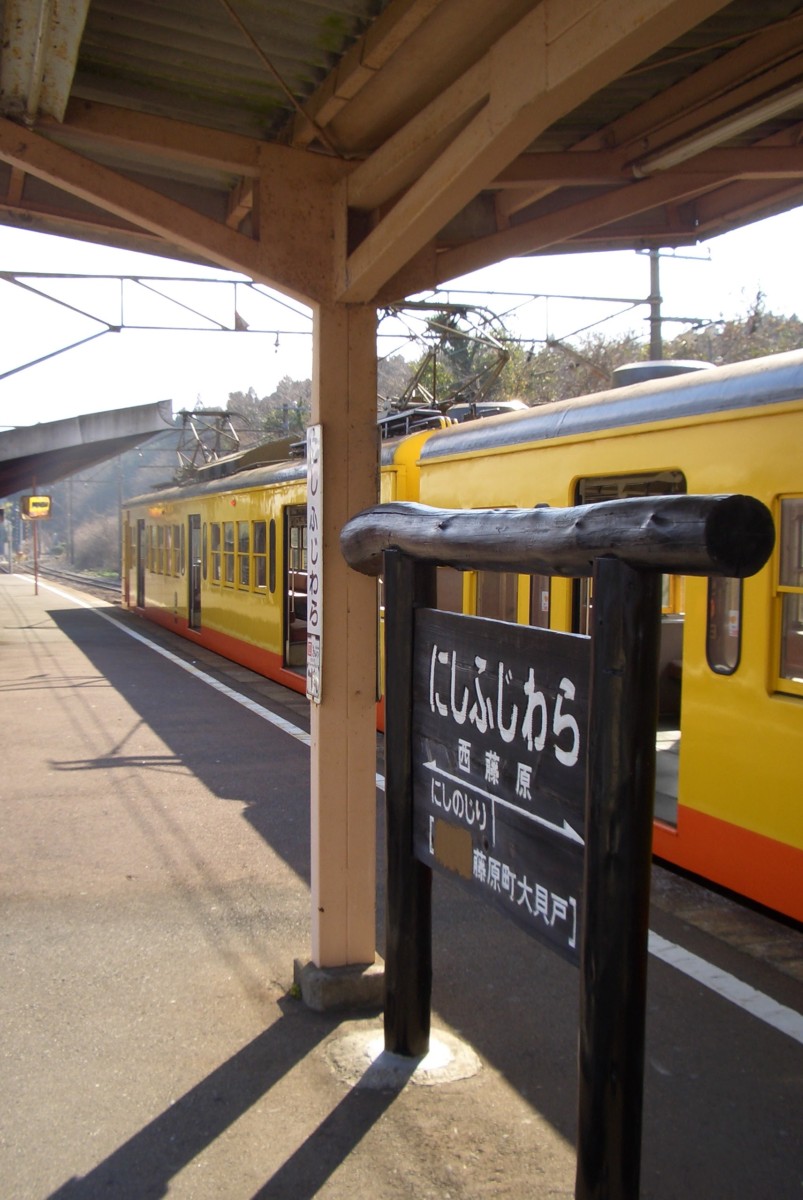
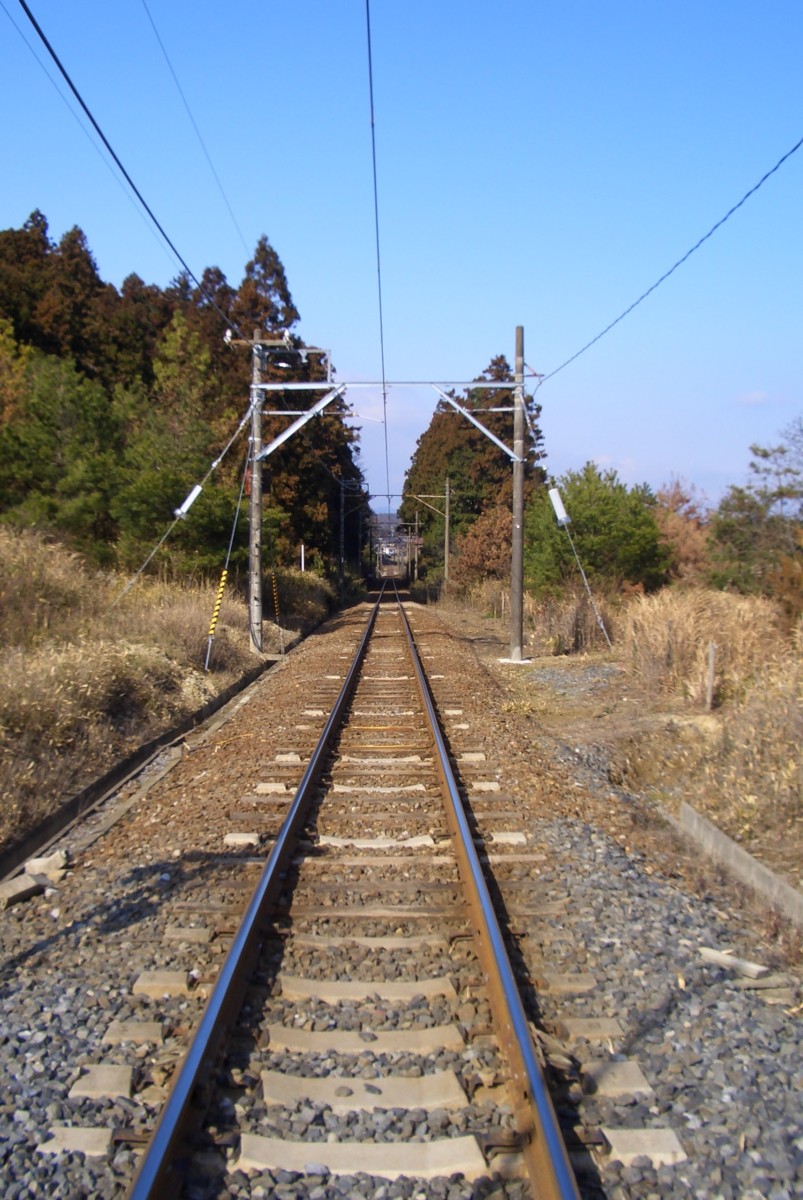
Anyway, Nishi-Fujiwara is the very final station on the Sangi line. The Sangi line is a beautiful example of recycling in action – most of its rolling stock used to belong to the Seibu Railway company, although they do have a few trains from other companies.
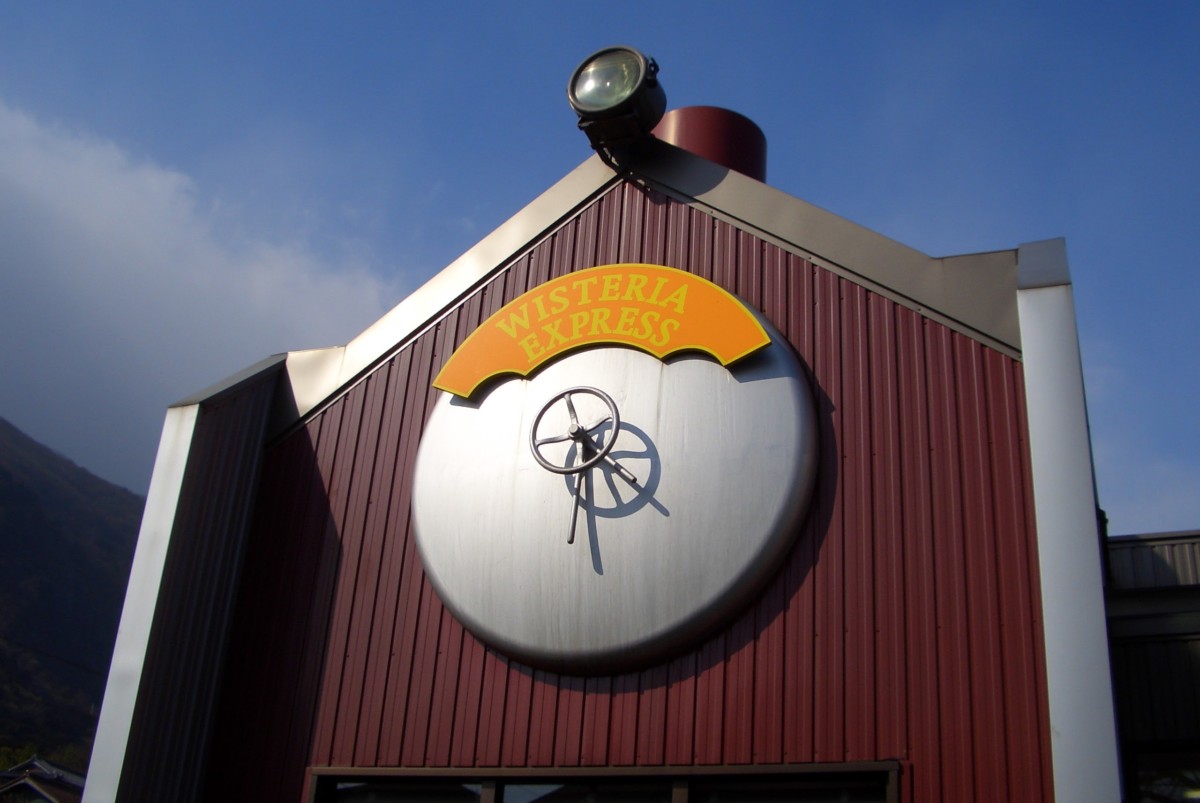
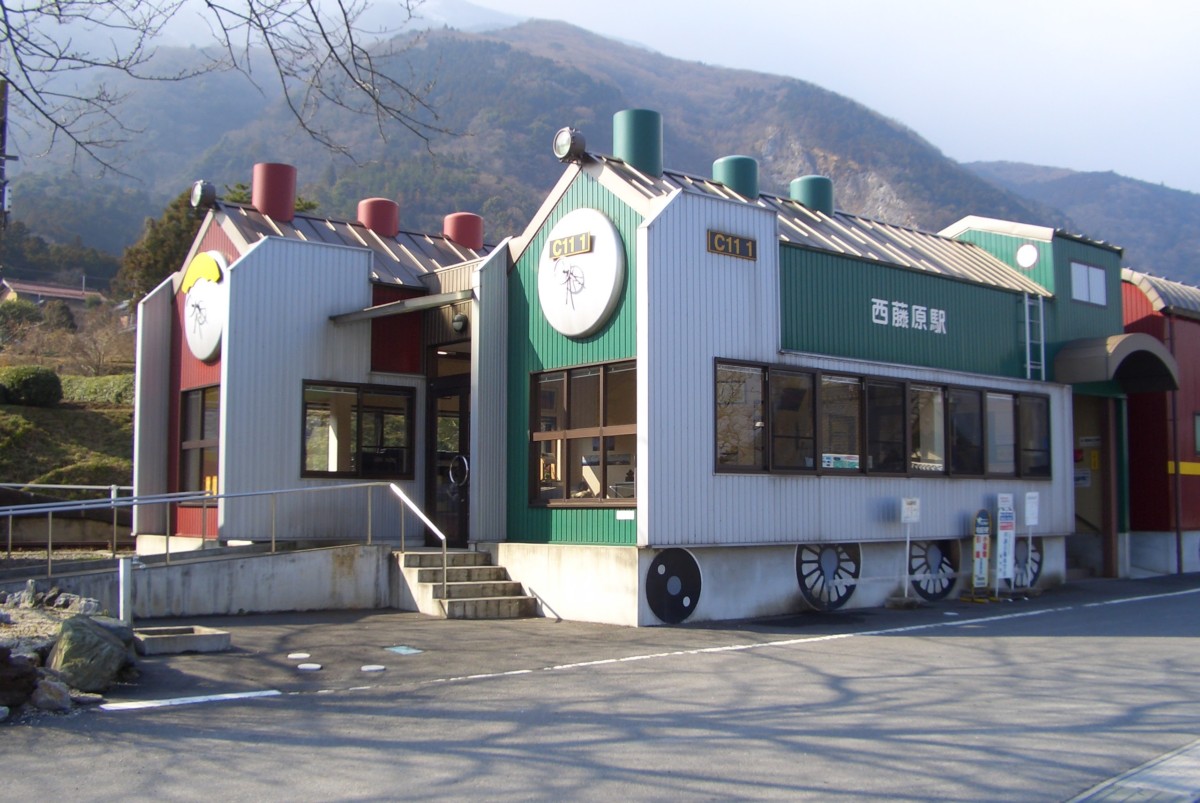
This fractured identity might help explain why the station building, designed to resemble an old steam train, has a designation on the front of the station claiming the station is C11-1 while an entirely different steam locomotive is parked outside. (The C11s are steam locomotives but this doesn’t look like a C11 to me. It’s also numbered 162, and I can’t find a record of C11-162 still being around.)

What I do think I kind of remember is that this is a preserved steam locomotive that was originally used for freight services back when the train line here was opened and had one main function – hauling cement.
Ah! Cement! The other thing I remember exceptionally clearly about this day.
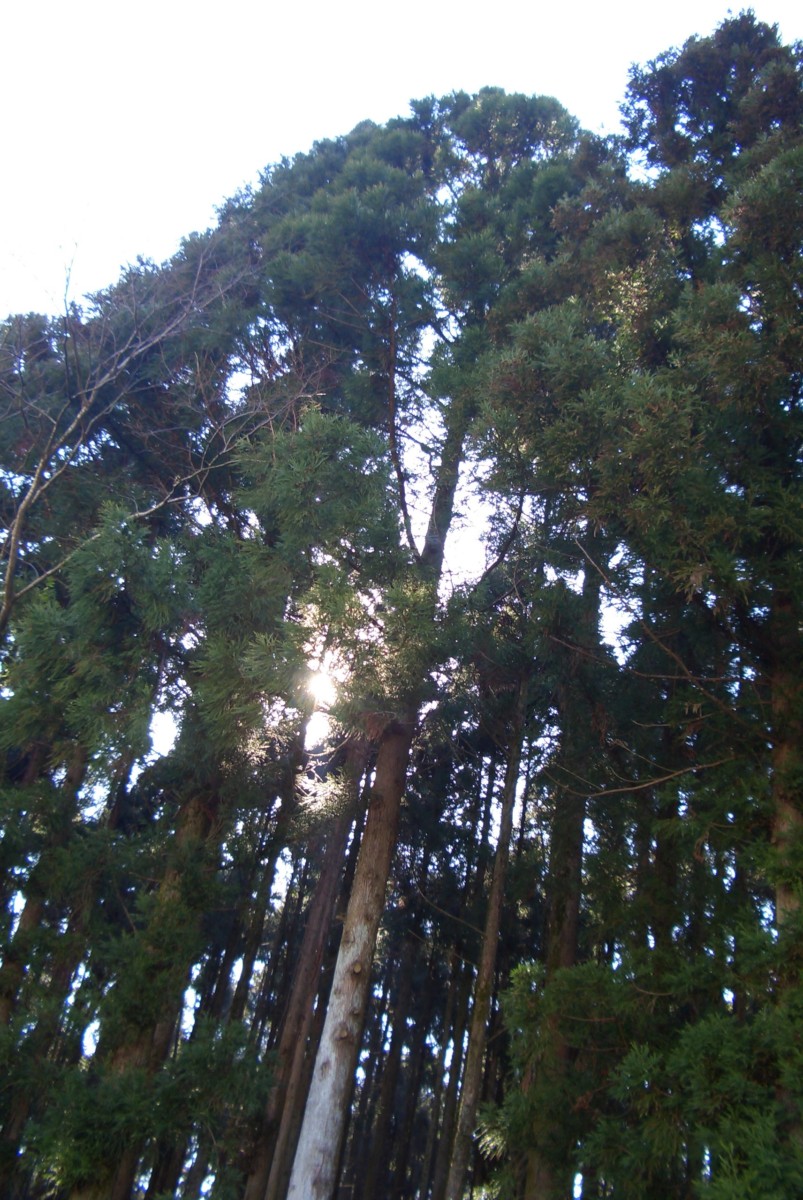
See, the plan was this – get the train up to the end of the line, get off, take some pictures, and then, instead of waiting a couple of hours for the next train out, hike across to Higashi-Fujiwara station, see some of the countryside, enjoy the scenic sumptuousness of Mie’s finest wilderness.
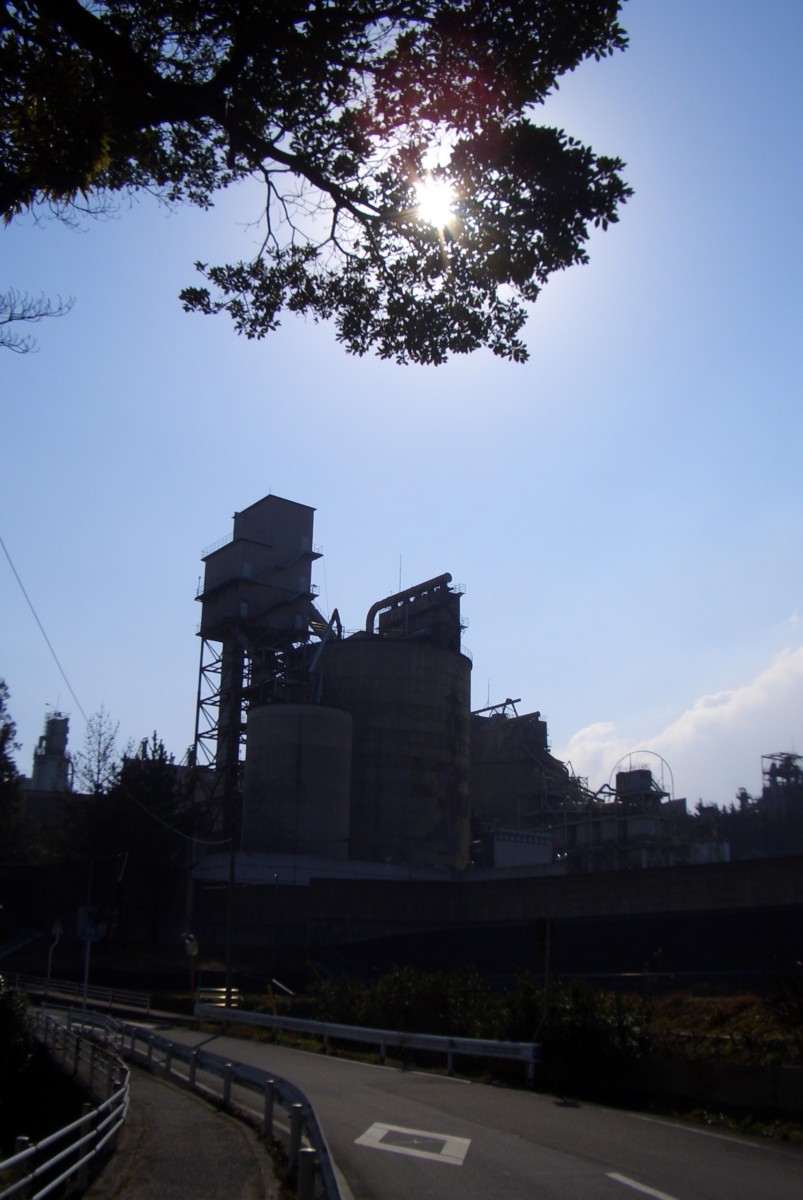
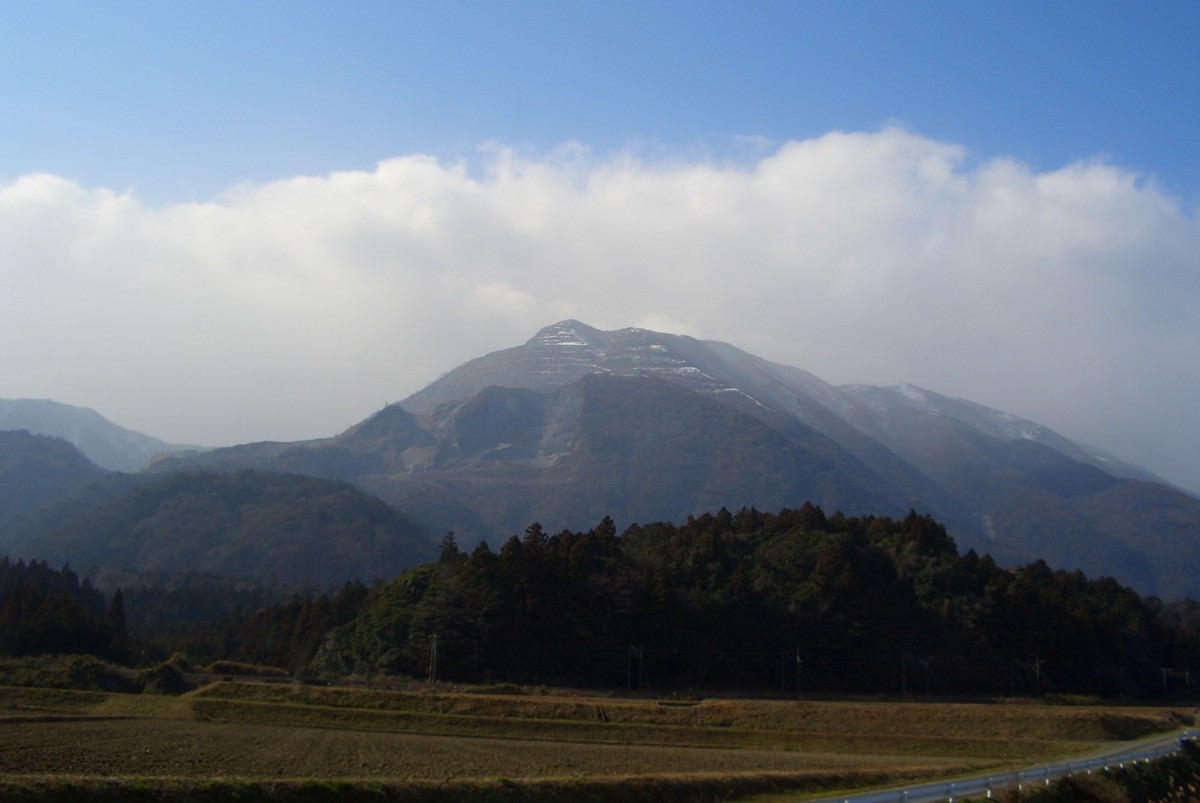
It was certainly true that, on Google Maps, it looked quite idyllic. Forests and mountains and even a river.
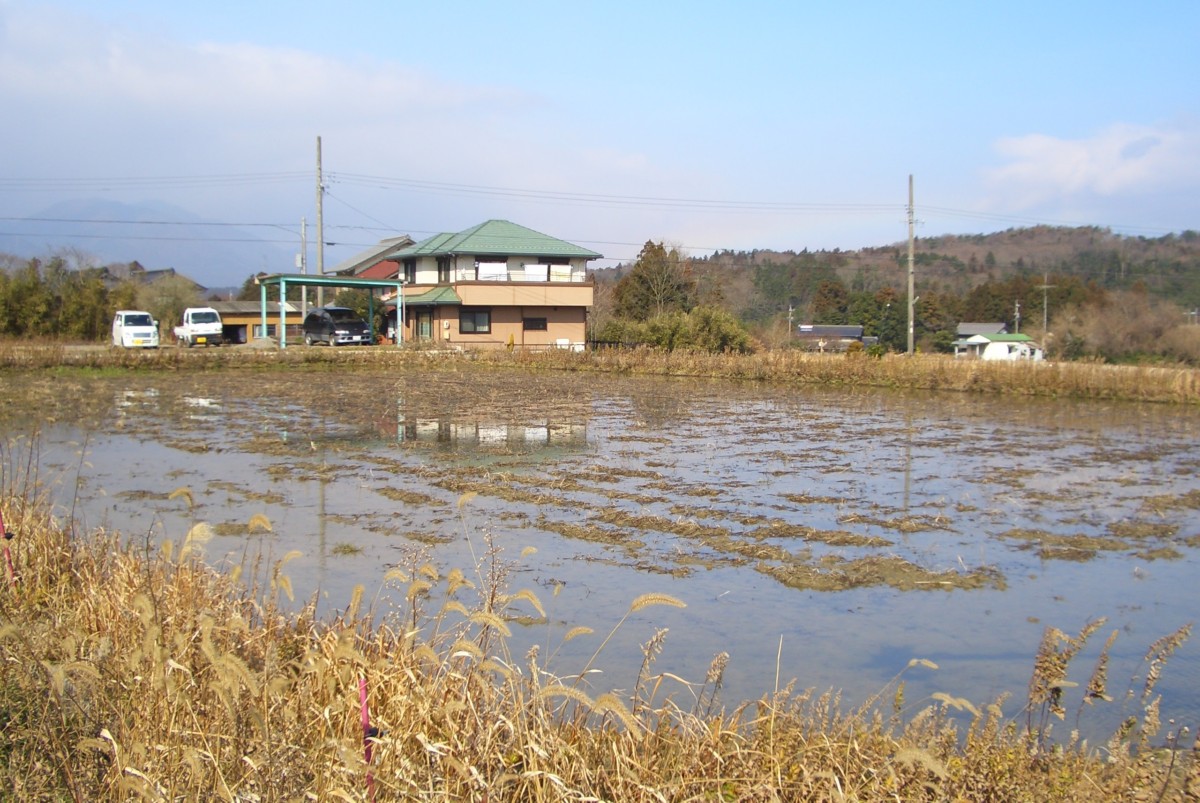
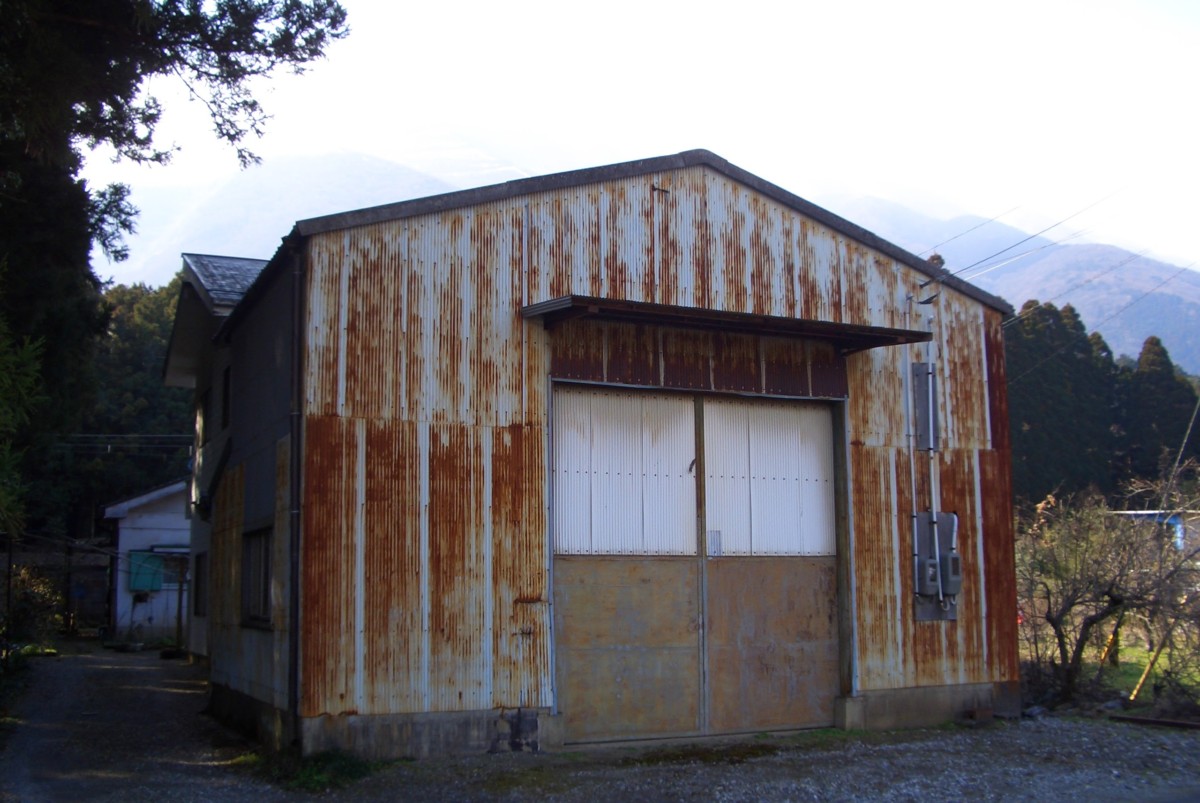
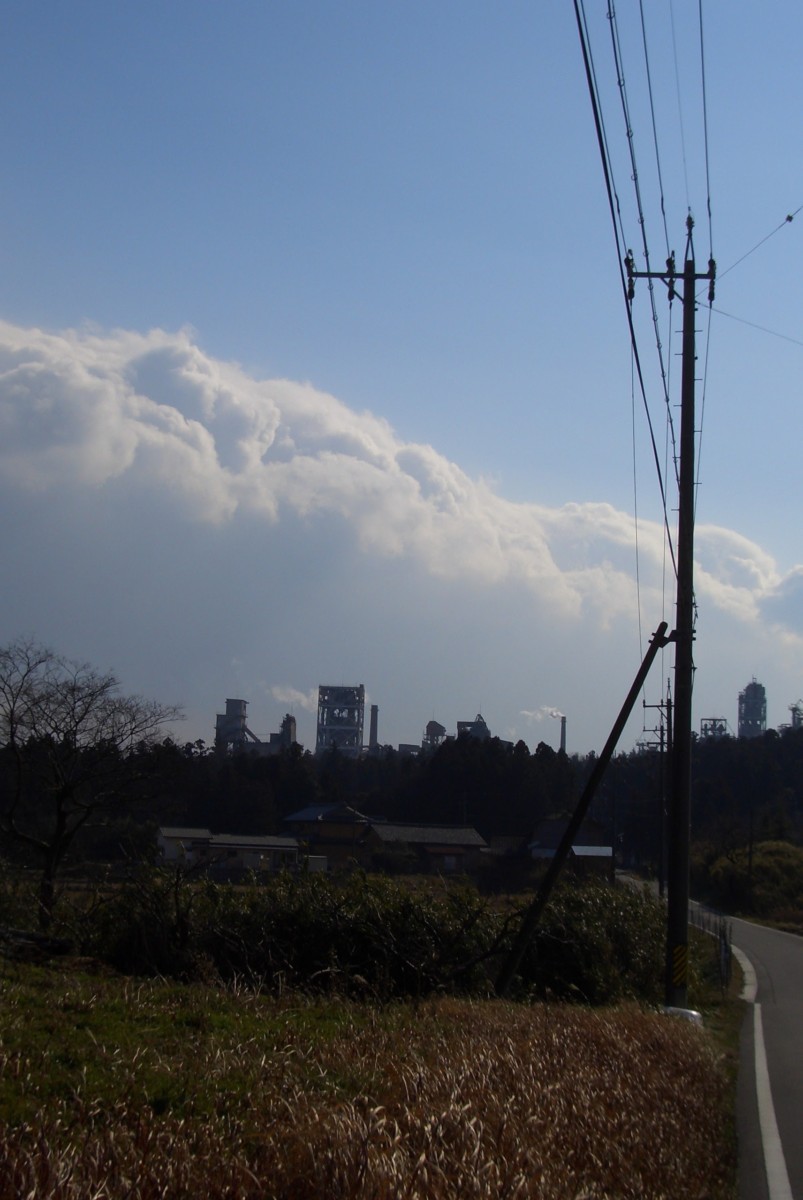
In reality, I remember cement factories. Lots of them. Oh and lots of giant cement trucks thundering past me as I plodded along on narrow pavement-less rural roads.
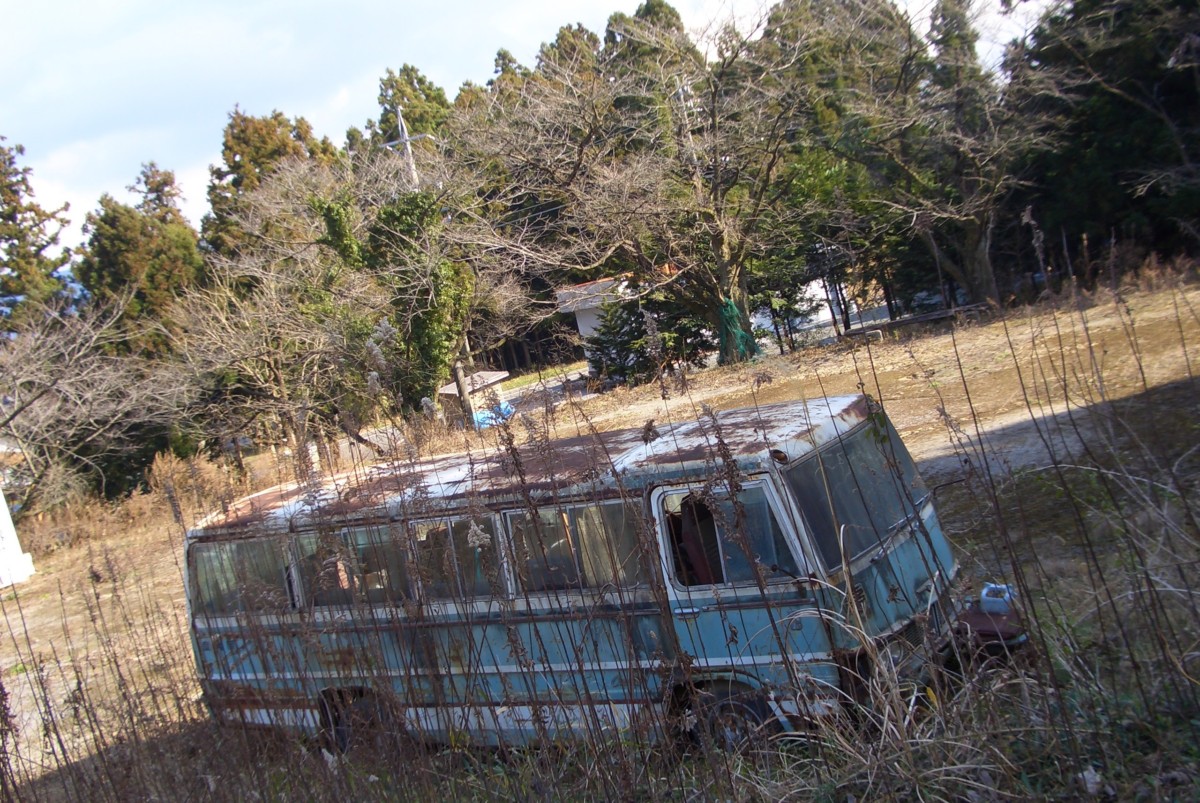
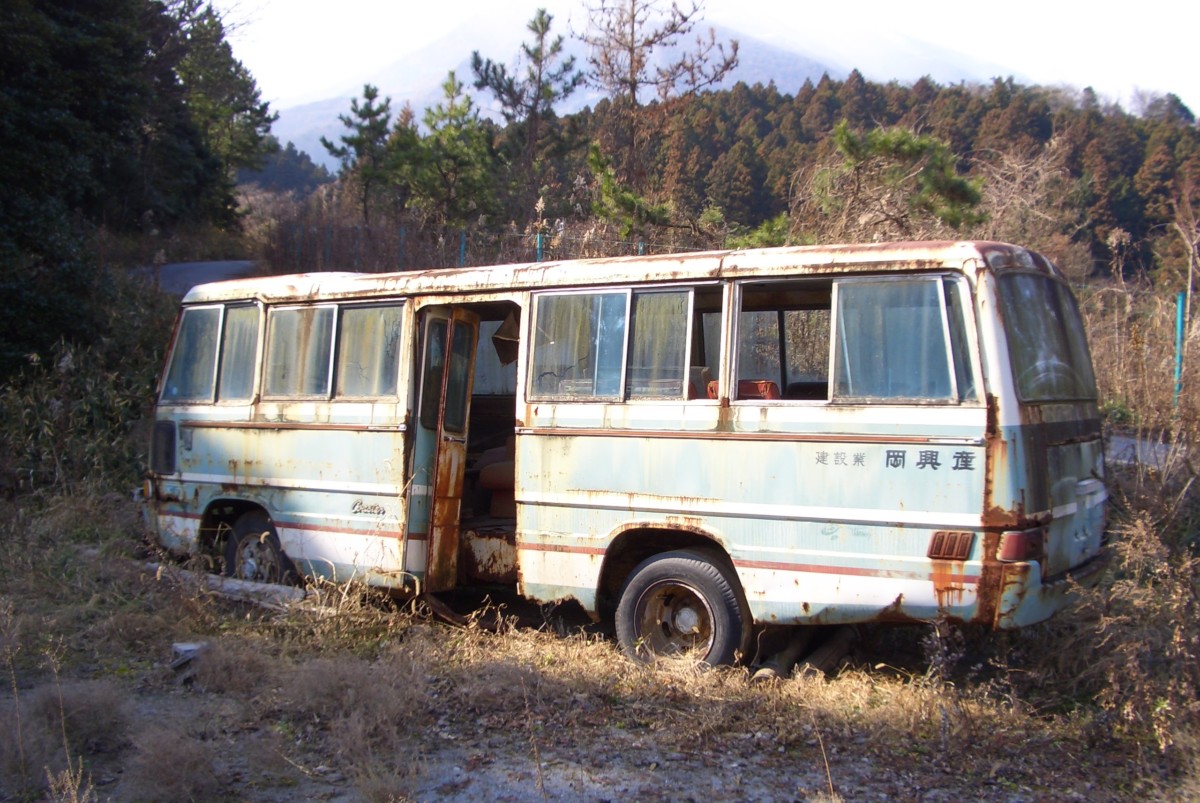
I also remember finally reaching Higashi-Fujiwara and being very entertained at the state of the building:
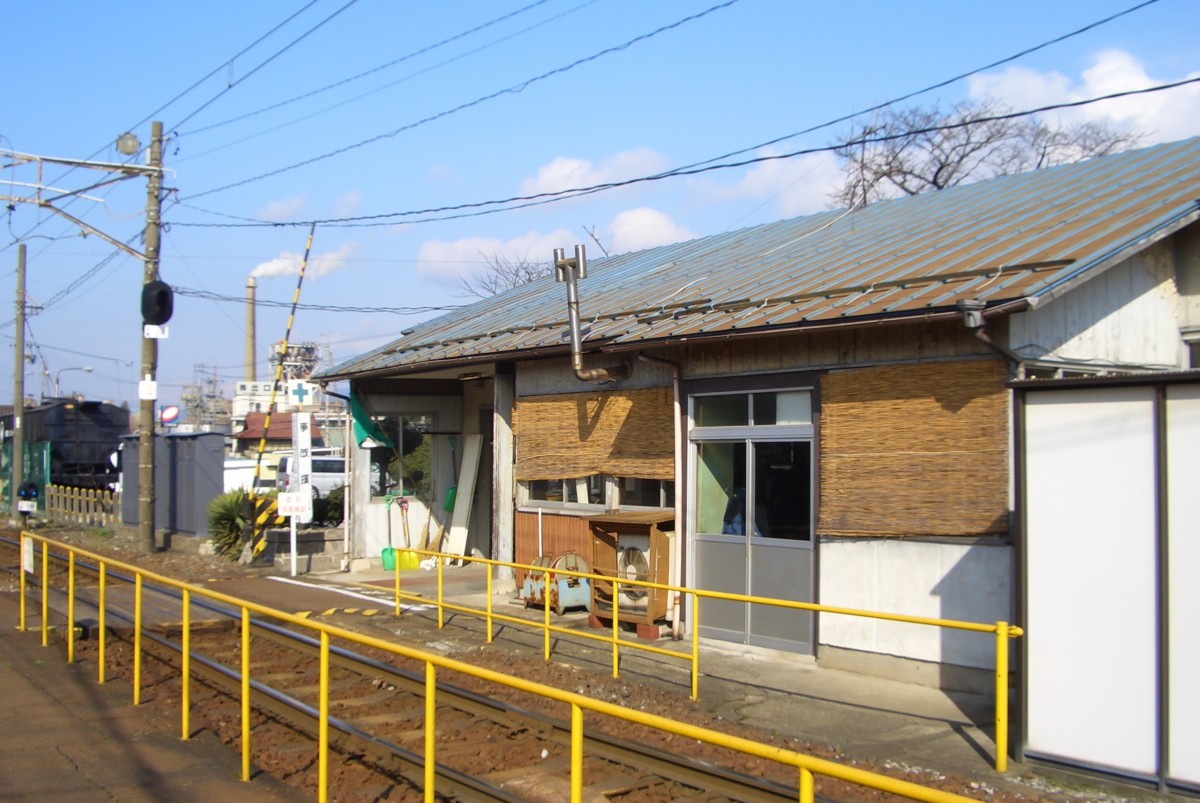
Nowadays, you would literally not recognize the place.
FUJIS LEFT AT THE END OF JANUARY 27th, 2007: 43/59
(Glutton for punishment that I am, I went and visited two more later that day.)
 CityHillsAndSea
Leave a comment