Don’t know what a 52 Fuji is? Check out this page.
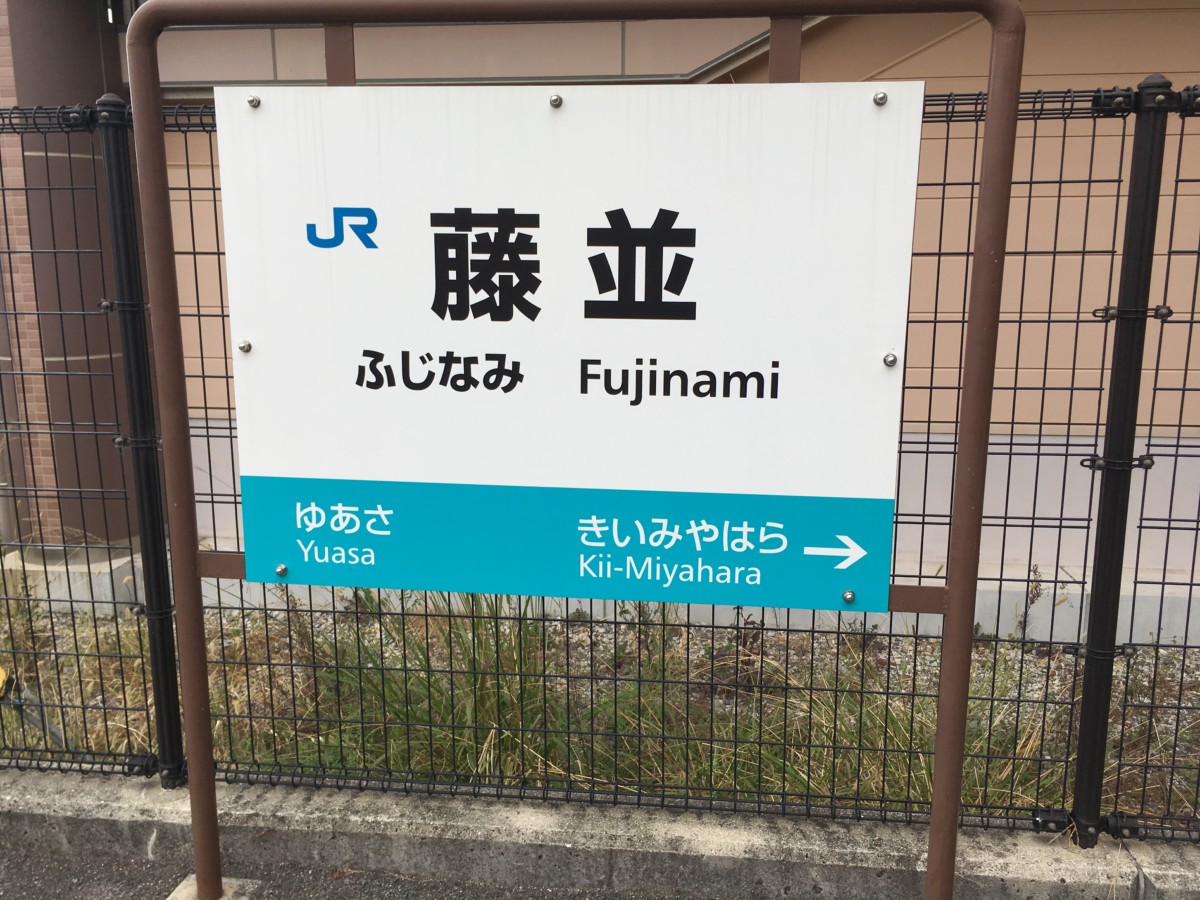
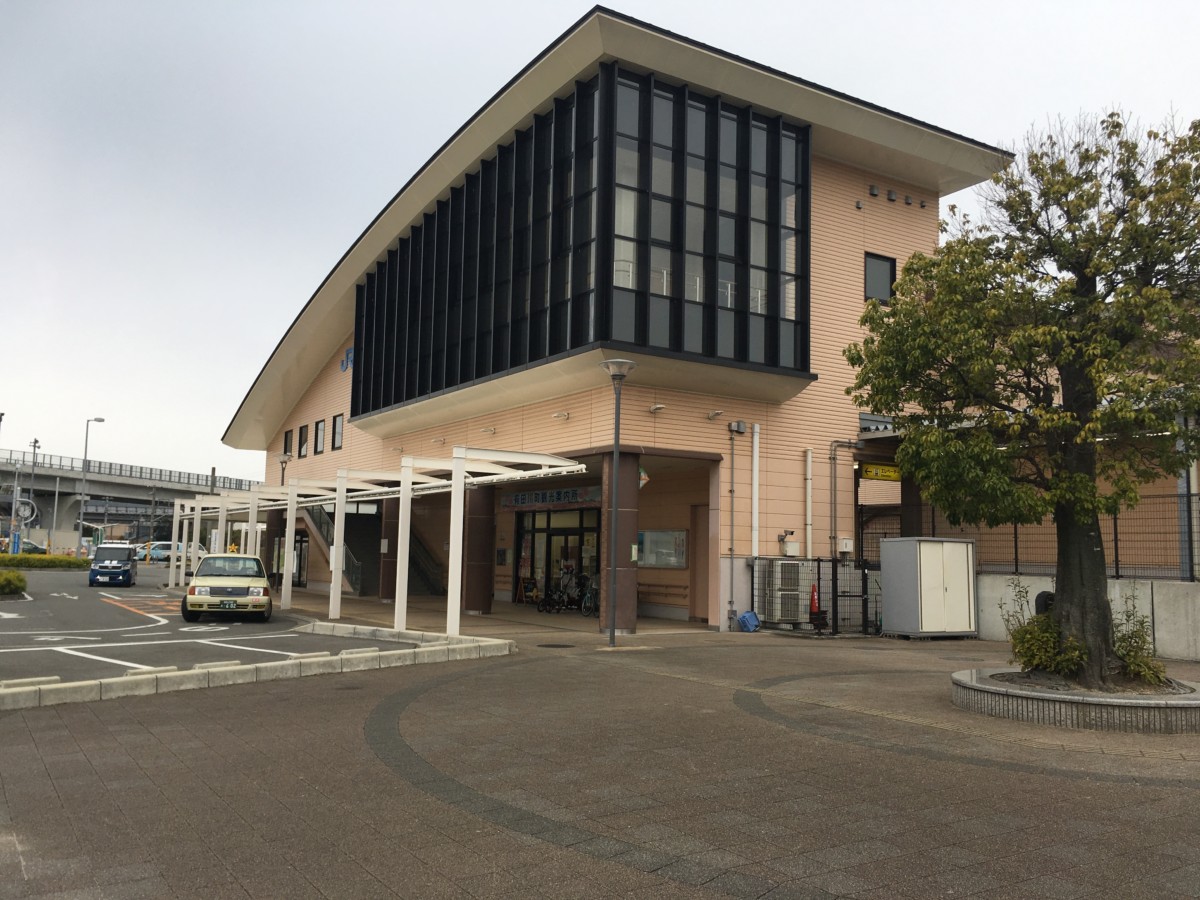
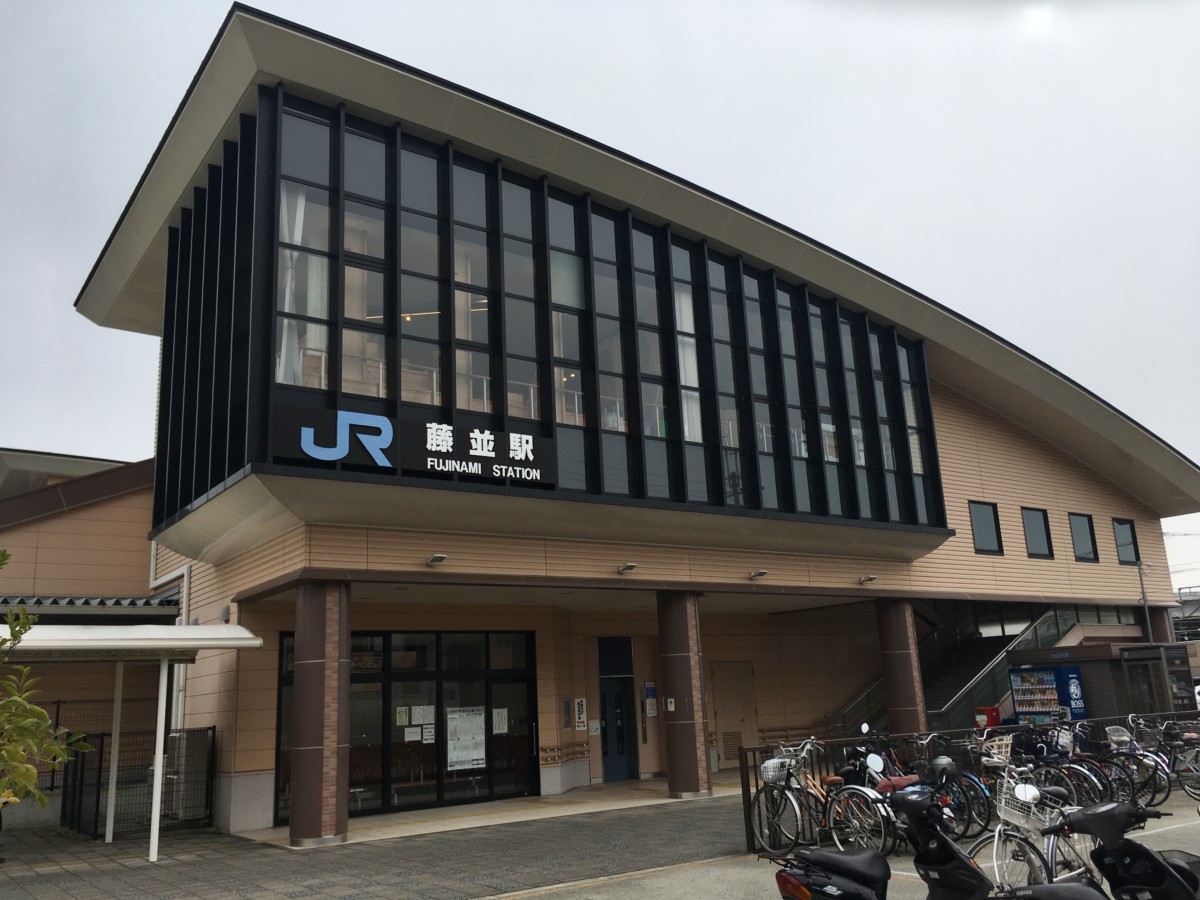
This was the second Fujinami I’d visit (the first was in Aichi) and this one was the more interesting of the two. Not that there was really much in it, if we’re being fair. I think Wakayama’s Fujinami wins because it has an art gallery in the station. Oh, and the building itself is pretty swish.
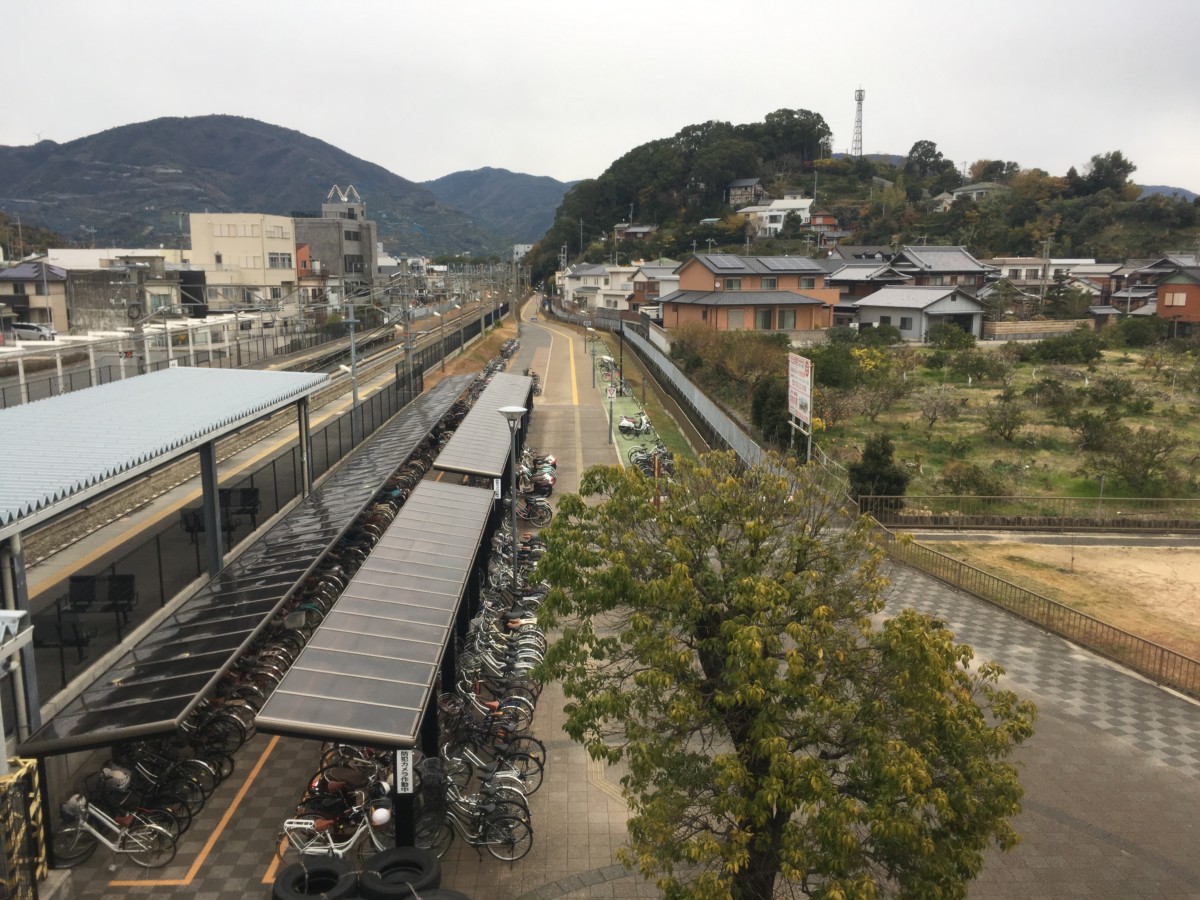
If you say that Chiba is Tokyo’s rural peninsular companion, it’s not much of a stretch to say that Wakayama fulfils a similar role for Osaka. The prefectural capital isn’t really a hive of activity, but it does have a nice reconstructed castle to visit. Fujinami itself is about 30km south of Wakayama on the Kisei main line, which winds along the western coast, plods through some industrial areas, turns back in on itself to run along the Arida river and then down into Fujinami.
The station after Fujinami is Yuasa, the birthplace of Japanese soy sauce. I feel like a trick was missed here though. After all, Fujinami rhymes with umami. Oh well.
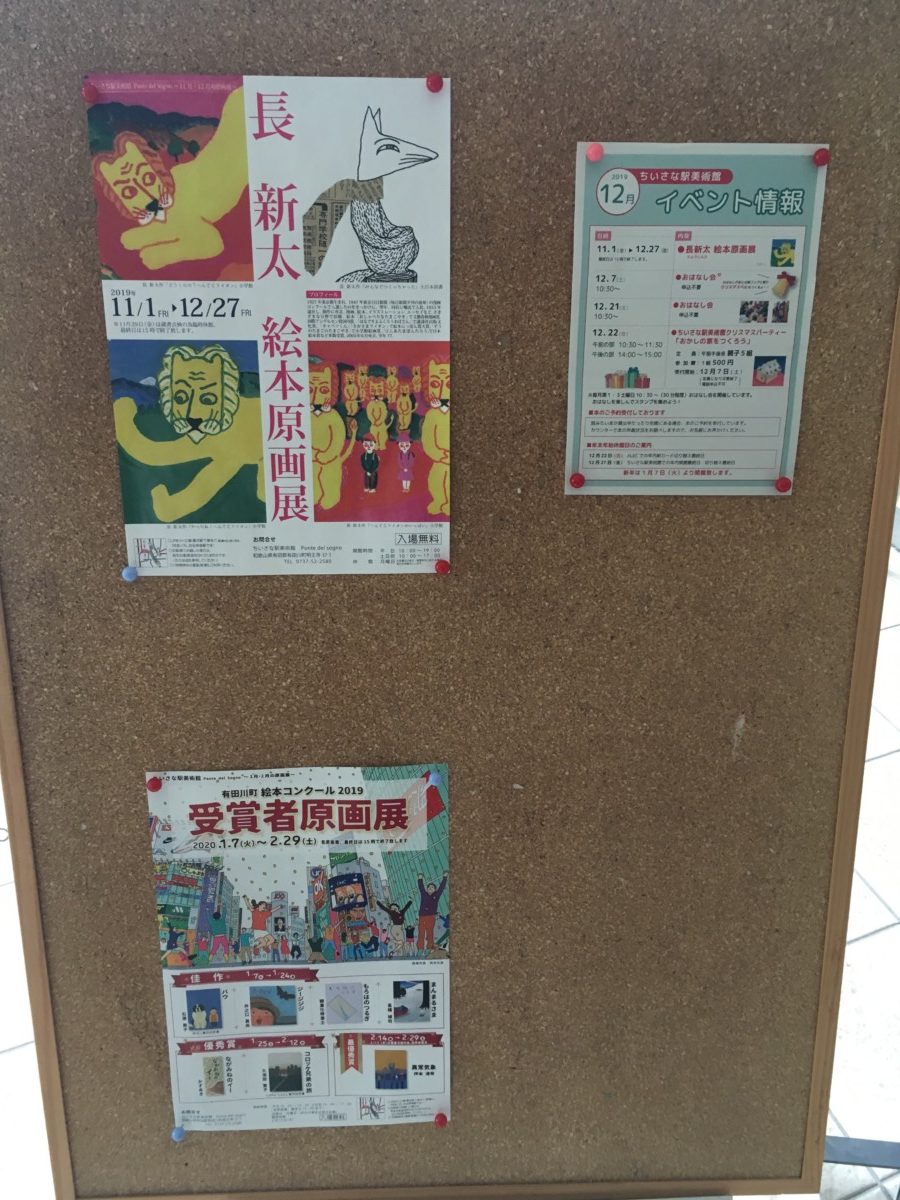
I settled for a little bit of art in Ponte del Sogno, the station art space, which turned out to be pretty funky & a lot of fun … but not much larger than an airplane bathroom. I looked around the outside of the station, had a gander at the local area map. Nothing of note within walking distance caught my eye, just as I’d anticipated before I’d set off that morning.

I could either get the next express train back the way I’d come in fifteen minutes or hang out in Fujinami for a couple of hours.
I decided that today would not be a day upon which I would wander aimlessly into Wakayama’s woods, trying to find something to do. I took the next train back to Shin-Osaka and made my way back home instead.
FUJIS LEFT AT THE END OF DECEMBER 22nd, 2019 : 20/59
 CityHillsAndSea
Leave a comment