RotW is my Railways of the Warrior project. Visiting all the Japanese train stations with Fuji in the name & the 12 castles with the original keep still standing wasn’t enough to satisfy my love of lists, so now I’m working through all the stations with Musashi in their name.
Click this link for more info.

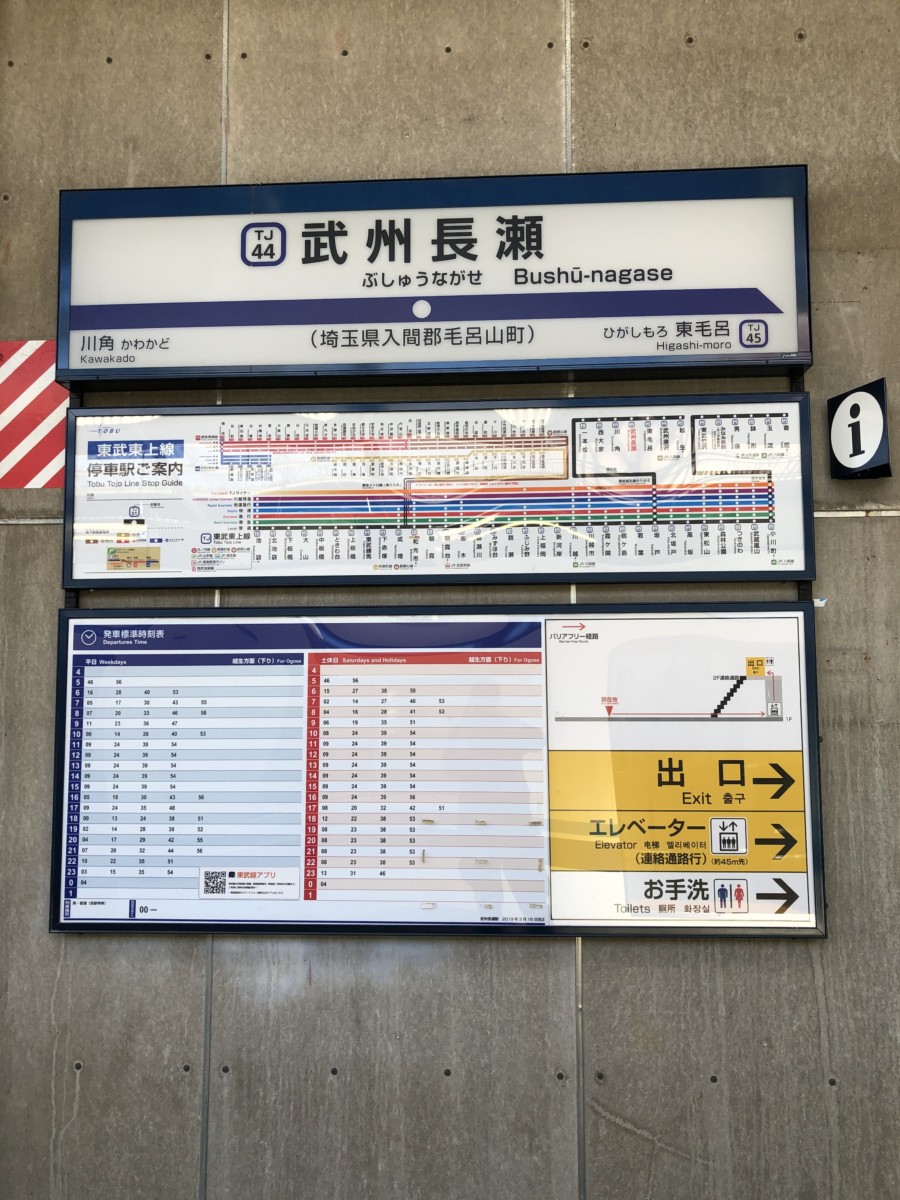
Name in kanji : 武州長瀬
Kanji meaning: long rapids
Station opened : 16th December, 1934
Trainlines: Tobu Ogose
# Passengers daily : 4,630
Distance from CityHillsAndSea HQ: 114.5 km
Located in: Moroyama, Saitama Prefecture
Things to Do
Near the station is very little whatsoever. But if you can find a bus in either direction, don’t mind walking, have access to a car, helicopter or other modern conveyance, then there’s a few places of interest you can explore.
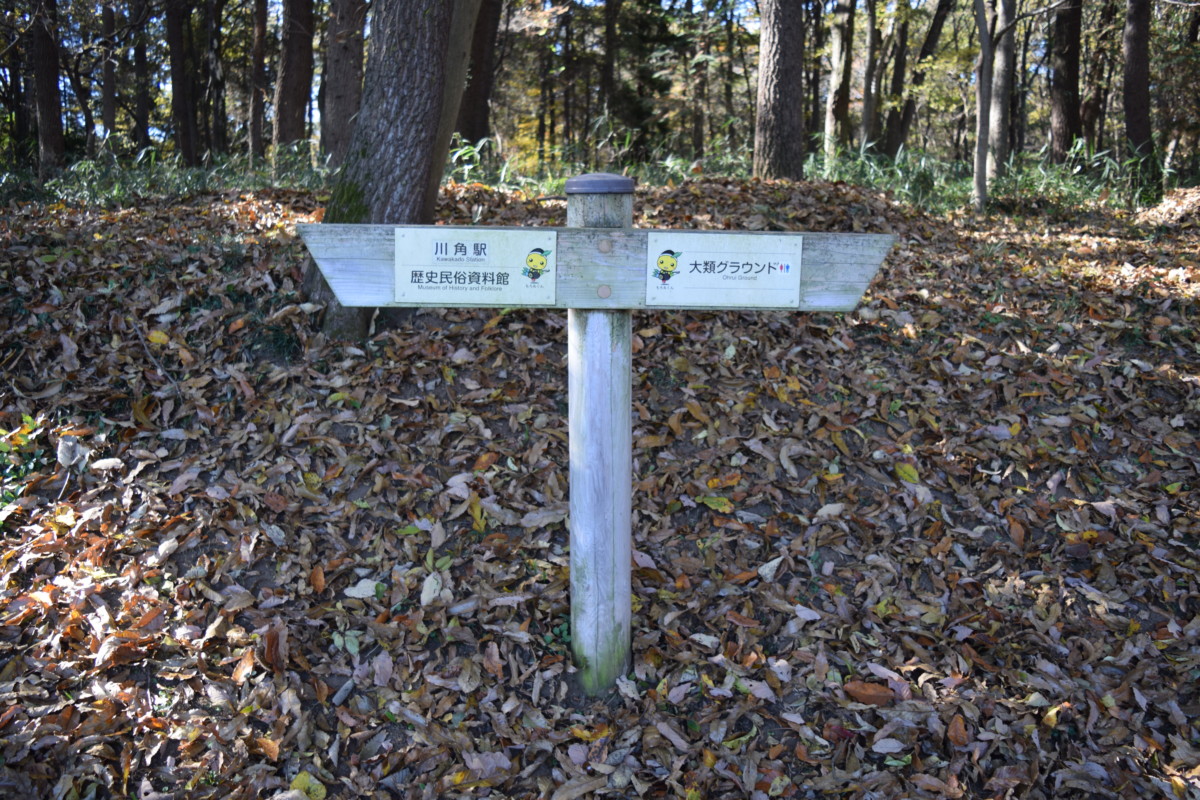
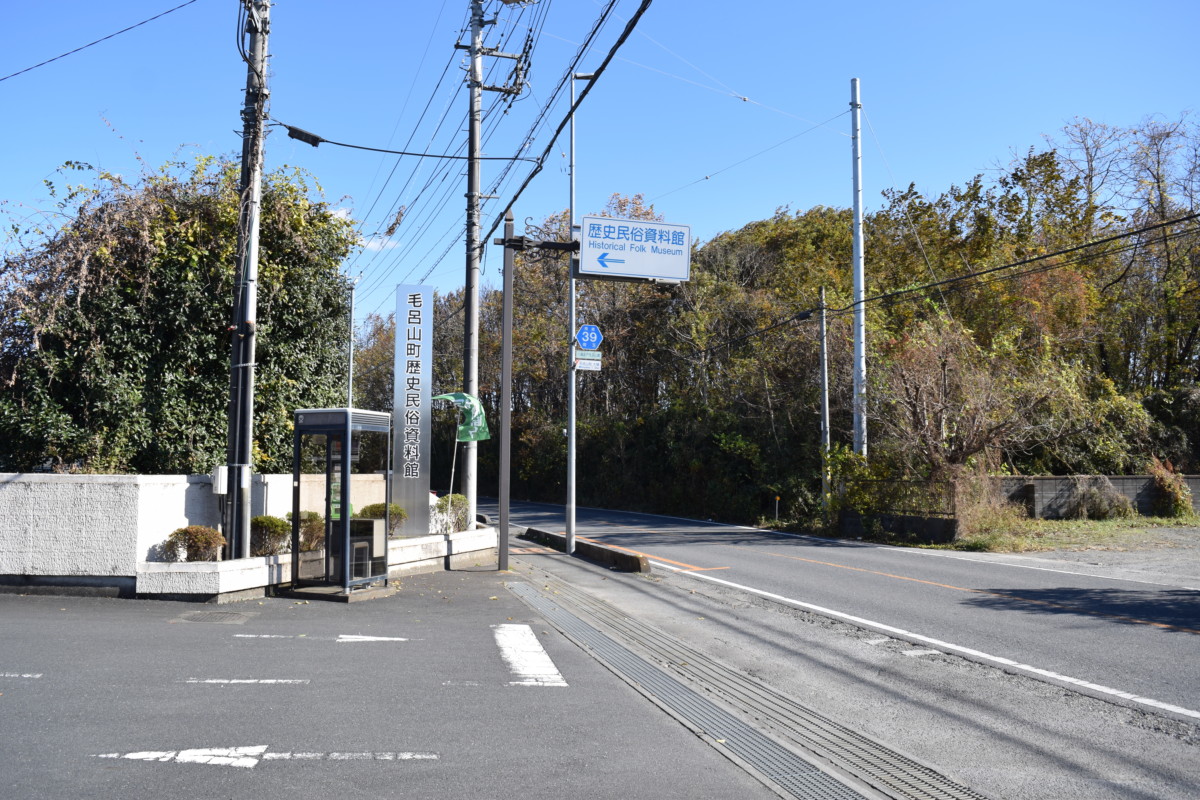
The Moroyama City museum can be found off to the north. It’s all in Japanese, but there are some cool exhibits and the walk out there is pleasant enough.
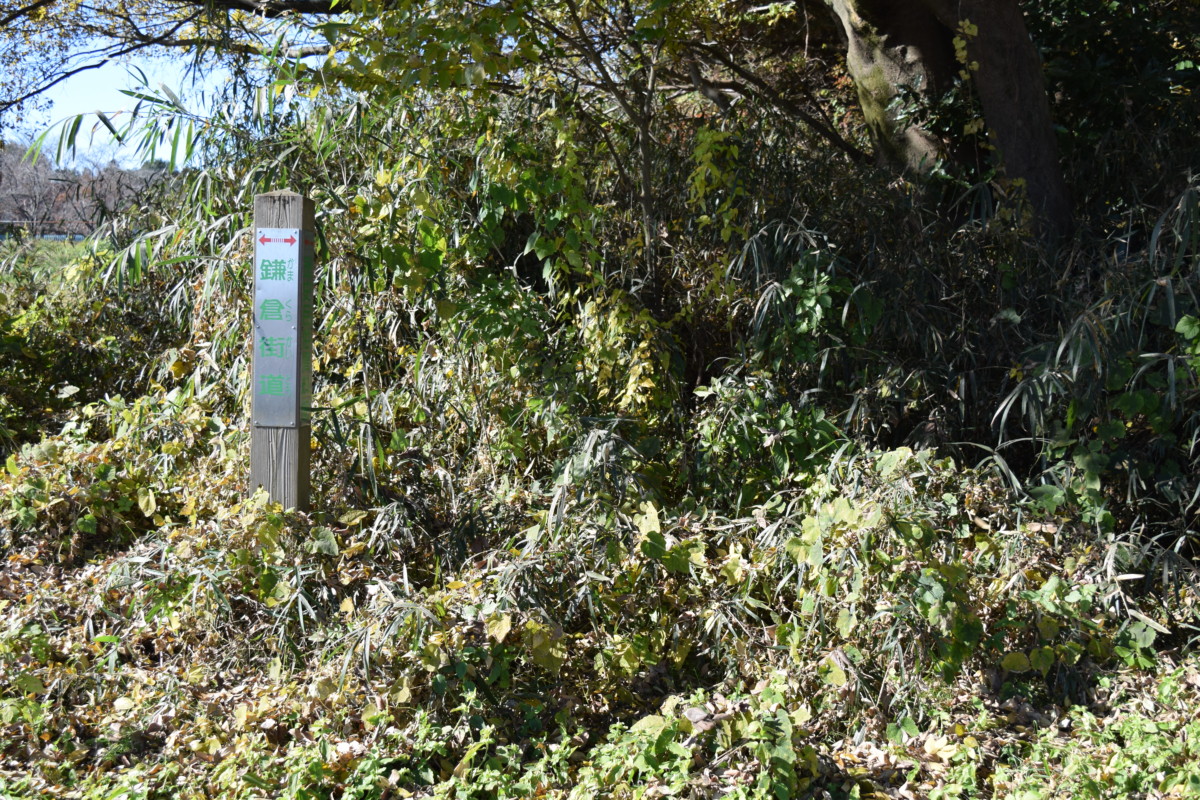
Next to the museum, you can find part of the old Kamakura Kaido, one of Japan’s busiest thoroughfares in centuries past.
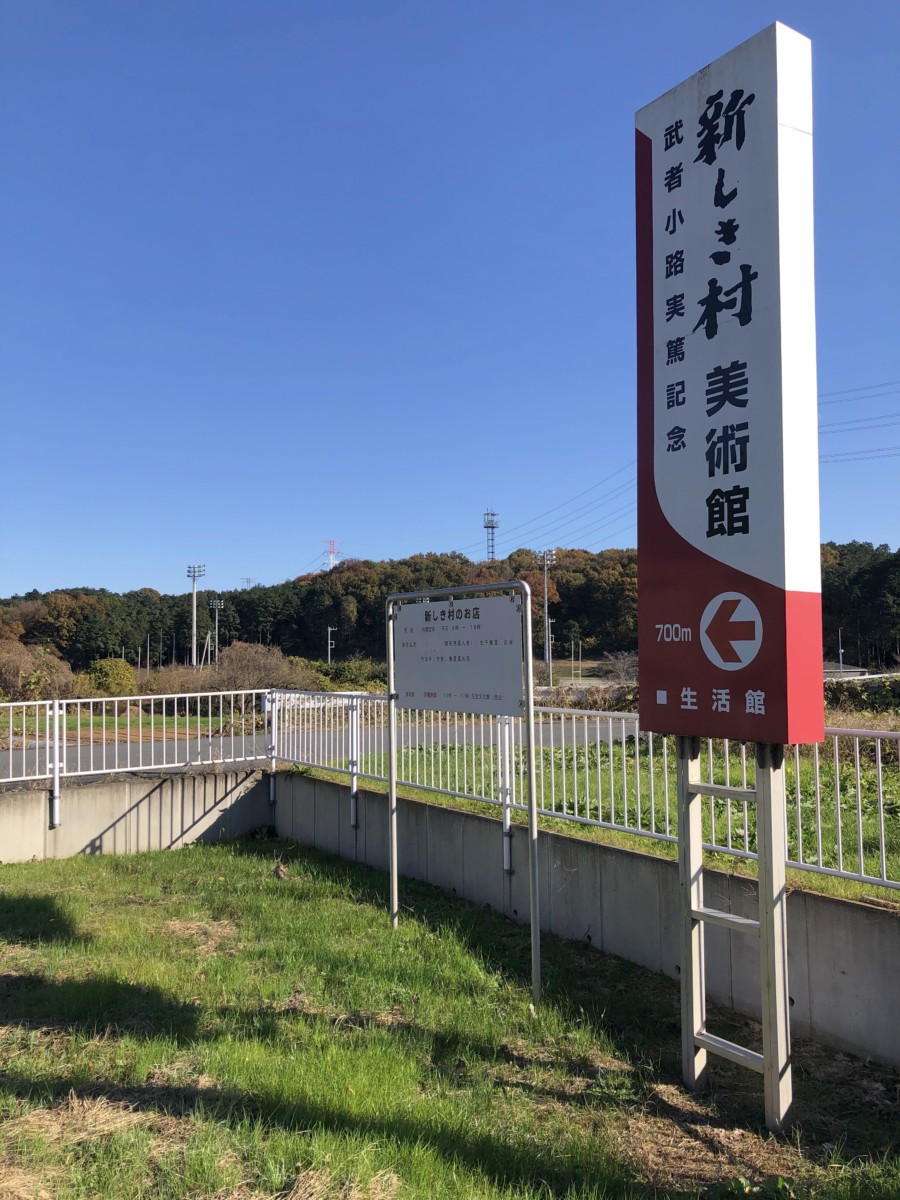
On the opposite side of town, to the south, there’s something particularly unique: Atarashiki-mura, ( that link is to English wikipedia, the official site is here) an intentional community originally founded by the Japanese writer Saneatsu Mushanokoji in Gunma, in 1918 – it moved to this part of Saitama in 1939.
Within that commune, you can find a little museum to Mushanokoji Saneatsu. He was quite the fan of painting pumpkins, shared my birthday & moved on from this mortal coil a couple of years before I joined it, so it’s entirely possible I am his reincarnation.
Inexplicably, however, I do not like painting any root vegetables.
All About Bushu Nagase Station
Bushu-Nagase is part of Moroyama city, on the Tobu Ogose line, out towards the north-west of Saitama where Chichibu begins. Moroyama’s a bit like the last hurrah for urban sprawl; the buildings and the people are trying but I guess their hearts aren’t really in it. Moro station, just up the road, is on the other side of the mountains whose trails criss-cross the area north of Musashi-Yokote: past that, it’s hills and greenery and riversides all over the place.
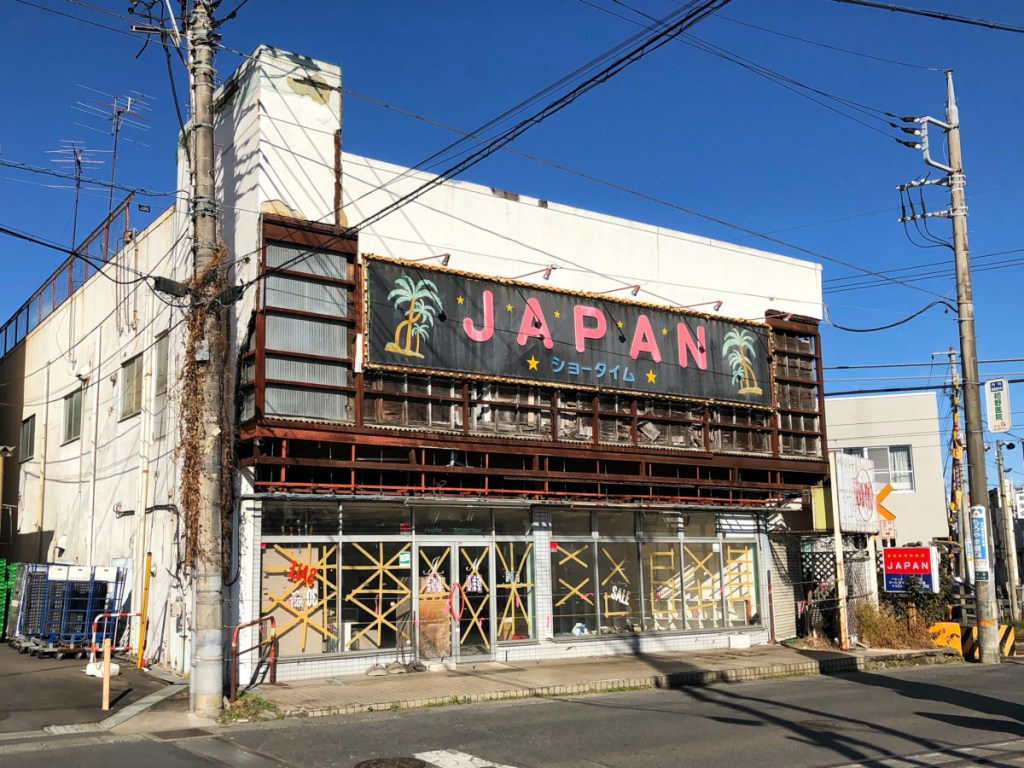
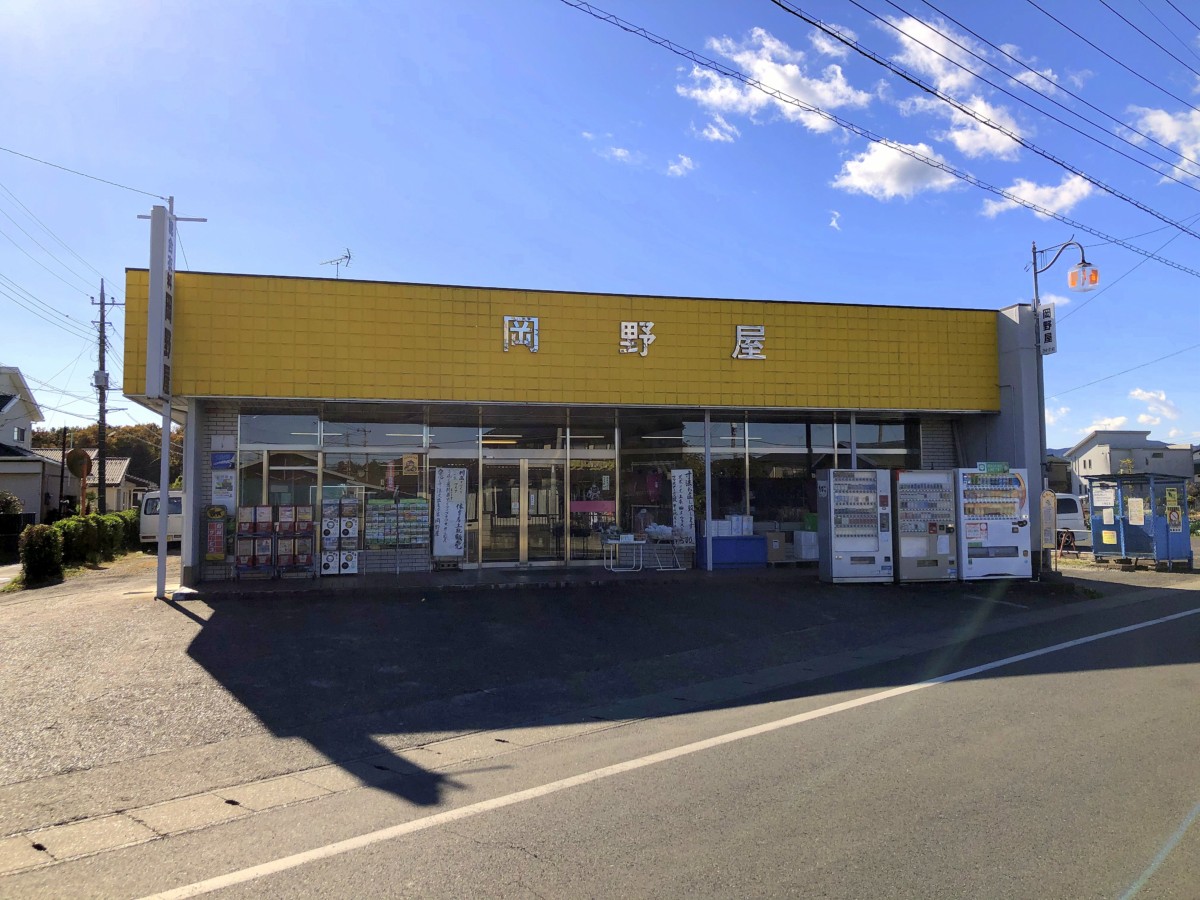
It has that sleepy, rundown vibe of a rural town with better days behind it:
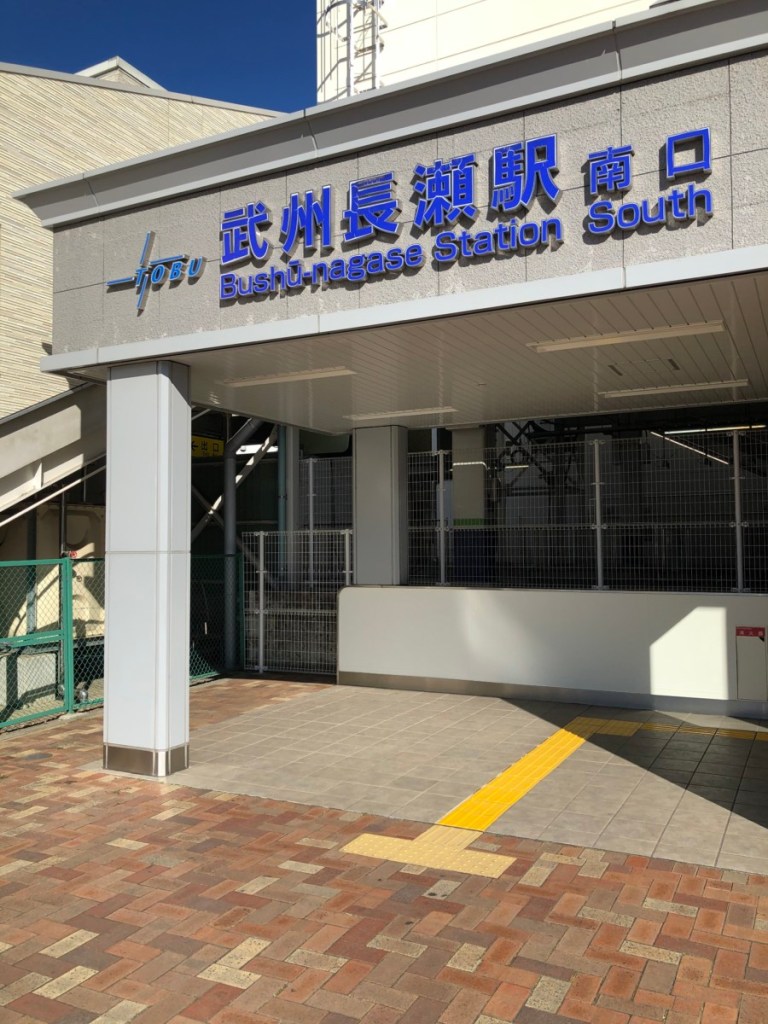
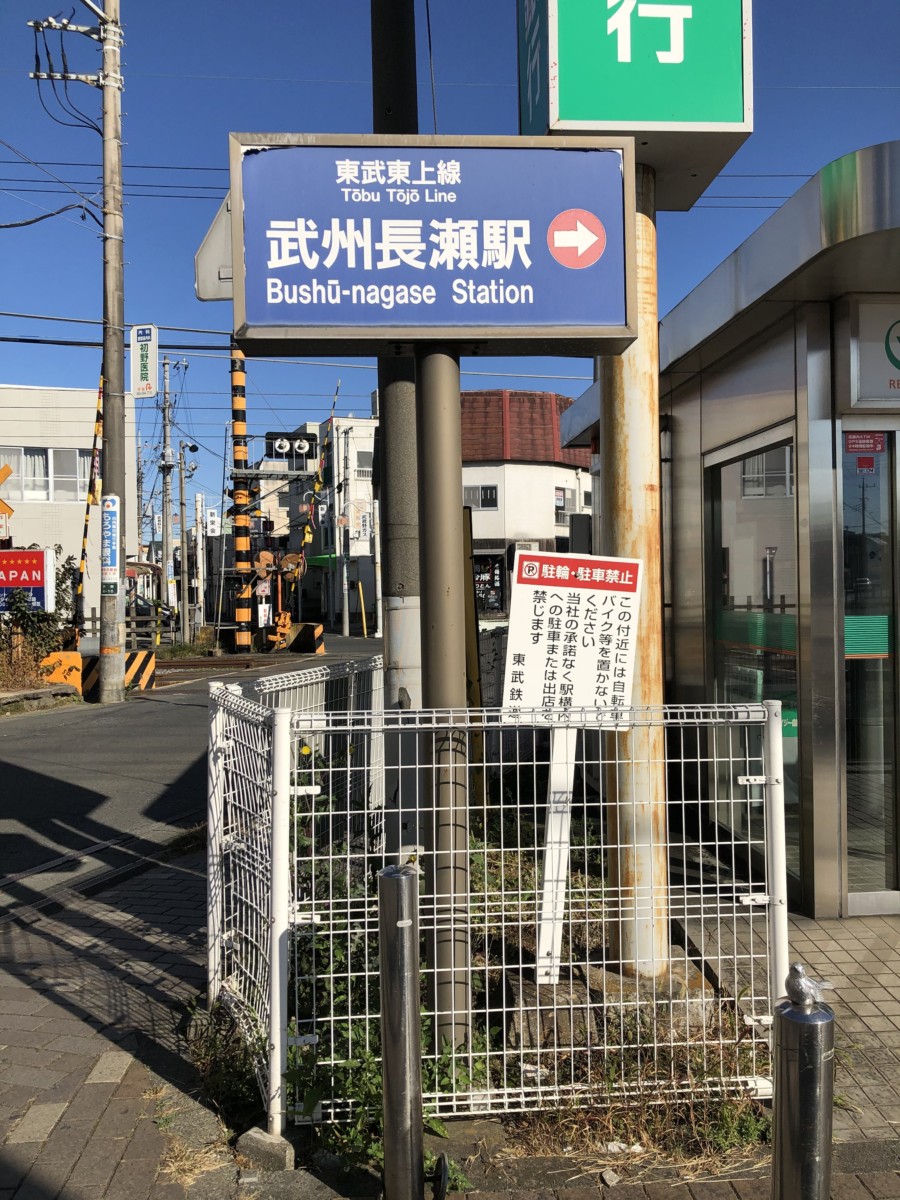
Mind you, the station has clearly recently been upgraded :
… and there was a new pachinko place opening for business the morning I was there, so maybe things are looking up.
On the north side of the station, about 2km out of town, is the Moroyama City museum. It’s a little rundown but has a great deal of local artifacts, displays and things to read. You know, as museums typically do.
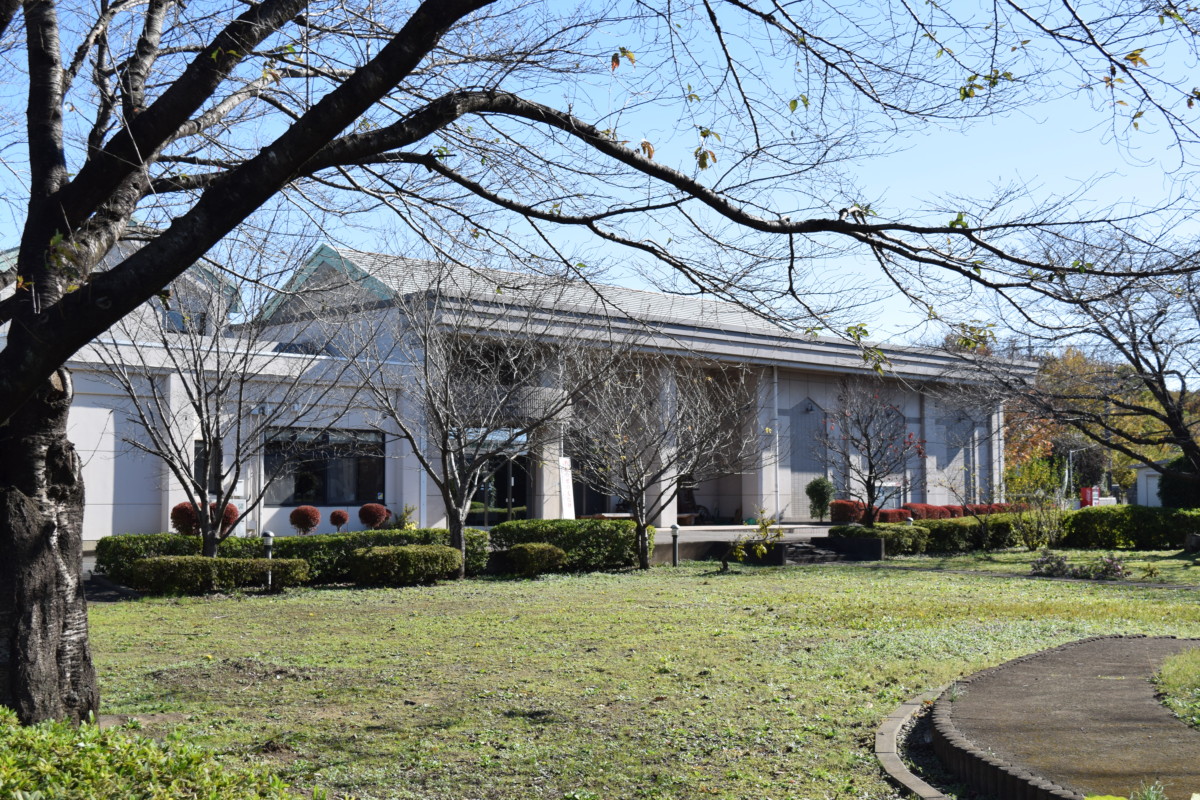
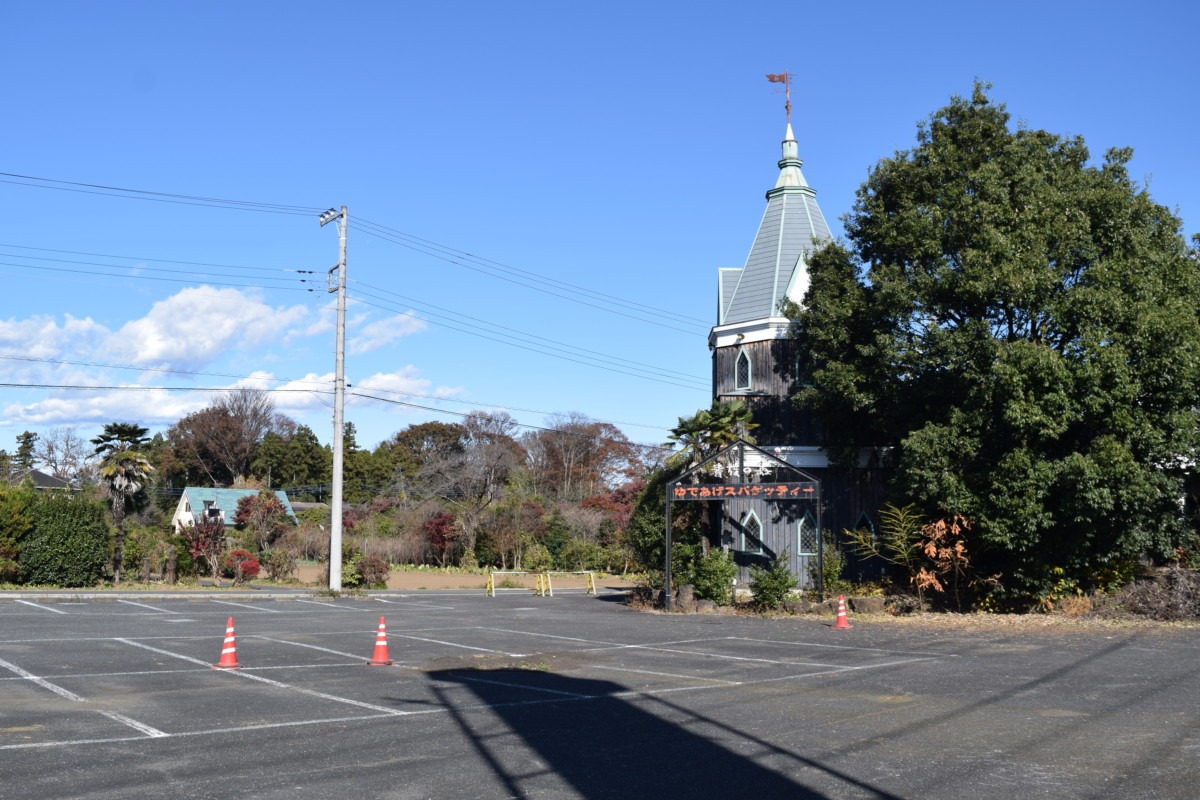
The most unusual discovery in the museum was that the church I’d passed on my way there had probably been there for quite some time – one of the area’s former residents, in the early years of the twentieth century, was a Christian missionary by the name of Elizabeth Flora Upton. The museum have a pair of her glasses on display amongst other things, and it made me wonder who decides just which objects have historic merit.
At the end of the day, it’s likely all about the optics, isn’t it?
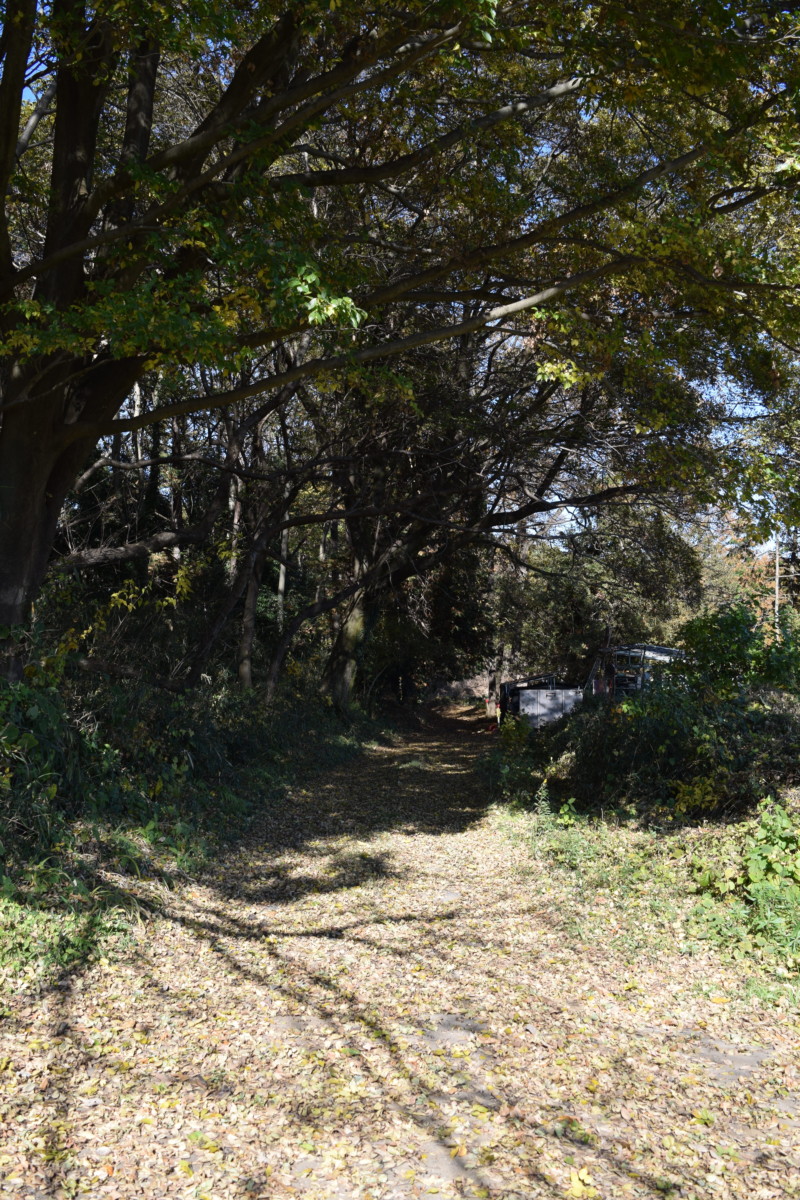
On the other side of town, another early twentieth century addition to the area, Atarashiki mura, sits at the end of a non-descript road that leads away from the main road, past a metalworks, over a railway crossing, and into the village. It’s a commune where everybody works together, pooling their resources and receiving a stipend & housing, medical care and other benefits, in return.
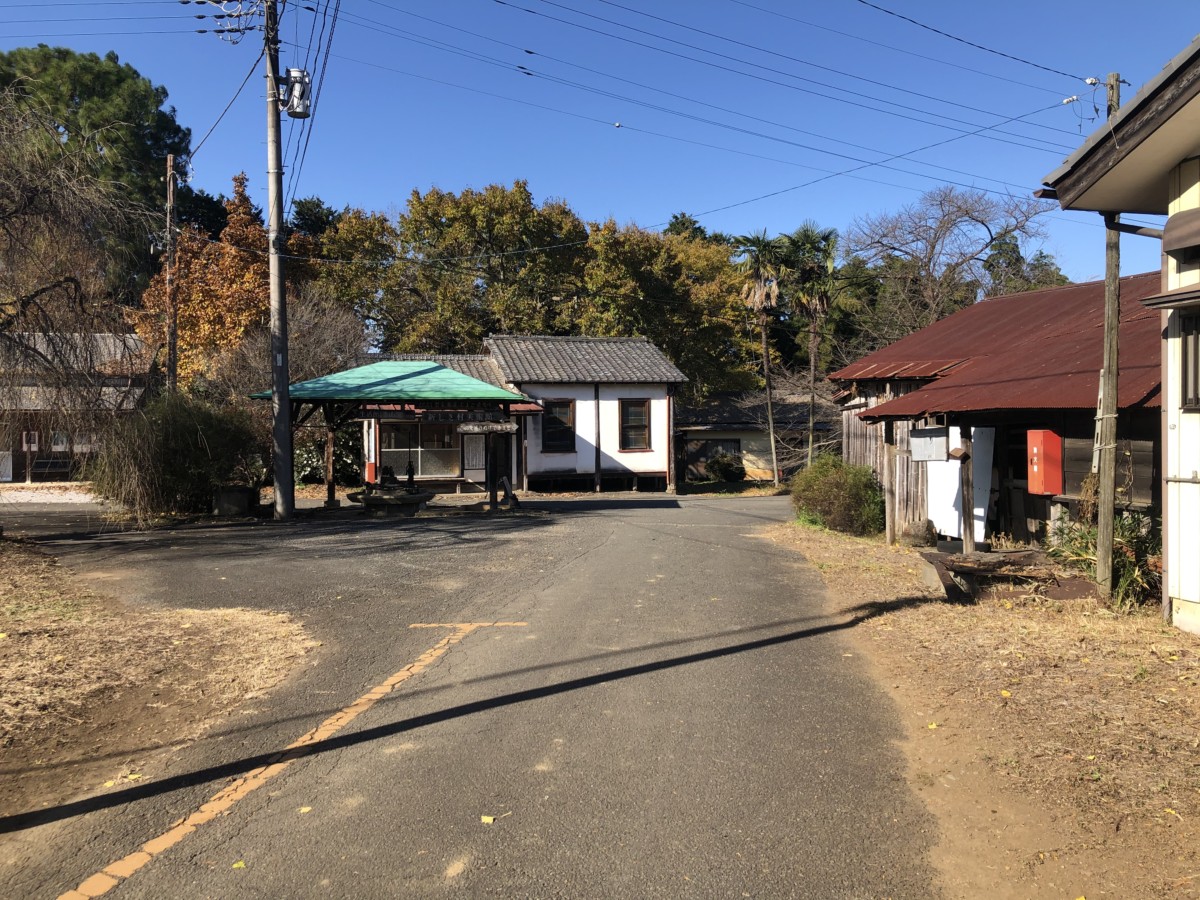
I wasn’t sure if I was in the right place – the place seemed deserted, although the roadside hedges and trees were well-kept. I figured I’d keep on going until I got to the museum to my former self. It was here I encountered my first sign of life: an older gentleman sat behind some glass at the entrance asked me for some cash. (To enter the museum, he wasn’t panhandling.)
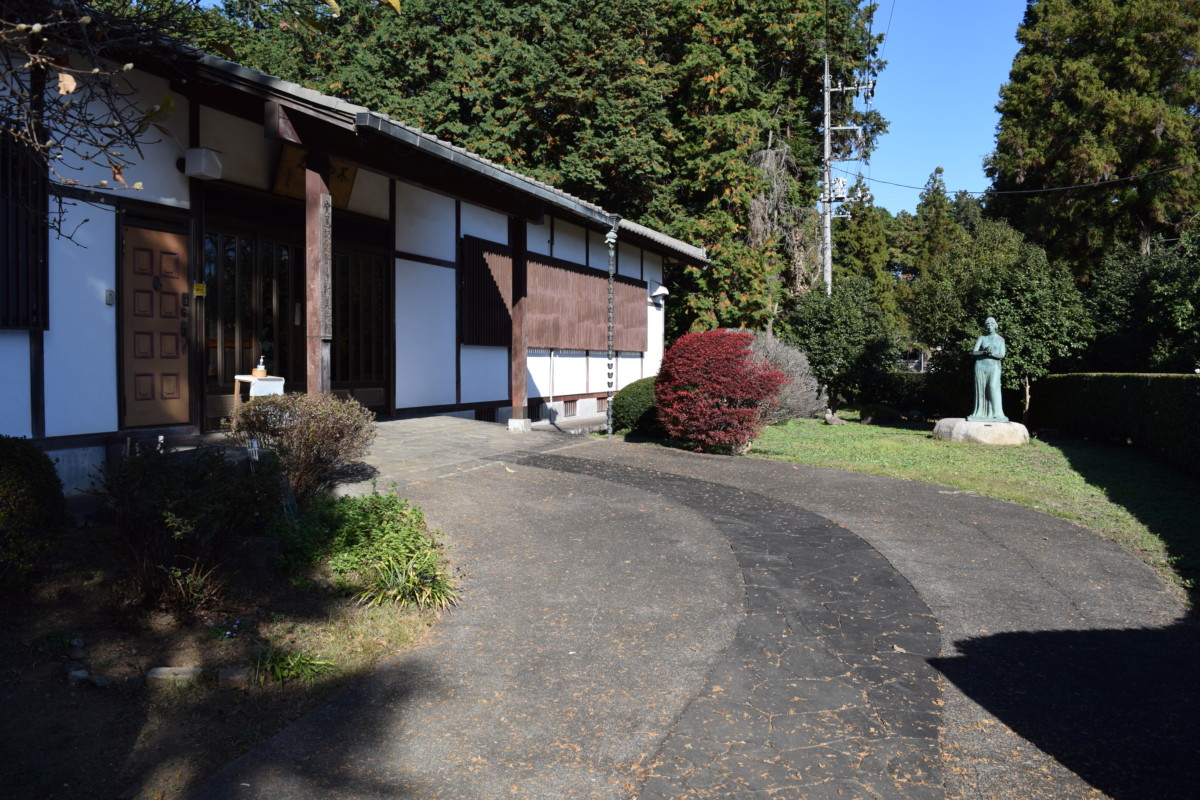
Some more residents showed up to talk with him as I was wandering, and wondering, about the exhibits. It sounded like a discussion about how far it would be prudent to travel in order to purchase a fridge. You know, that old chestnut.
I didn’t spend long in the museum – it’s not terribly big and Saneatsu’s artwork isn’t really my cup of pumpkin soup – so I can’t tell you if they ever resolved the refrigerator dilemma.
I can tell you that there’s a farm shop somewhere in the village though and I’ve been told they have great eggs.
Station Rating
There were things to do; they weren’t terribly exciting but they were of interest. I wouldn’t really say that Bushu Nagase should ever be on a list of funky places to visit, but it has got a charm all of its own.
Bushu Nagase Station Gallery

 CityHillsAndSea
Leave a comment