RotW is my Railways of the Warrior project. Visiting all the Japanese train stations with Fuji in the name & the 12 castles with the original keep still standing wasn’t enough to satisfy my love of lists, so now I’m working through all the stations with Musashi in their name.
Click this link for more info.

Name in kanji : 武蔵溝ノ口
Kanji meaning: drain mouth
Station opened : March 9th 1927
Trainlines: JR Nambu
# Passengers daily : 81,000
Distance from CityHillsAndSea HQ: 49 km
Located in: Takatsu ward, Kawasaki, Kanagawa
Things to Do
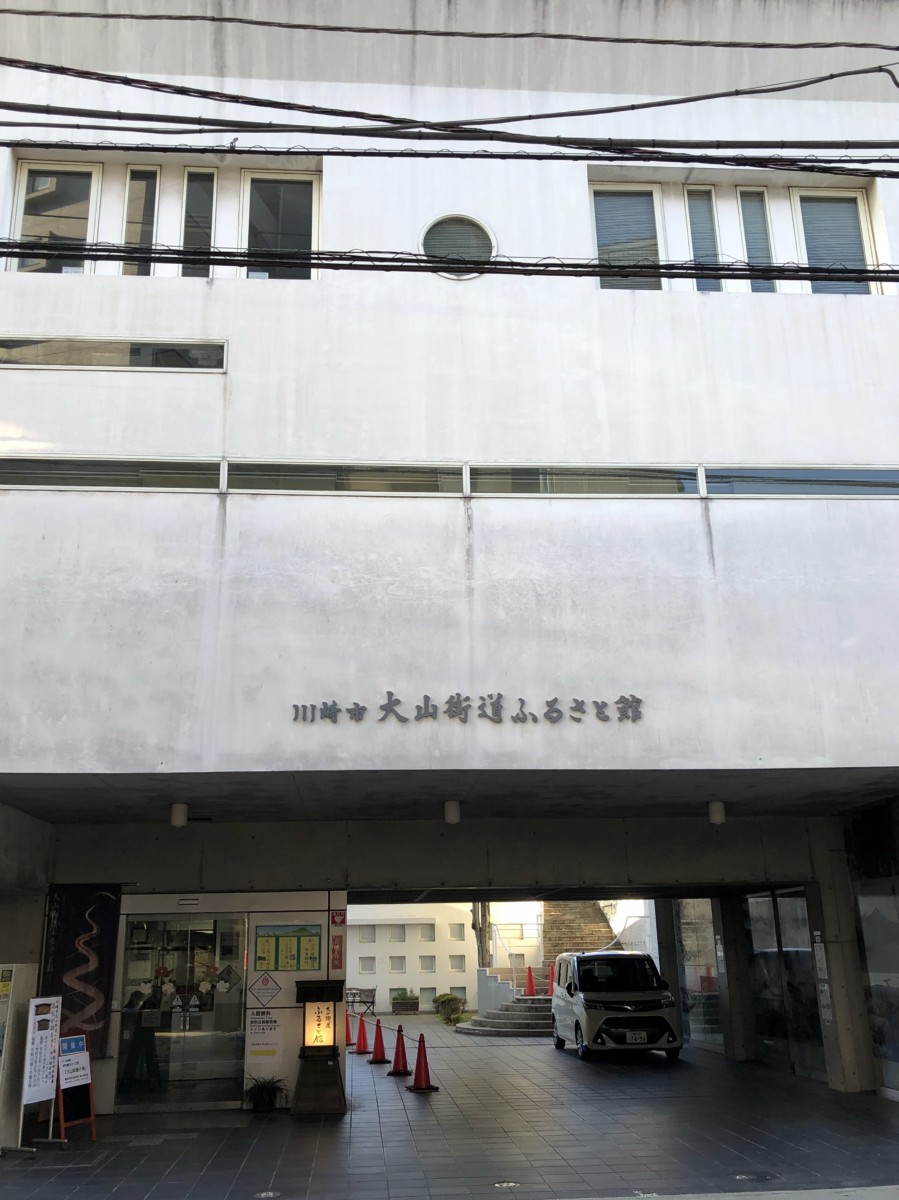
There’s a couple of odd little tourist attractions in Mizonokuchi that are near the station. Closest of these is the Oyama Kaido museum (English leaflet here), a place where you can learn more about the role of Mizonokuchi on one of Japan’s older thoroughfares which linked Akasaka (in what is now Tokyo) to the popular pilgrimage destination, Oyama, Kanagawa’s holiest of mountains.
Great views up there to help with your spiritual pursuits:
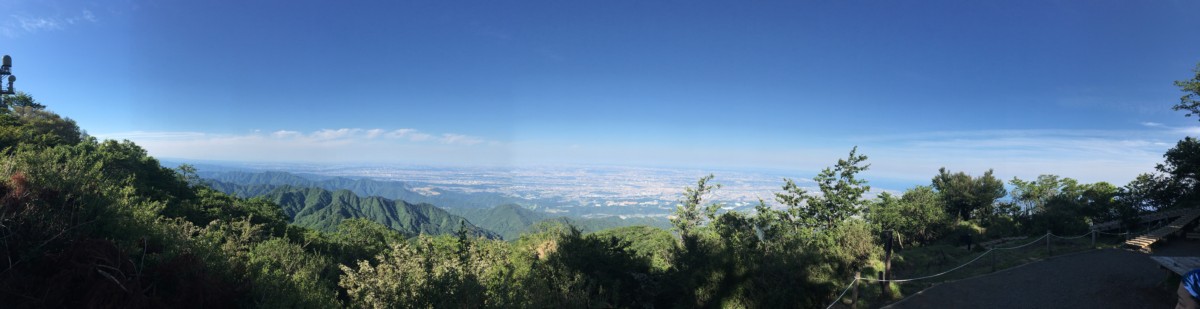
The route of the Oyama kaido ran past my former address on the outskirts of Chigasaki, so I’ve been getting more interested in this ancient road over the last few months. I’m still having a think about whether that’ll ever come to anything but you know I like my lists.
Let’s head back to Mizonokuchi, though, and briefly run through its other attractions.
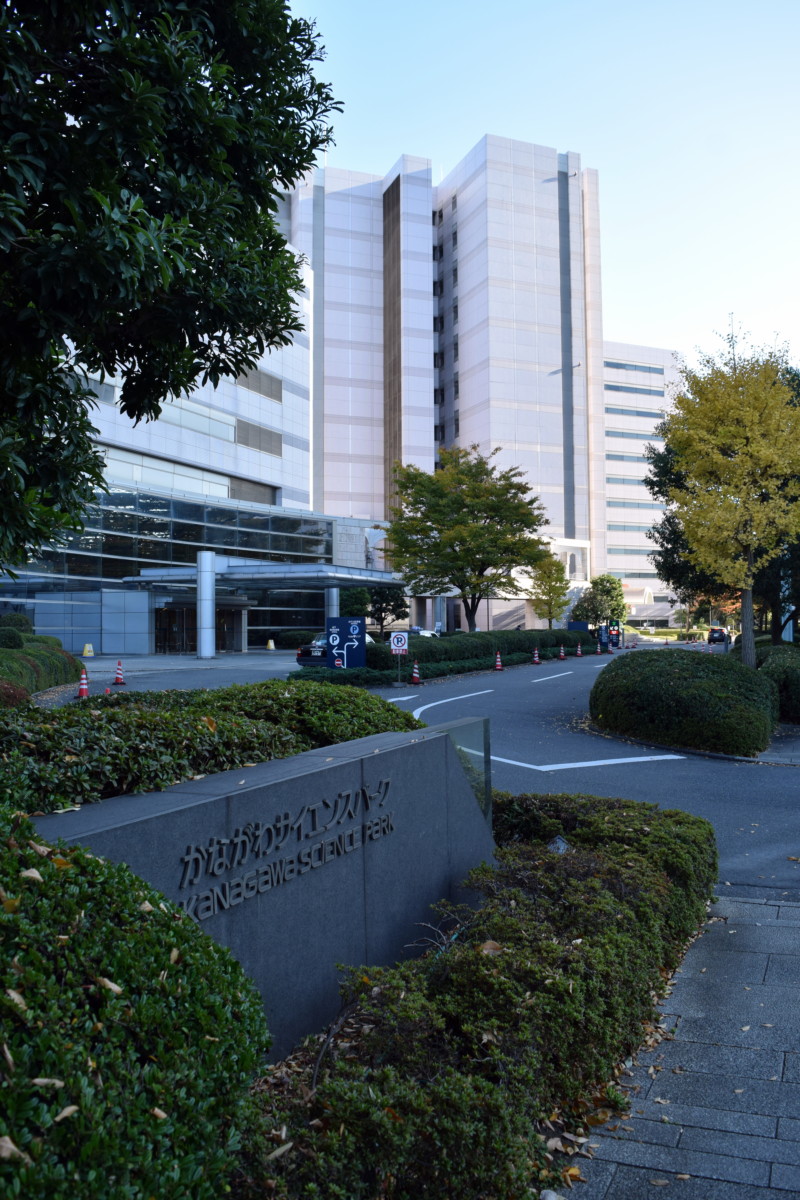
The Kanagawa Science Park is not too far from the station, but there’s not a whole lot to see there other than some average looking architecture. Unless you want to rent a lab.
In a similar sciencey vein, just around the corner from here is the Mitsutoyo Museum of Metrology – but you need to make a booking at the best of times, let alone during a pandemic, so I’m afraid I can’t tell you whether it’s worth the walk.
In keeping with unexpected places of interest, our last site is the Kuji entobunsui – the walk there goes along a lovely little waterway and is quite pretty. The destination, though, perhaps lacks inspiration. (More on that below.)
Finally, Mizonokuchi is home to a great Indian restaurant: Shaghun. Tell Shetty I sent you.
(NB: There’s no way he’ll remember me, I’ve just always wanted to say that.)
All About Musashi Mizonokuchi Station
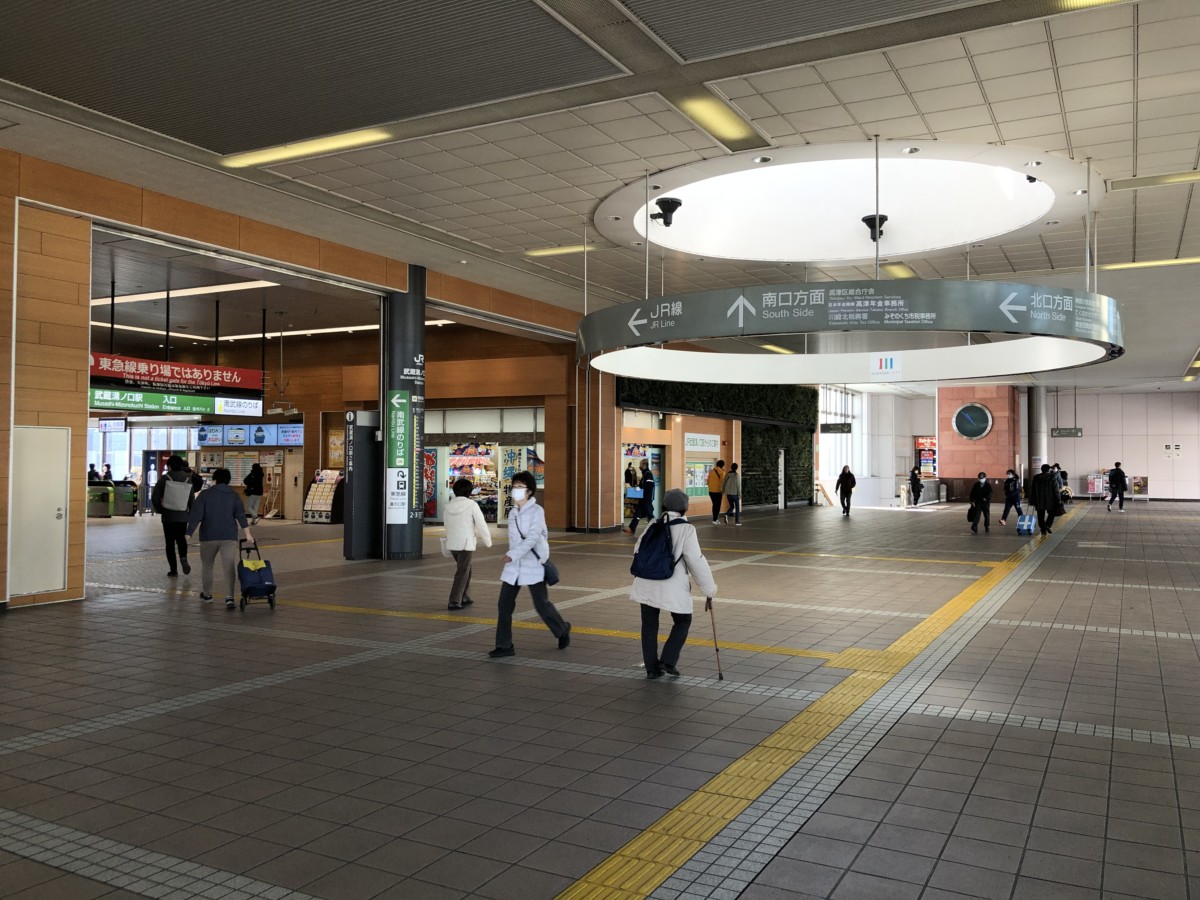
Mizonokuchi is the last of our Nambu line Musashi stations, and much like the first one – Musashi Kosugi – it’s home to a Tokyu station as well. Unlike Kosugi, however, the two stations in Mizonokuchi bear different names. Only the JR station is a Musashi.
This doesn’t really have a whole heap of bearing on our adventure. I’d walked here from Musashi-Shinjo, heading through the aforementioned Kanagawa Science Park to take some pictures of its “California-corporate-headquarters-in-a-90’s-movie” themed architecture.

After that, a wander down the backstreets to take a roundabout route into town. I wanted to at least walk past the head office of Mitutoyo, because a company having a museum dedicated to precision measurement seemed so lavishly specific. I was hoping it might look … unusual.
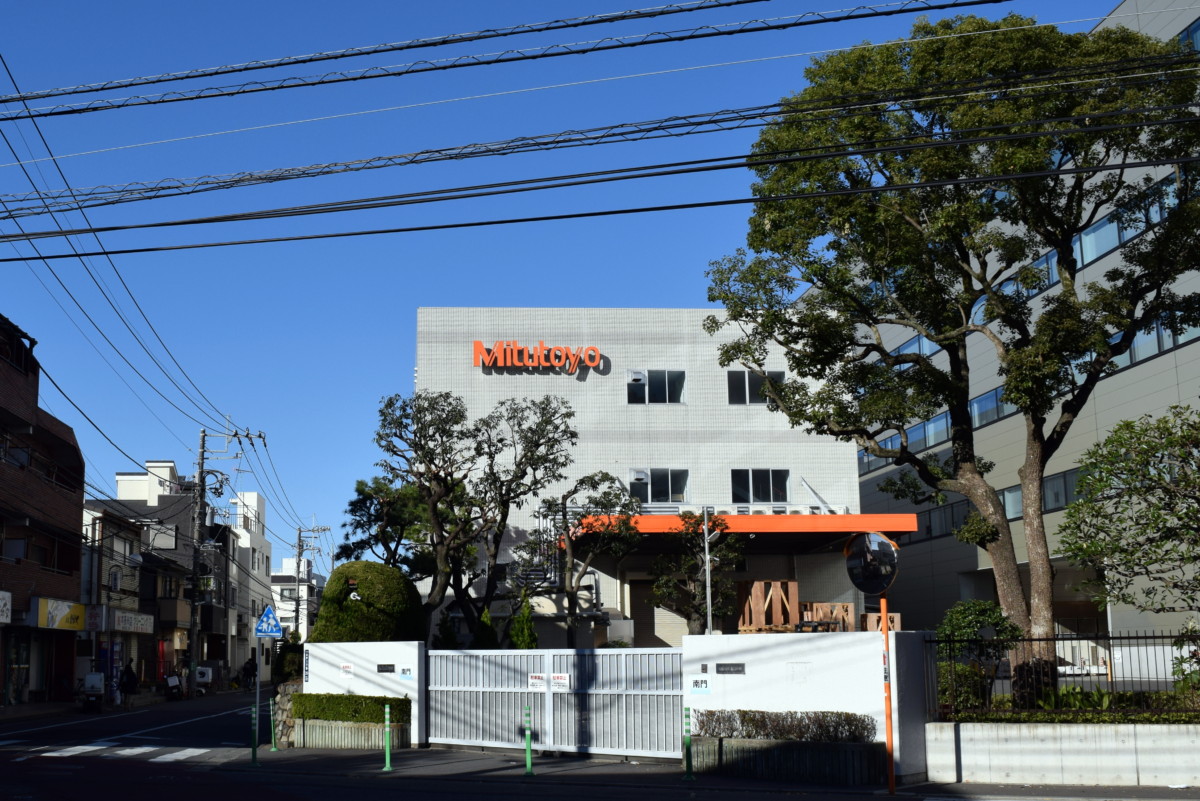
I headed on from here towards the Oyama Kaido museum. It was getting late, I’d already walked a long way so I didn’t really want to stop here. I figured I’d return at a later date… which I did, except thanks to the pandemic, it was closed.
Maybe make that a much later date then.
The real destination though was what I consider to be one of the most eccentric tourist attractions I’ve ever been to.
A watershed.
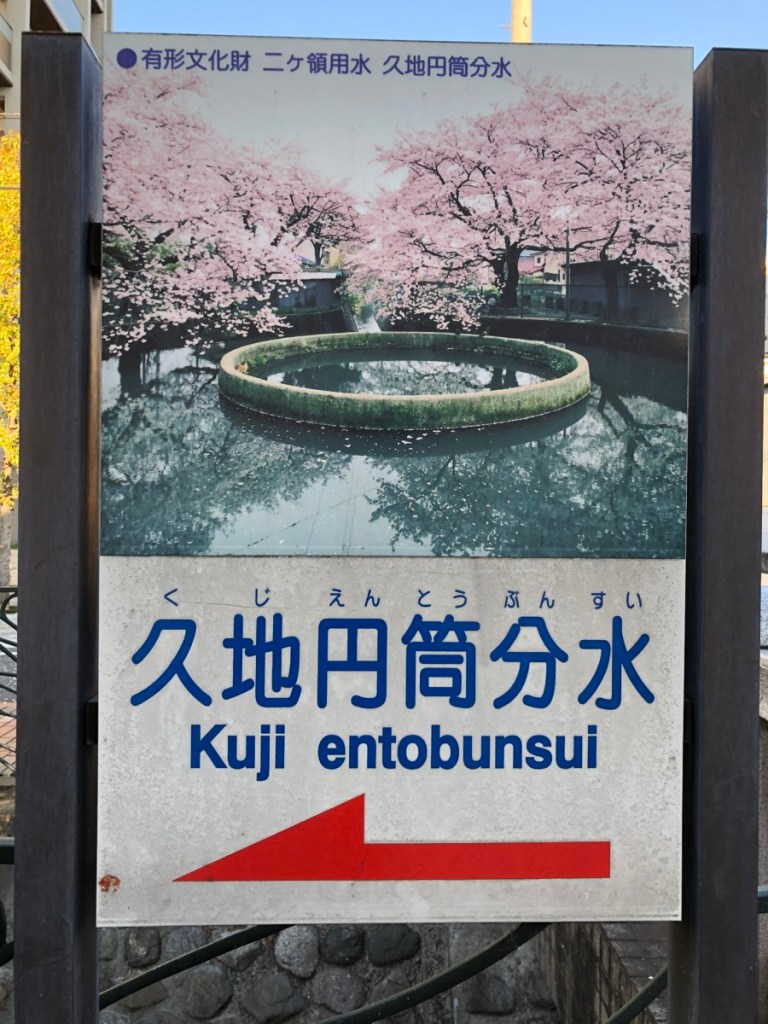
In fairness, it’s a really pleasant walk to get here and it does have substantial historical merit.
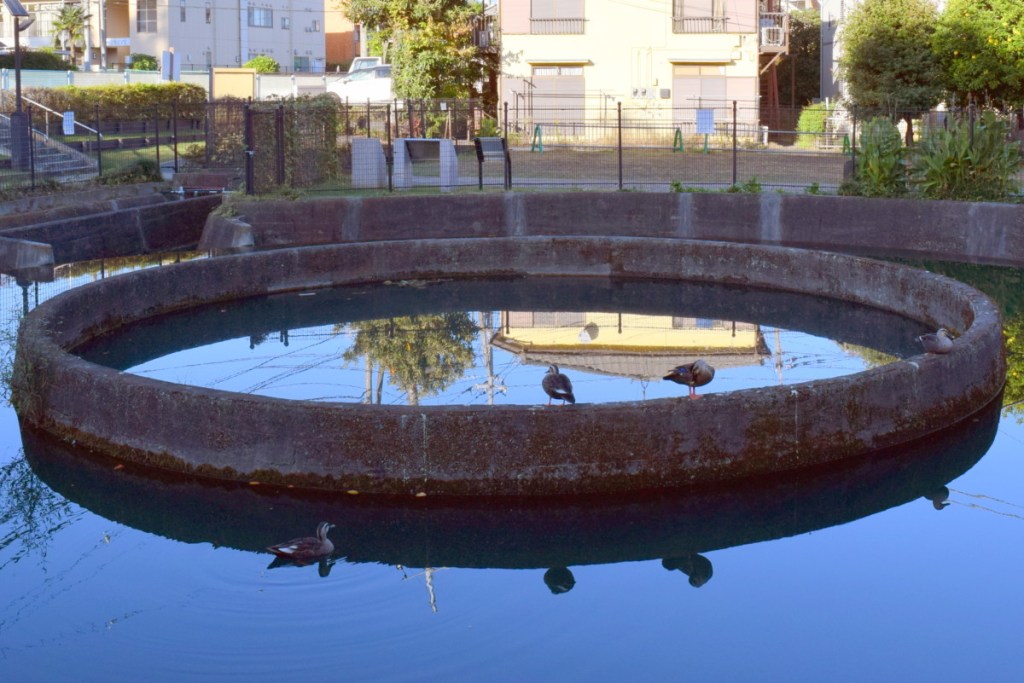
(Oh, and ducks.)
I’ve grown to be quite conflicted about this kind of local attraction. On the one hand, it’s a big concrete ring. With some trees around it.
On the other, it’s a gorgeously duplicitous piece of engineering: as well as actually being a watershed, its creation was a watershed moment. Turns out that this was an elegant solution to sorting out water supply for two different areas. A solution so elegant, in fact, that it was copied and adopted in other towns.
I think it was in one of Alan Booth’s books where he bemoans the fact that people travel from miles around to visit dams and other engineering achievements rather than just going for a walk in a beautiful forest near their homes; this urge of humans to impose order on their surroundings being somehow more worthy of praise than those surroundings themselves, a weird kind of worship that he suggests we’d do well to avoid.
I often think about this when I see concrete structures incongrously popping out of the countryside.
And yet, there is a beauty to be found in these attempts to bring order to a chaotic world, especially when one views them through the lens of historic progress. Look at how things were before we did this; look at this solution we developed to make life better for the people who lived here. Look at how other people learned from this and how this improved a lot of those people’s lives.
I suppose we should just accept that while the natural world deserves even more time, energy and effort put into it, it’s still important to recognize these kinds of manmade industrial sites.
After all, it’s not like there’s much else Kawasaki is famous for.
Station Rating
Another “not really a destination in and of itself” kind of a station, but I like the buzz about Mizonokuchi, with its winding backstreets that are like a maze. There are some cool bars and some good eateries.
And a watershed doing double duty as both sign and signified. Can’t be bad to that, can you?
Musashi Mizonokuchi Station Gallery


 CityHillsAndSea
Leave a comment