The Enoden links Fujisawa & Kamakura via a coastal route that gives both those cities access to the little island of Enoshima – hence the name. It’s a charming, old-fashioned trainline, with some really interesting sights to be seen along the way.
Click this link for more info.
Local Sights
Ryuko temple is just around the corner, in the direction of Koshigoe station.
There’s the Enoshima Aquarium (also mentioned last week)
On the island of Enoshima itself… well, there’s a lot to do and see. Walk around the wee windy streets work your way through the island’s three shrines, starting with Hetsunomiya, then to Nakatsunomiya before making your way up to the Sea Candle and Samuel Cocking Garden, passing by Yama Futatsu before finally reaching the last of the three shrines, Okunomiya, at the top of the island.
Oh but we’re not done yet.
Take a quick detour from here to check out the love bell, then back down on to the other side of the island where there’s access to Enoshima’s caves – home of the dragon.
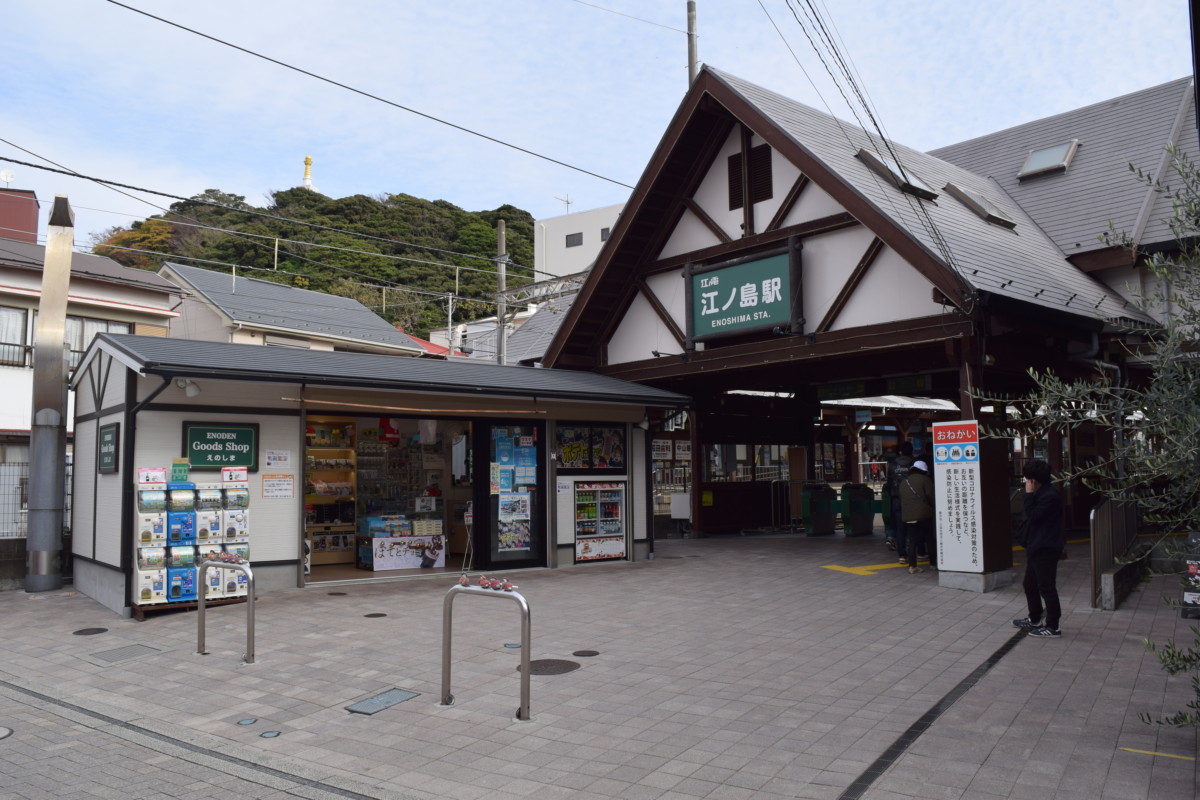
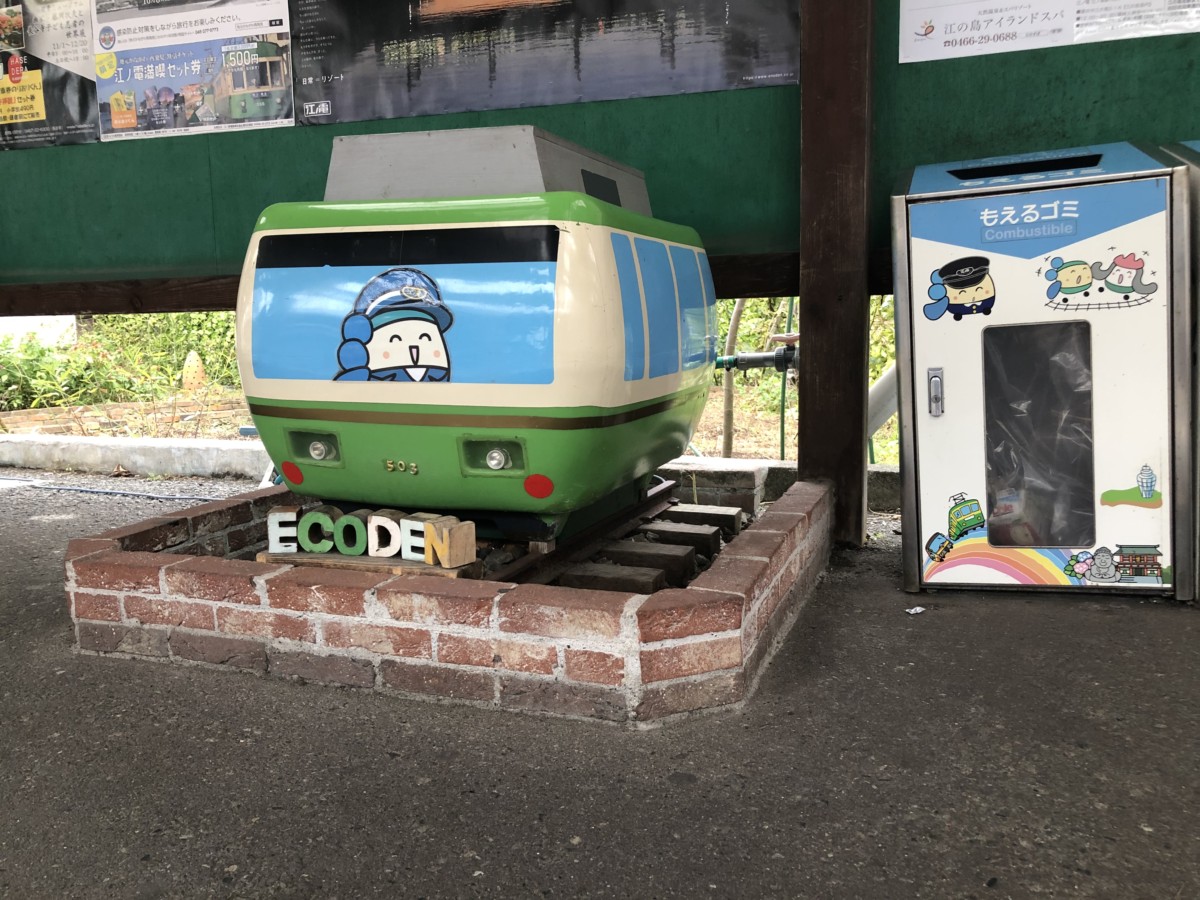
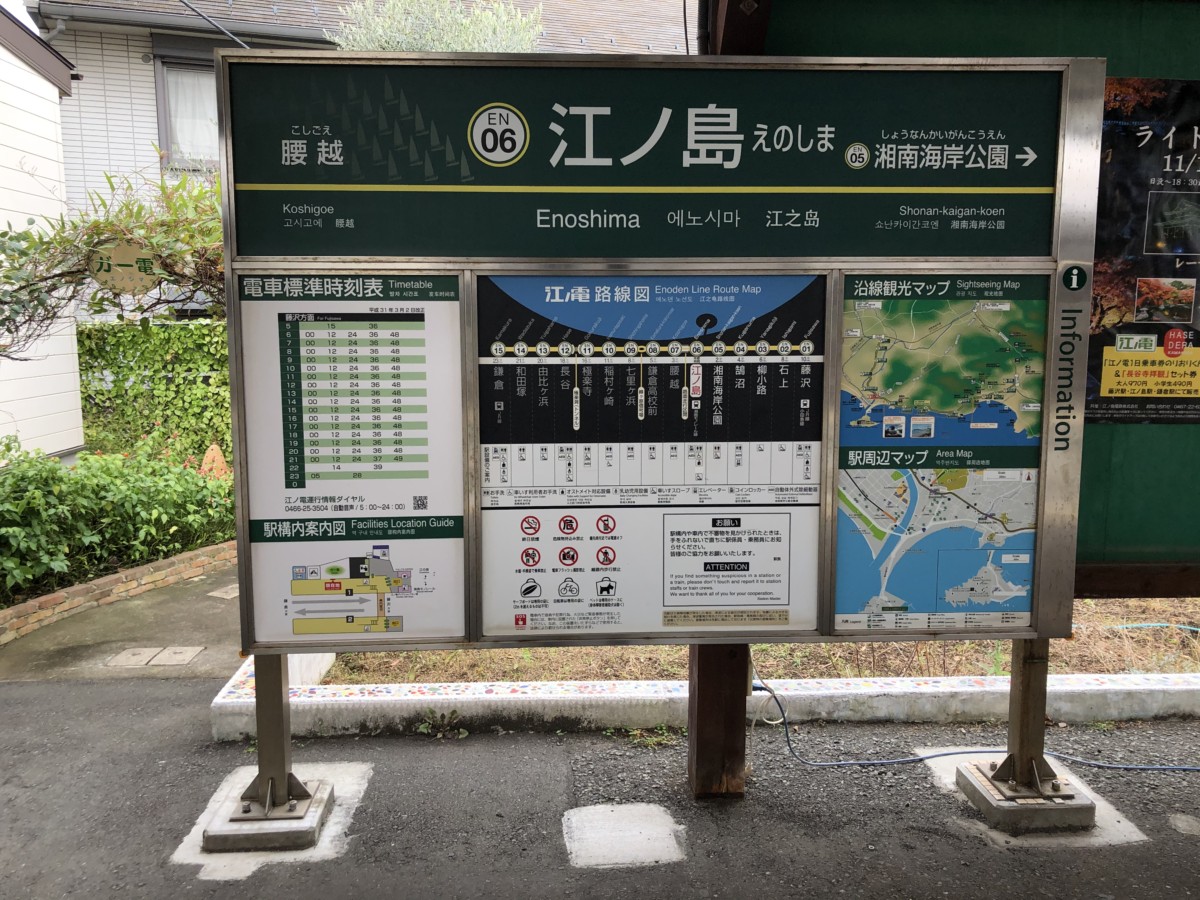
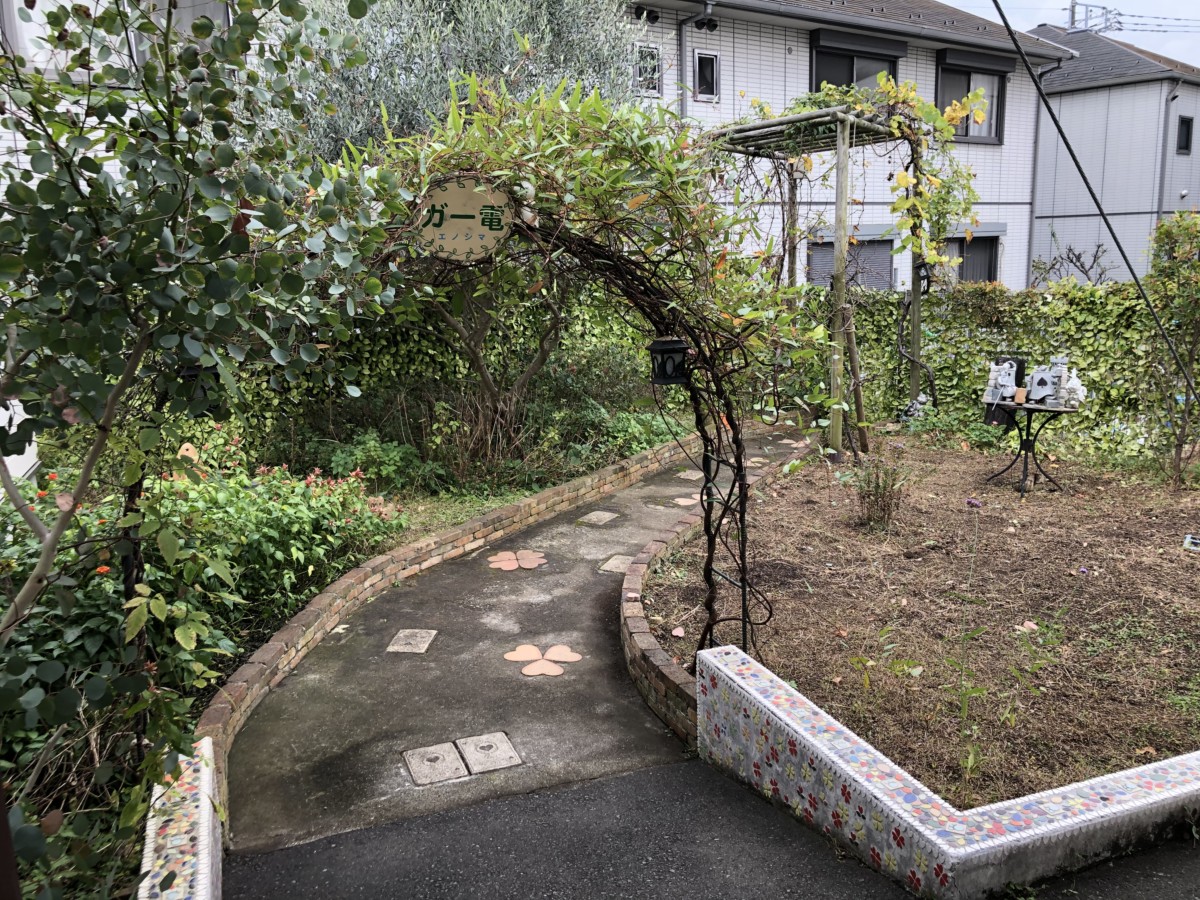
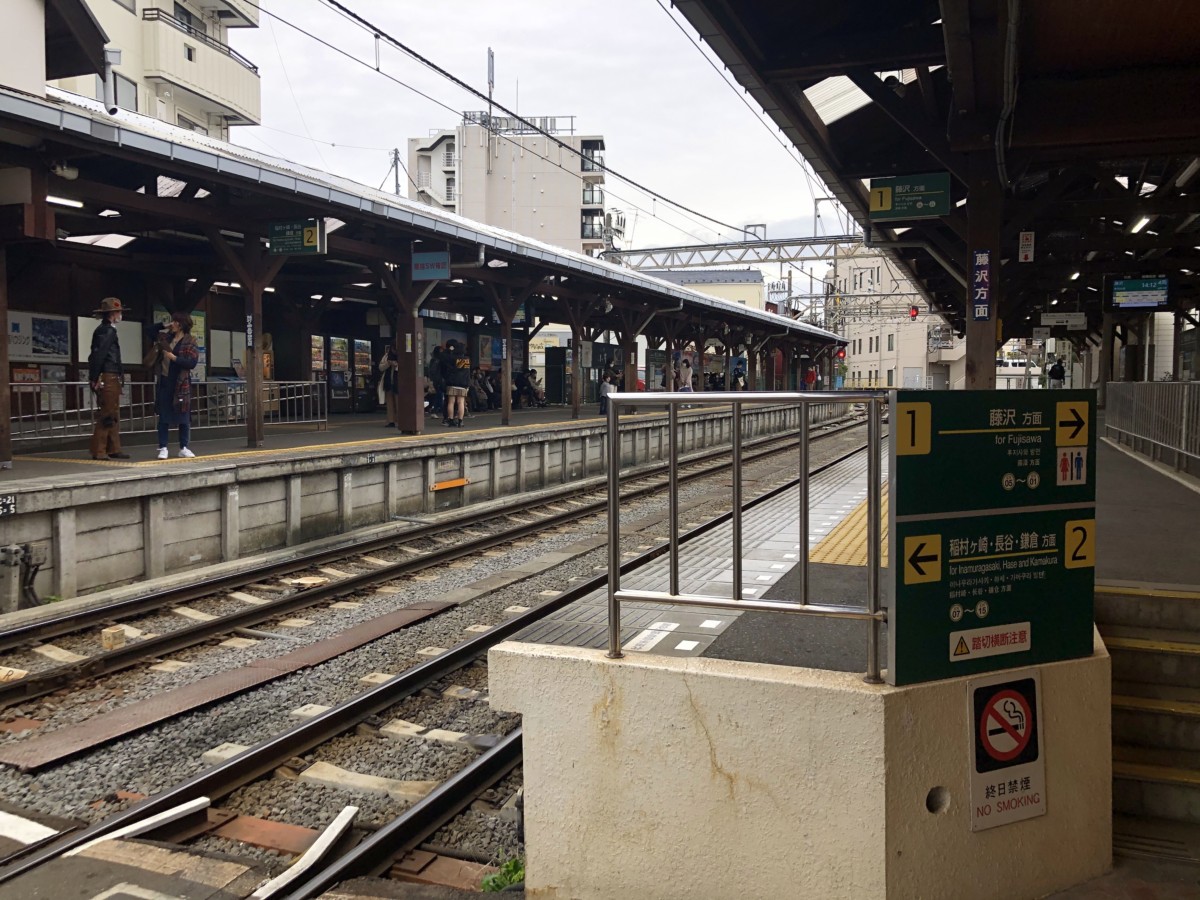
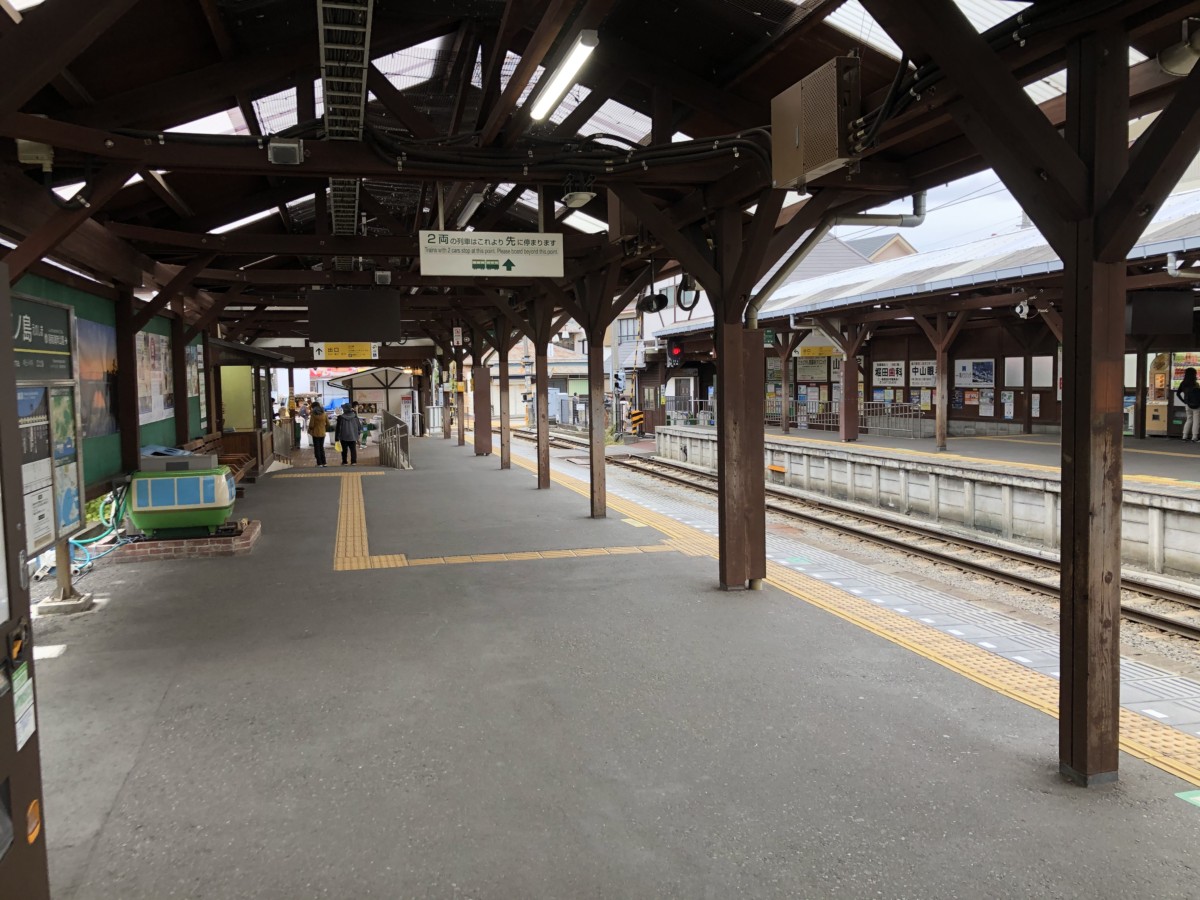
All About EN06 Enoshima Station
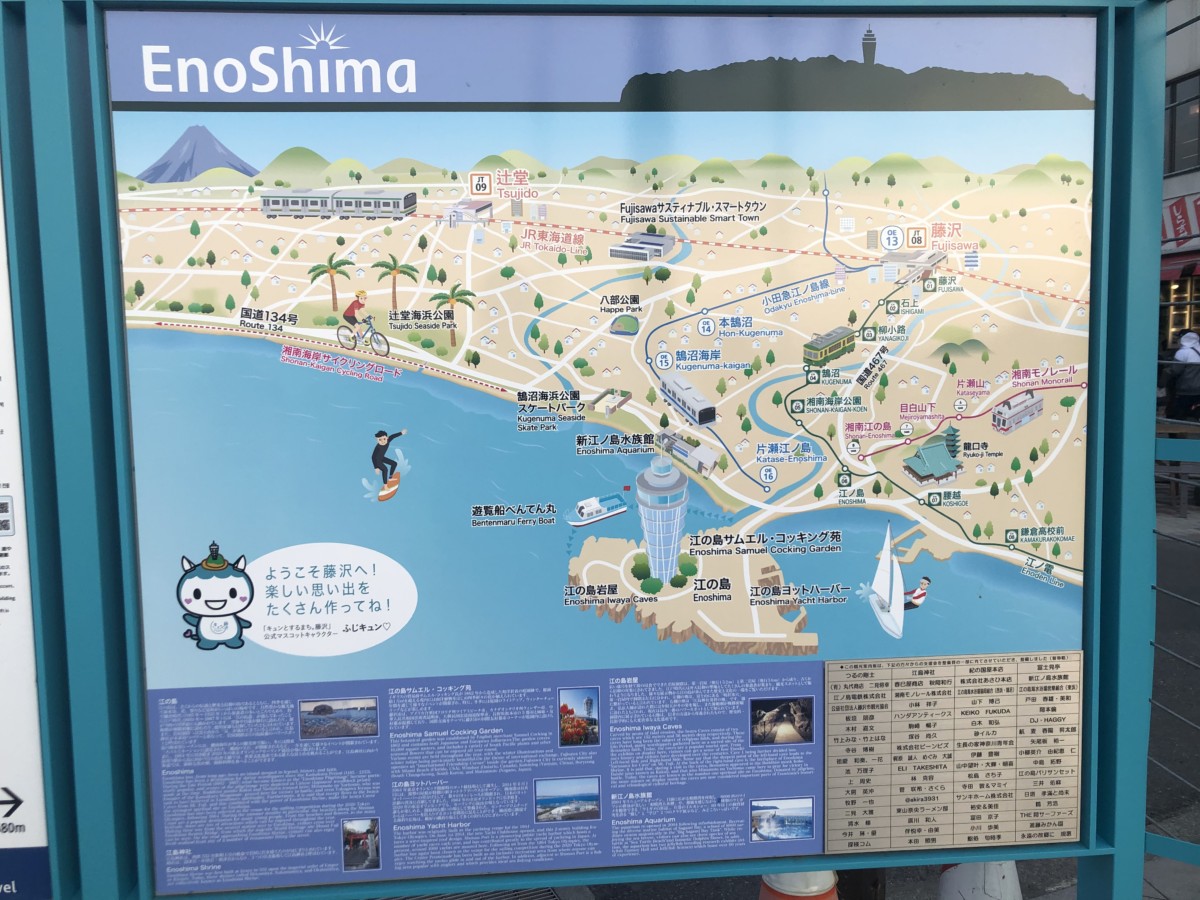
Once you leave Enoshima station, you can head straight down to the island, or if you fancy visiting Ryuko-ji -head in the direction of the monorail station, Shonan-Enoshima, then take a right and head down towards Koshigoe.
Ryuko-ji is a Nichiren sect Buddhist temple. Legend has it that Nichiren – quite the rabble-rouser way back when – was going to be executed but a ball of light appeared right at this location and it was seen as a divine sign that he should be left alone.
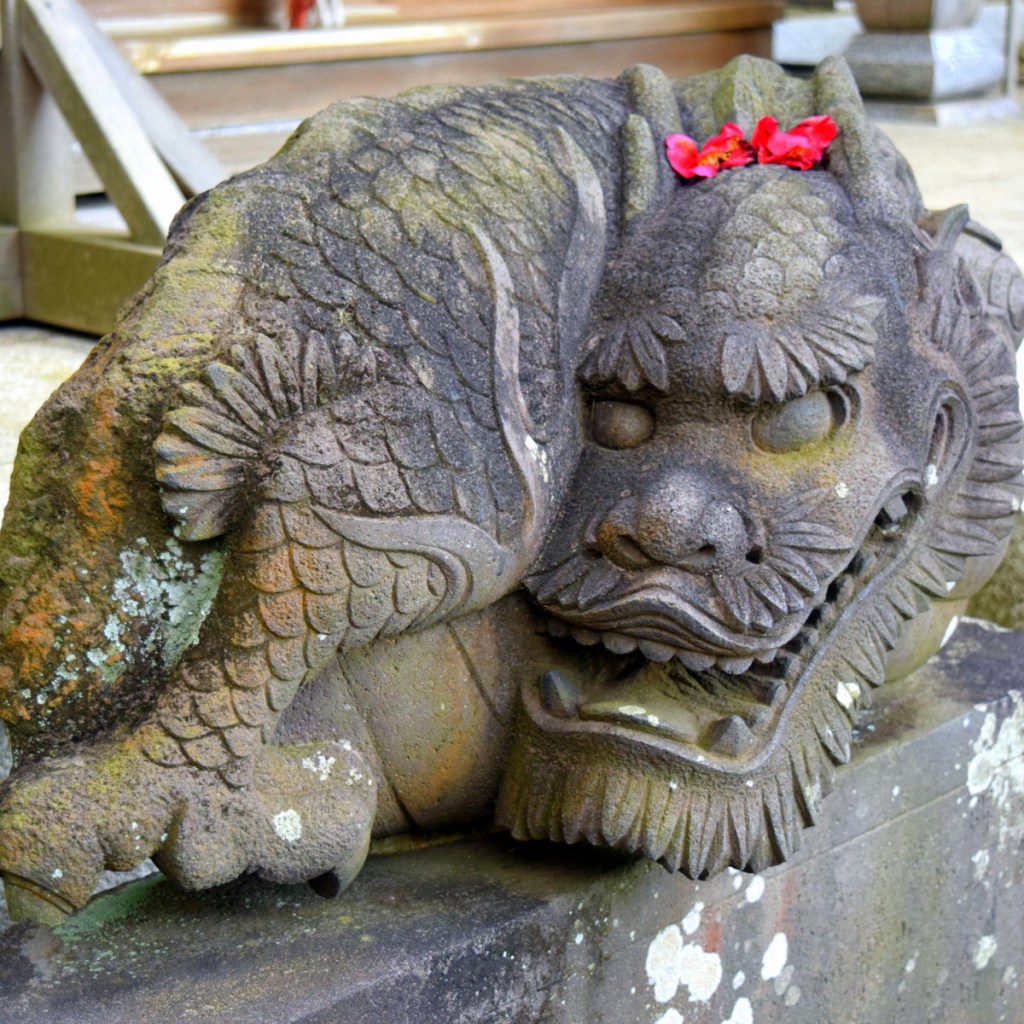
The temple also features in the history of Kamakura as the dragon who lives on Enoshima is described as being so long that his head stretched all the way up to this temple from the island.
You can find a small statue of the dragon in the temple grounds:
There’s also a stupa up on the hill – not a particularly common sight in Japan – and a five storey pagoda located on the grounds.
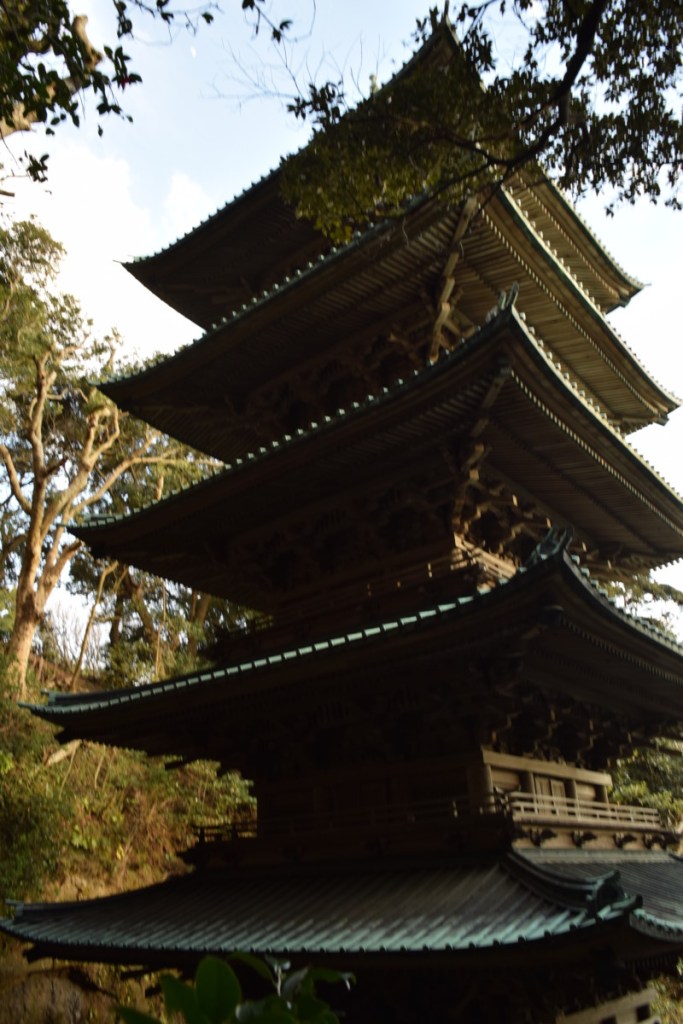

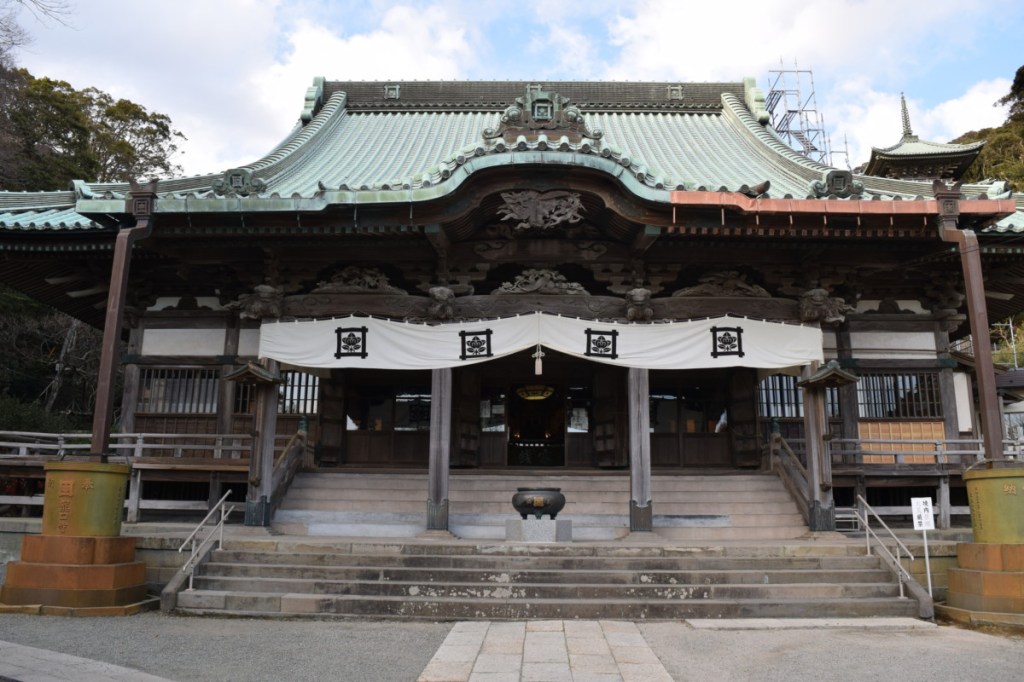
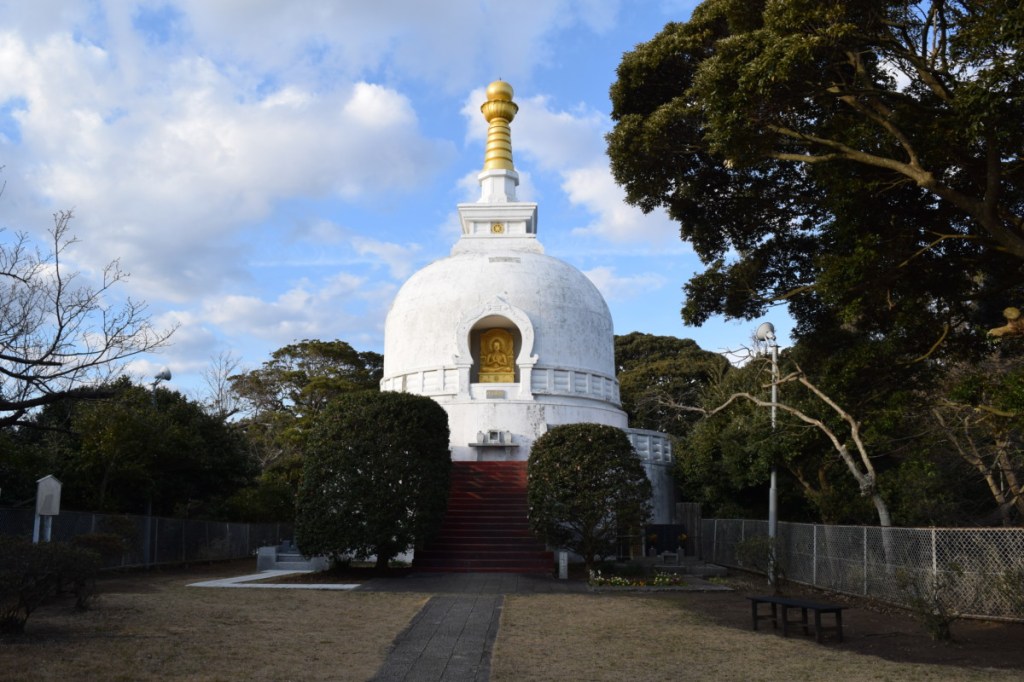
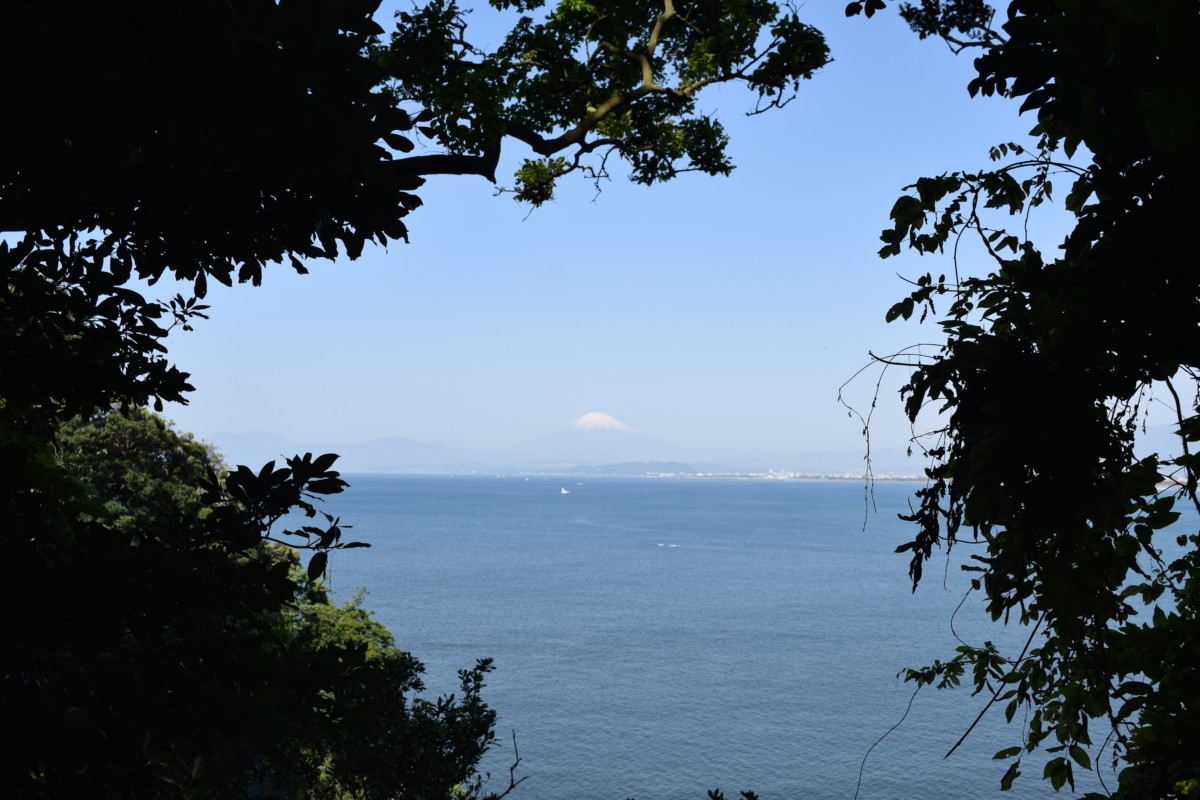
It’s a very peaceful place with some great views over Fujisawa and Kamakura.
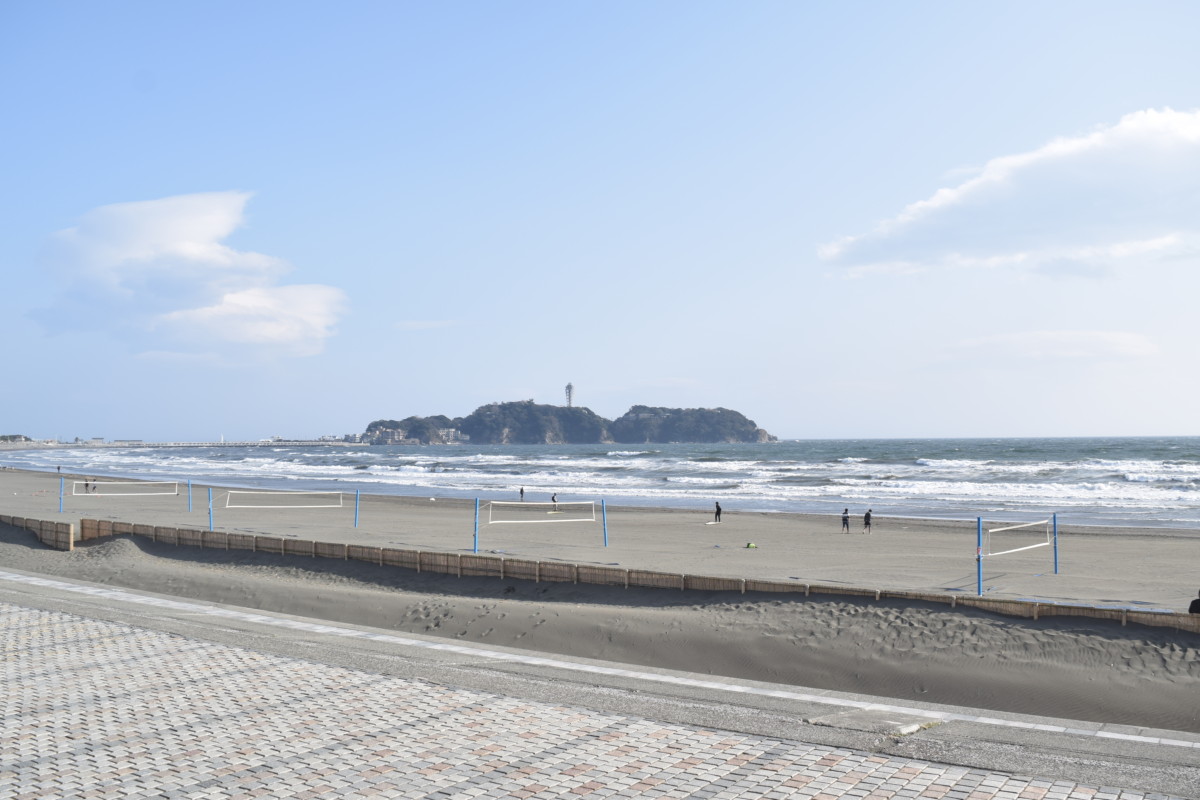
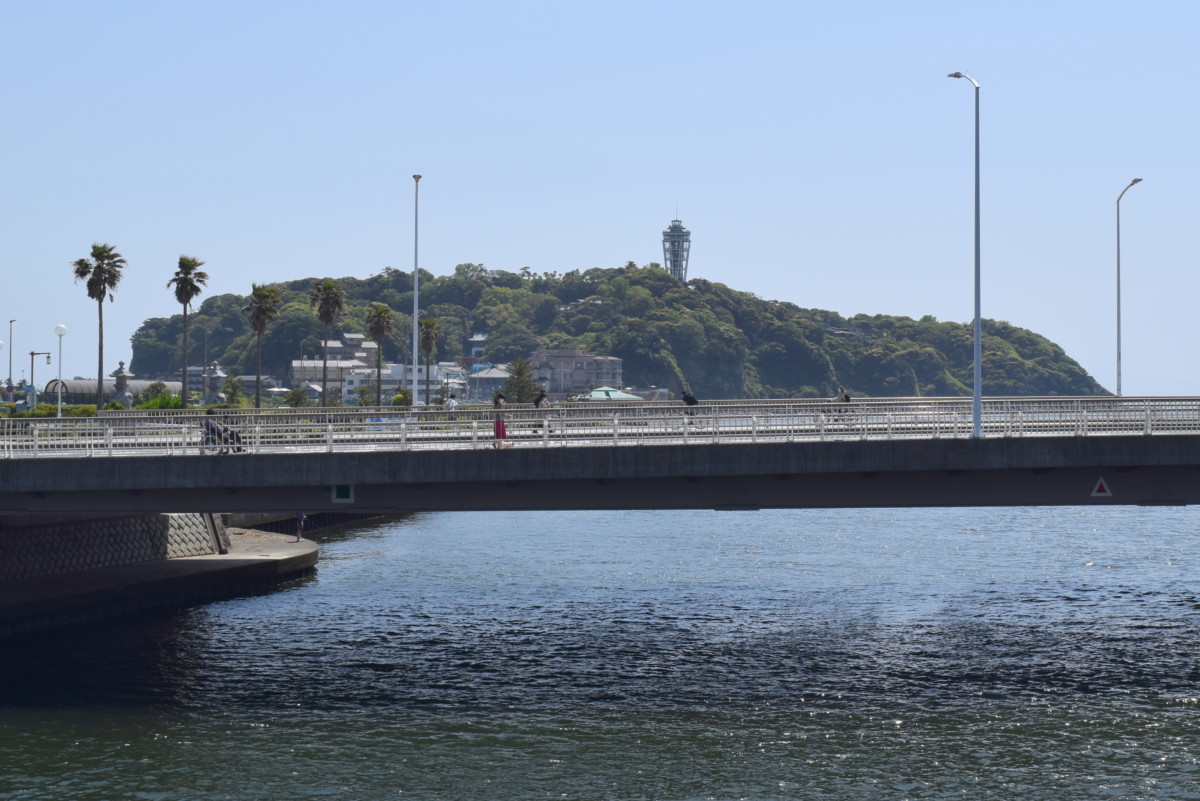
Enoshima proper is back the way you came, down a little touristy street with restaurants & shops and then you come to the bridge which links Enoshima to the mainland.
Enoshima is a pretty spiritual place – legend has it that it was raised from the ocean depths by the goddess Benzaiten to imprison a dragon who was bothering the local people. In extended versions of this story, the dragon falls for Benzaiten & changes his ways because of his love for her. Then they end up getting married.
As you do.
Once on the island, take the path through the torii and past all the souvenir shops:

is the first of three shrines to Benzaiten – Hetsunomiya. The second, Nakatsunomiya, isn’t far behind it.
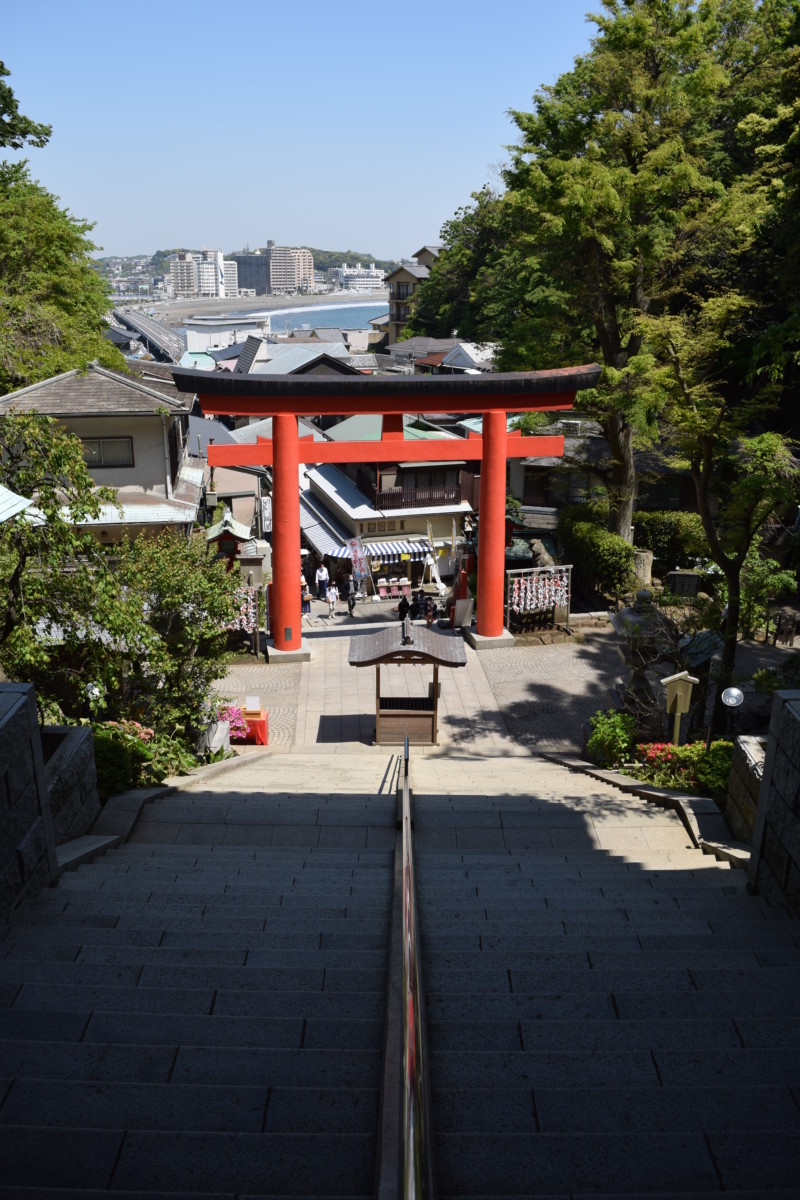
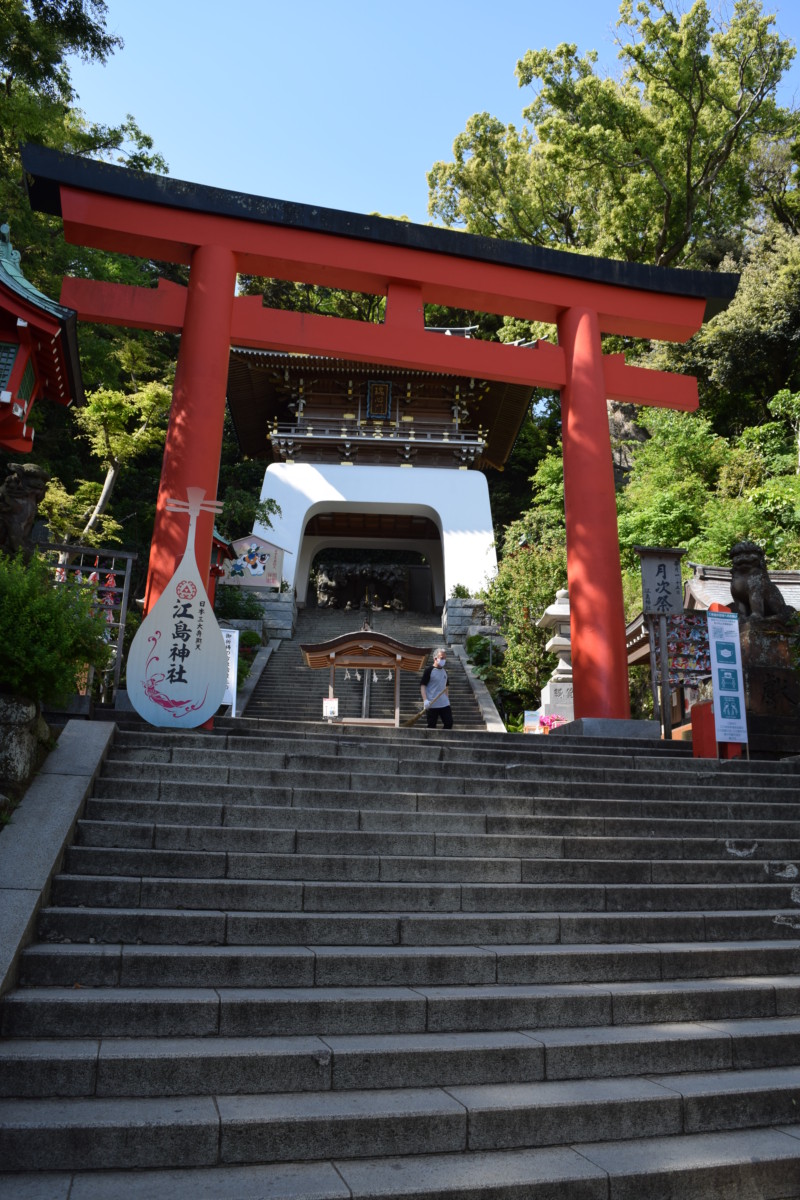
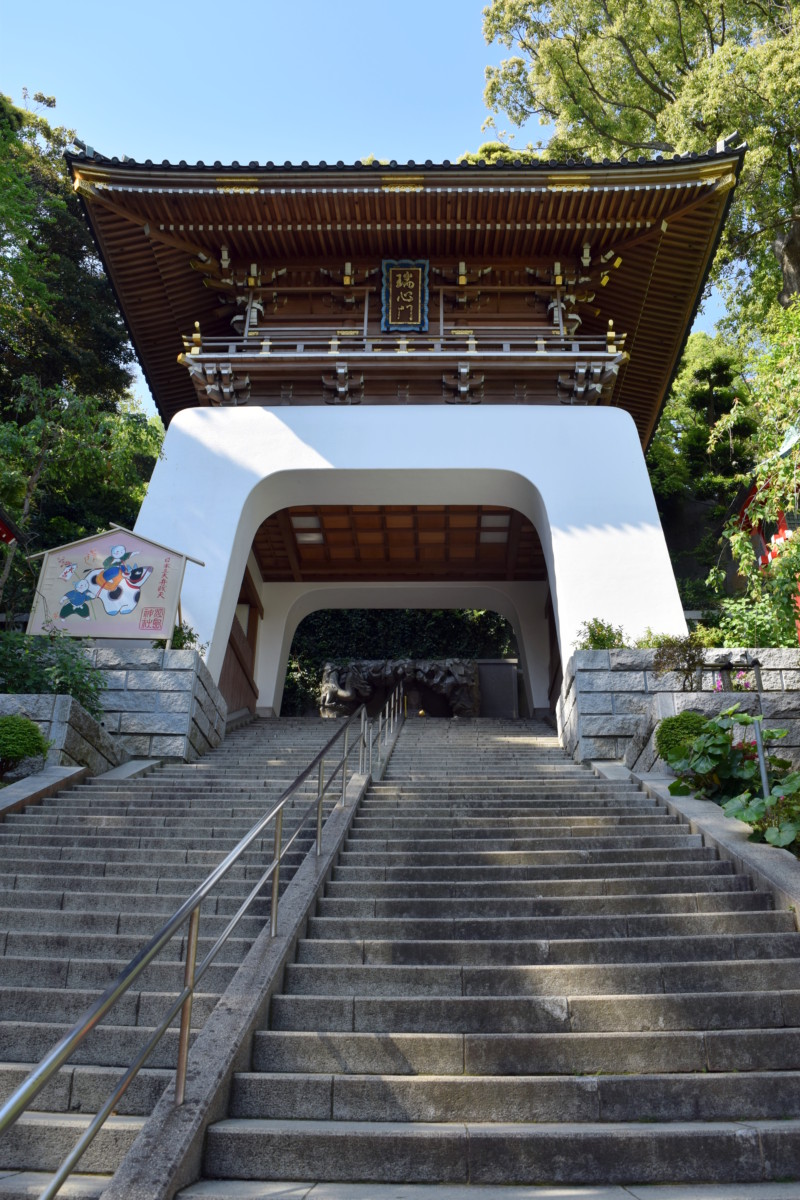


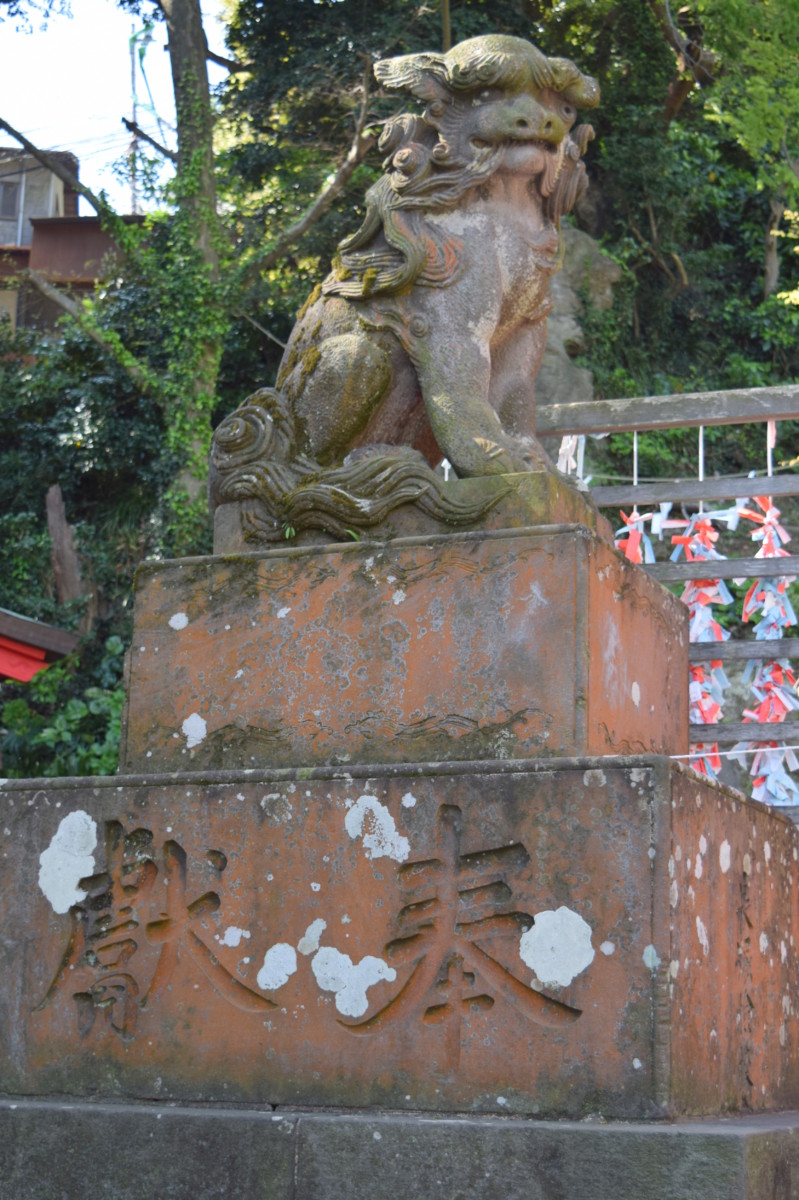
If you’re feeling a bit tired, you can take an escalator up the hill – no, really :
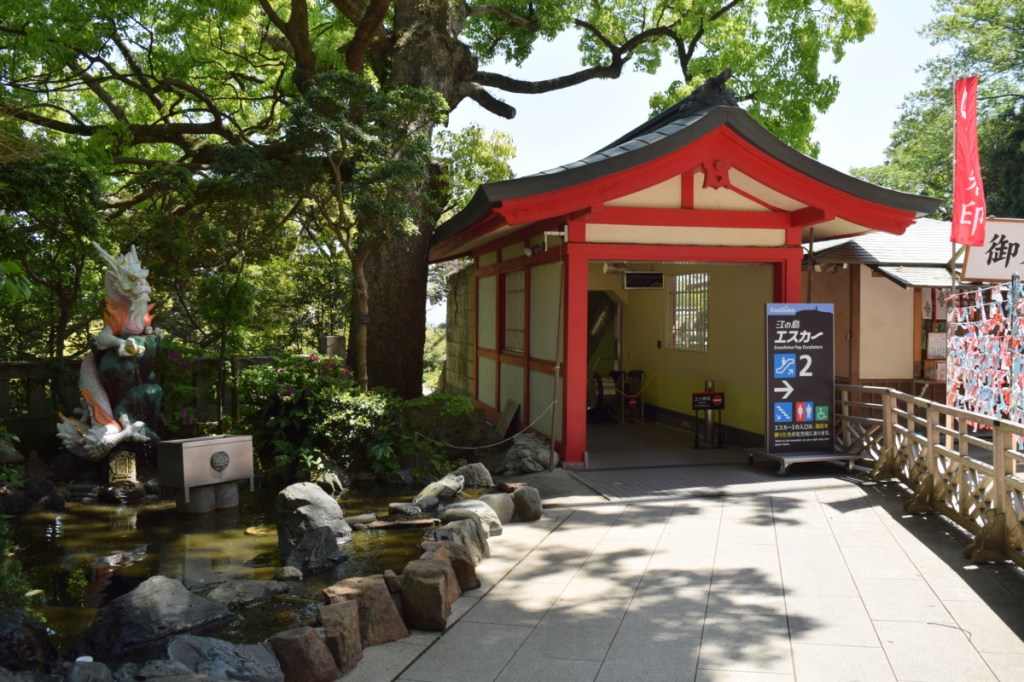
but for me, the wee windy streets are all part of the fun. (Except maybe in the height of summer.)

You can head into the Samuel Cocking Gardens now and then the Sea Candle now, if you fancy, or save them for the way back.
Samuel Cocking was an English botanist who bought a lot of land on the island in the 19th century. There used to be a greenhouse here but it was destroyed in the 1923 earthquake and never rebuilt.
The day I was up here, the whole garden was being replanted and rearranged, so it wasn’t really worth the visit.
The Sea Candle on the other hand… well, it’s kind of worth it. I think I’ve explained my feelings about towers and structures of similar loftiness previously but the Sea Candle ruins the look of Enoshima for me from afar. A big pointy manmade structure of glass and steel, it’s incongruous, superfluous and a bit gaudy. As I said before though, I’m rather fussy.
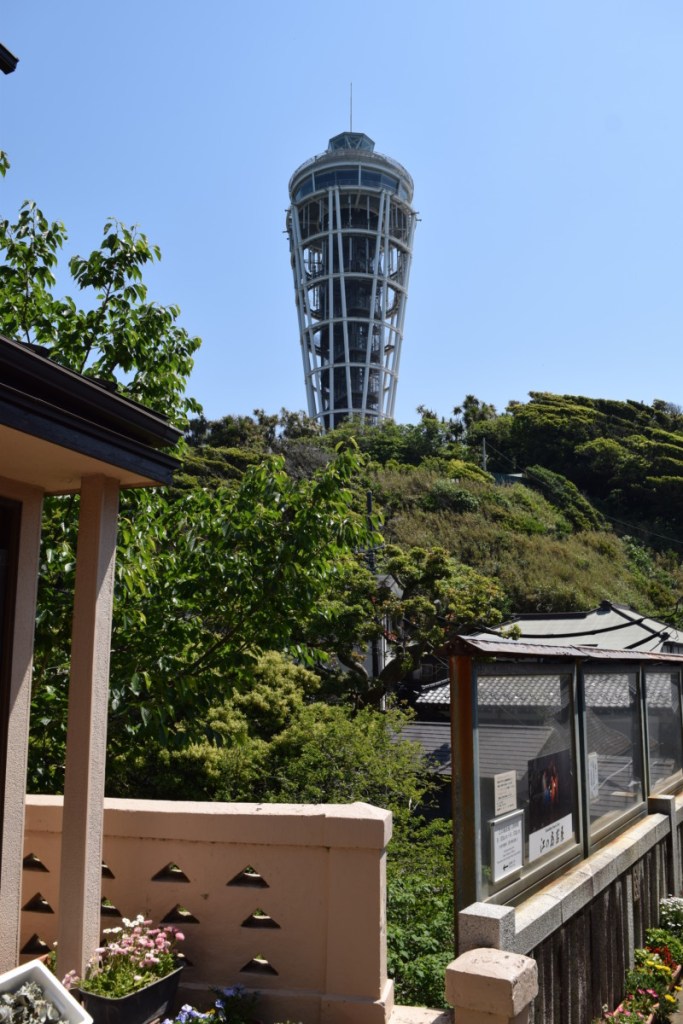
Then again, it does afford spectacular views of the surrounding area so… a necessary evil?

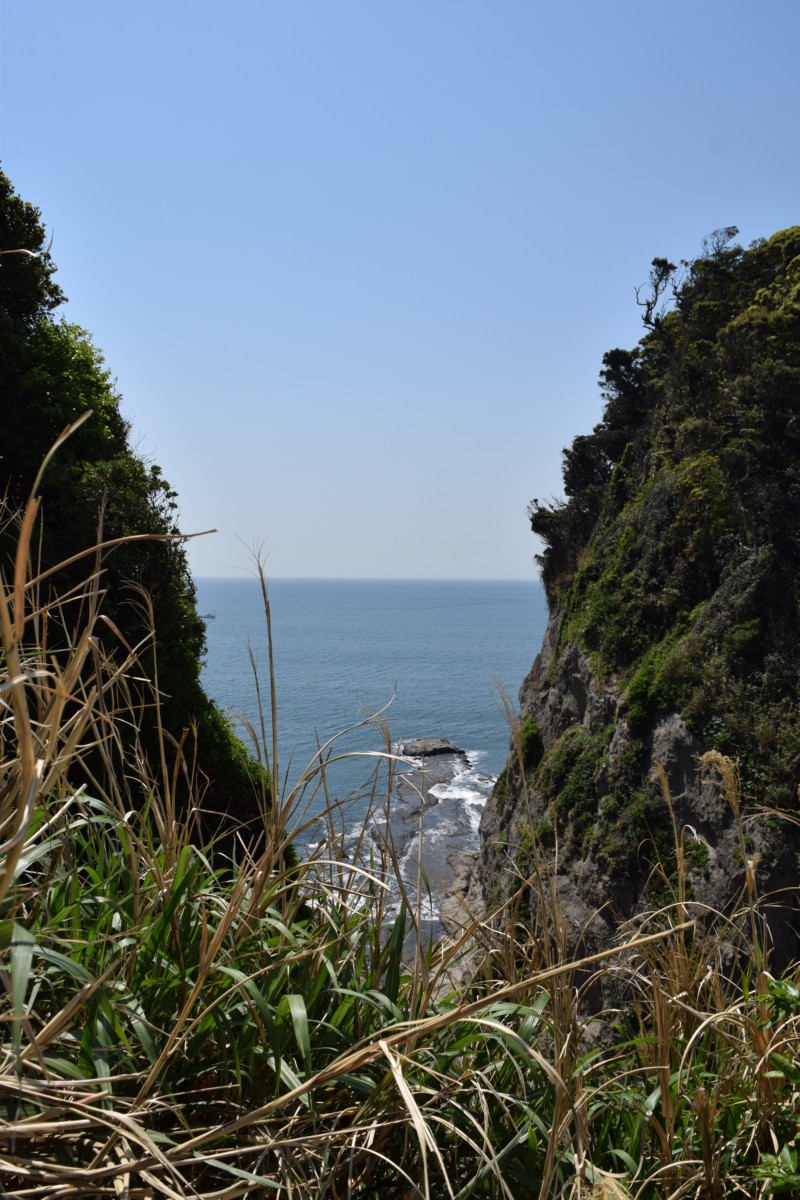
On a bit further from the Sea Candle, you’ll pass Yama Futatsu – the two mountains – which are exactly that: a pair of hills which drop down into the sea. A little further past them, you’ll reach the entrance to the last of the Benzaiten shrines, Okunomiya, which is accompanied by a little shrine to the dragon himself.
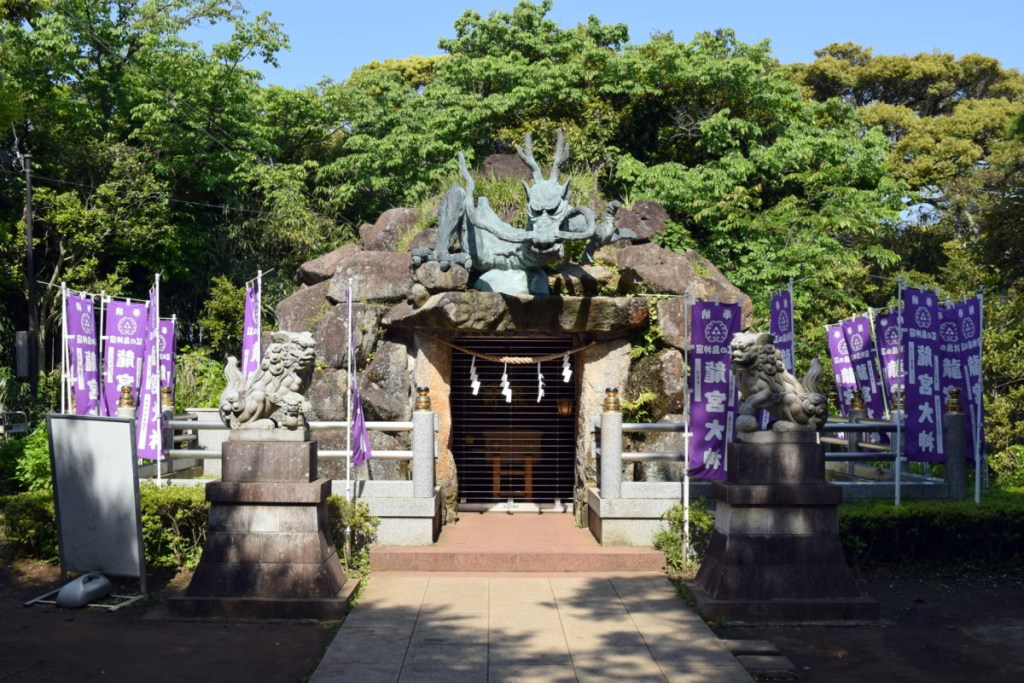

Off to the left after this point, you can find a little grove where there’s a memorial to the victims of the Great Kanto earthquake:
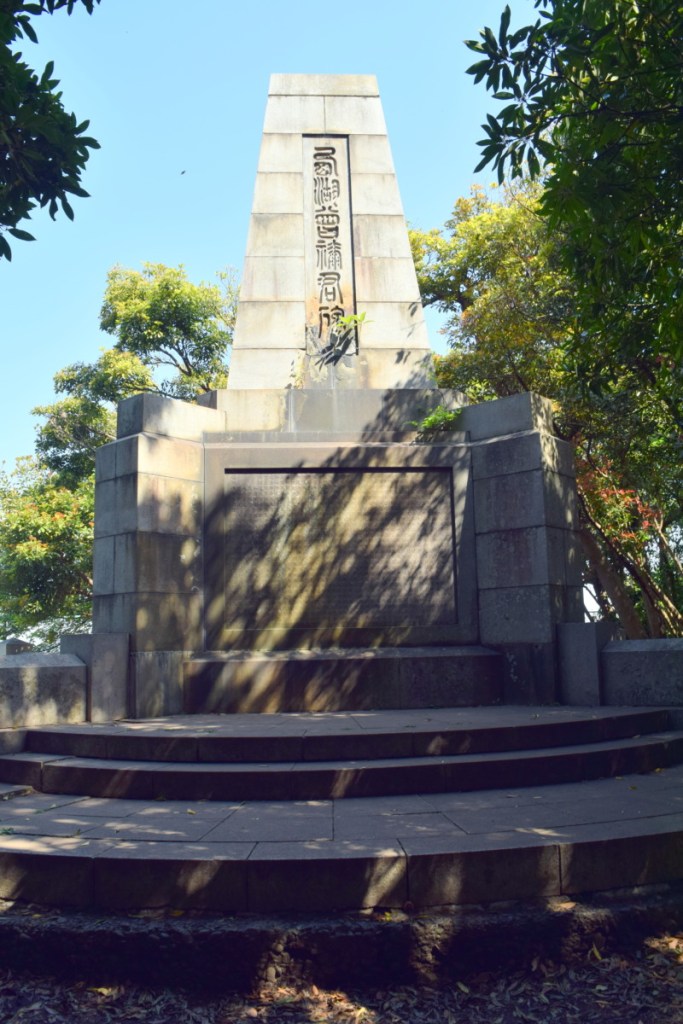
… in addition to a more regularly visited and more recent monument to love and dragons and goddesses and, um, padlocks?
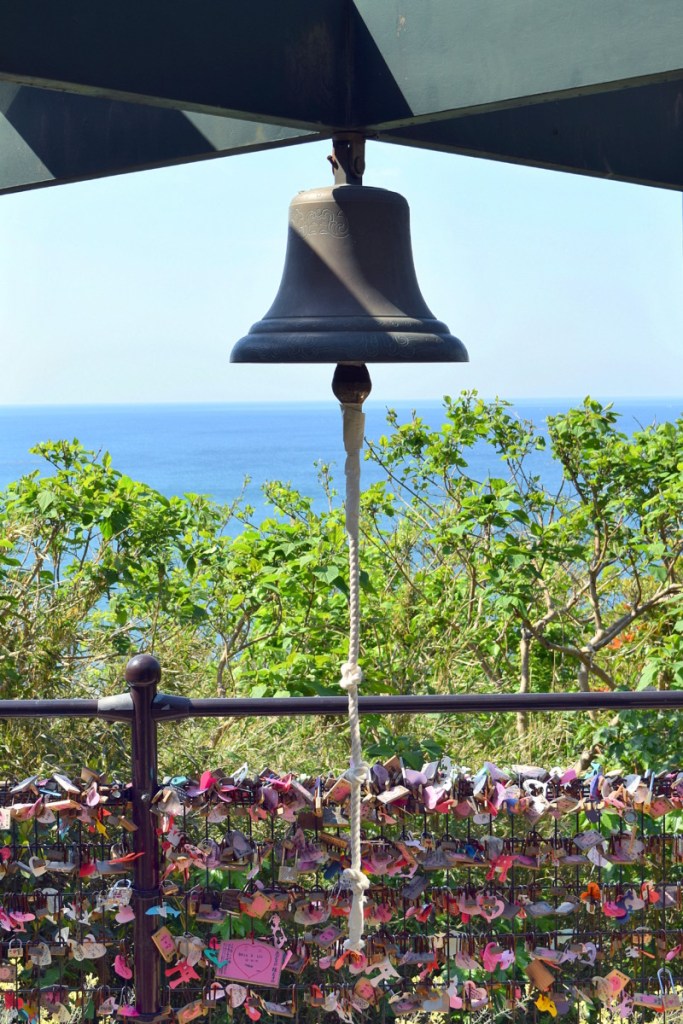
Next up, it’s down to the caves that you can almost see from in front of the bell. This, of course, means more steps…
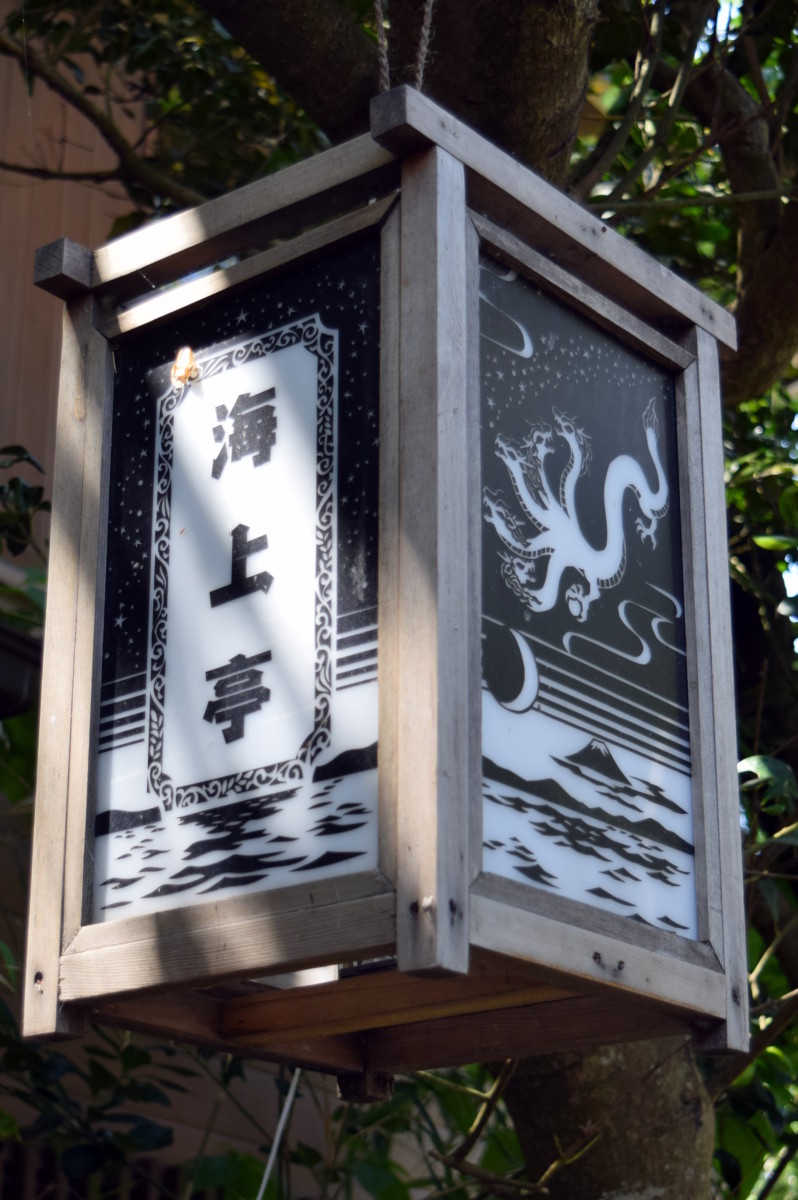
The caves themselves don’t provide too much of a challenge. They’re a little chilly, a tiny bit cramped and, of course, dark. They’re also where the dragon himself actually lived, as you might guess from some of the decor:
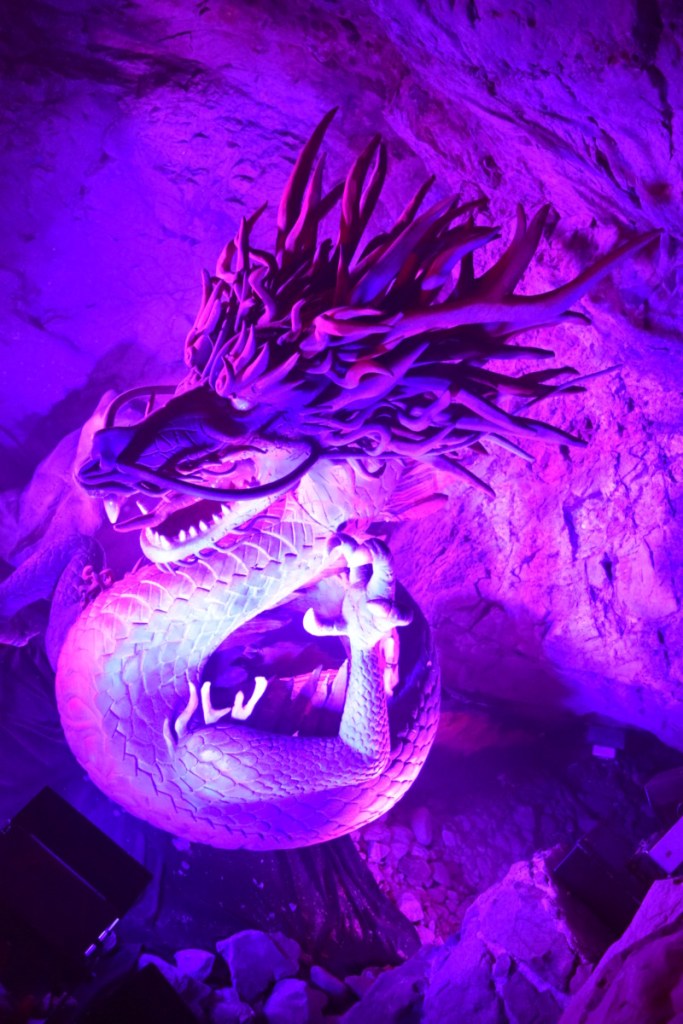
There’s a lot of Buddhist statuary down in this cave, which, legend also has it, connects all the way to Narusawa ice caves in the foothills of Mount Fuji.
(Fairly sure that that’s unlikely, but who knows.)
As you exit the caves back out into the sunlight and the rush of the ocean, you pass by a haiku, written by Yosano Akiko, carved into a slab of rock:
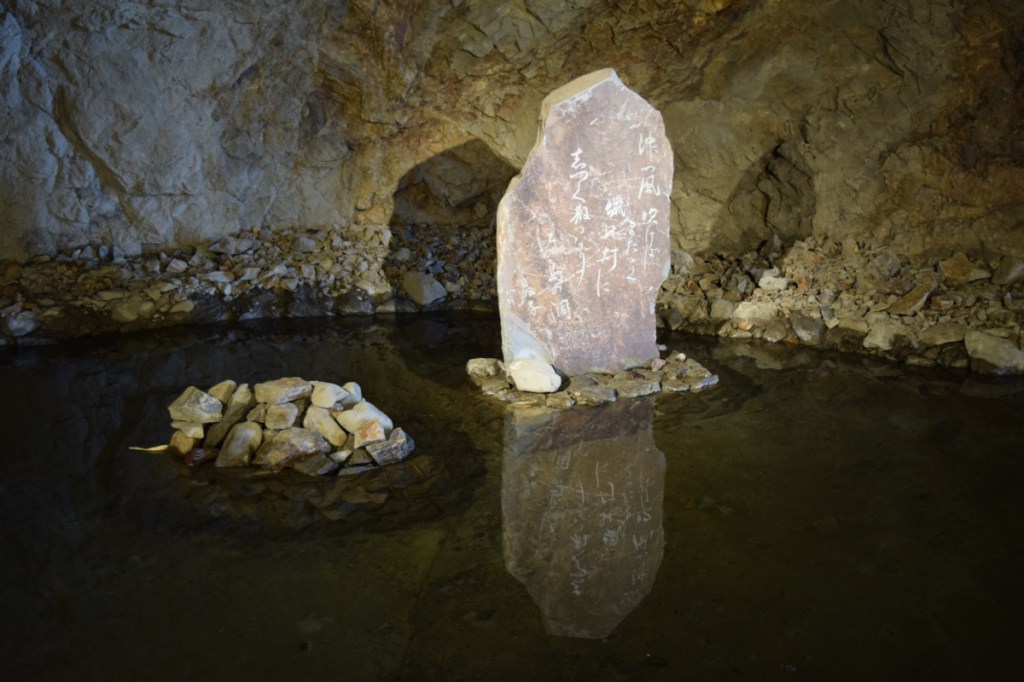
Wind from the sea
The shimmering candle light
A drop spread, the cave of Enoshima
I wonder what she’d make of her beloved Enoshima and how it looks nowadays. I’m guessing she probably wouldn’t like the Sea Candle, despite the second line above.
EN06 Enoshima Station Gallery
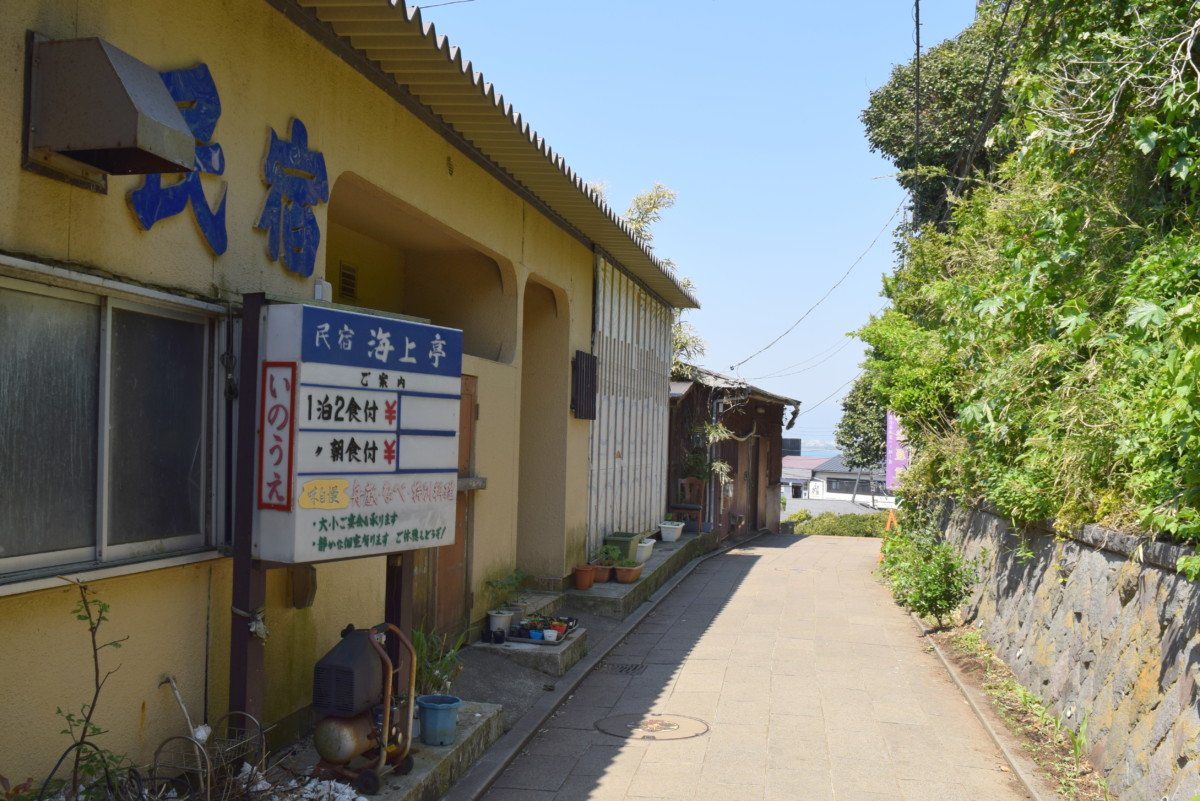
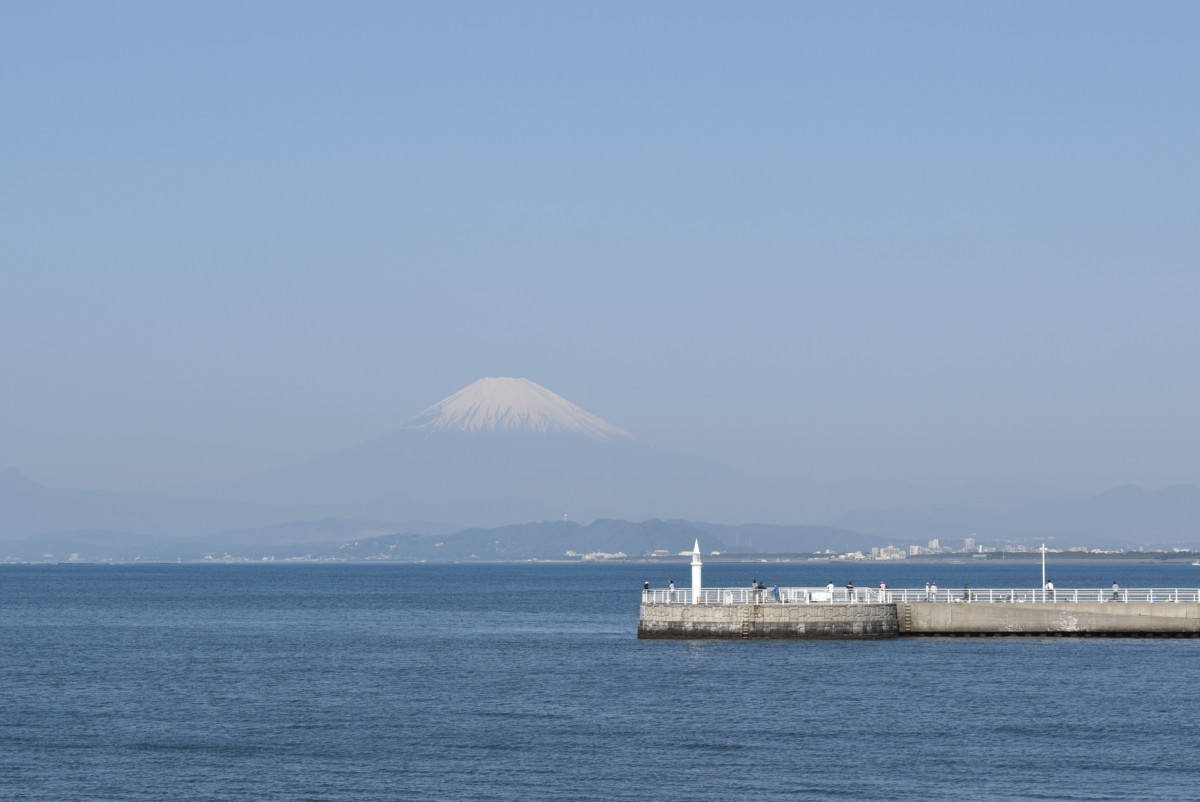
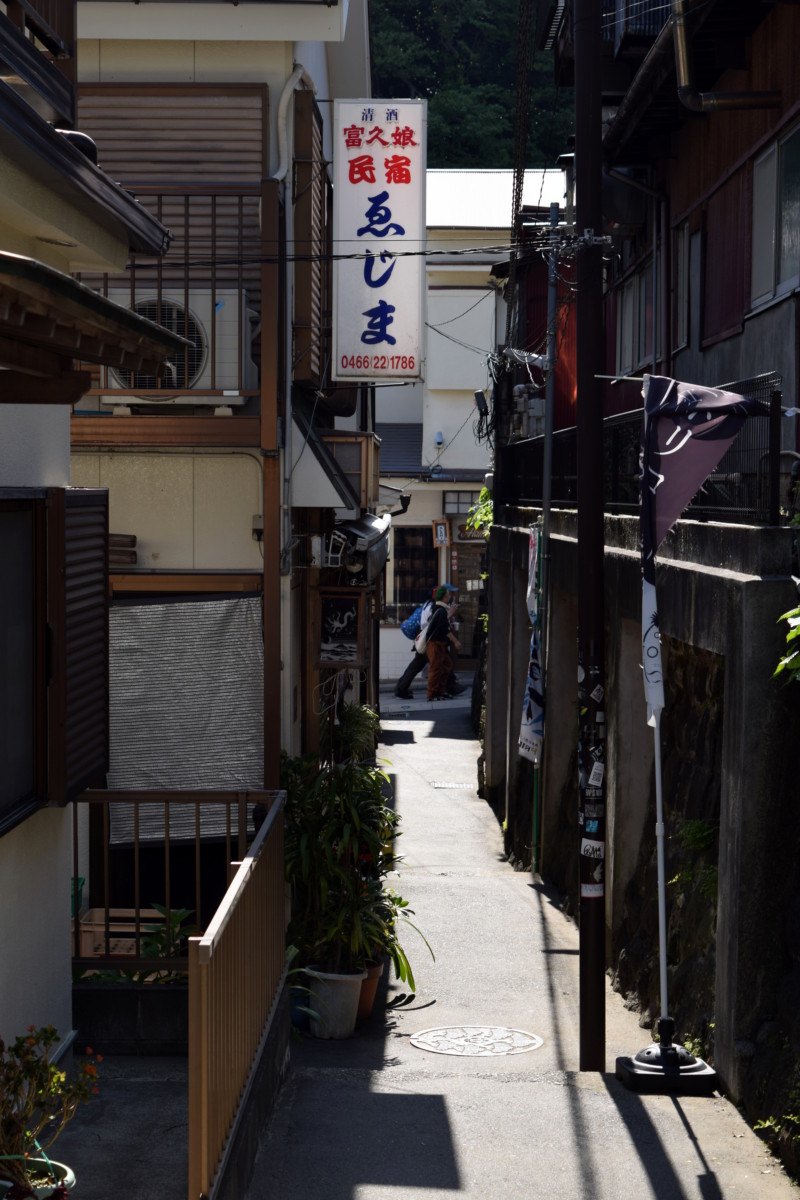
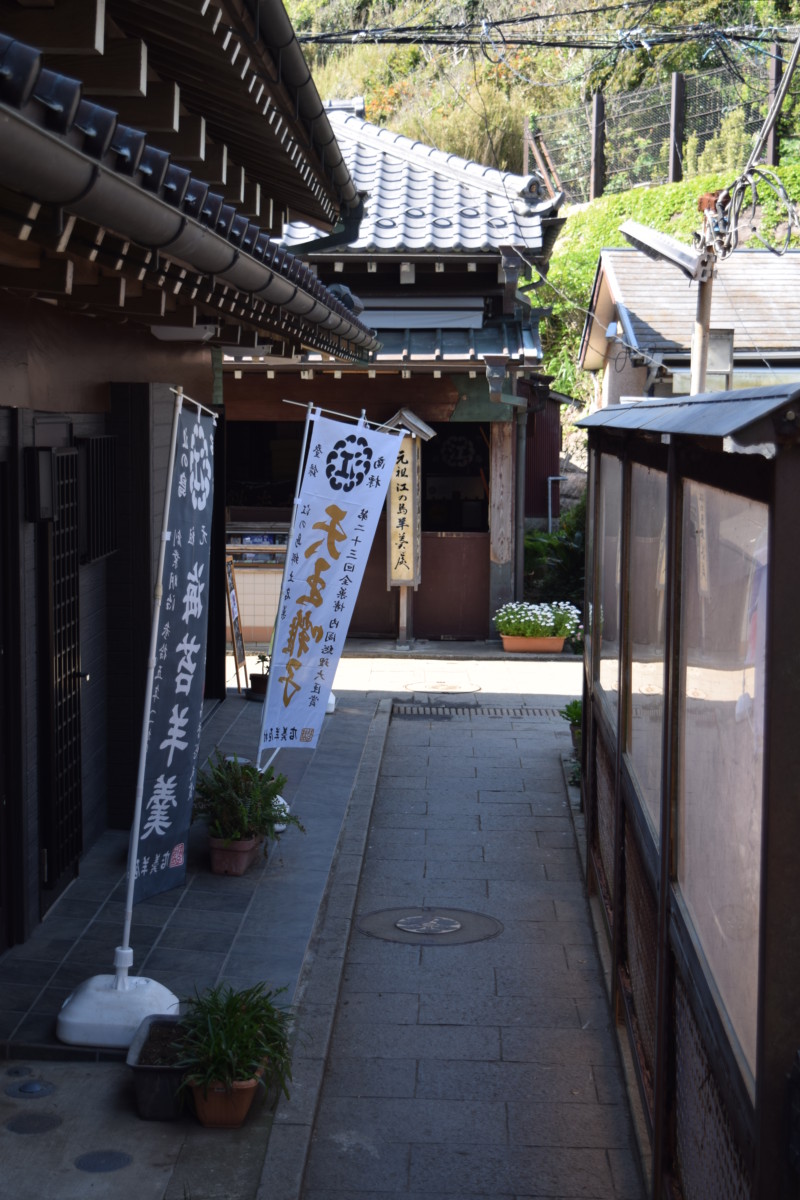


 CityHillsAndSea
Leave a comment