There are more than a few steam locomotives sitting in parks across Japan, enjoying their retirement.
I wanted to acknowledge the ones I happen across for all their hard work, so I started the Static Life Steam Locomotives Project, SLSL for short.
A map of the Static Life Steam Locomotives & more about the project is here.
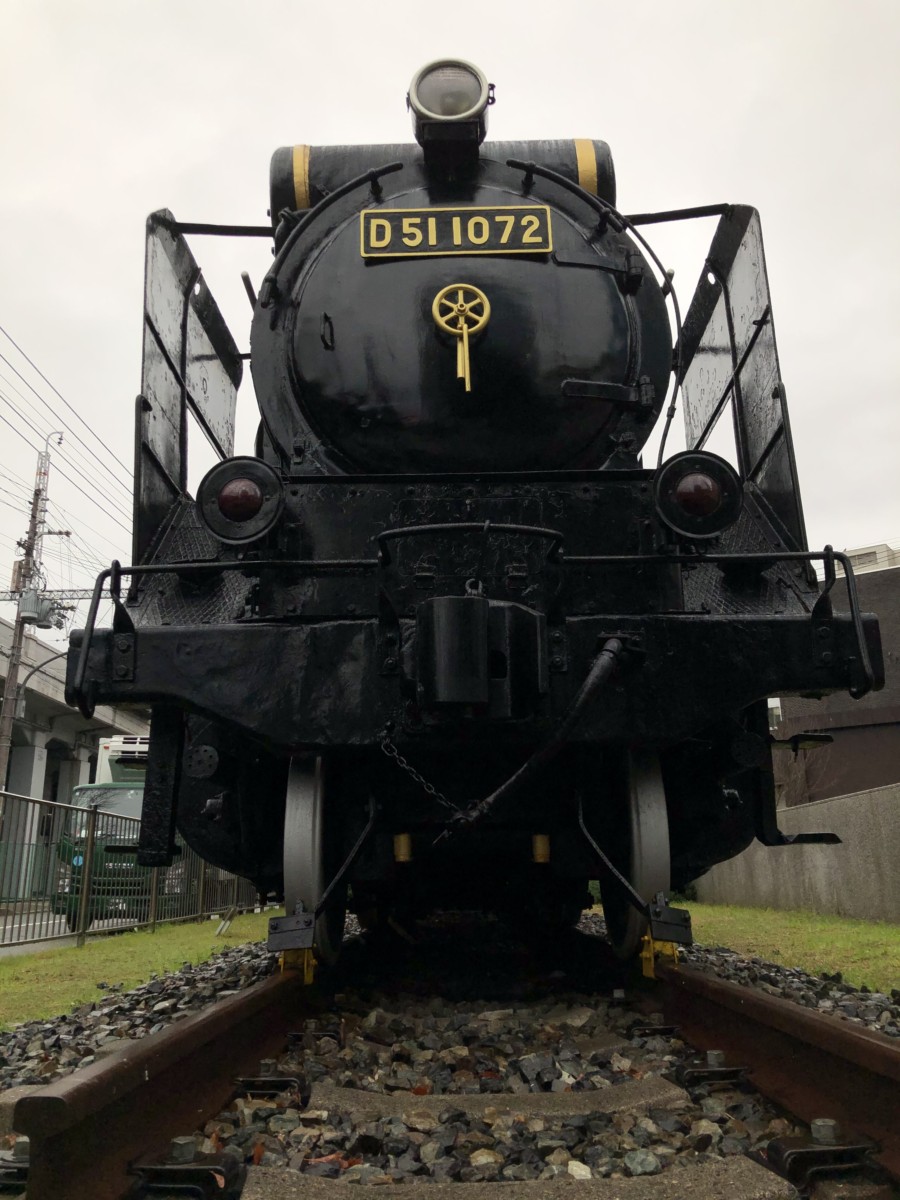
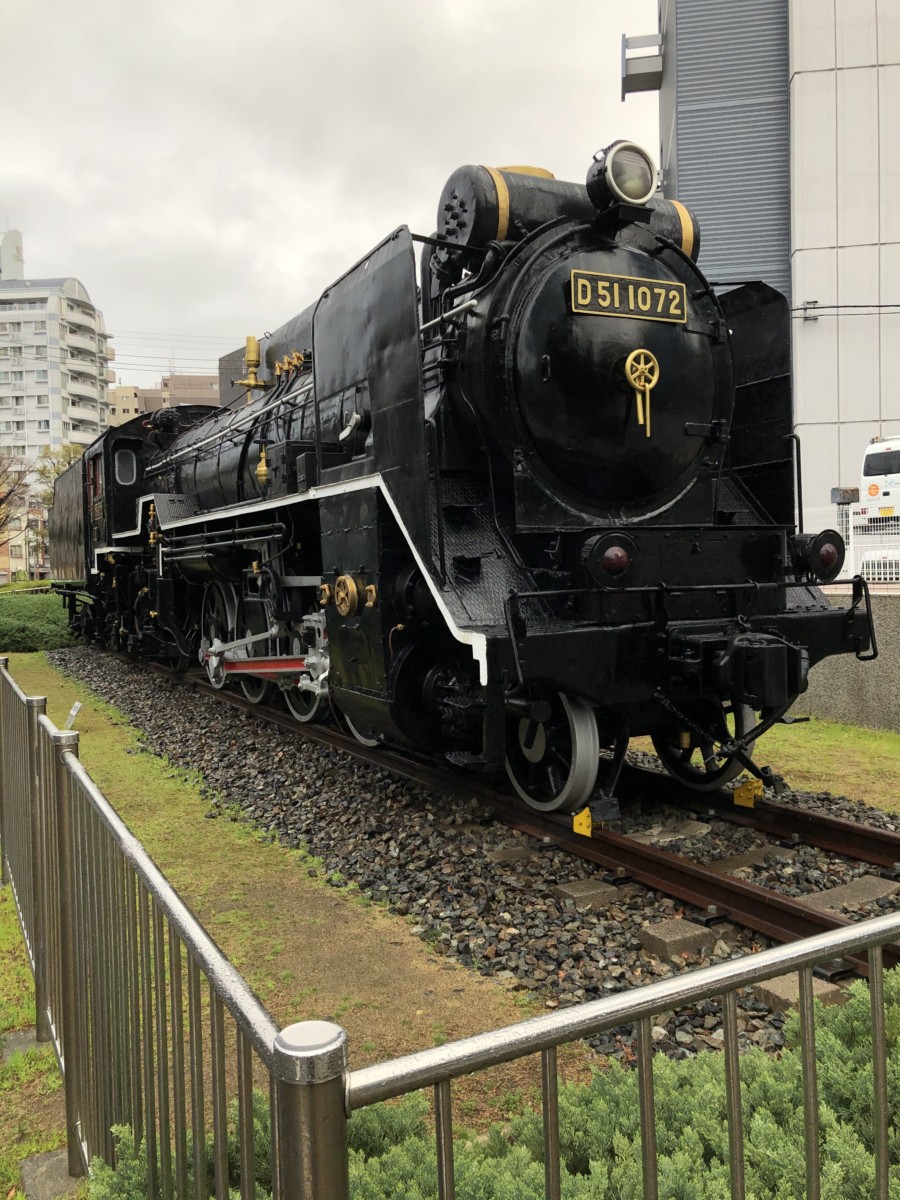
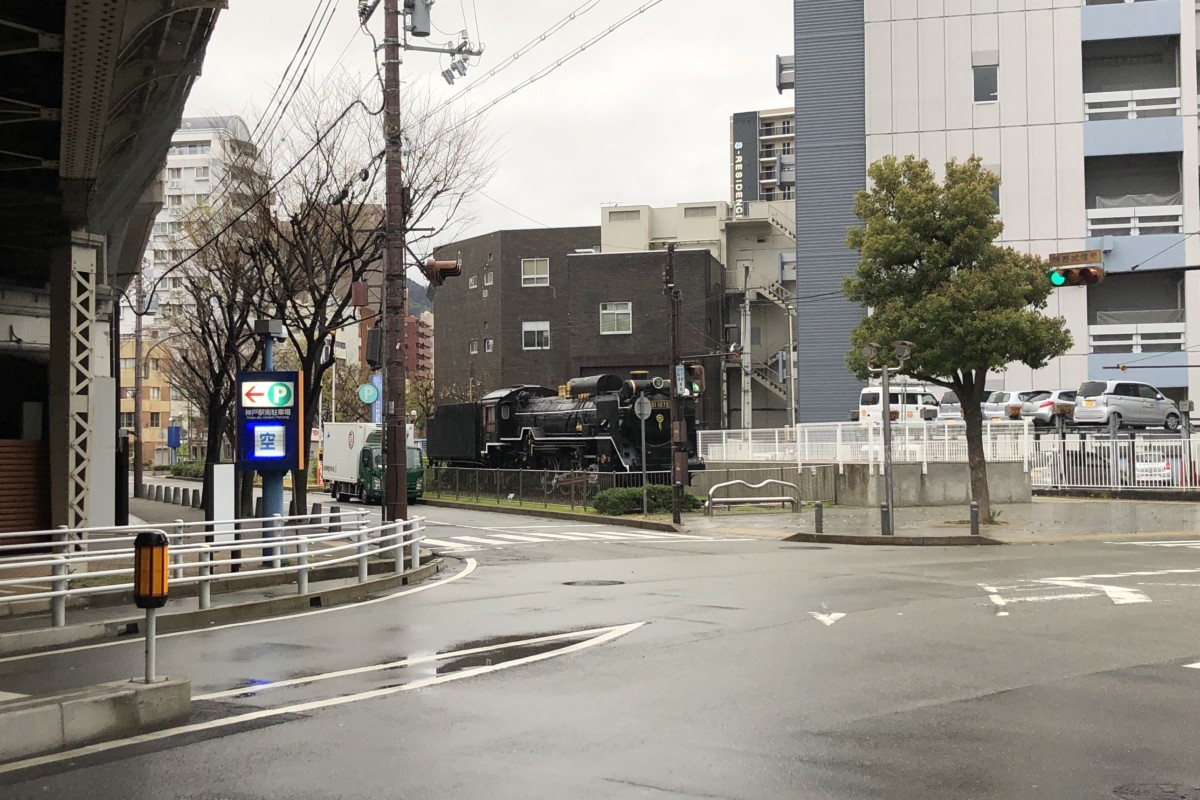
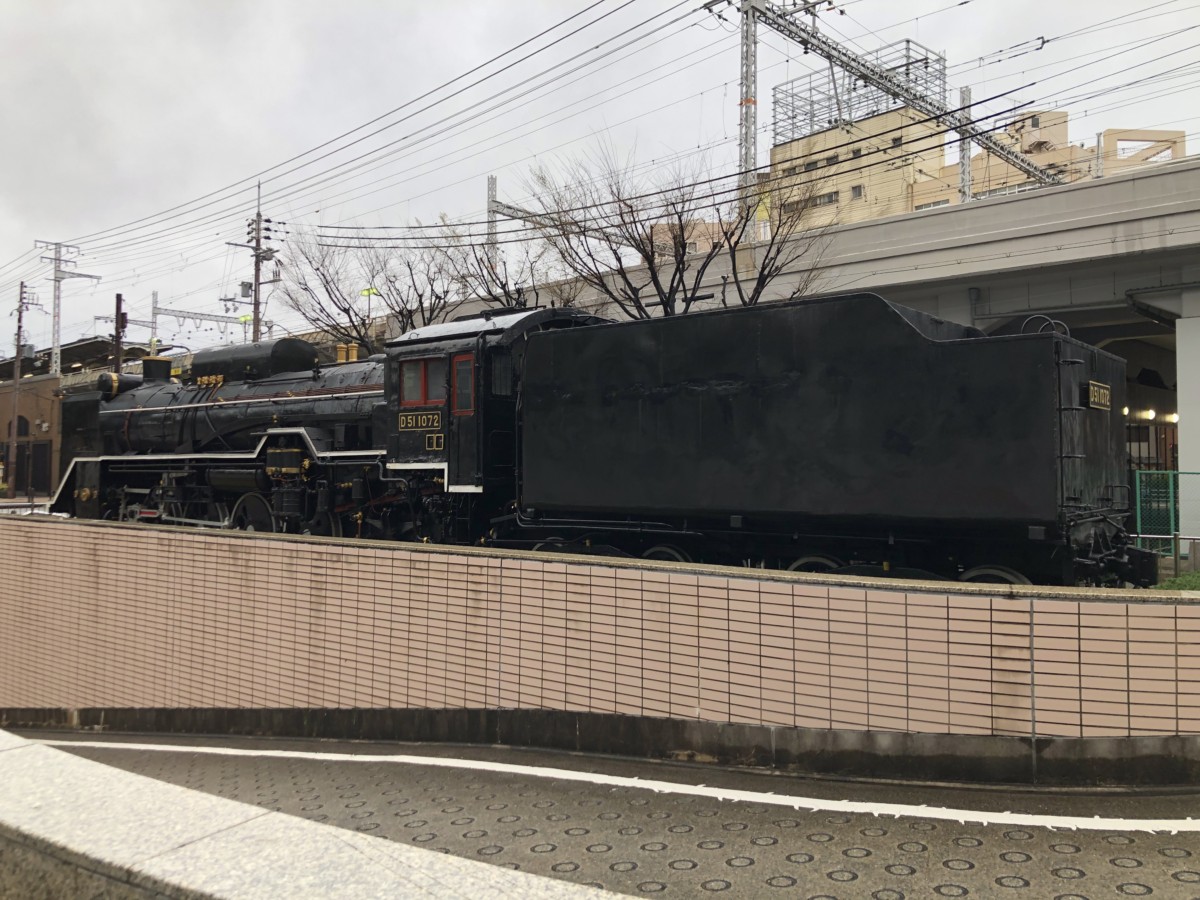
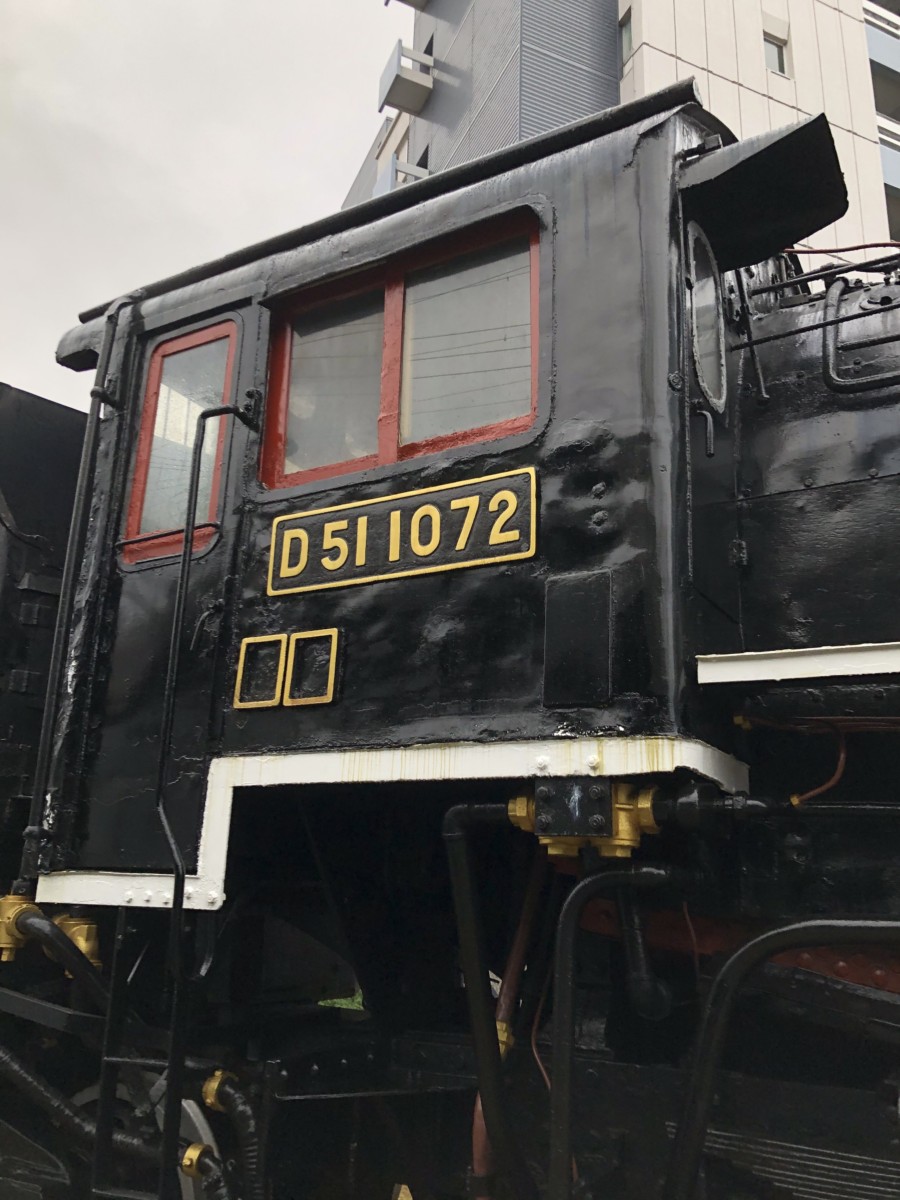
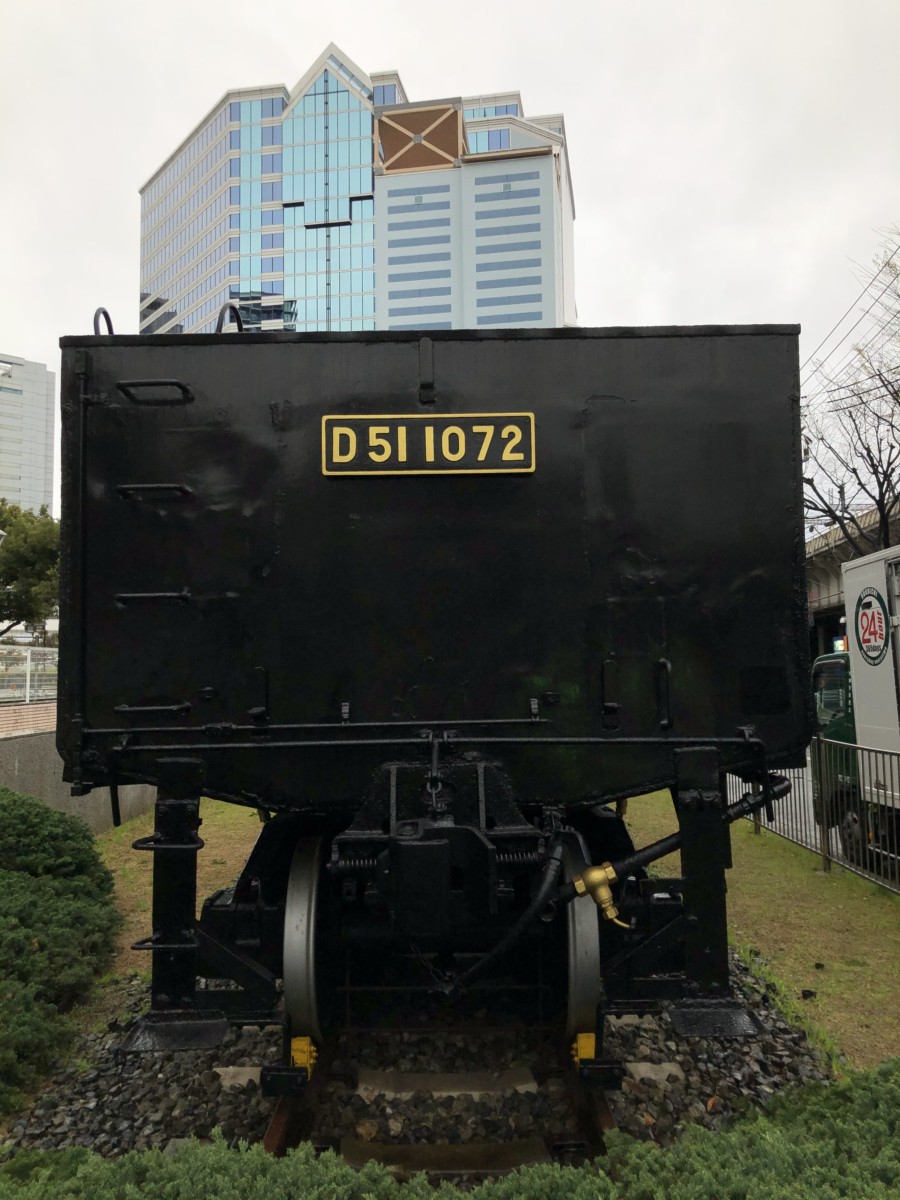
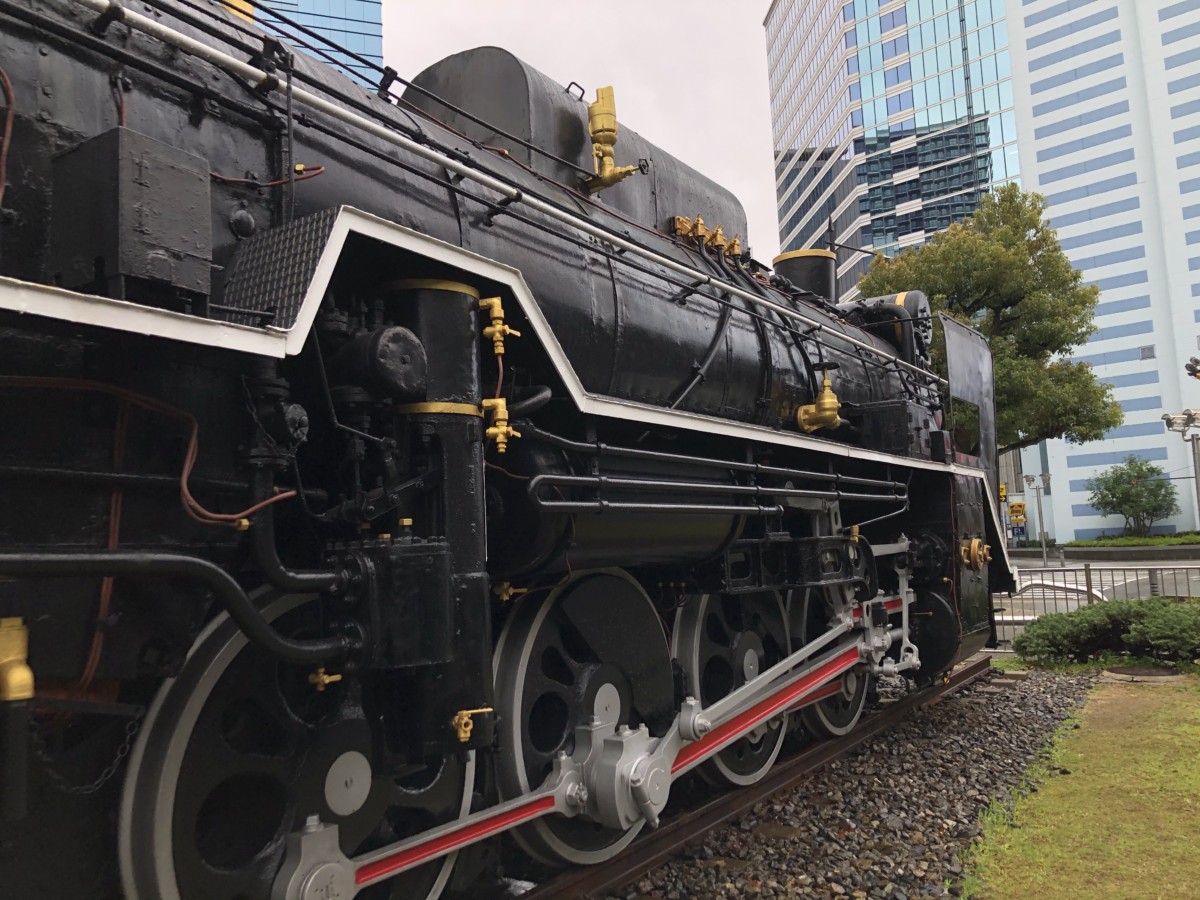
Another D51 but there was something cool about this one for me – on the way back from Matsue, I was staying in a hotel a few stops from here and I got up early to ride the train to Kobe just to visit this loco. The city centre was empty of people; calm, serene and vaguely magical. A trip to see one of the ubiquitous D51s ended up feeling a little more special than I would have anticipated – although I wish it was located in a better place. It’s very hard to get a decent shot of the whole train as one side drops down into an underground car parking garage.
Unusually, this one comes with a leaflet explaining the history of the train :
This locomotive was born on February 27, 1943 at the Nippon Sharyo Main Store in Nagoya City. During World War II, owing to the shortage of materials and skilled workers, he began life as a wartime model with some parts assembled from substitute materials and took on an active role in Hokkaido.
After the war, the parts with substitute materials that were dangerous were restored to the originals, and the cab was changed to a closed type cab for cold regions.
It features a cold-weather closed cab, a tender that still has the features of a wartime design, a part called the bottom tender, and a simple structure called a dome-shaped cover for the steam locomotive / sand box at the top.
In December 1975, the train retired just before the end of the JNR steam trains in Hokkaido. It was thereafter stored at the Naebo Factory.
“One of the last steam locomotives of the Japanese National Railways should be in Kobe City” The Kobe Lions Club requested the Japanese National Railways to lend them this train for Kobe City. “Green D51 Square” was opened in Nishimoto Town (now Kirara) July 15, 1978, and served as a home to this D51 unit. Later, it was relocated to its present home where Kobe Station was originally situated.
Here’s a breakdown of the details about this train, taken from the 国鉄D51形蒸気機関車 entry at wikipedia.
TYPE D51 (2-8-2 locomotive)
Axis arrangement : 1D1
Gauge : 1,067mm
full length : 19,730mm
Overall height : 3,980mm
Locomotive weight : 78.37t (operation maintenance)
Tender weight : 47.40t (operation maintenance)
Gross weight : 125.77t
Driving wheel diameter :1,400mm
Axis load : 14.30t
Number of cylinders : Single 2-cylinder
Cylinder (diameter x stroke) : 550mm x 660mm
Valve device : Walschaert style
Boiler pressure : 14.0 kg f / cm² (1.373 MPa; 199.1 psi) (when first introduced)
15.0 kg f / cm² (1.471 MPa; 213.4 psi) (all cars afterthe war)
Boiler water capacity : 6.0m³
Large smoketube (diameter x length x number) : 140mm x 5,500mm x 35
Small smoketube (diameter x length x number) : 57mm x 5,500mm x 94
Grate area : 3.27m²
Total heattransfer area : 221.5m²
Overheat heattransfer area : 41.4m²
Total evaporation heattransfer area : 168.8m²
Smoketube evaporation heattransfer area : 147.4m²
Firebox evaporation heattransfer area : 17.5m²
Fuel load : 8.0t (Unit 1-954) / 10.0t ( Unit 1001-1161 )
Watertank capacity : 20.0m³
Braking device : Automatic air brake
Security device : ATS-P / Ps (498), ATS-SW / ATS-P (200)
Maximum driving speed : 85km/h
Maximum output : 1,400 PS
Rated output : 1,280 PS
You can visit D51-1072 by going here.
 CityHillsAndSea
Leave a comment