There are more than a few steam locomotives sitting in parks across Japan, enjoying their retirement.
I wanted to acknowledge the ones I happen across for all their hard work, so I started the Static Life Steam Locomotives Project, SLSL for short.
A map of the Static Life Steam Locomotives & more about the project is here.
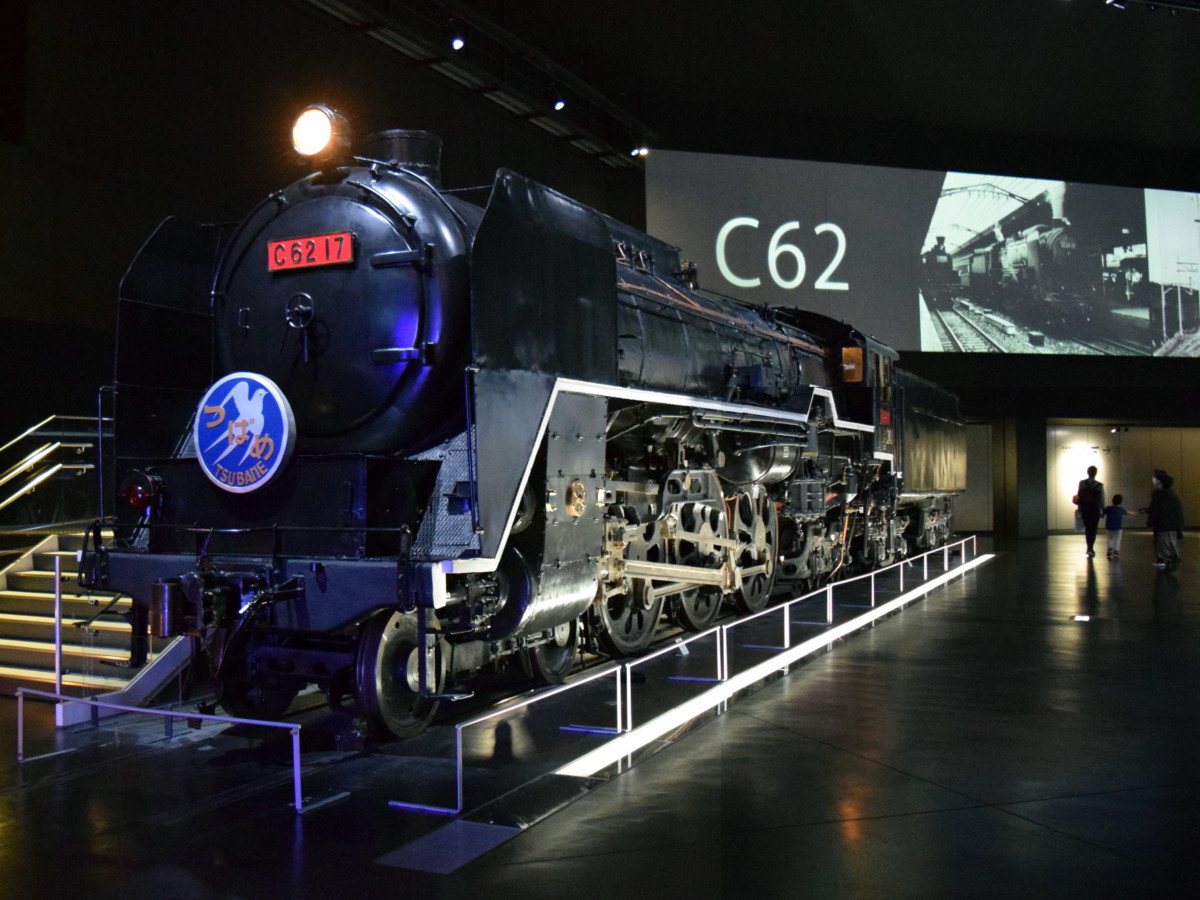
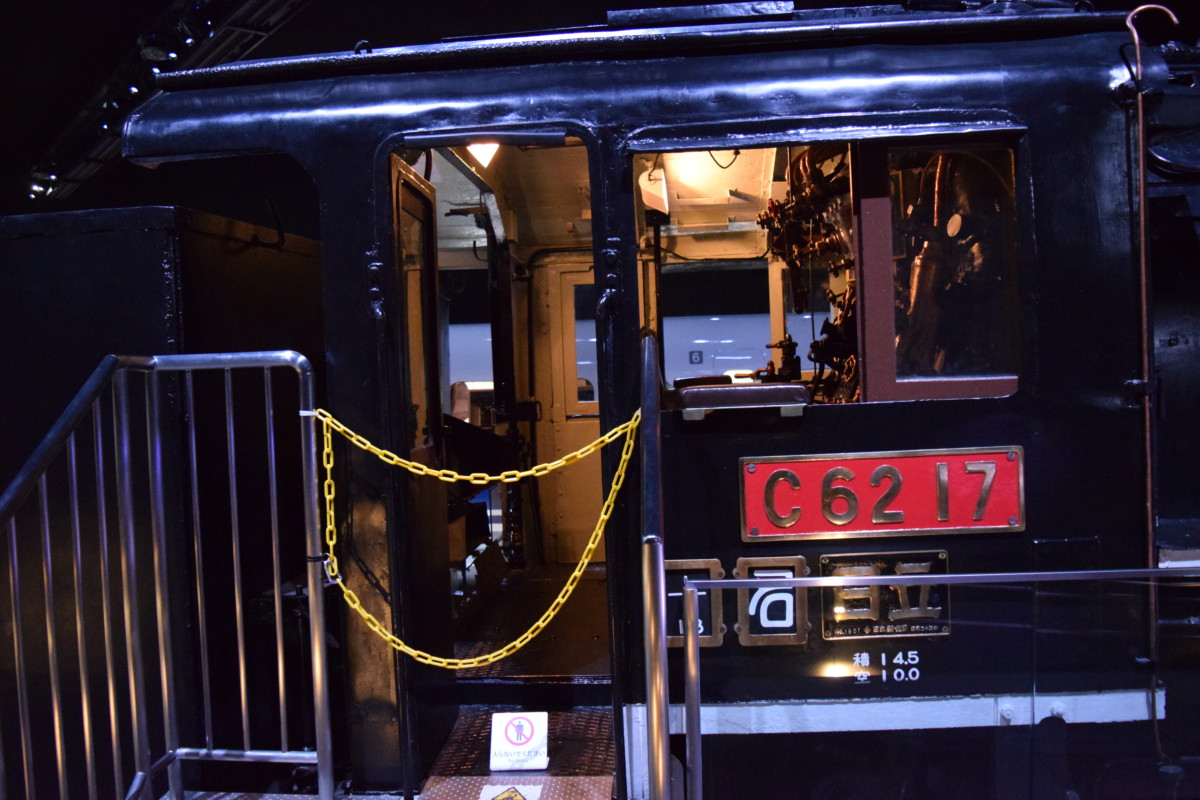
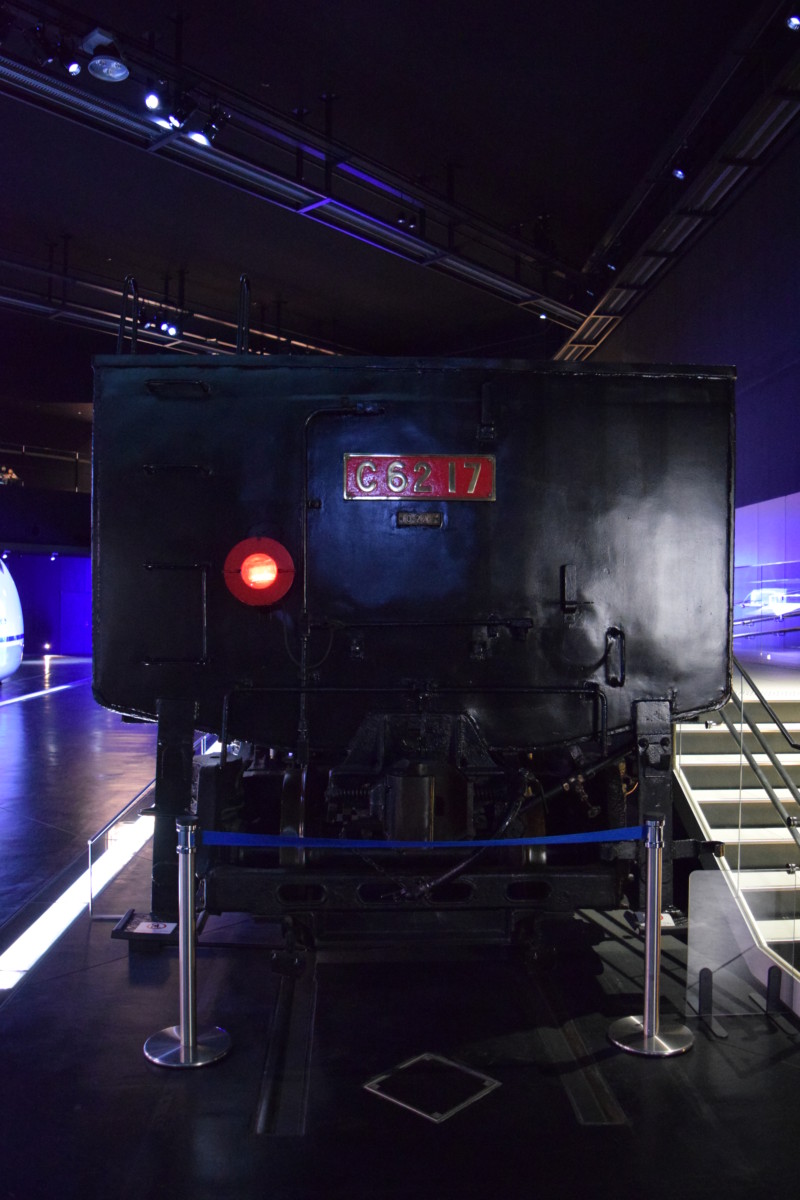

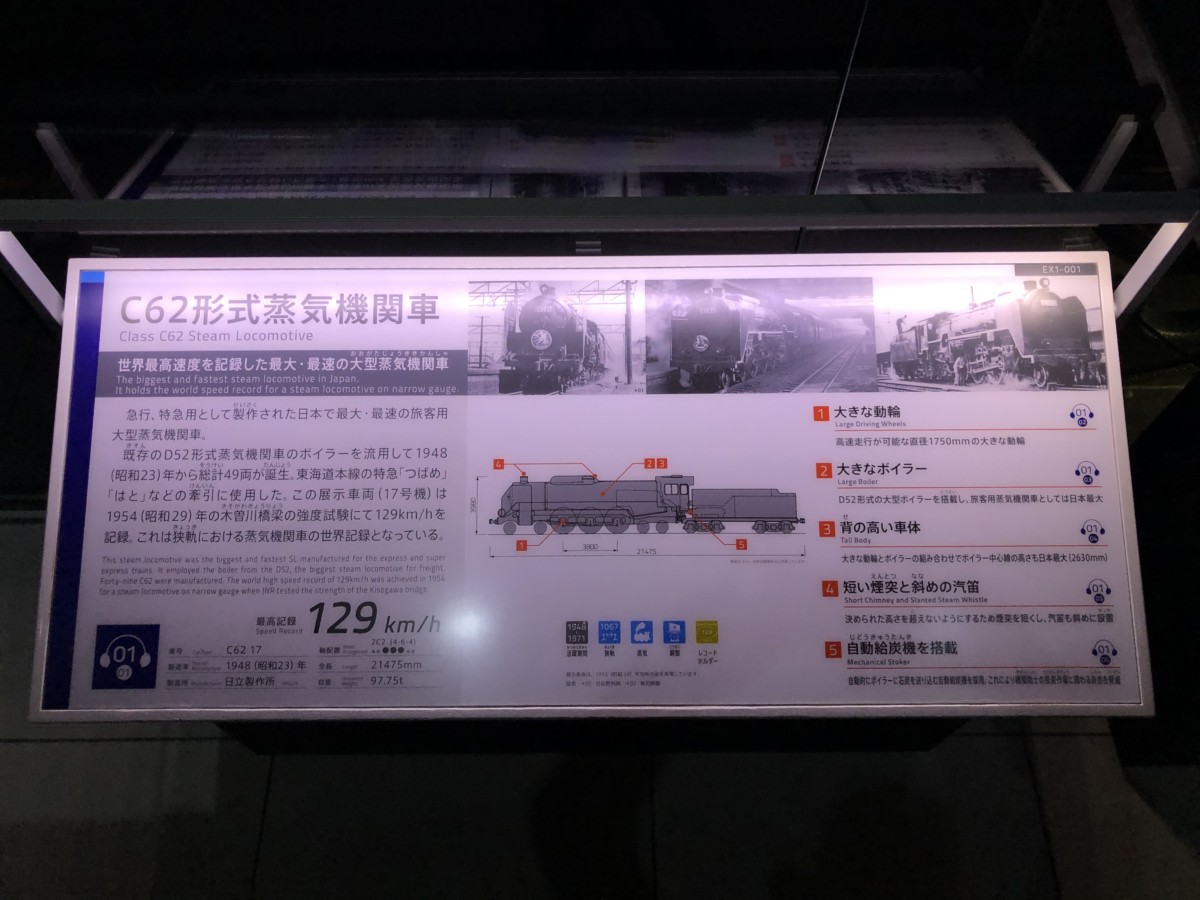
The SCMaglev and Railway Park, about fifteen minutes south of Nagoya city centre, is one of the better train museums I’ve been in. It’s not terribly big, but it’s beautifully presented with some great information on all the exhibits and the retired trains that live there.
After coming in to the museum and making your way through the main entrance, you take a turn into a dimly lit hall, where 3 legends of Japanese rail are honoured. The MLX01 MagLev sits on one side: it set a speed record of 361mph in 2003. To its left, you can see a class 955 / 300x shinkansen: on July 26th 1996, it set a record speed of 275mph, which still stands today.
Compared to the two modern monsters beside it, C62-17’s speed record, set in December, 1954, might not seem all that impressive – 82mph on a stretch of the Tokaido line. However, this was a world record for a narrow gauge train at the time and it’s these kinds of experiments that push the envelope of engineering, leading us up to something as insanely fast as the MagLev…
… just makes you wonder where we’re going to end up. In space, perhaps?
The C62 has kind of already been in space, in Galaxy Express 999.
While you might think you’re not all that familiar with that particular anime, you’re probably familiar with Daft Punk, whose Discovery album had several animated tie-ins done by Leiji Matsumoto, creator of Galaxy Express 999.
Another weird geeky pop culture fact – the C62 inspired the name of the video game company, Hudson Soft – creators of the PC Engine and the Bomberman series. 4-6-4 configuration locos in the US were named Hudsons, so this became a nickname for the C62 in Japan as well.
You might also notice the Tsubame plate on the front of the C62-17 – this is Japanese for swallow, and was the name of the express service between Tokyo and Osaka that the C62s would have run. The name still survives today, but applies to a JR Kyushu shinkansen, if I’m not mistaken.
Here’s a breakdown of the details about this train, taken from the appendix to Steam Locomotives of Japan, Naotaka Hirota: Kodansha International (1972).
TYPE C62 (4-6-4 tender locomotive)
Built by Hitachi, Ltd., Kawasaki Sharyo Co., and Kisha Seizo Kaisha, Ltd.
CYLINDER: 520 x 660mm
BOILER PRESSURE: 16.0kg/cm²
FIRE GRATE AREA: 3.85m²
TOTAL HEATING SURFACE: 244.5m²
– SUPER HEATING SURFACE: 77.4m²
– EVAPORATIVE HEATING SURFACE: 167.1m²
– HEATING SURFACE OF SMOKE TUBES: 147.4m²
– HEATING SURFACE OF FIRE BOX: 17.5m²
– HEATING SURFACE OF ARCH TUBES: 2.2m²
BOILER CAPACITY: 9.87m³
LARGE SMOKE TUBES (diameter x length x number) 140 x 5000 mm x 35
SMALL SMOKE TUBES (diameter x length x number) 57 x 5000 mm x 94
WEIGHT OF ENGINE (in working order) 88.83t
WEIGHT OF ENGINE (empty) 78.20t
ADHESIVE WEIGHT OF ENGINE (in working order) 48.23t
WEIGHT OF TENDER (in working order) 56.34t
WEIGHT OF TENDER (empty) 21.86t
WATER CAPACITY : 22m³
FUEL CAPACITY : 10.00t
VALVE GEAR : Walschaert’s
INTRODUCED : 1948
You can visit C62-17 here.

 CityHillsAndSea
Leave a comment