The Enoden links Fujisawa & Kamakura via a coastal route that gives both those cities access to the little island of Enoshima – hence the name. It’s a charming, old-fashioned trainline, with some really interesting sights to be seen along the way.
Click this link for more info.
(You can find the Enoden station to the south of the JR station, tucked away on the right hand side of the second floor of the Odakyu department store building.)
Local Sights
Fujisawa was one of the 53 post stations on the Tokaido – the east-west thoroughfare that linked Kyoto to Edo (modern day Tokyo). There’s therefore quite a lot of history in the area – just um, not really near this Fujisawa station.
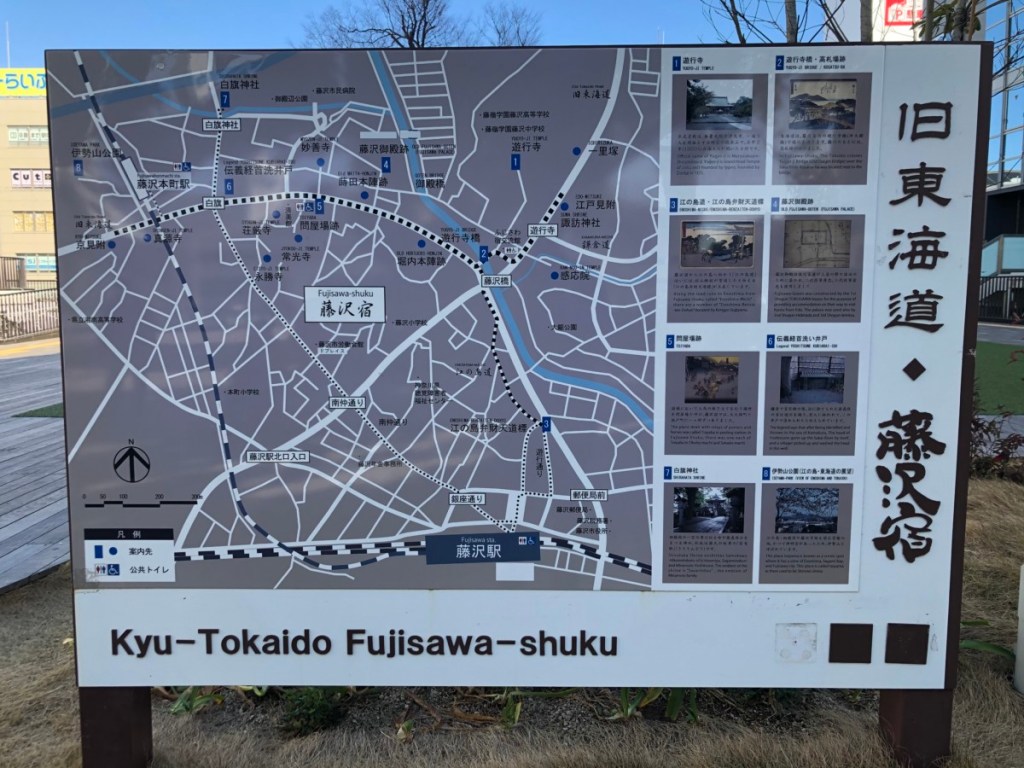
Most of the Tokaido related historical sites are a little bit north of the modern day JR Tokaido line, closer to Fujisawa-honmachi on the Odakyu line, as you can see if you embiggen this map showing sites connected to the old Tokaido route.
I figured that it’d be fun to visit each of these sites for Fujisawa’s Enoden entry, even if they’re not particularly near the station itself.
Fujisawa-shuku
Fujisawa was already a popular spot for travelers even before 1601, when it became a station – or shuku – on the Tokaido road linking Kyoto & Edo. Yugyo-ji, which you can read a little bit more about below, is the head temple for the Ji sect of Japanese Buddhism & was quite the draw for pilgrims.
This temple marked the eastern gate of the post town, and the western gate towards Kyoto would have been down near the modern day Enoden station, making Fujisawa-shuku a pretty big town – while also giving us pretty much our only real link between Enoden Fujisawa & most of the old Tokaido sites…
The bustling centre of the town would have been about a kilometre or two north of what these days forms the heart of Fujisawa, where the Enoden station itself now sits; perched up on the second floor of a department store across the road from the JR Tokaido station.
But let’s go back to the old days of Tokaido travel, and take a look at some of those sites that were so prominent when the horsepower of your conveyance was in single digits and journey times were measured in days, not hours.
First up off the list then, it’s –
Iseyama Park
Just next door to the bicycle park for Fujisawa Honmachi station, you can find the entrance to this little leafy enclave at the top of a hill.

There’s not really much to see up here – an old belfry with no bell, a colourful toilet block with a cuckoo clock on the front… oh and some pretty lovely views out to sea if the weather is good.
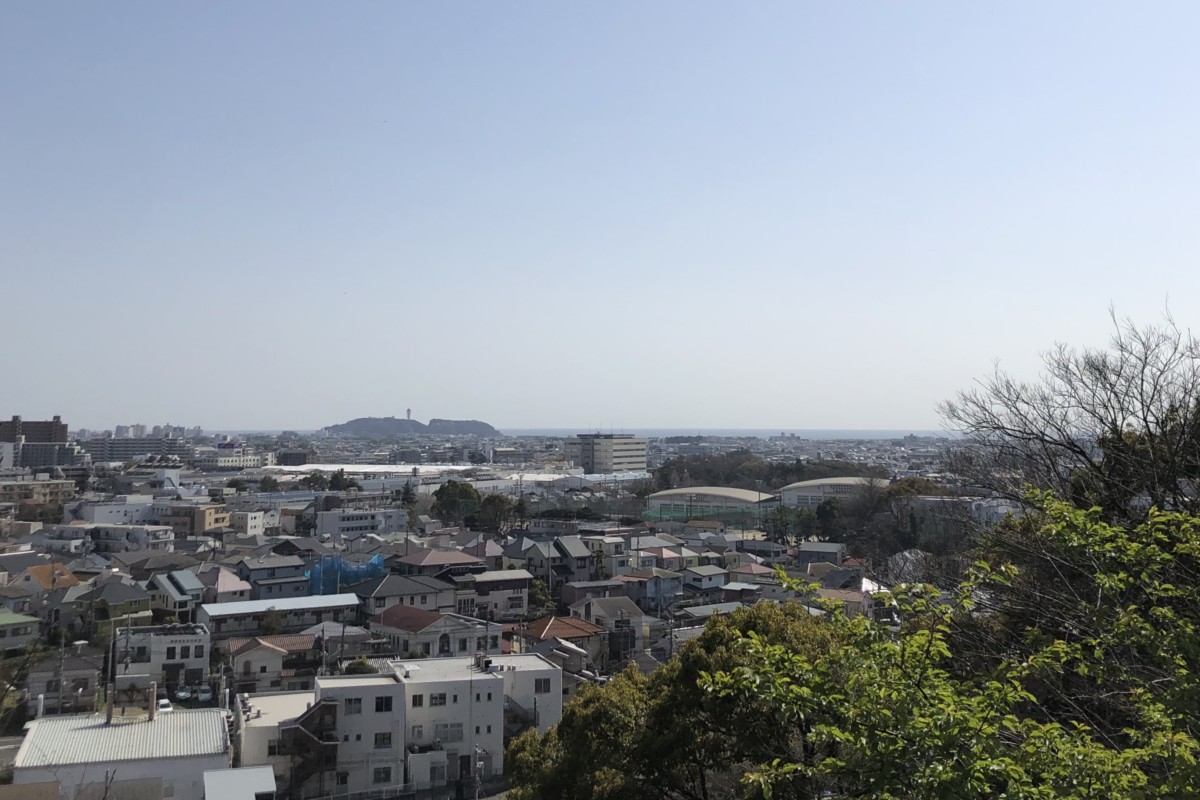

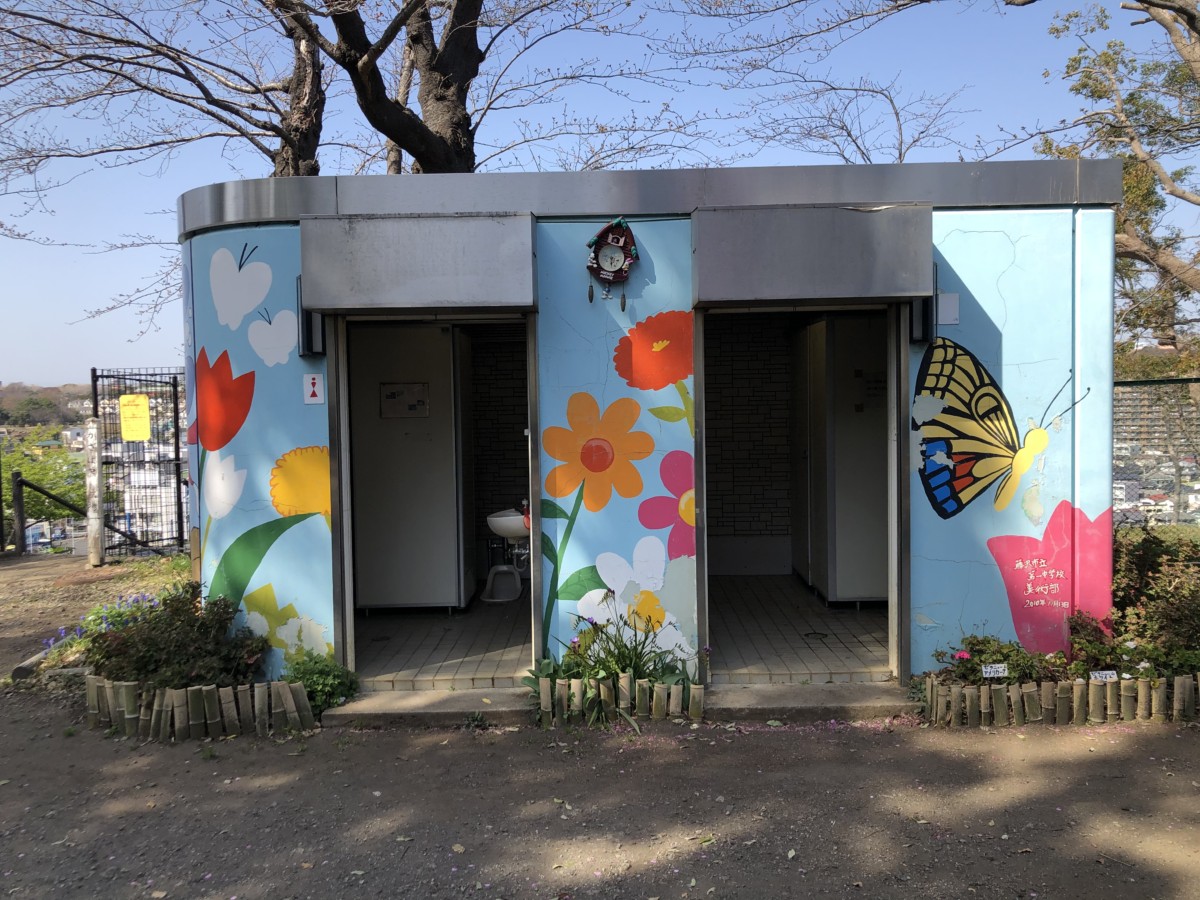
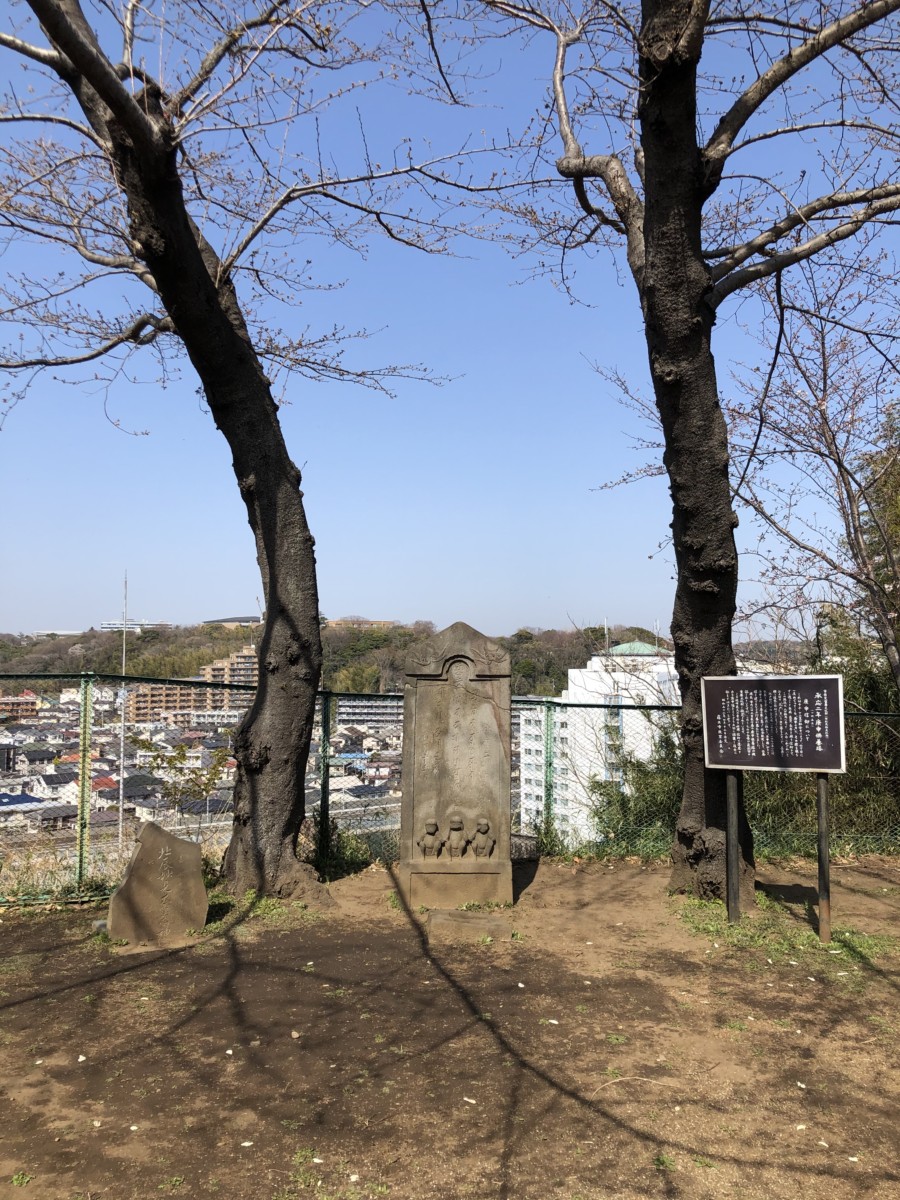
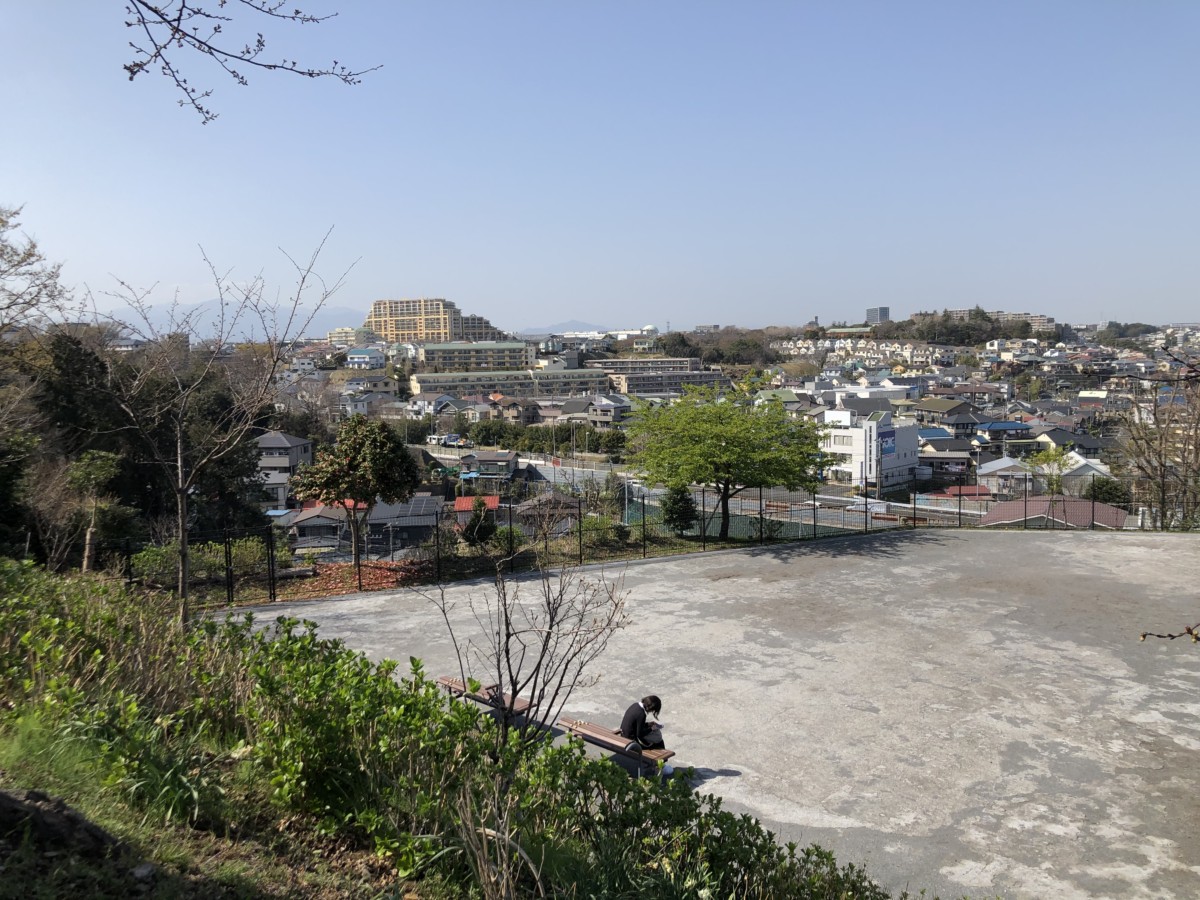

The information board here explains that:
A small hill located on the west of Fujisawa shuku and the north of Tokaido is called Iseyama, as once there was the home of the Shinmeigu, which enshrined the shared spirit of Ise-jingu shrine.
This place is known as a scenic spot, and you can overlook not only Tokaido but also Enoshima out to sea. There used to be a belfry at the top of this hill before World War II.
Shirahata Shrine
You can find this shrine on the other side of Odakyu Fujisawa-Honamchi form Iseyama, on the corner of a busy intersection, just down the road from Fujisawa Municipal Hospital & across the way from a shopping mall. It’s interesting how life moves on as places remain rooted in history – and this particular shrine would have been a historical site even to people travelling the Tokaido.
We need to go even further back into Japan’s history, to the Kamakura period, for a litle back story here.
This period saw the establishment of Japan’s first shogunate (military government) in 1192 by Minamoto no Yoritomo. As you might imagine though, it wasn’t a bloodless transition from Imperial governance to this new style. There were numerous clashes, near misses, suspicions, intrigue & betrayals along the way.
Perhaps the most famous of these is Yoritomo’s own brother, Yoshitsune, who will pop up later in this post (literally, in part) & also in further Enoden stations.
Before Yoritomo had managed to get everything settled down and just the way he liked it in his new government, Yoshitsune decided to change sides and in 1186 threw in with the Emperor and his main allies, the Taira clan.
This didn’t pan out especially well for Yoritomo, who was defeated & forced into exile. Eventually, his brother decided that he was too dangerous to have around, and sent troops to capture Yoritomo. He decided he’d rather commit seppuku.
In a forgiving mood, Yoritomo was kind enough to have his brother’s head enshrined… and it’s for this reason that Shirahata shrine exists today.
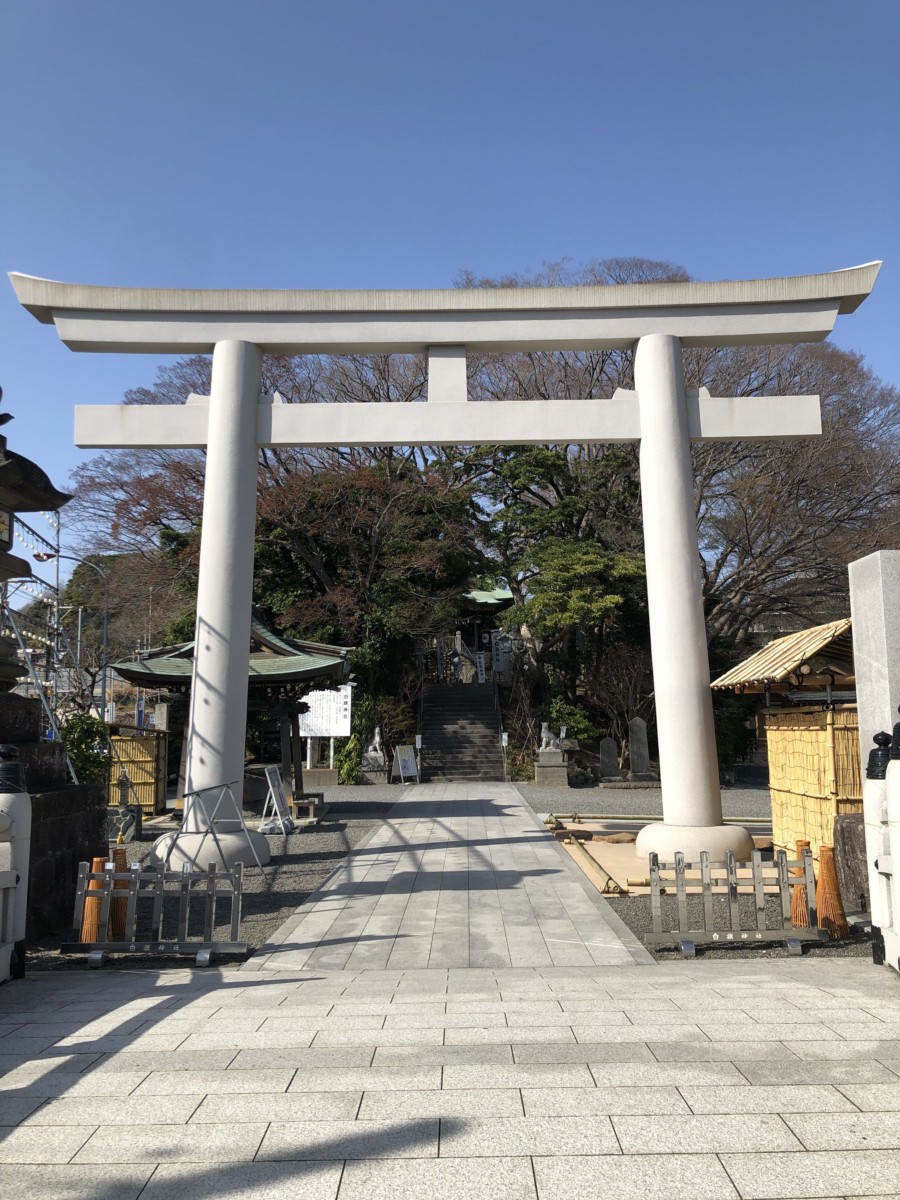
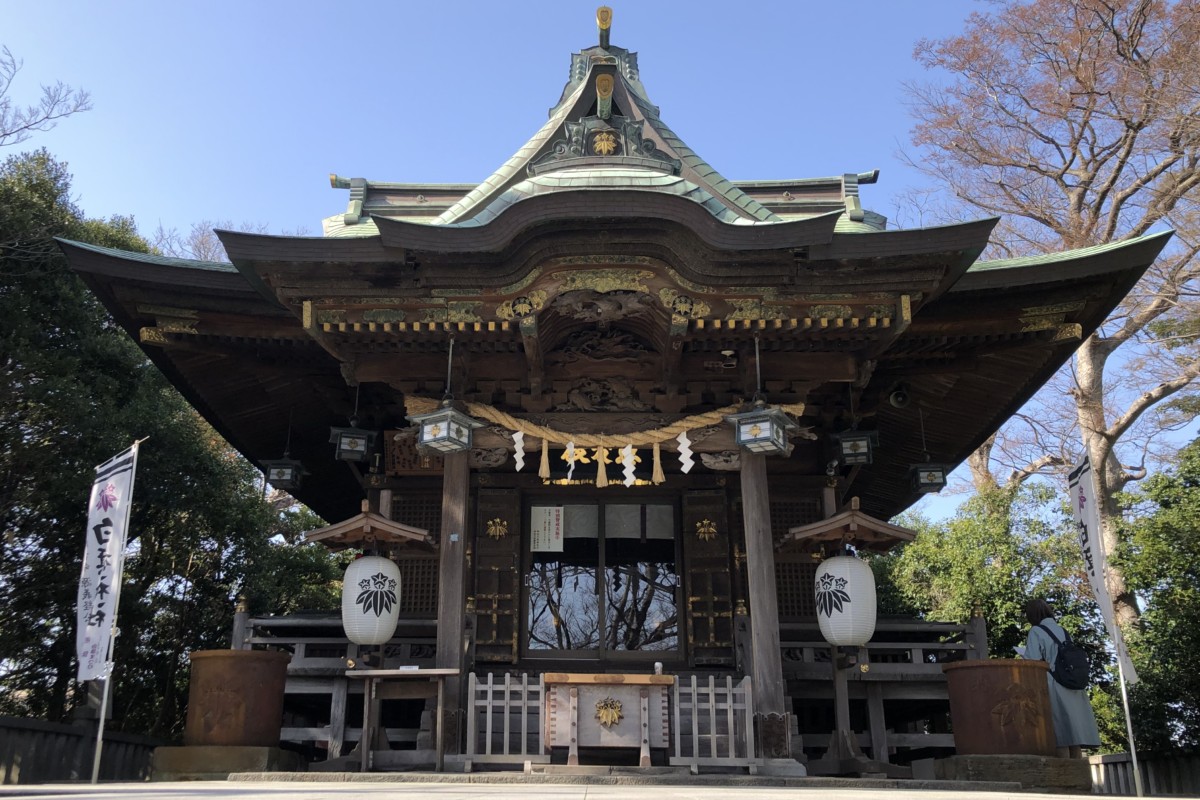

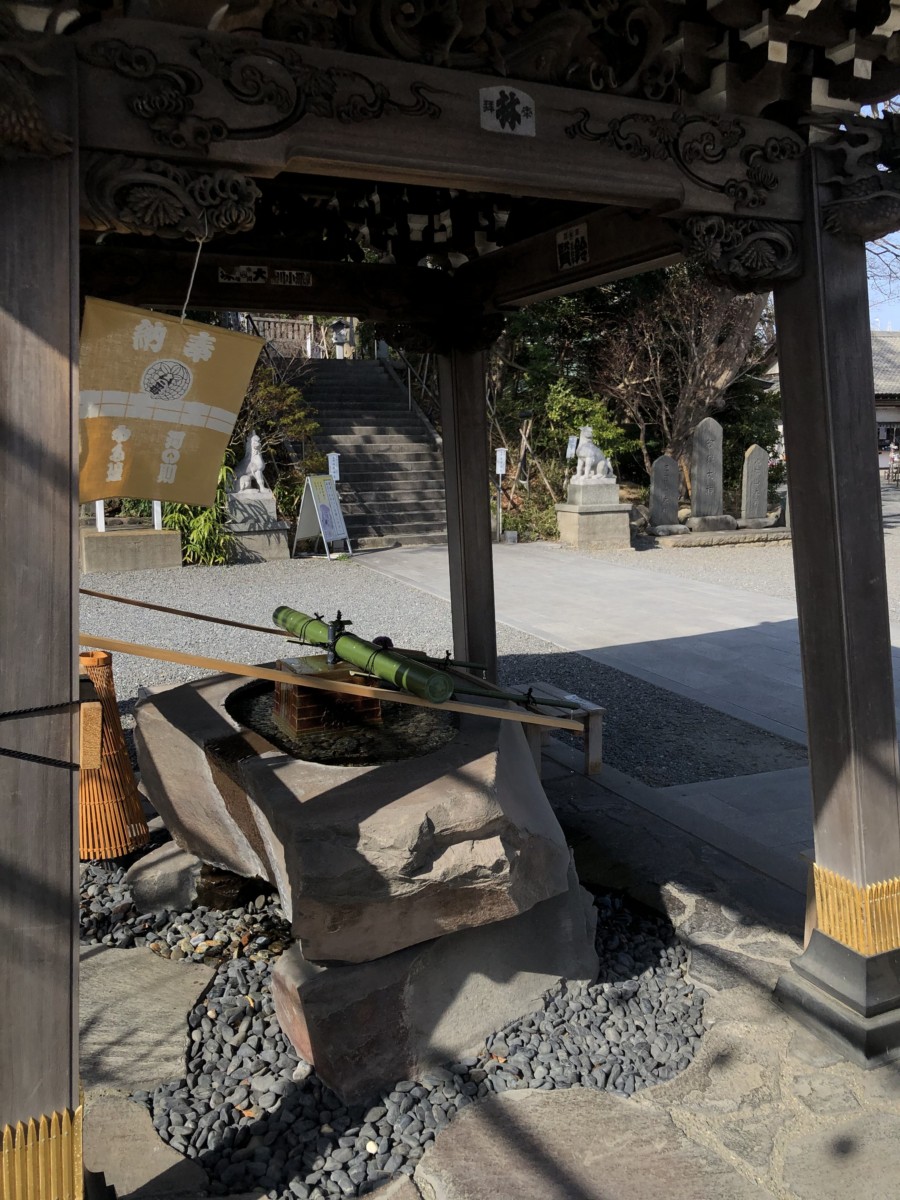
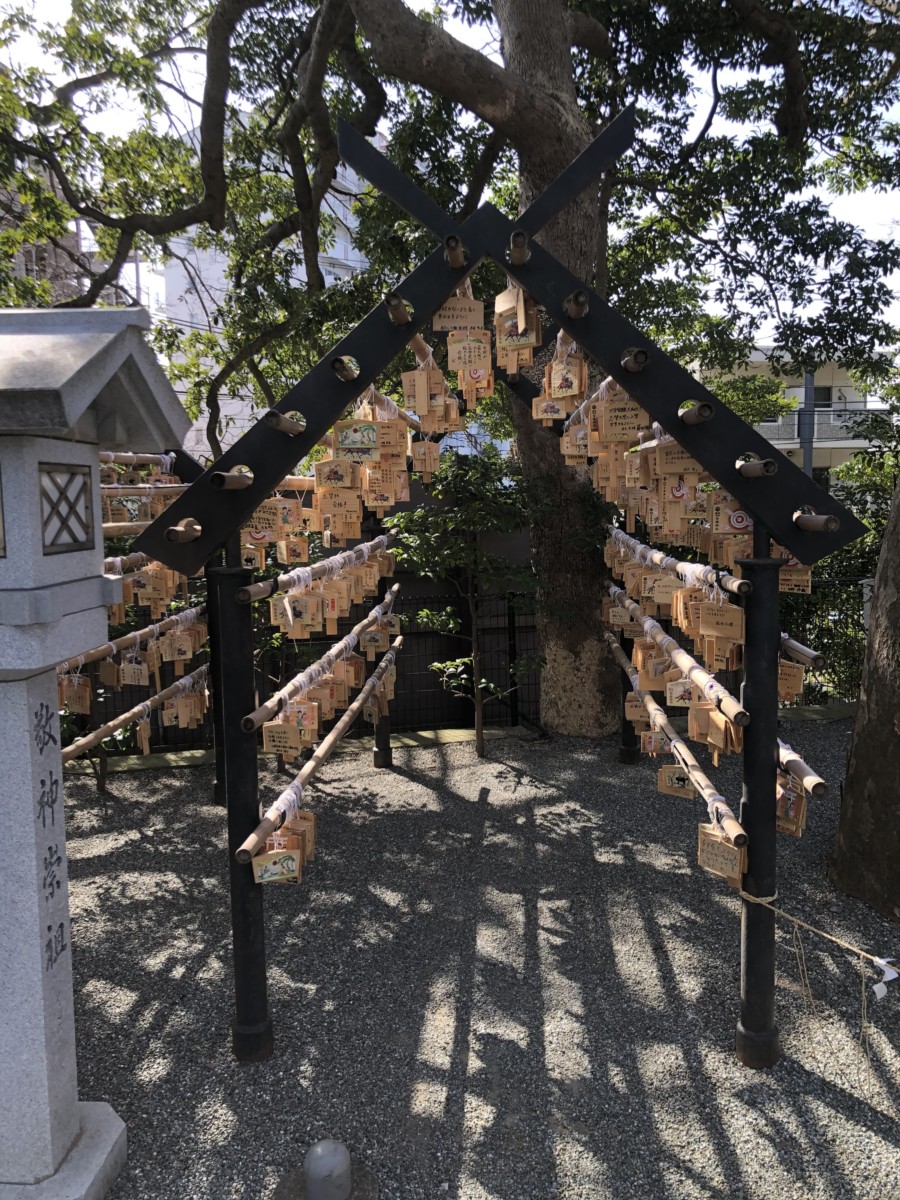
A statue in the grounds of Shirahata shrine points to an additional element of the Yoritomo legend – a tale of unwavering loyalty.
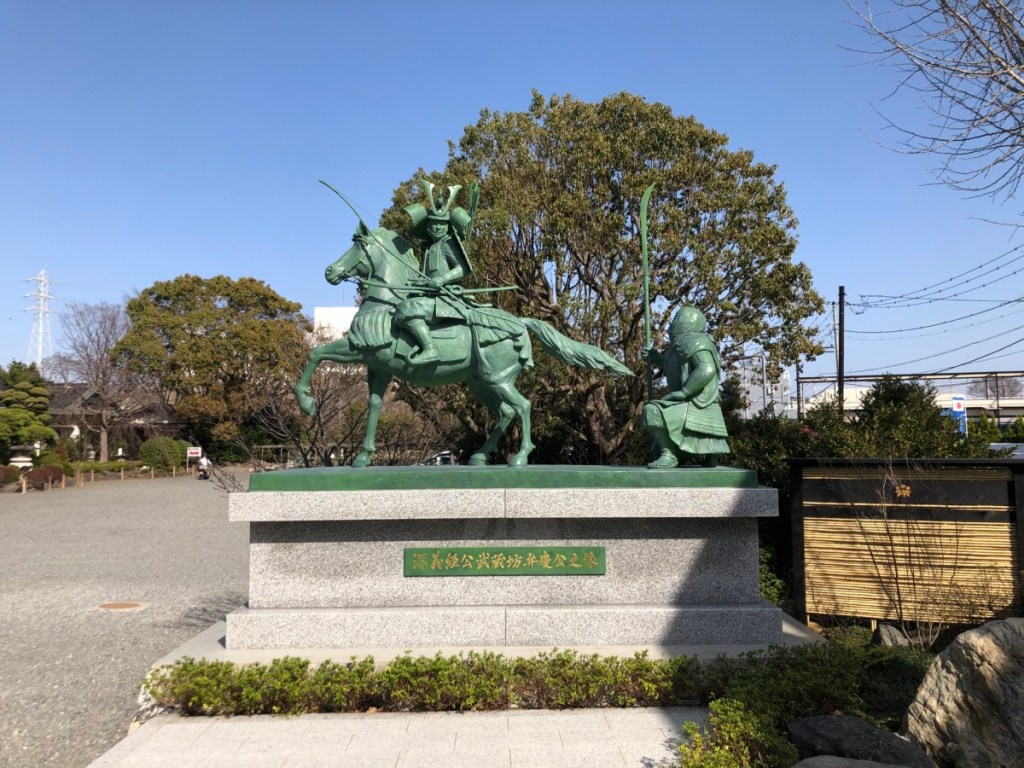
Yoritomo’s retainer, Benkei, a warrior monk who was something of a legend himself, held off the enemy forces singlehandedly to allow Yoritomo time to die honourably instead of being captured. The story goes that he died standing up, and it was quite a while before anybody was brave enough to approach the body to confirm his death.
There are still more Yoshitsune legends on this trail though, as you’ll see when we move on to the…
Legendary Yoshitsune Kaibarai-ido
Just around the corner from Shirahata shrine, hidden up an alley that passes by a koban (a little local police station) you can find the last place on this list Yoshitsune popped up. Literally.
There’s a little well here to this day, and, according to one story, after Yoritomo had been decapitated in Iwate prefecture, somebody tossed his head into the ocean. Somehow, the head managed to float all the way to Koshigoe – a future Enoden station destination – whereupon a local villager picked it up and brought it to this well for purification.
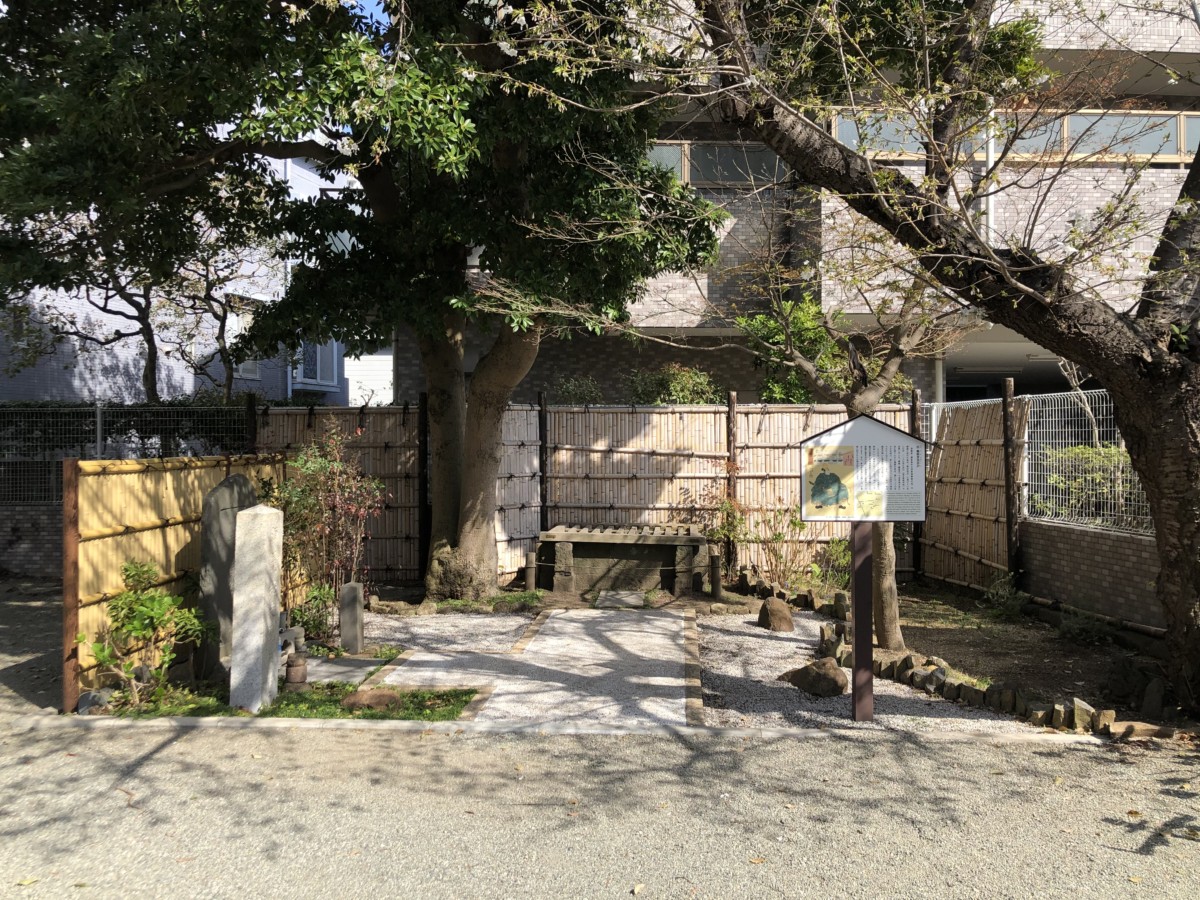
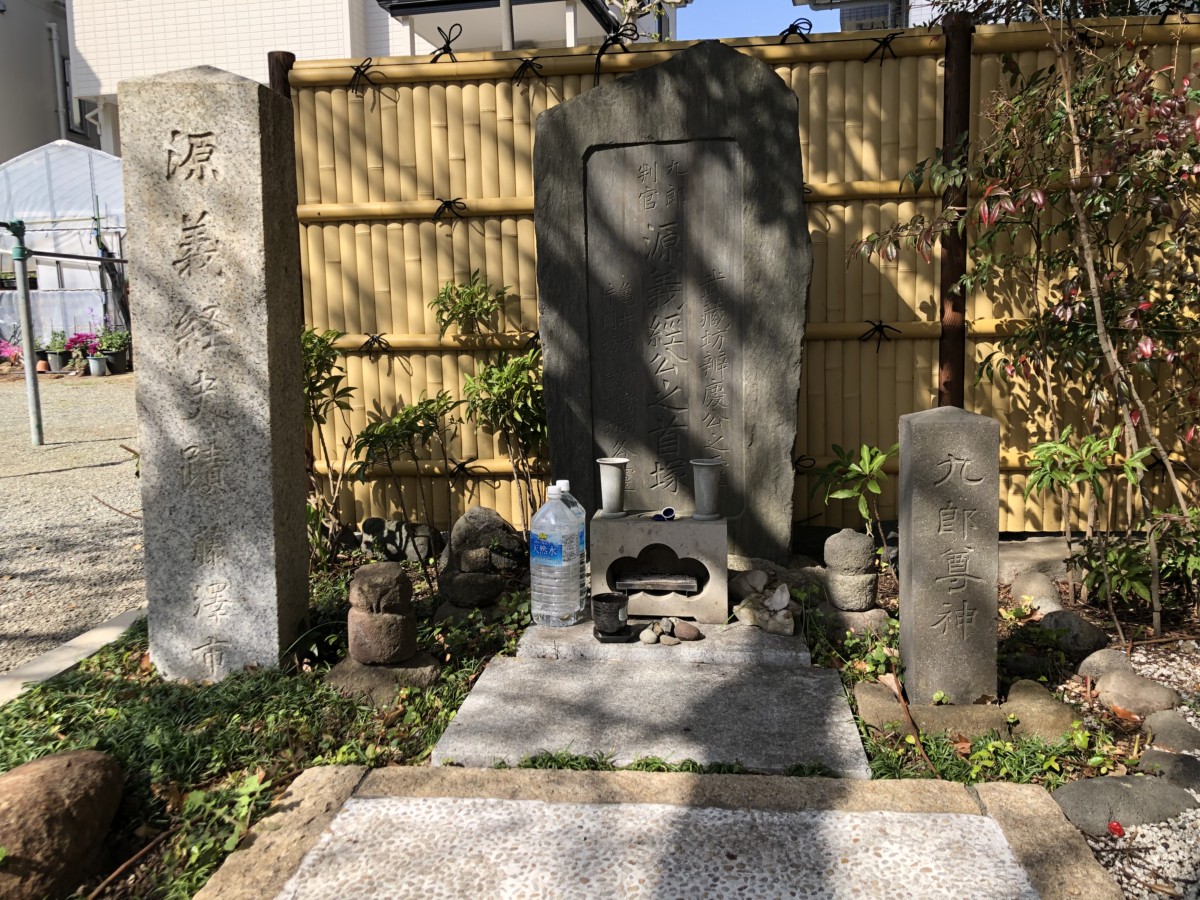
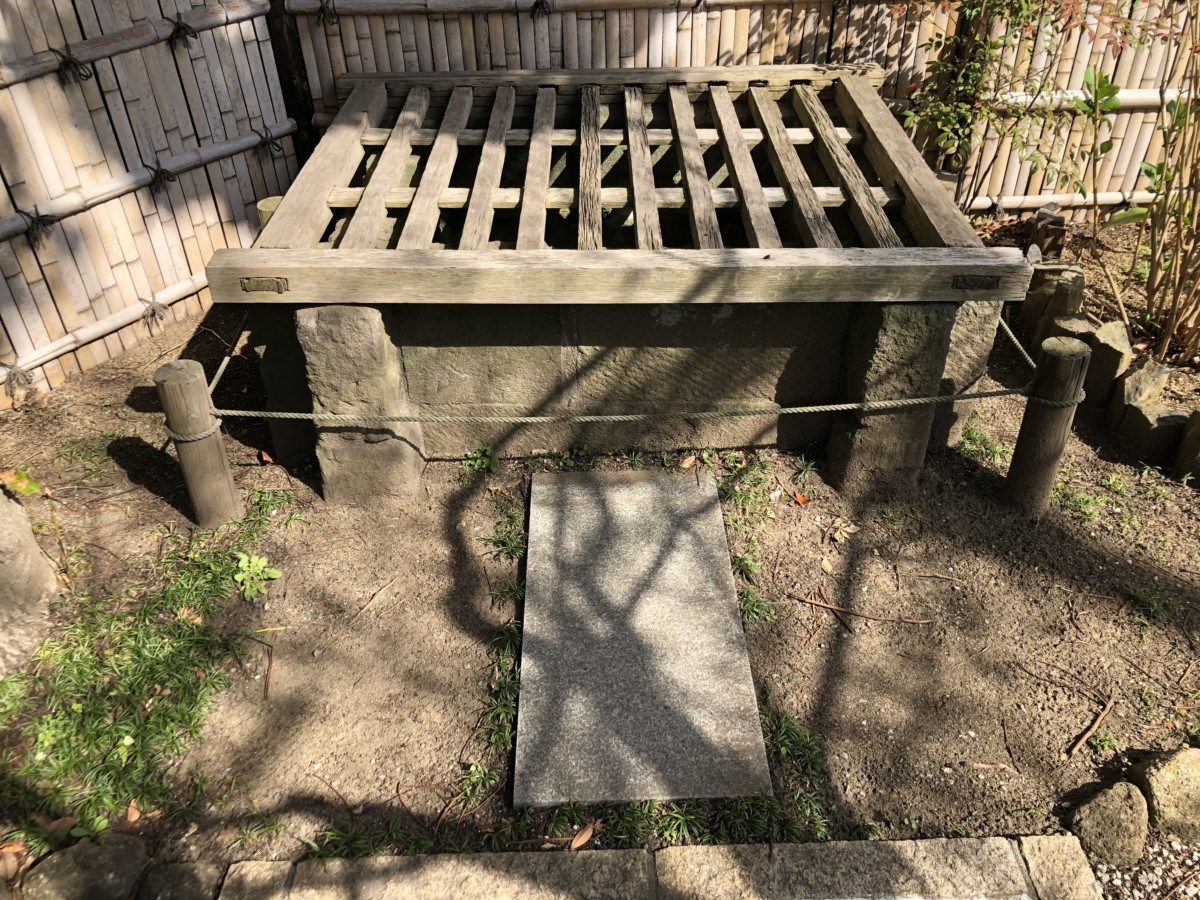
I say according because the official version states that Yoritomo’s head was preserved in sake, and delivered in a black lacquered chest to his brother before the latter had the former enshrined at Shirahata.
I suppose there’s a chance that they could both be true, it’s just so hard to know what’s what with these 900 year old tales.
Toiyaba
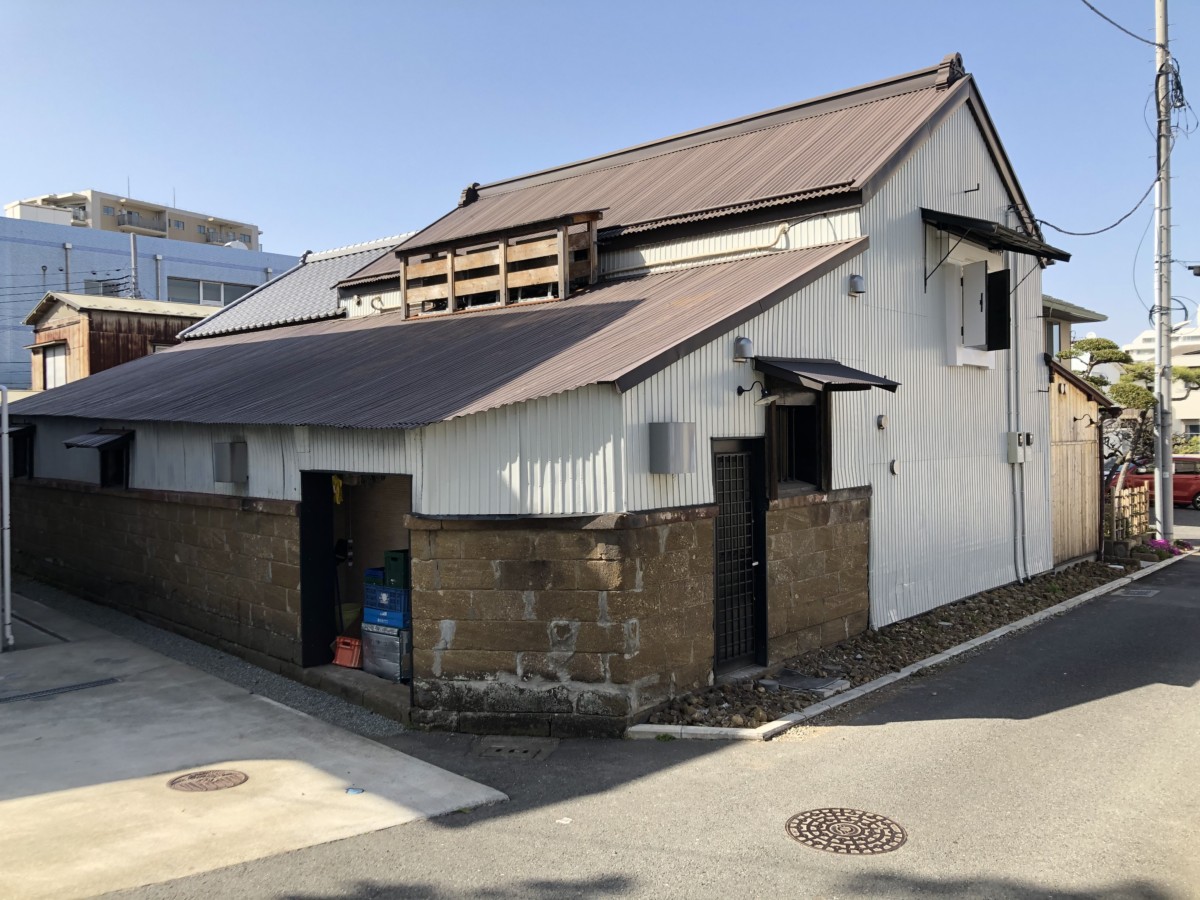
This would have been the warehouse district for the shuku. Honestly though, there wasn’t a whole lot of information about this and the map wasn’t great, so I assume that the picture I have is of the right place…(!)
Essentially, a toiya was a kind of trader or merchant and the word was also used to refer to their places of business whether those be stores or warehouses.
At any rate, here’s a couple of old buildings in that kind of style that were right about where the map said they would be, although I couldn’t find any signs or anything else to confirm or deny this belief… and I’d guess they don’t date back to the Edo period…

Old Fujisawa Goten
This was once a beautiful palace, surrounded by a moat, built at the start of the Tokugawa shogunate before being dismantled after the Great Fire of Meireki in 1657 swept through Edo/Tokyo; the materials were used in the reconstruction of parts of Edo castle.
Nowadays? Well, it’s far from being a palace –
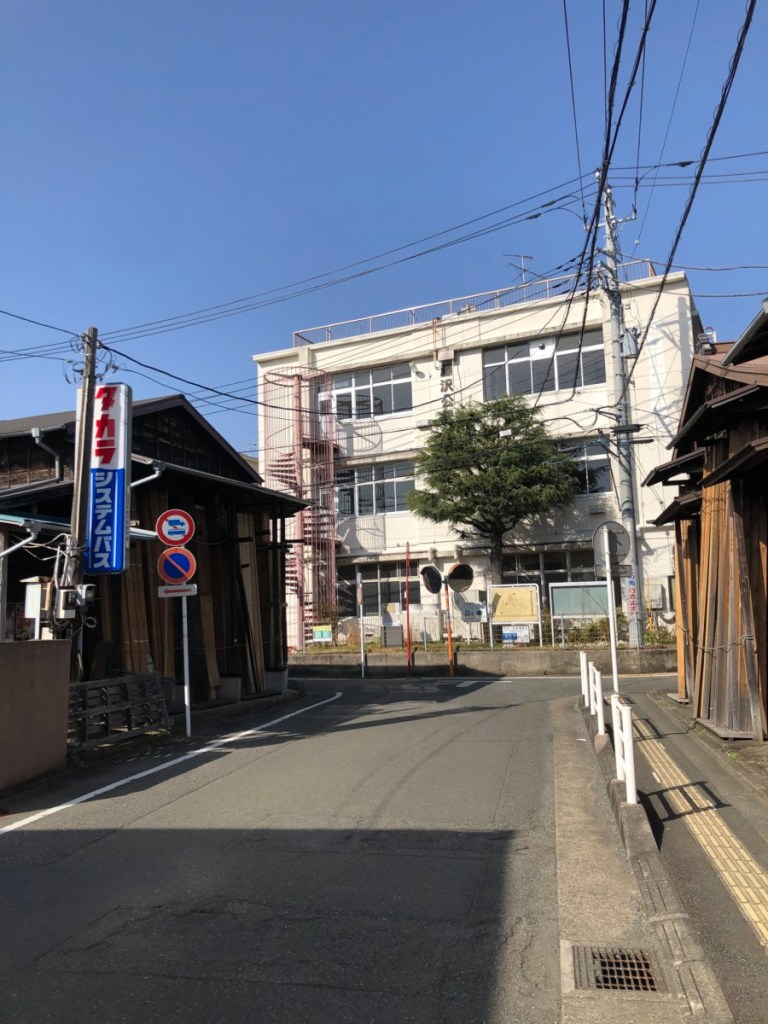
You’d never know that there was once a palace at this site – if it wasn’t for the information board at the front there, which explains:
Fujisawa-Goten was constructed in 1596 by the 1st Shogun Tokugawa Ieyasu for the purpose of providing comfortable accomodations for Shoguns on their way to visit Kyoto from Edo. It is recorded that Ieyasu, 2nd Shogun Hidetada & 3rd Shogun Iemitsu made use of the facilities, but after that, the Shogun seldom visited Kyoto, and these facilities are thought to be abolished in the era of the 5th Shogun Tsunayoshi. According to ‘Fujisawa-Goten-Ezu’ painted in 1698, Goten was a square-shaped building with a west-east side length of about 193 meters and north-south side length of about 113 meters surrounded by an outer moat filled with water and an earthen wall outside.
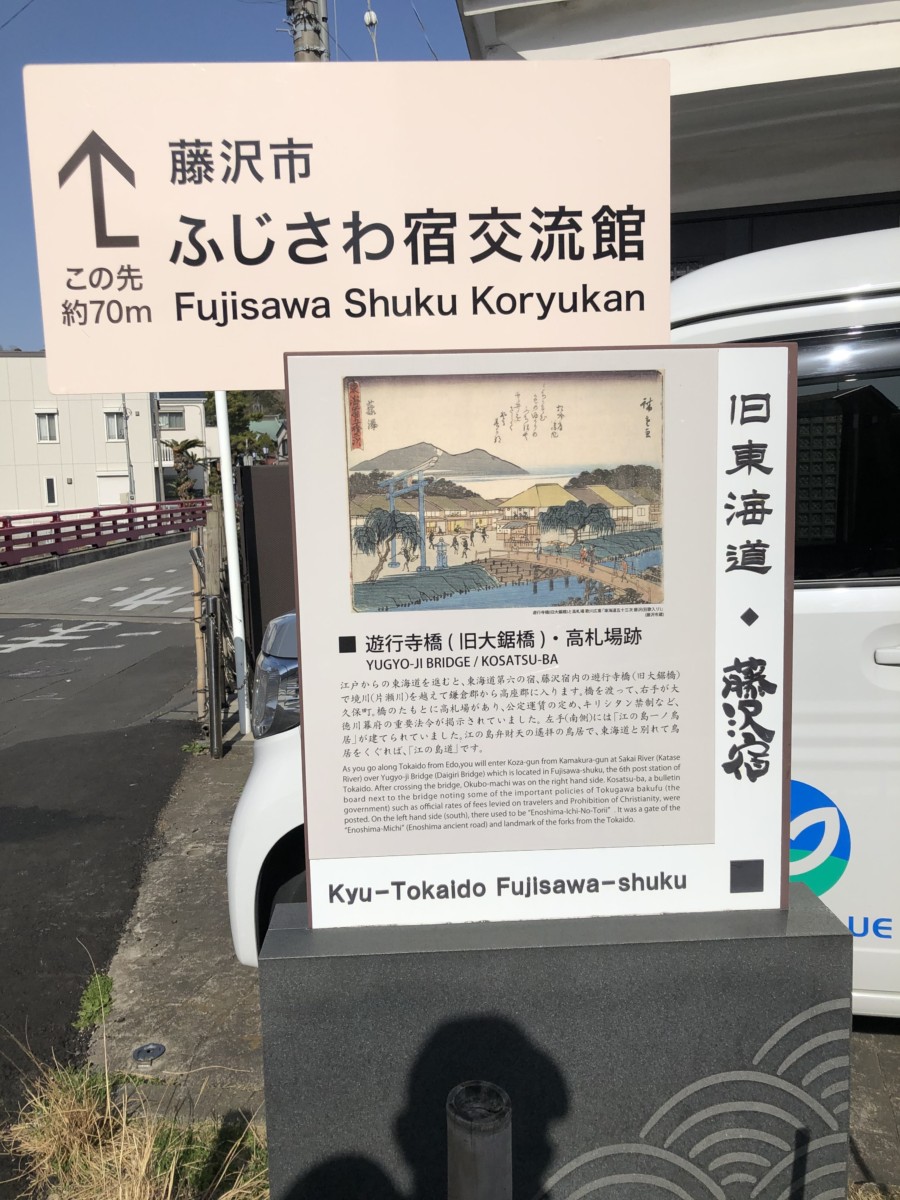
The kosatsu-ba & the Yugyo-ji bridge
The kosatsu-ba was essentially a noticeboard upon which the laws of the land and proclamations from the shogun or the local lord were affixed. Nowadays, all that remains is its location, slightly to the right of the bridge.
The bridge itself was immortalized in the ukiyo-e print by Utagawa Hiroshige, in his series ‘The 53 Stations of the Tokaido’.
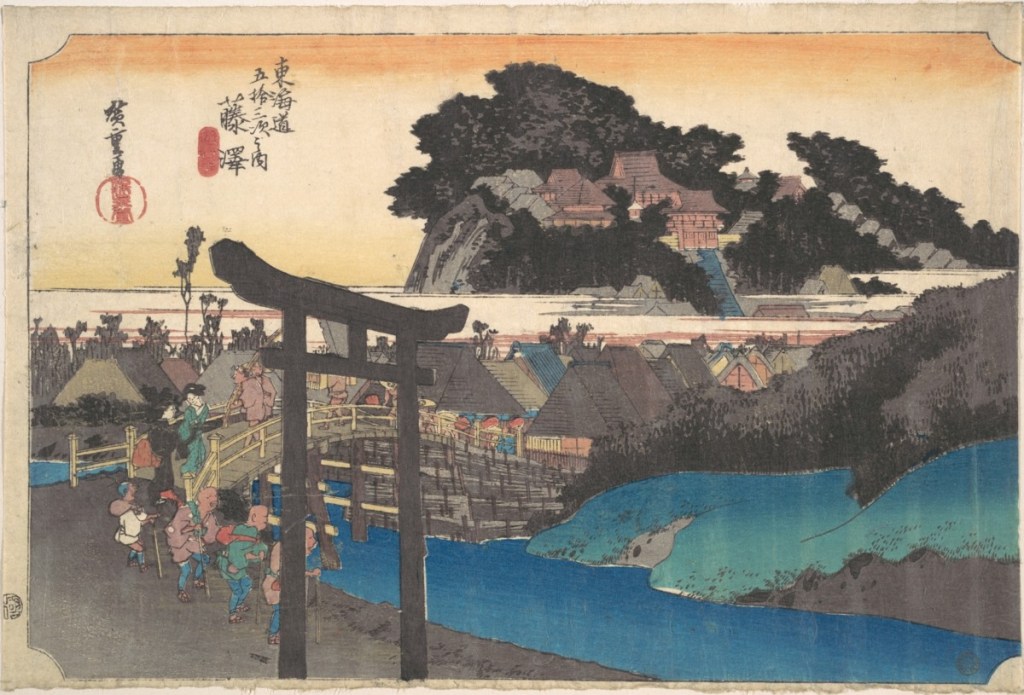
It doesn’t look quite like that nowadays –

As you might tell from the name, this bridge was once the main access point for Yugyo temple, which is situated up a slight incline, amongst the trees at the top right of this picture, and more about which you can read below.
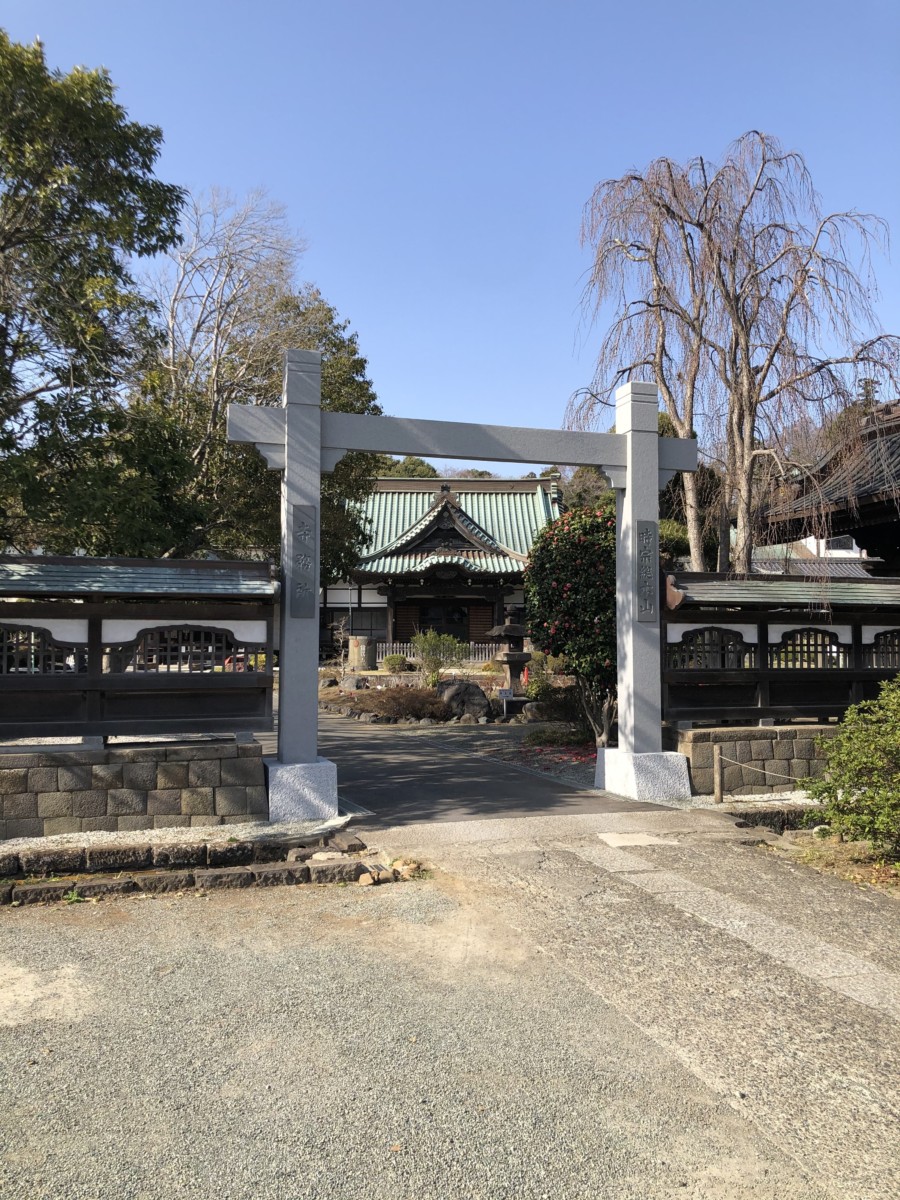
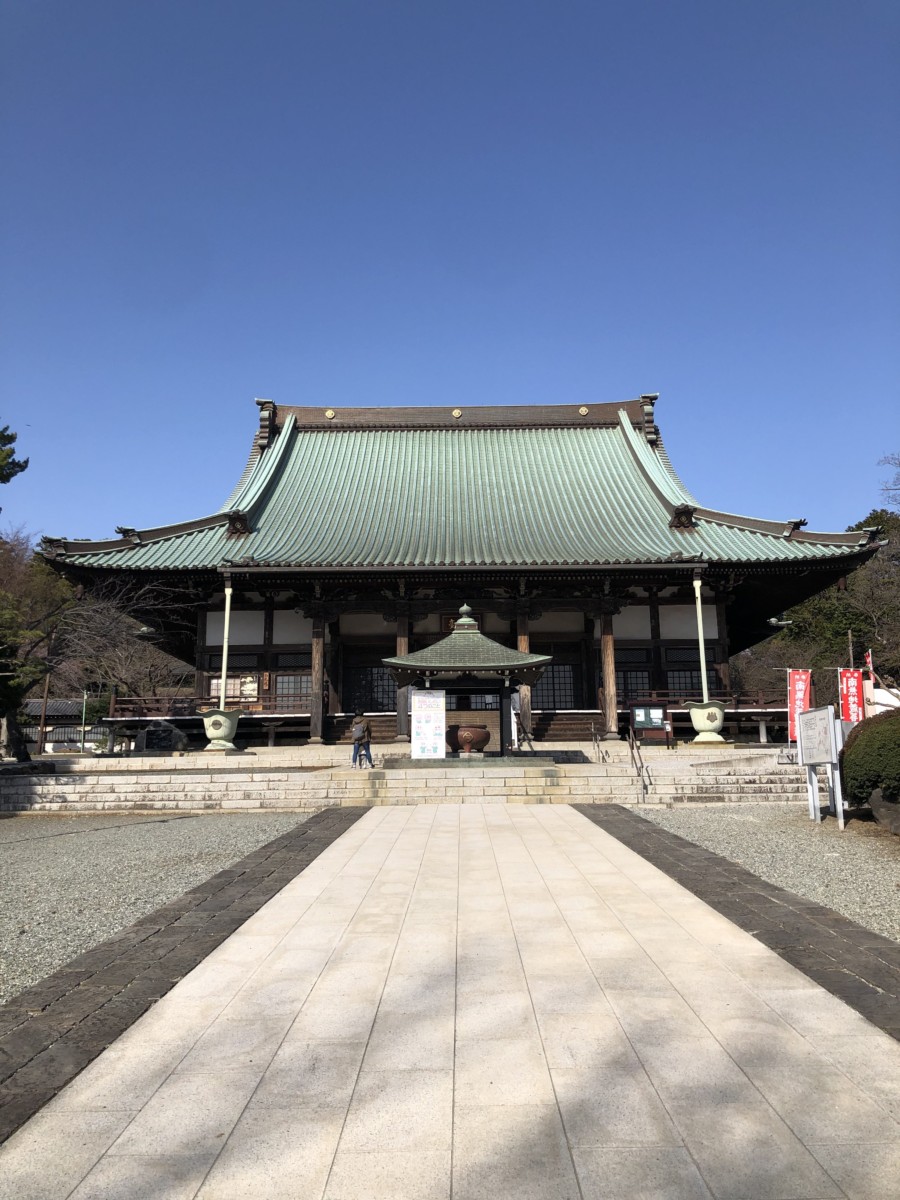
Yugyo-ji
I was pretty surprised to discover just how big this temple was. Six years of lving just down the road, and I’d cycled past countless times – on both sides – but had never actually ventured into the grounds themselves before.
It’s a bit of a hidden gem. Peaceful, quiet & a lot of history to absorb.
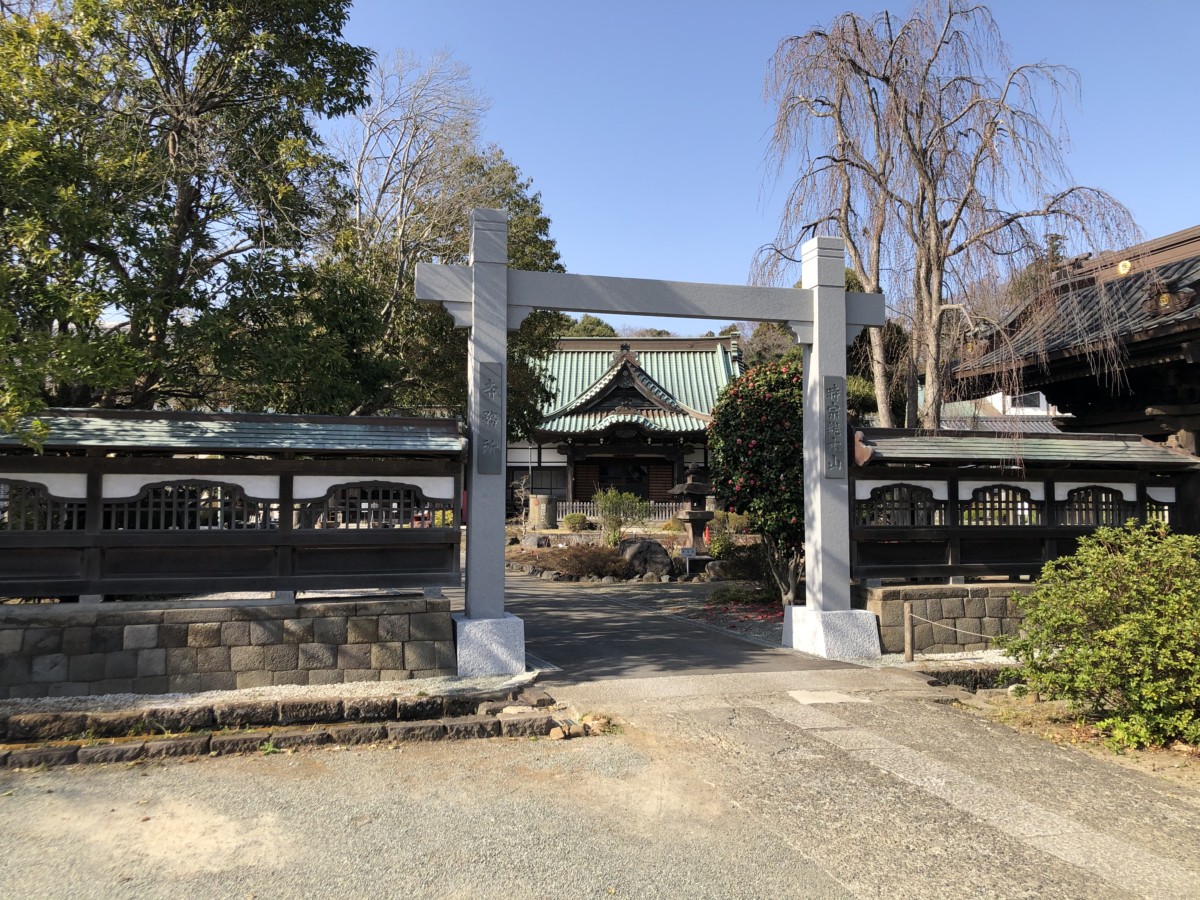
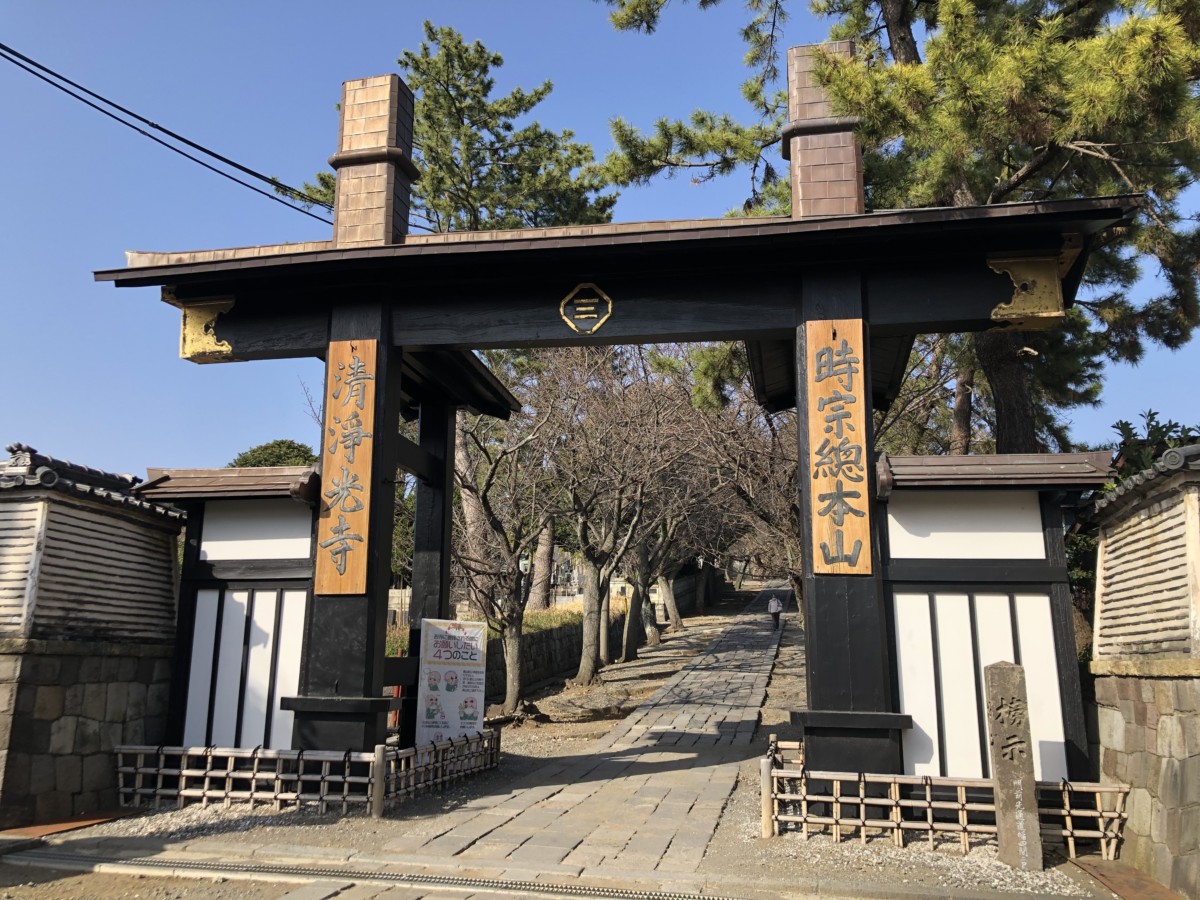


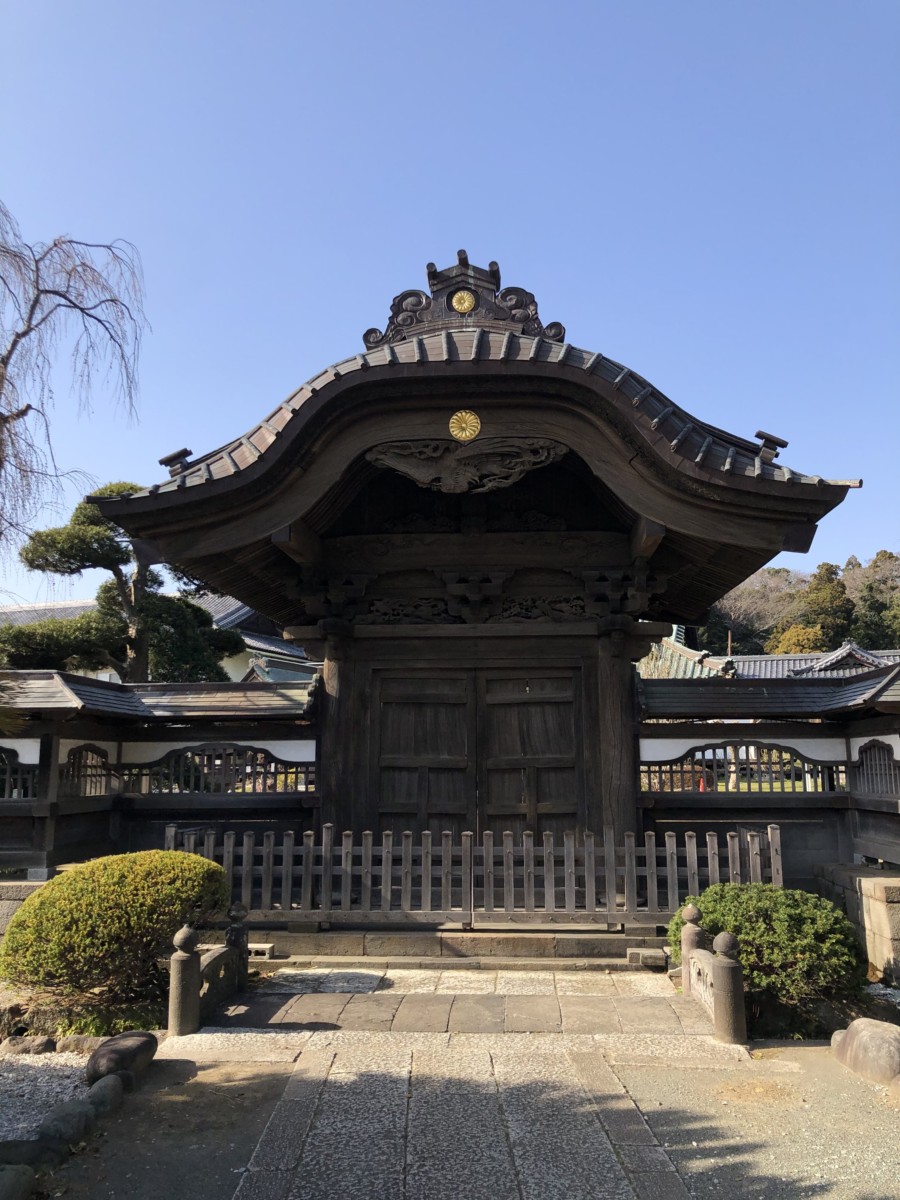
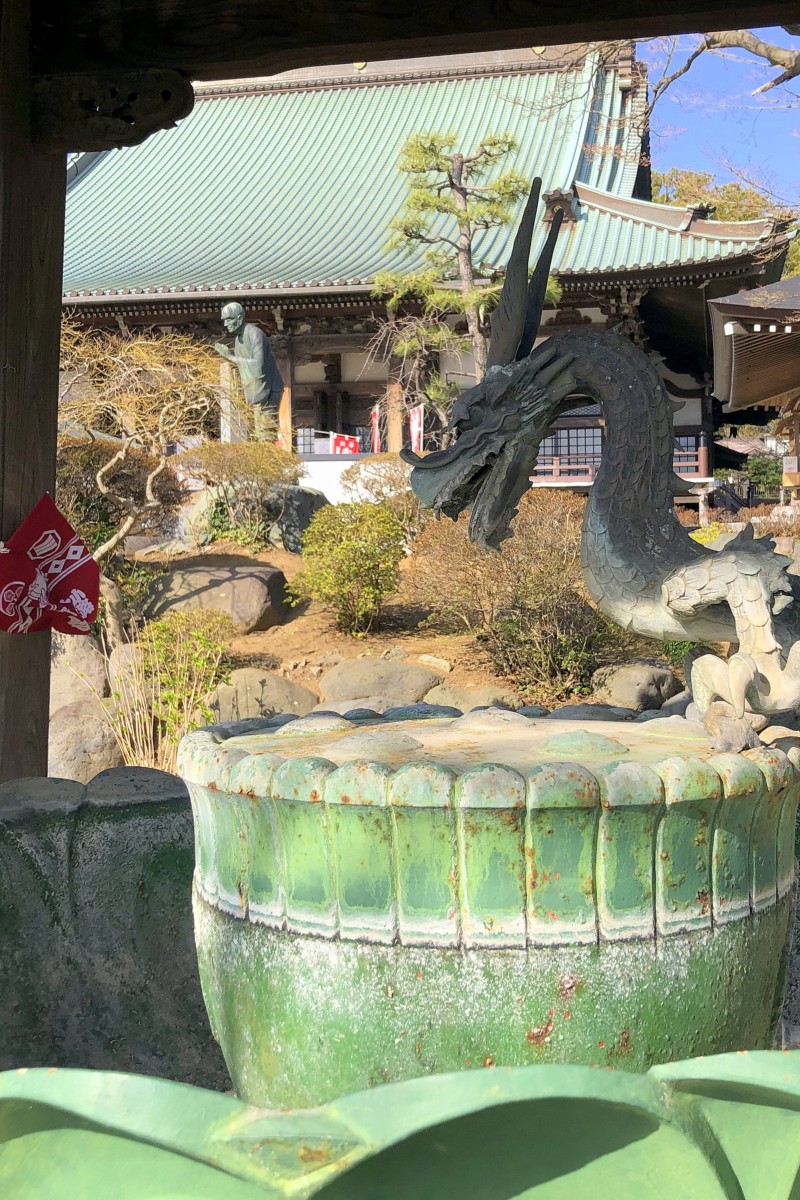

The temple itself was first established in 1325, as the head temple for the Ji sect. Not much of that original temple remains except the name and the location, however; it has been in quite a few scrapes throughout its history.
It was even completely destroyed in a fire in 1513 and was relocated to what is now Shizuoka, before being rebuilt in its original location in 1607.
(There’s a lot more useful information about this temple in this detailed post over at voyapon – I didn’t see the point in repeating somebody else’s excellent research!)
Enoshima michi
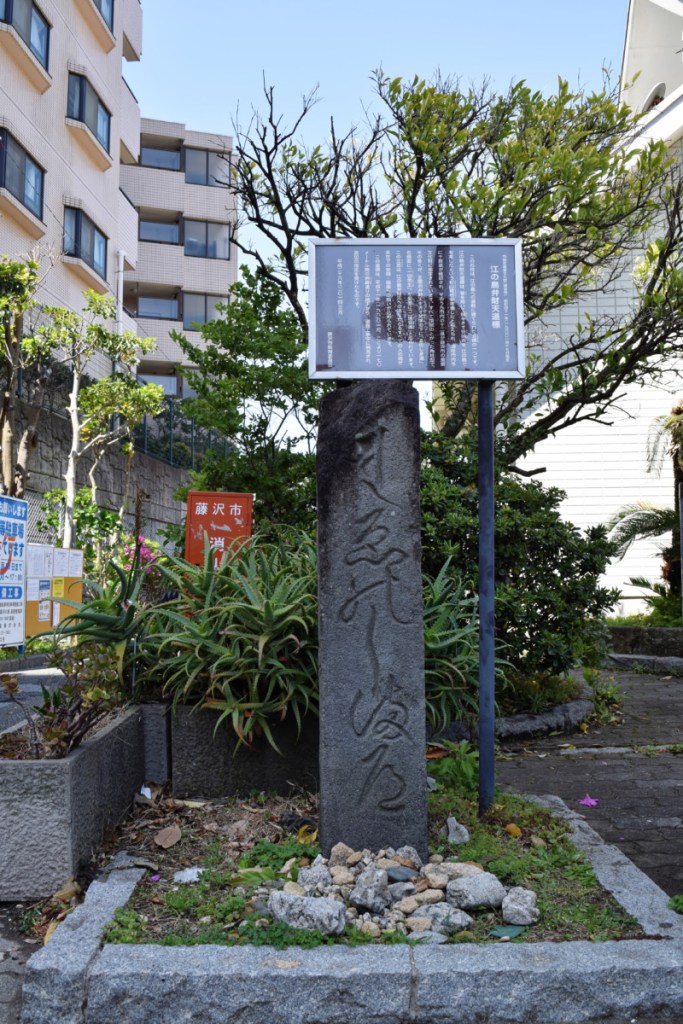
The last stop on the list, the Enoshima michi was once the main throughfare down to Enoshima. There would have been a torii – or gate – marking the start of the walk down to the Benzaiten shrine on Enoshima island, all of which you can see in the ukyo-e image above. There were also markers along the route, ten or so of which still remain to this day.
Or so the information board says, I couldn’t find any of them(!) Here’s an example of one from near Enoshima itself:
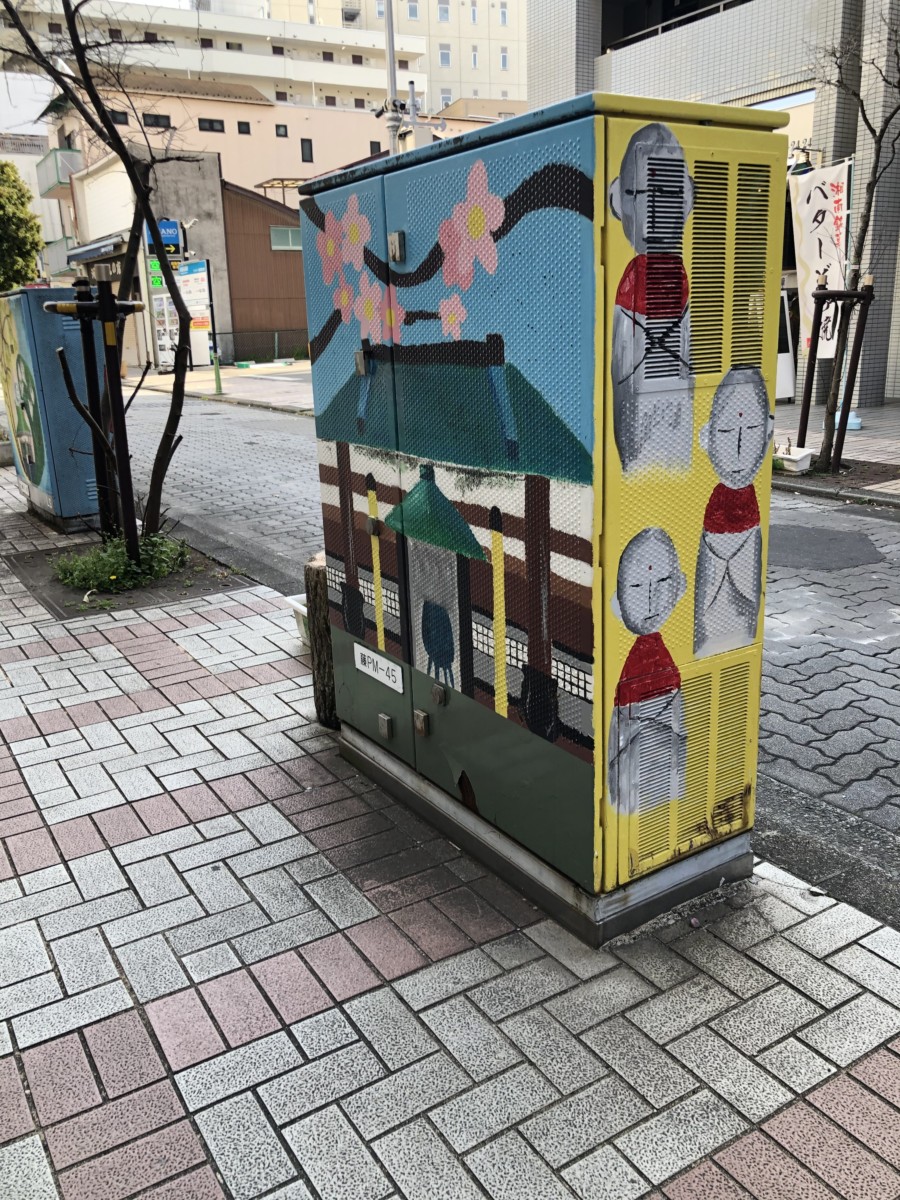
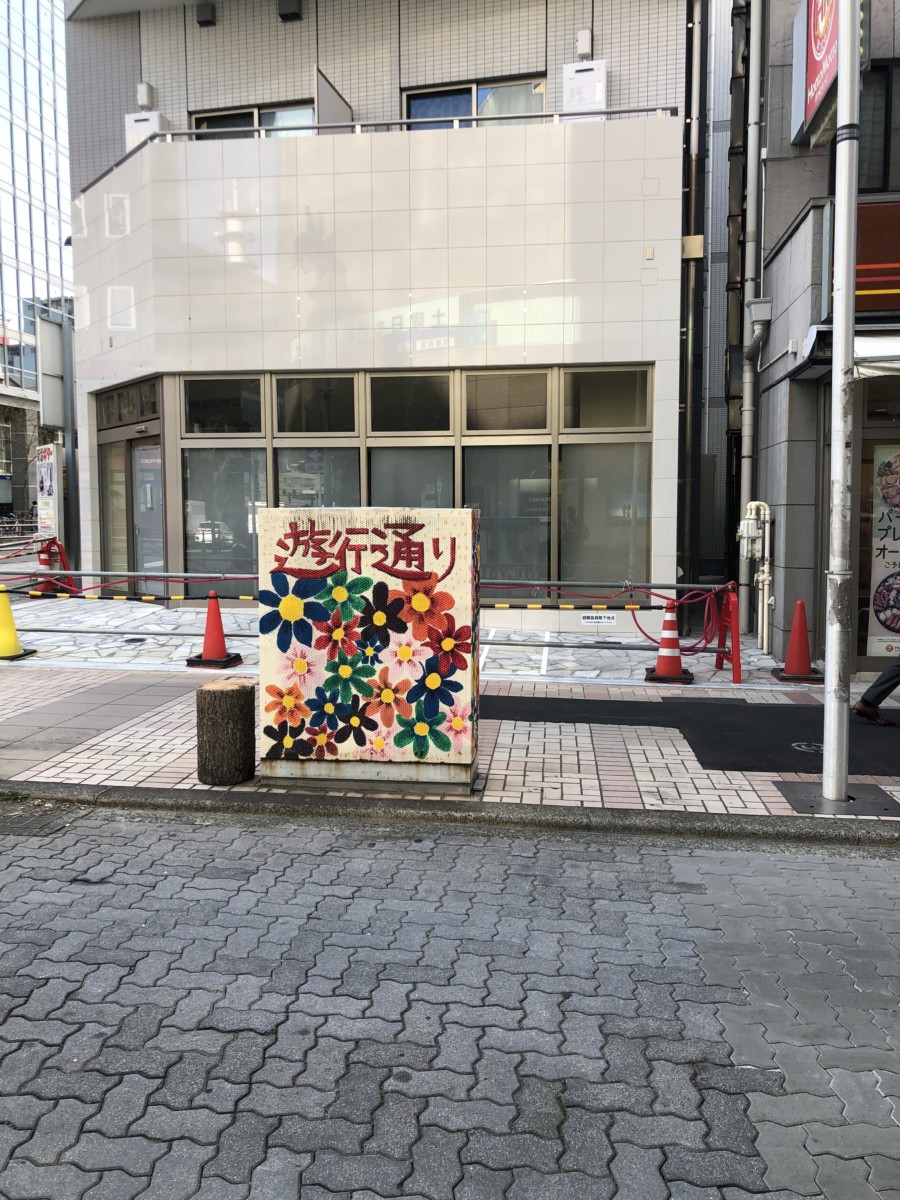
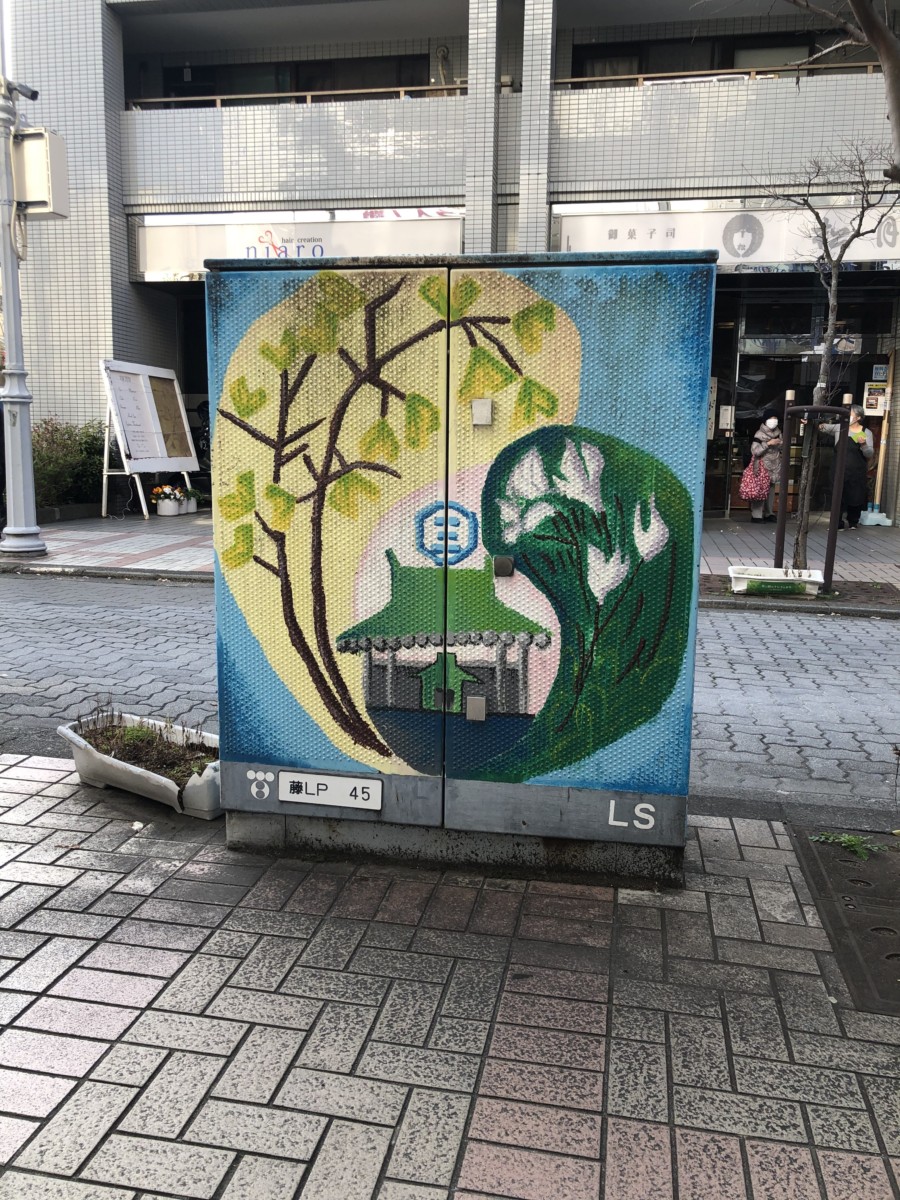
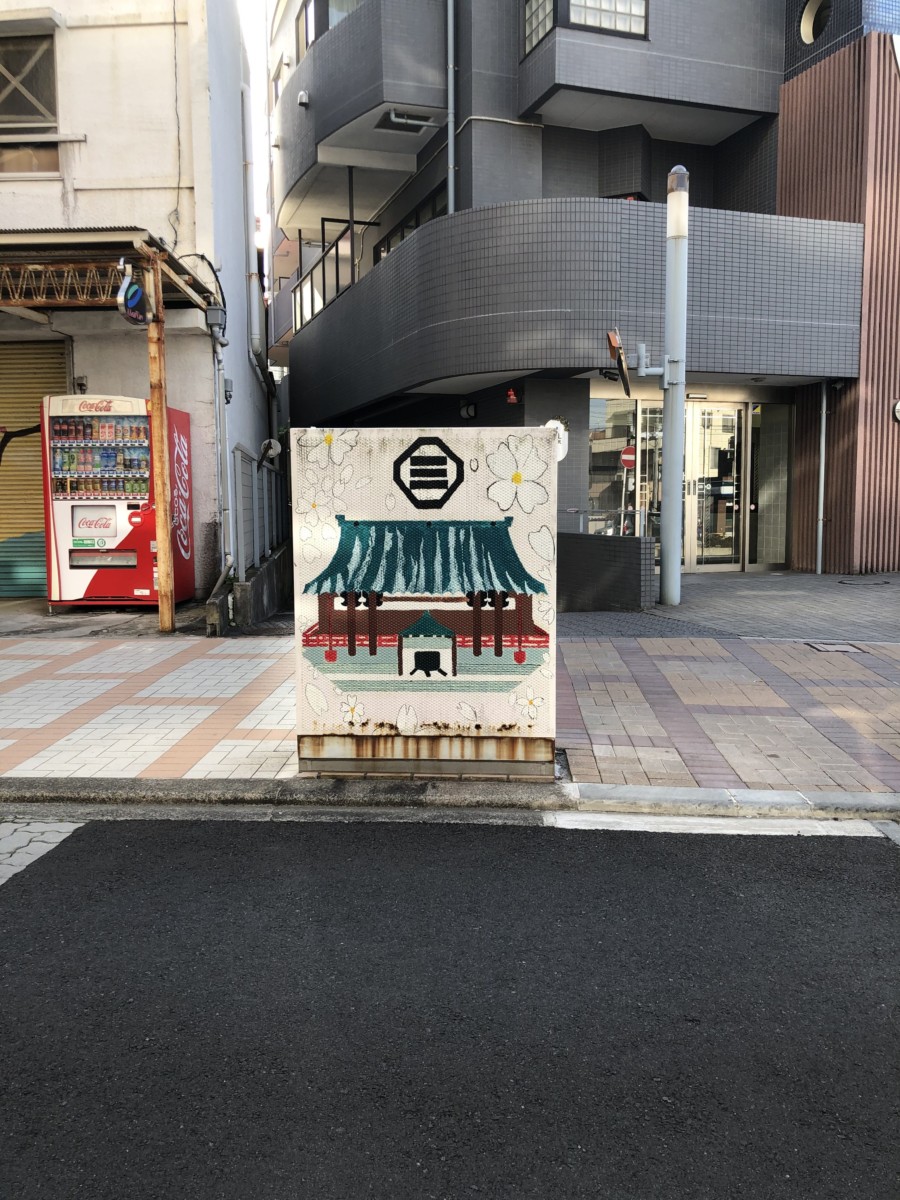
In lieu of these old signposts, have a little gallery of what I did find – some colourful street art painted on to electricity boxes, not far from the start of the Enoshima Michi.
EN01 Fujisawa Station Gallery
Some pictures of the station and its surrounding area itself can be found below.

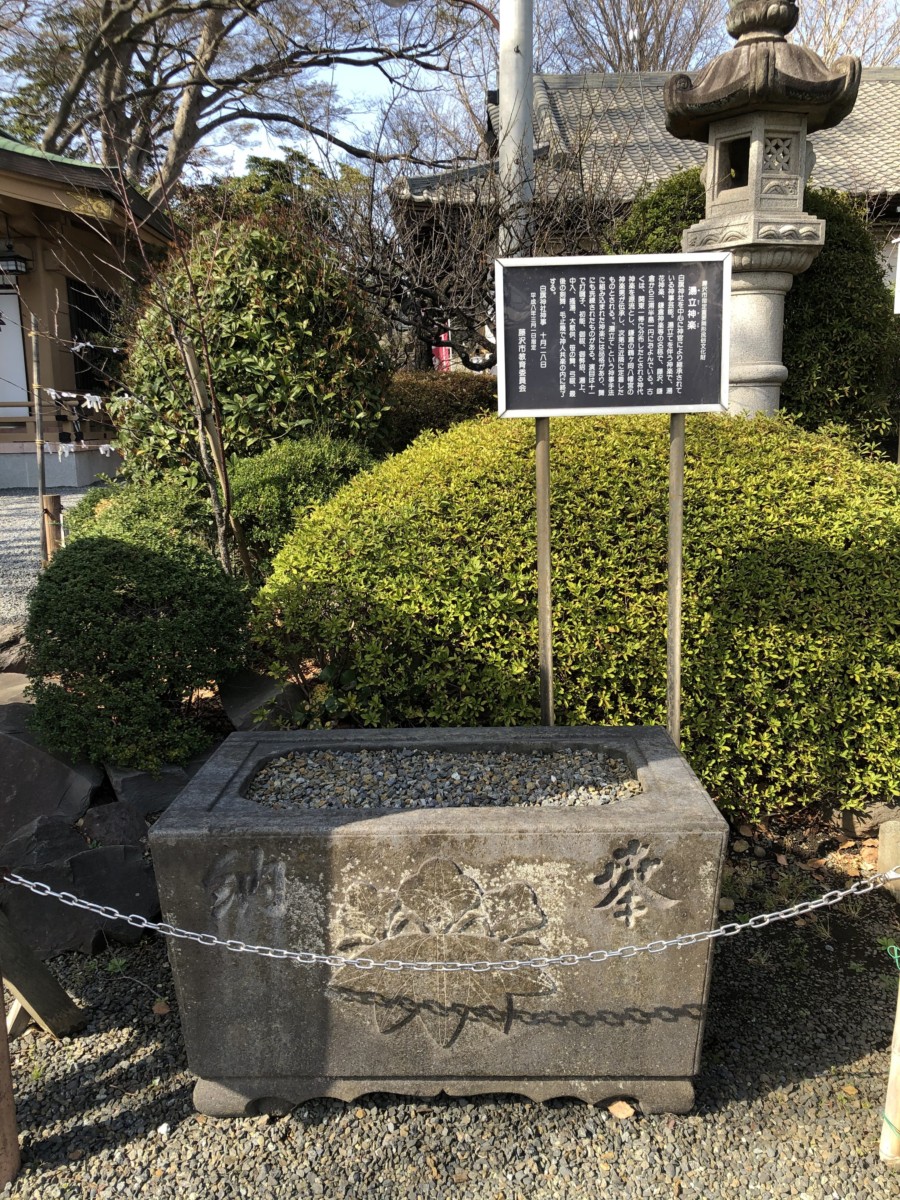
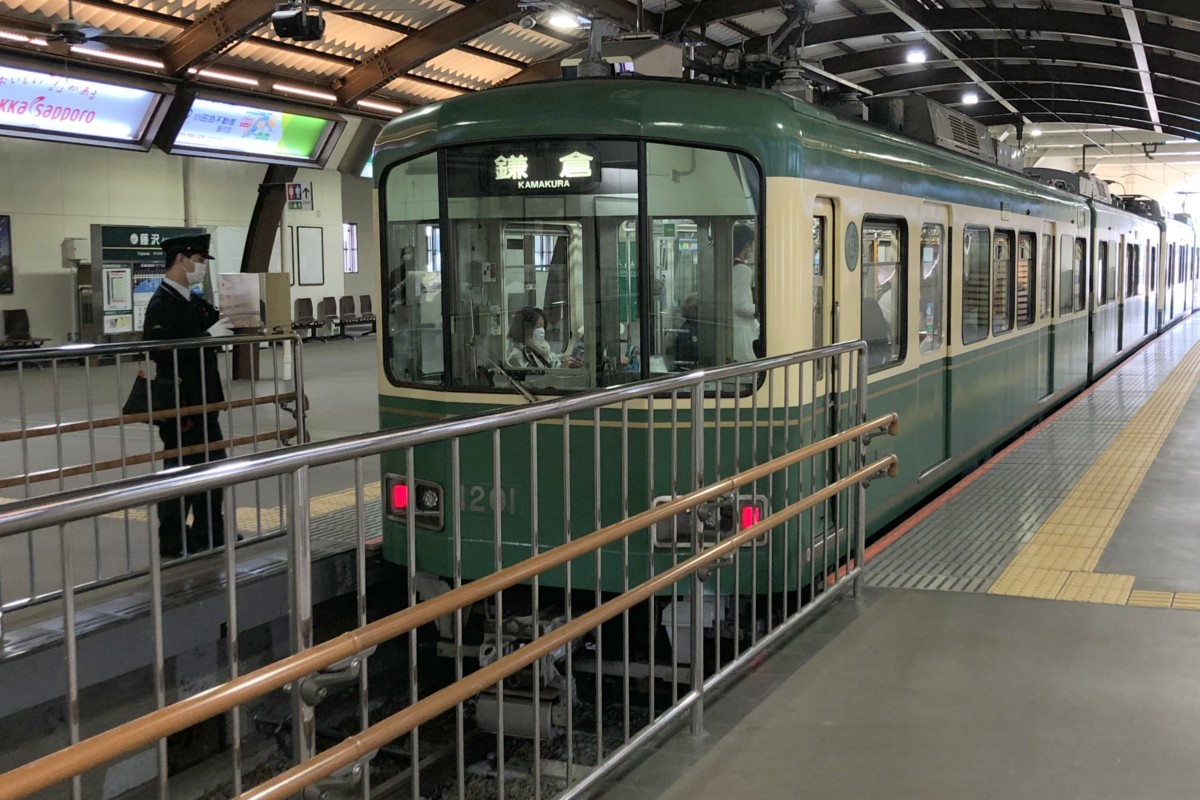
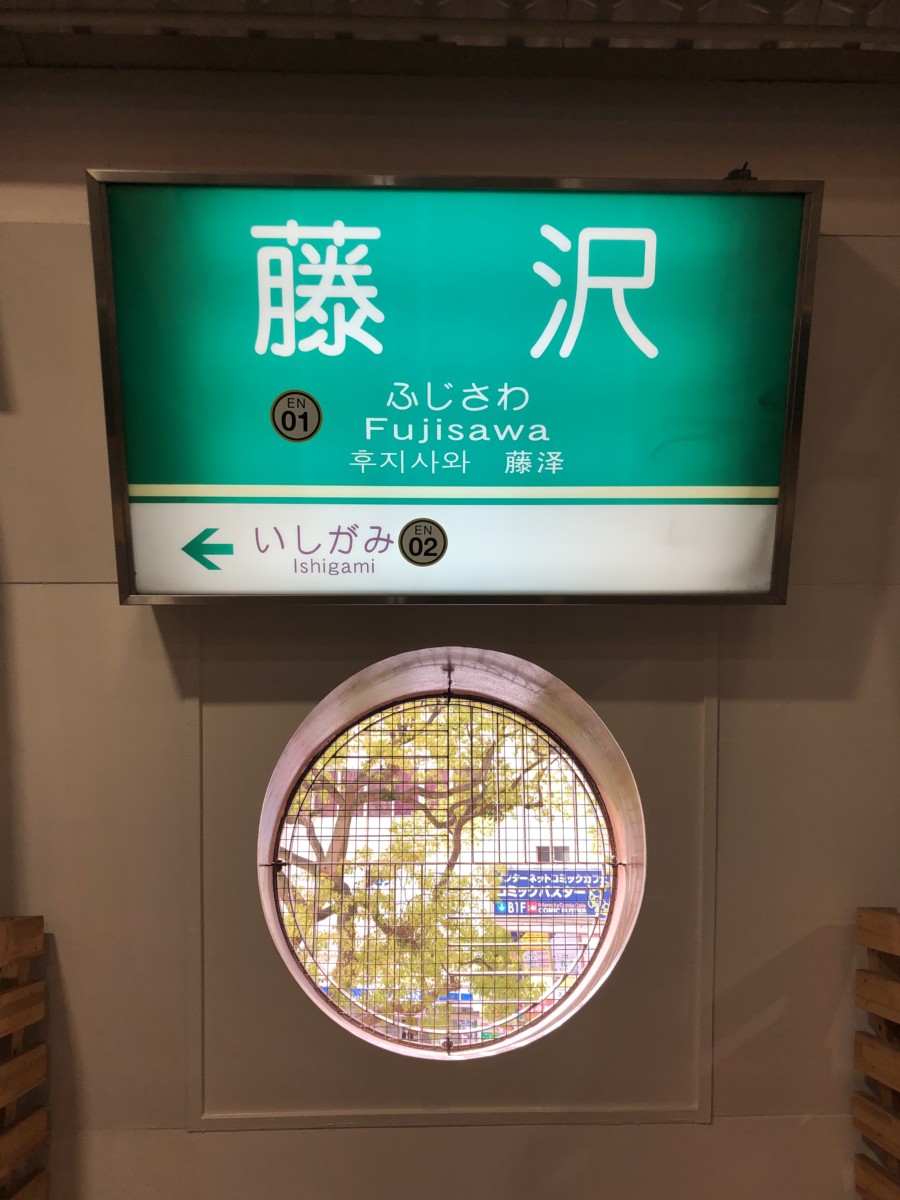

 CityHillsAndSea
Leave a comment