RotW is my Railways of the Warrior project. Visiting all the Japanese train stations with Fuji in the name & the 12 castles with the original keep still standing wasn’t enough to satisfy my love of lists, so now I’m working through all the stations with Musashi in their name.
Click this link for more info.
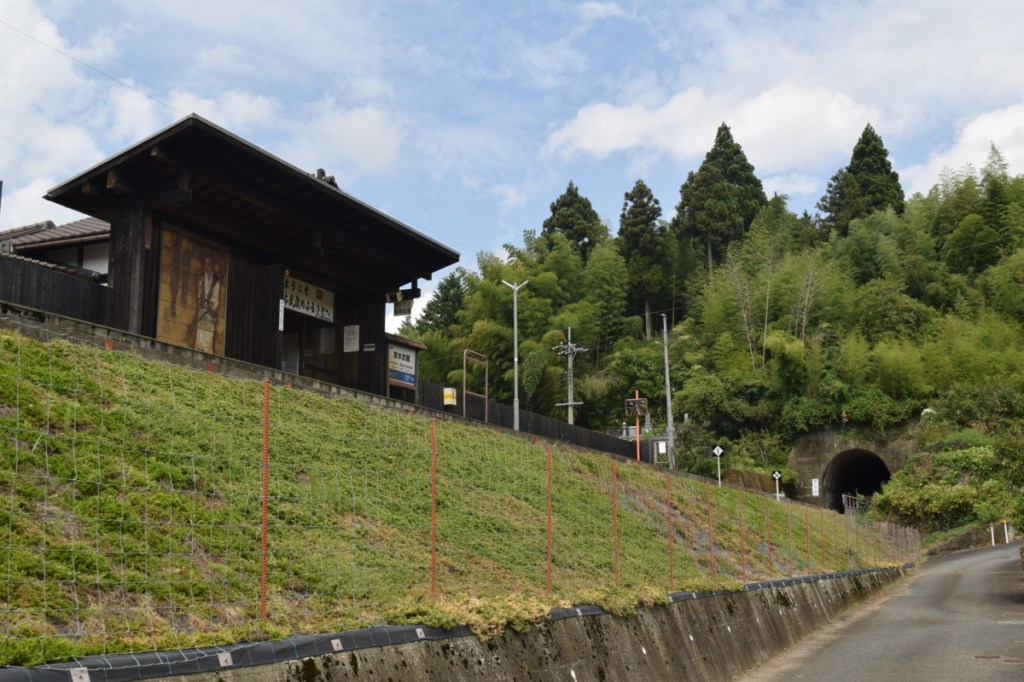
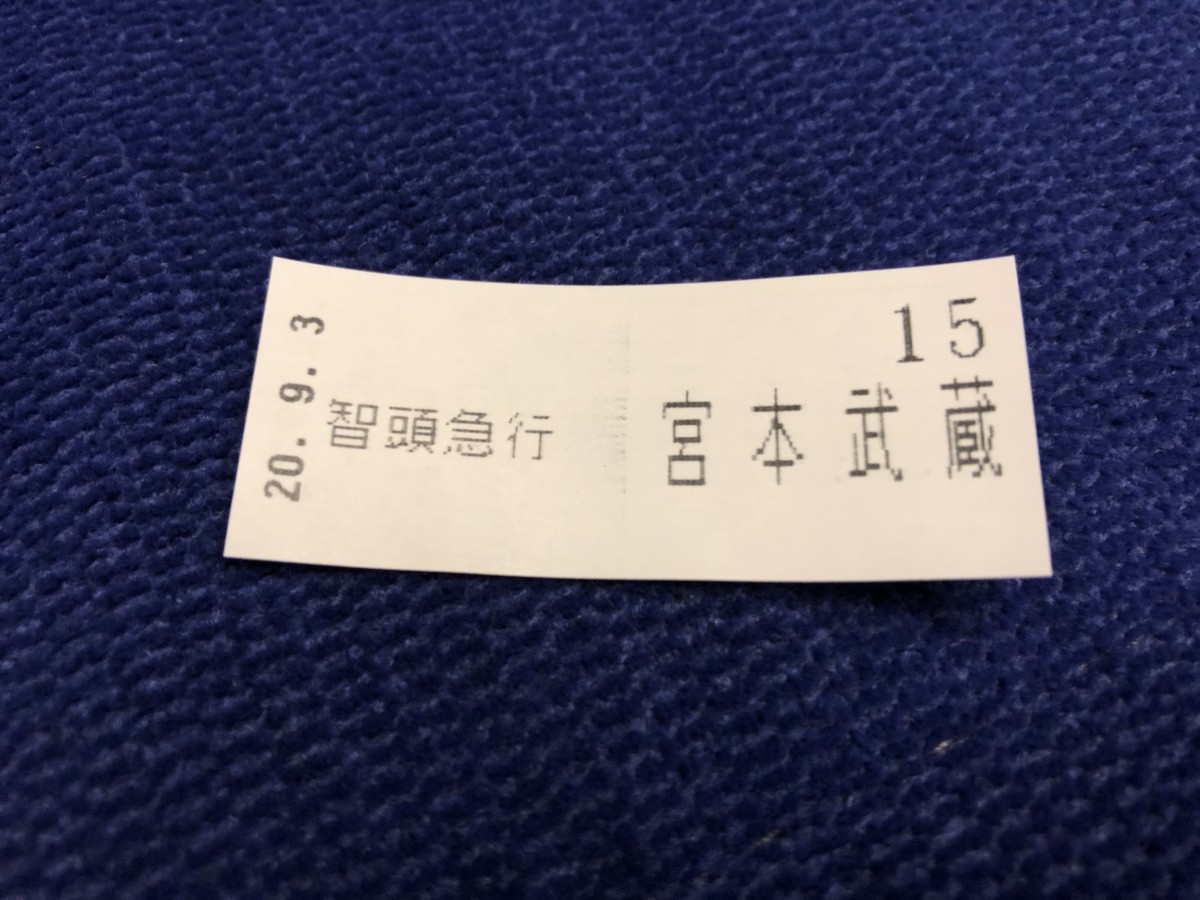
Name in kanji :宮本武蔵
Kanji meaning: named for the legendary warrior
Station opened : 3rd December, 1994
Trainlines: Chizu Kyuko Line
# Passengers daily : 10
Distance from CityHillsAndSea HQ: 660km
Located in: Mimasaka, Okayama Prefecture
Things to Do
Miyamoto Musashi Budokan : Official Site & a cool drone video
Musashi’s Birthplace, the Musashi family shrine, the Hirao family residence and the Musashi Museum : Japan Travel has some detailed info.
All About Miyamoto Musashi Station
Most of the Musashi stations are named because of the region they are located in: the former province of Musashi that is, nowadays, bits of Tokyo & Saitama with a smidgeon of Kanagawa thrown in for good measure.
Two of the Musashi stations are named for a person, who was not from this warrior province, but certainly embodied its ideals.
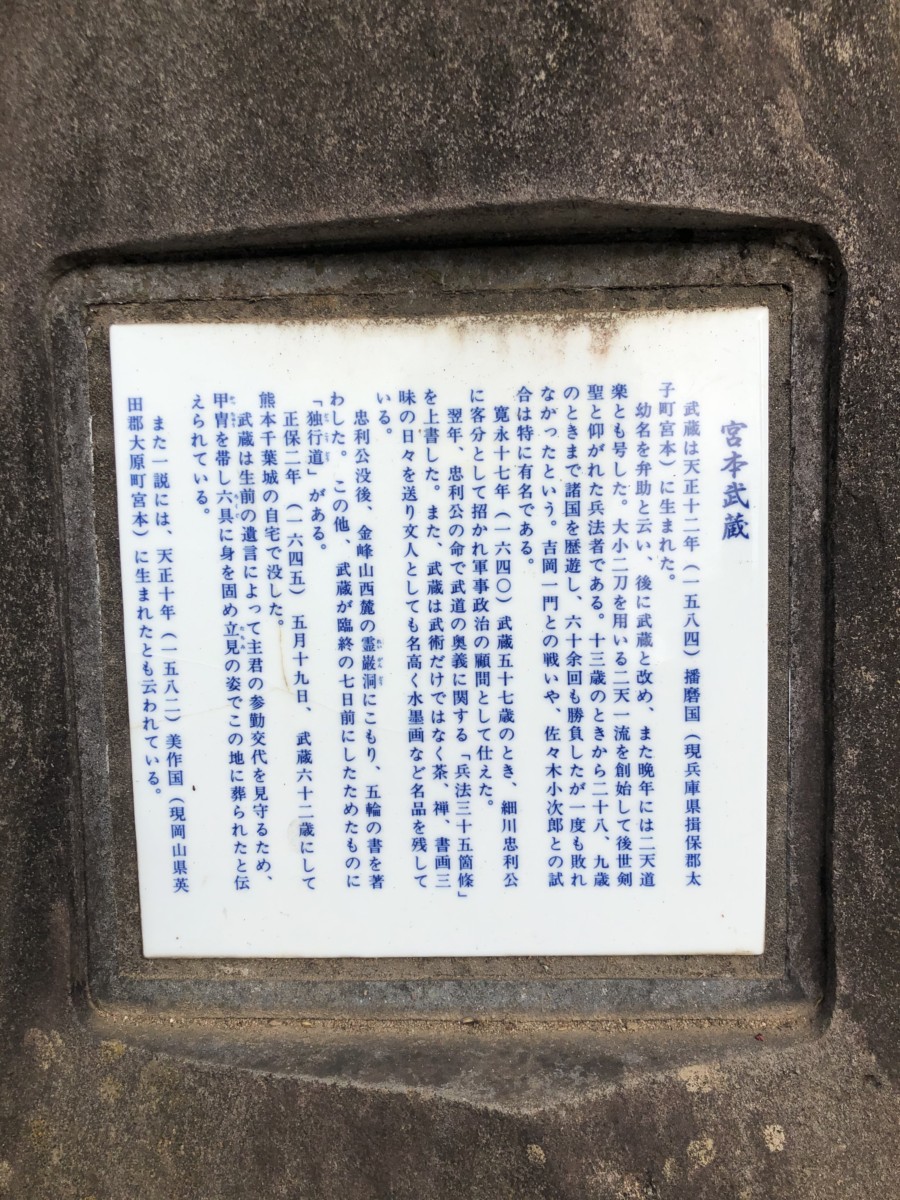
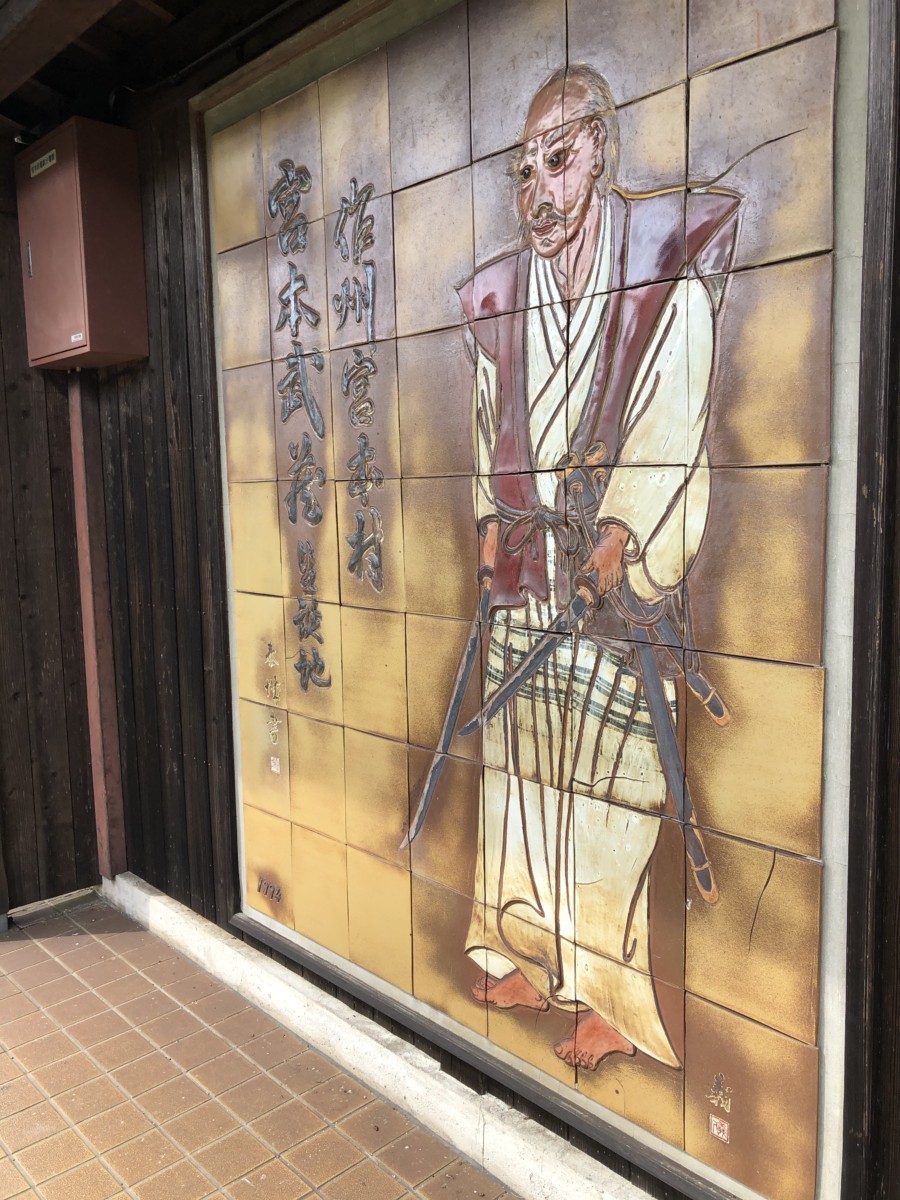
Miyamoto Musashi was Japan’s greatest swordsman, and to this day he its most famous. He got in his first duel at the age of 13, remained undefeated through 61 swordfights, perfected a fighting style which employed two swords, enshrined that in a philosophical treatise that is still wildly read today, and just generally was so idiosyncratic that it makes it quite, quite difficult to separate fact from fiction.
In situations that are this historically hazy, I typically just go along with believing the stories that entertain me the most… so I choose to accept that, yes, he did show up two hours late to a fight on an island without a sword, and carved a boat oar into an ad hoc blade. I also quite like to believe the one about how he never bathed, because he didn’t want to be surprised by attackers while he was without a sword and in his birthday suit, even though I’m pretty sure that that one is too ridiculous to countenance.
He’s so lost in legend and mixed up with myth that it’s not certain where he was born. The little village of Miyamoto in Mimasaka, Okayama, lays down some good evidence, but it’s more likely he was born in Banshu. He did have some family from Miyamoto and nowadays there’s a station there named after him, so I guess they win?
The first thing you see when you exit this station is a group of three statues. Musashi is in the middle, and on the left is Otsu. Matahachi is on the right. These two were childhood friends of Musashi … in Eiji Yoshikawa’s novel about the swordsman, so they’re pretty much just fictional inventions. Ho hum.
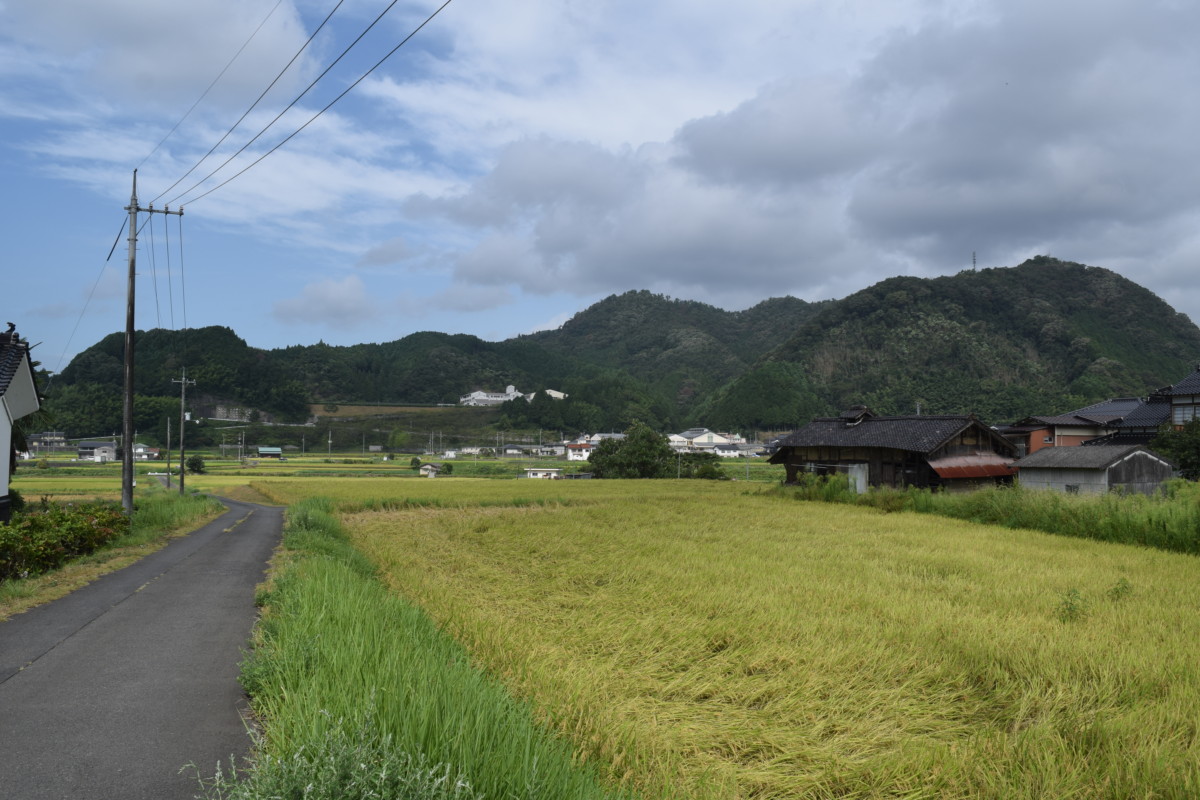
Further down the road, however, is a rather more concrete tribute to the man, a building rising up from the ricefields around it, shaped like a samurai helmet, and dating back to the year 2000. This is the Musashi budokan, a facility for practising the martial arts. I took a peek inside, but there wasn’t much happening. (It’s much cooler looking from the outside, to be honest. And you don’t have to take your shoes off.)
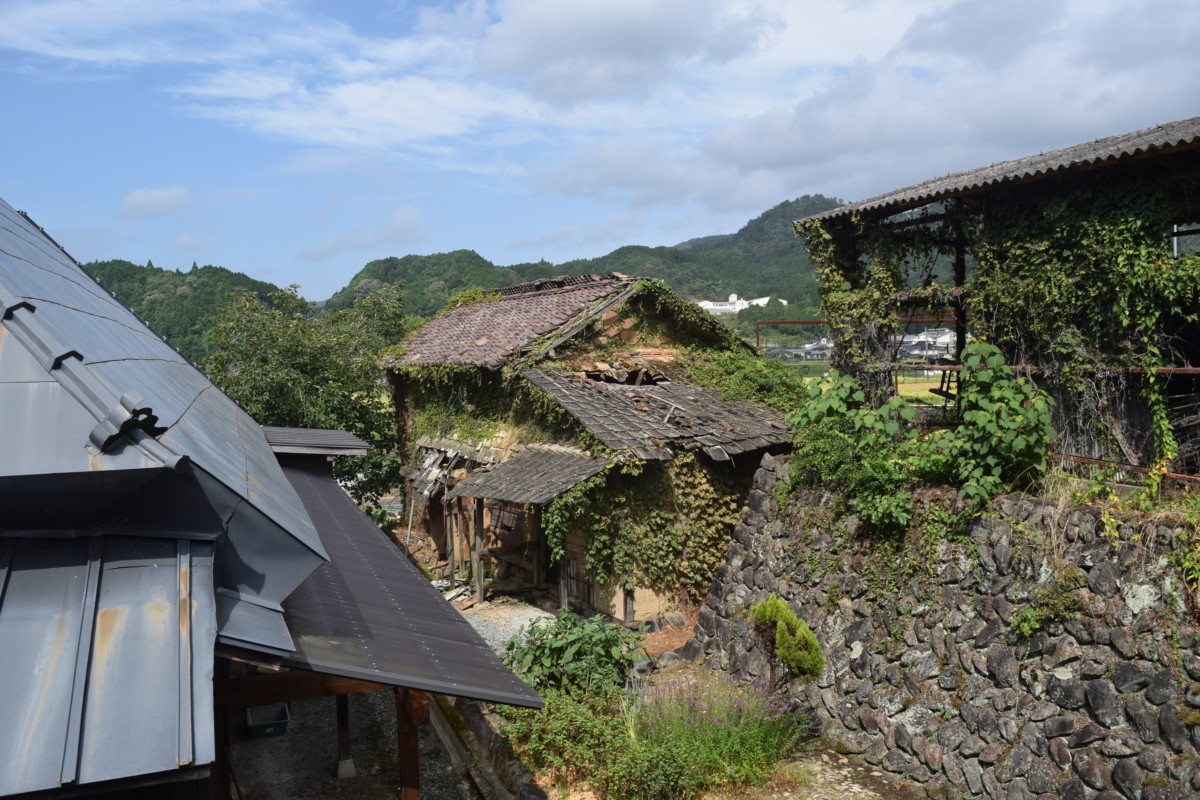
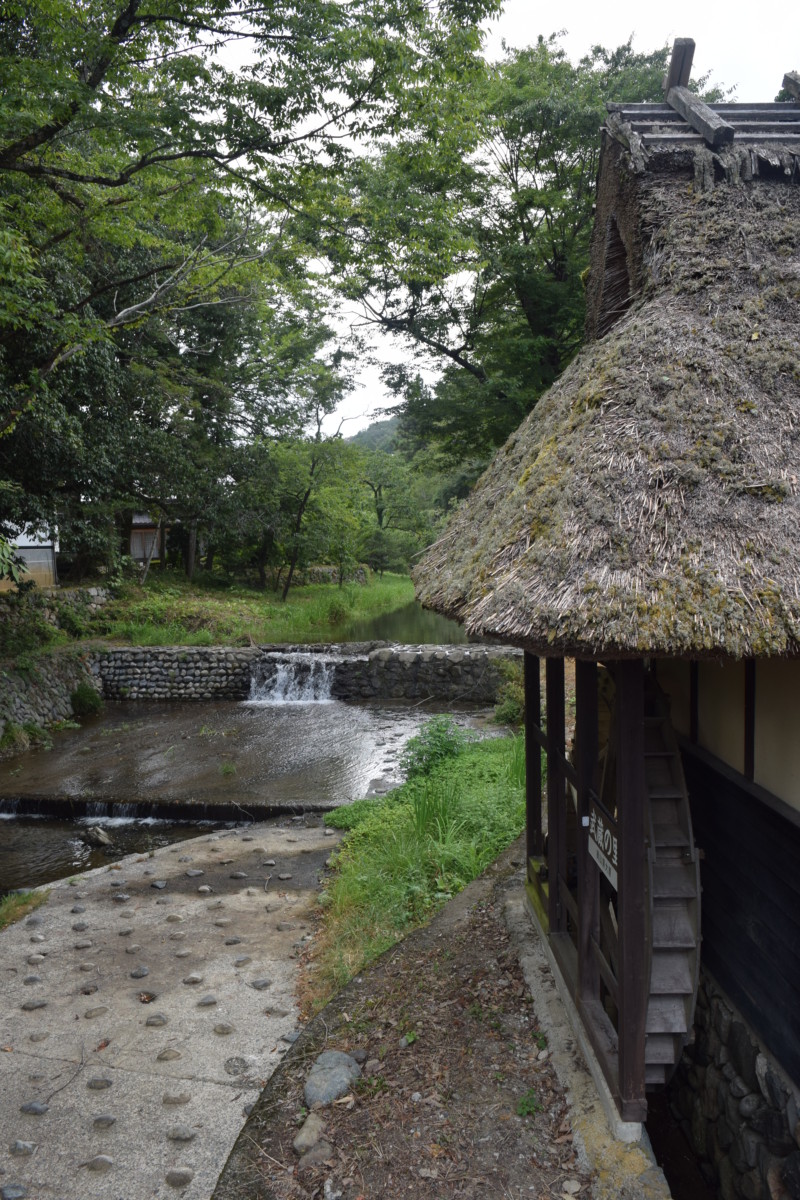
Past the budokan, separated from a shrine by a small stream, you can find the purported site of Musashi’s birthplace, and his childhood home. To the rear of this, you can see a very old building which is on the site of Musashi’s older sister’s former residence. Don’t let the advanced age of the structure mislead you: it isn’t the same place in which she would have lived, although it is inhabited by her descendants.
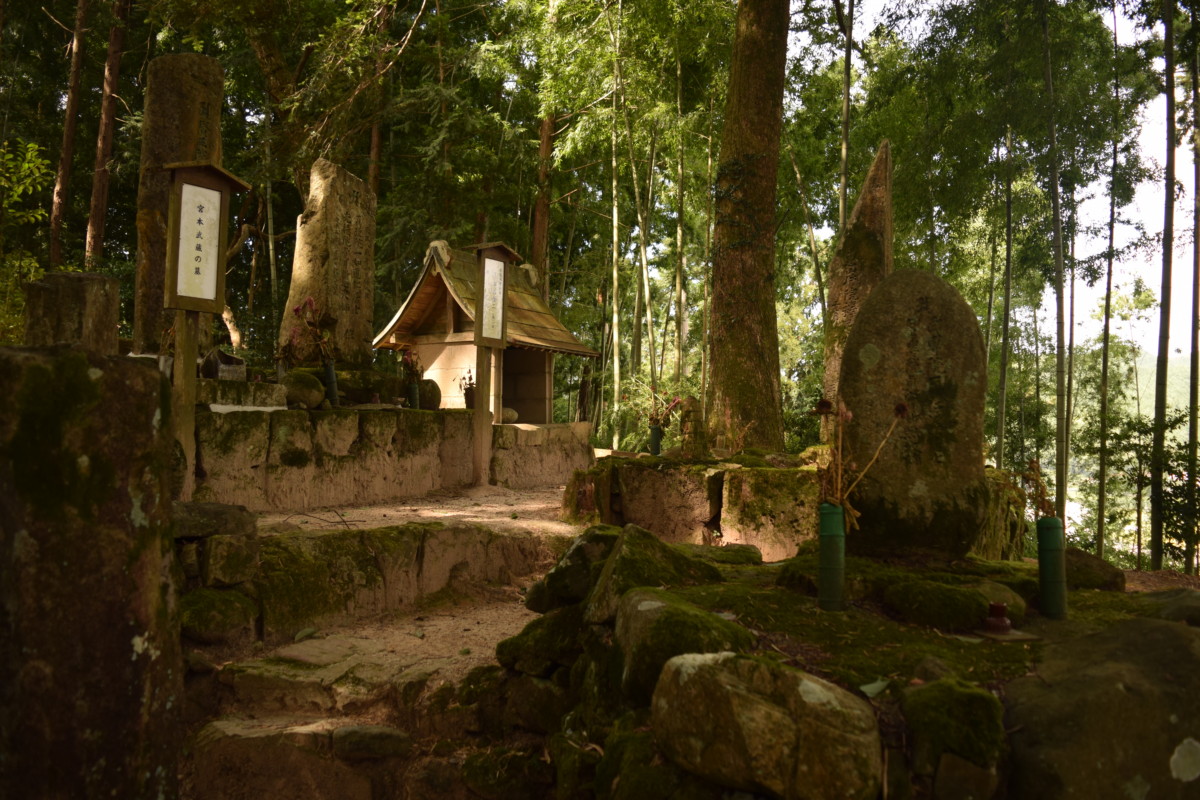
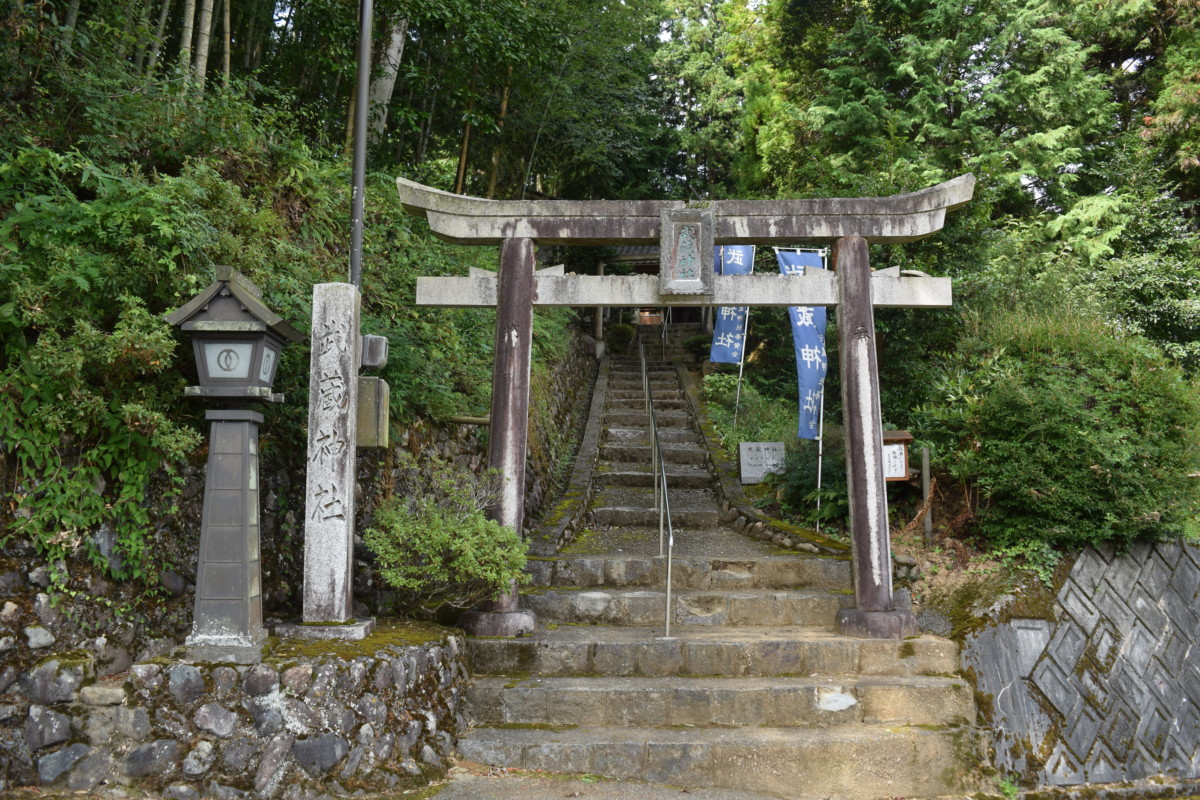
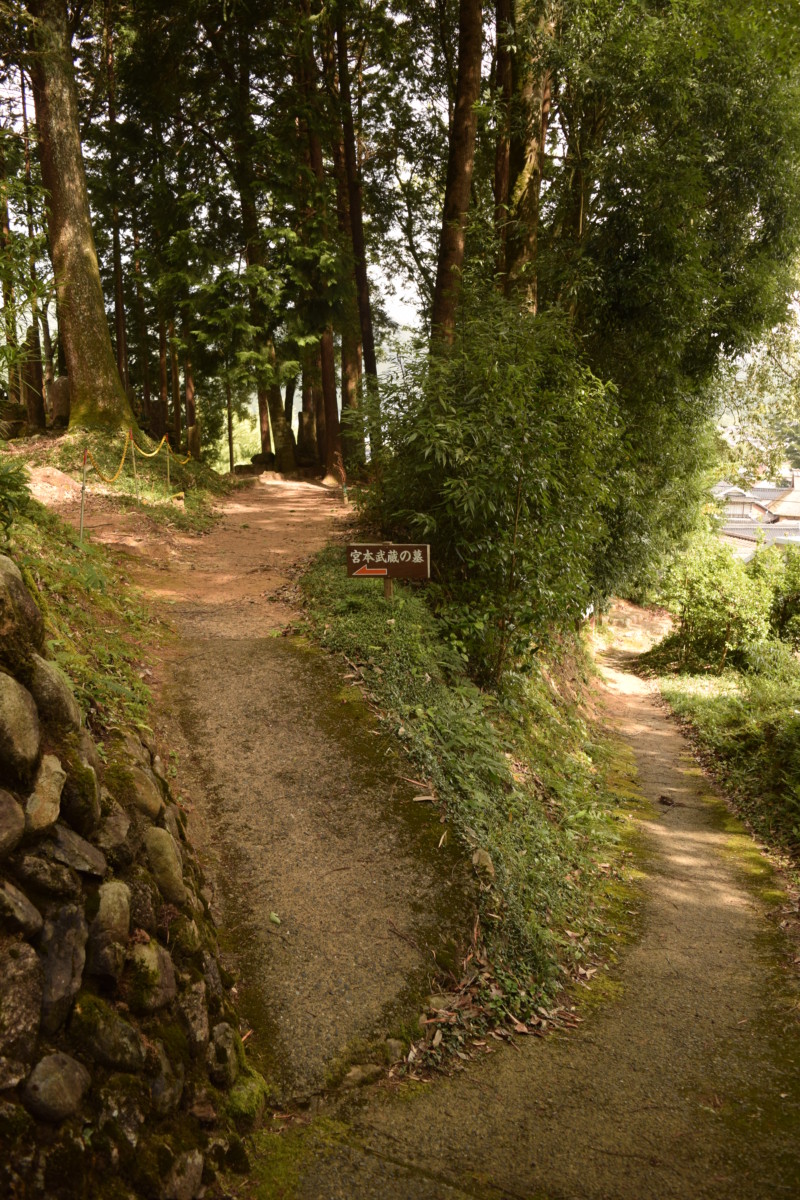
Up to the right of here at the top of a small hill, you can find the Musashi shrine, and the family graves of his family and that of his sister’s. While Musashi was definitely, completely and positively entombed in the village of Yuge which is these days part of the city of Kumamoto, it isn’t entirely outwith the realms of possibility that part of his ashes could have made it back here. So let’s choose to believe that.
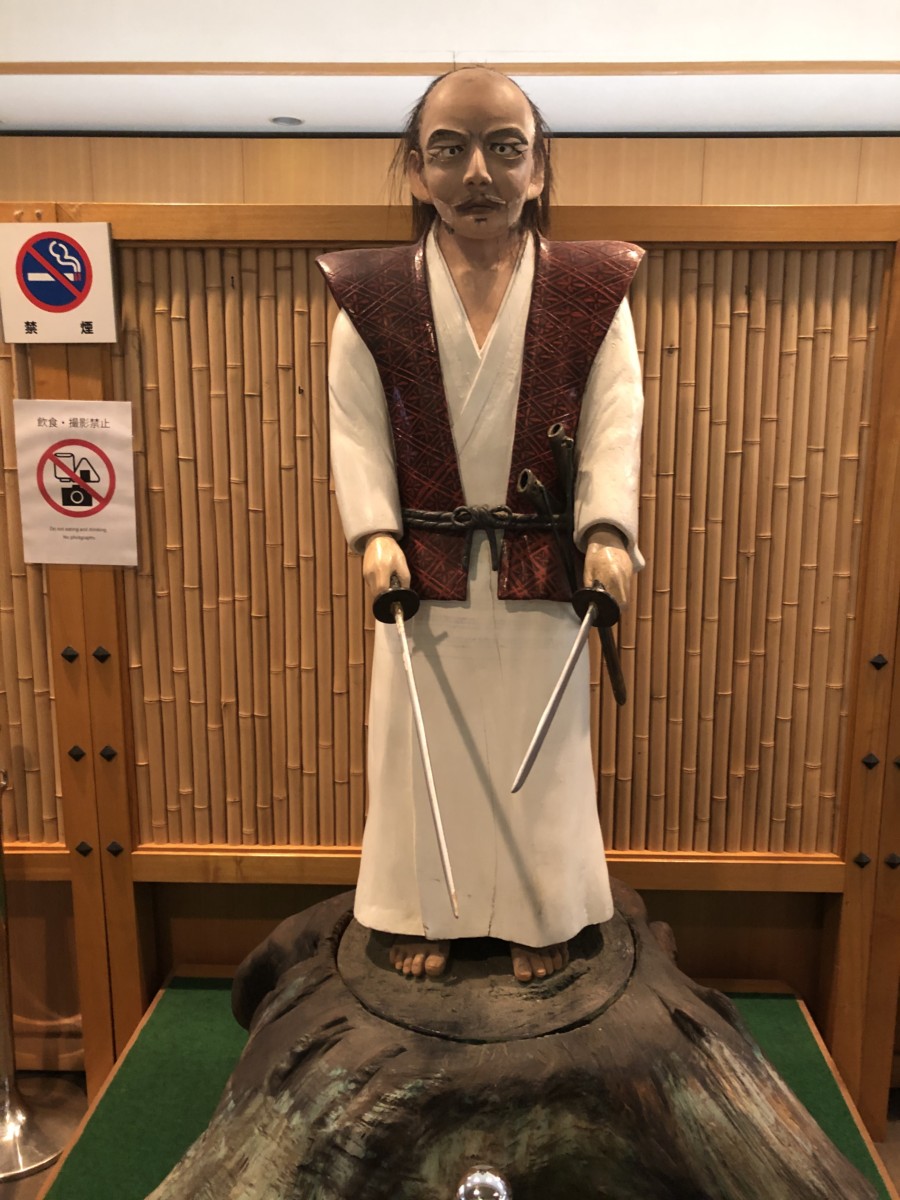
Down from the hill and past the farmer’s market is a funny old complex: there’s a spa, a restaurant, a dojo, a decent statue of Musashi, and a museum. The museum is really not much to get excited about, although it has some interesting trinkets. Still, you’ve come all this way, might as well fork out 500 yen, and they do give you a pretty cool scroll by way of a guidebook:
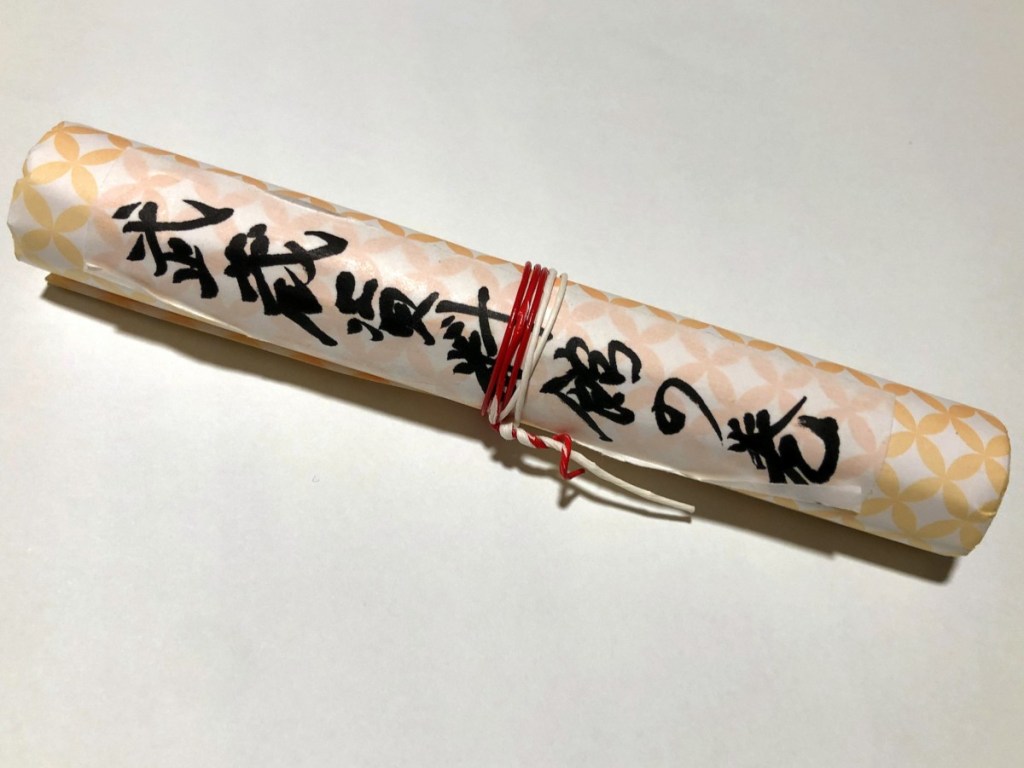
There’s plenty to occupy you for a few hours should you ever come down this way, but it’d probably be easier to come by car as the train schedule runs on countryside times. Also, bring your own nourishment, as there’s nary a conbini nor a supa to be seen.
Station Rating
I’m going to give Miyamoto Musashi Station four stars for its general uniqueness and historical awesomeness. It should really be a three for being so inaka – which is Japanese for a pain to get to 😉 – but its general cool factor overrides all of those practicality issues.
(Not to mention that this rating shenanigans I’ve cooked up is completely arbitrary anyway.)
Miyamoto Musashi Station Gallery
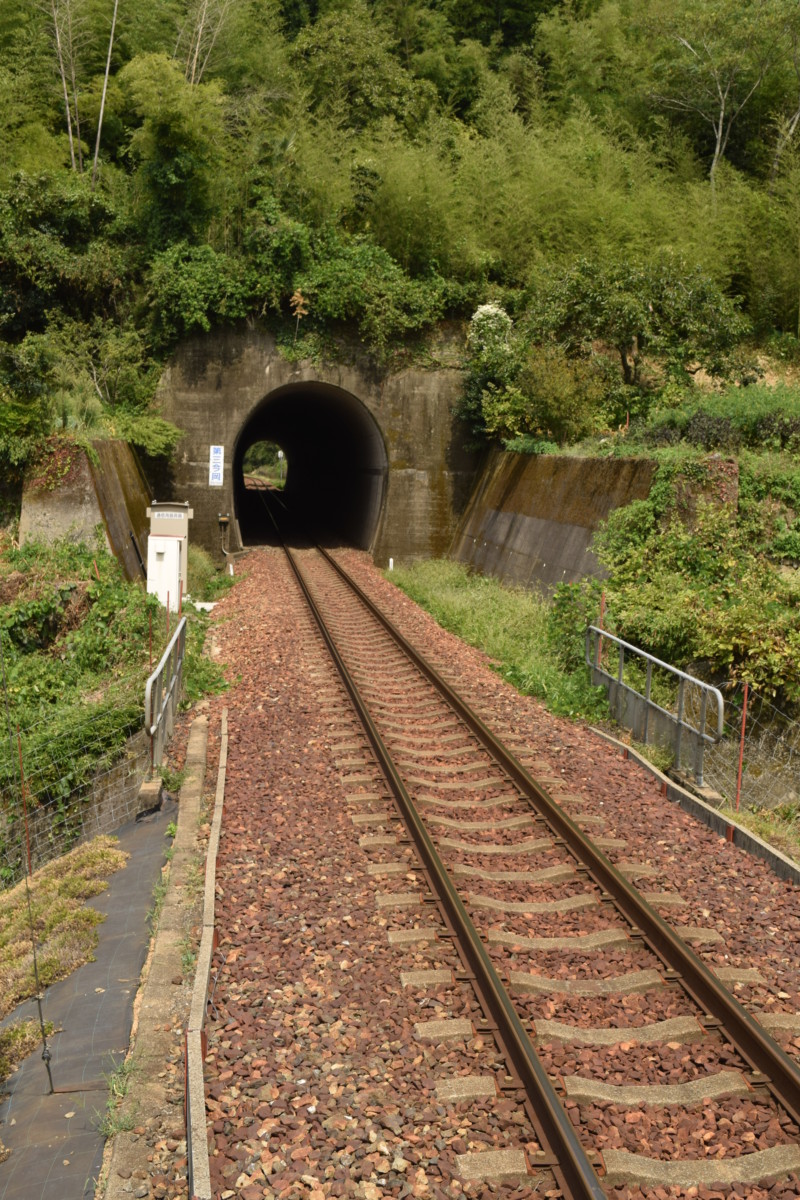
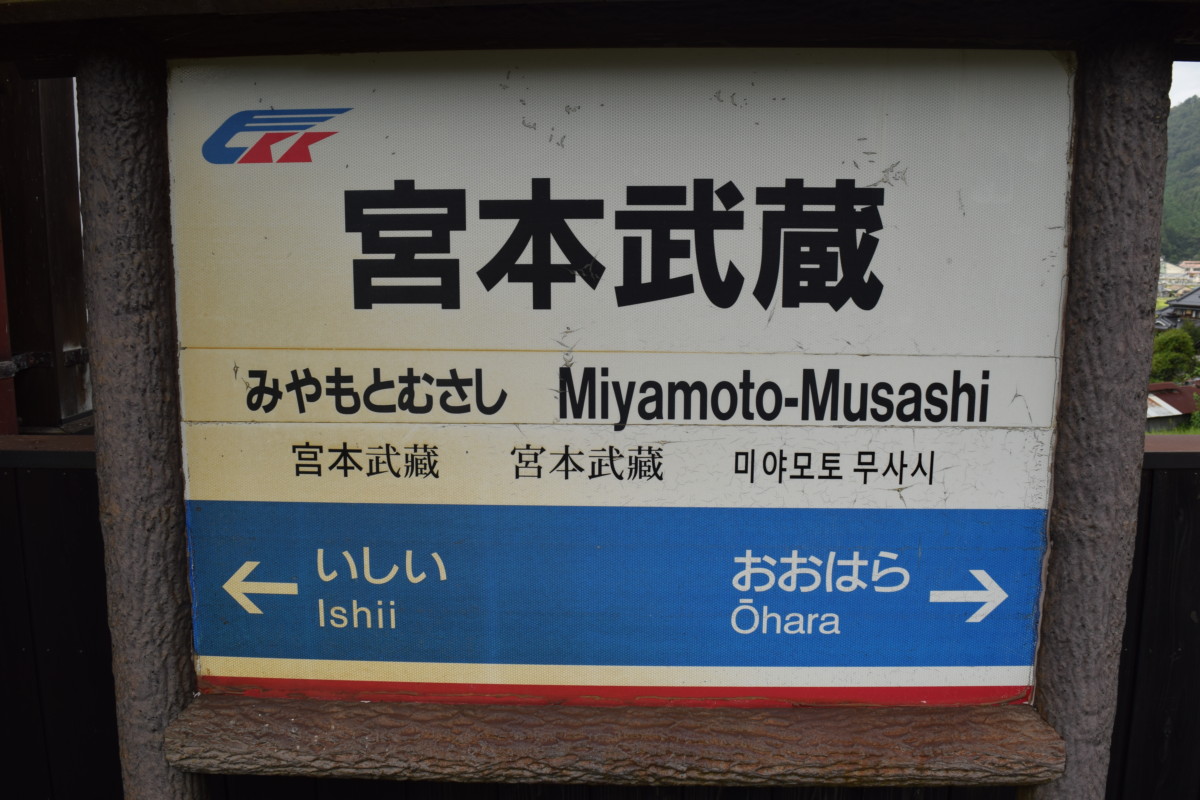
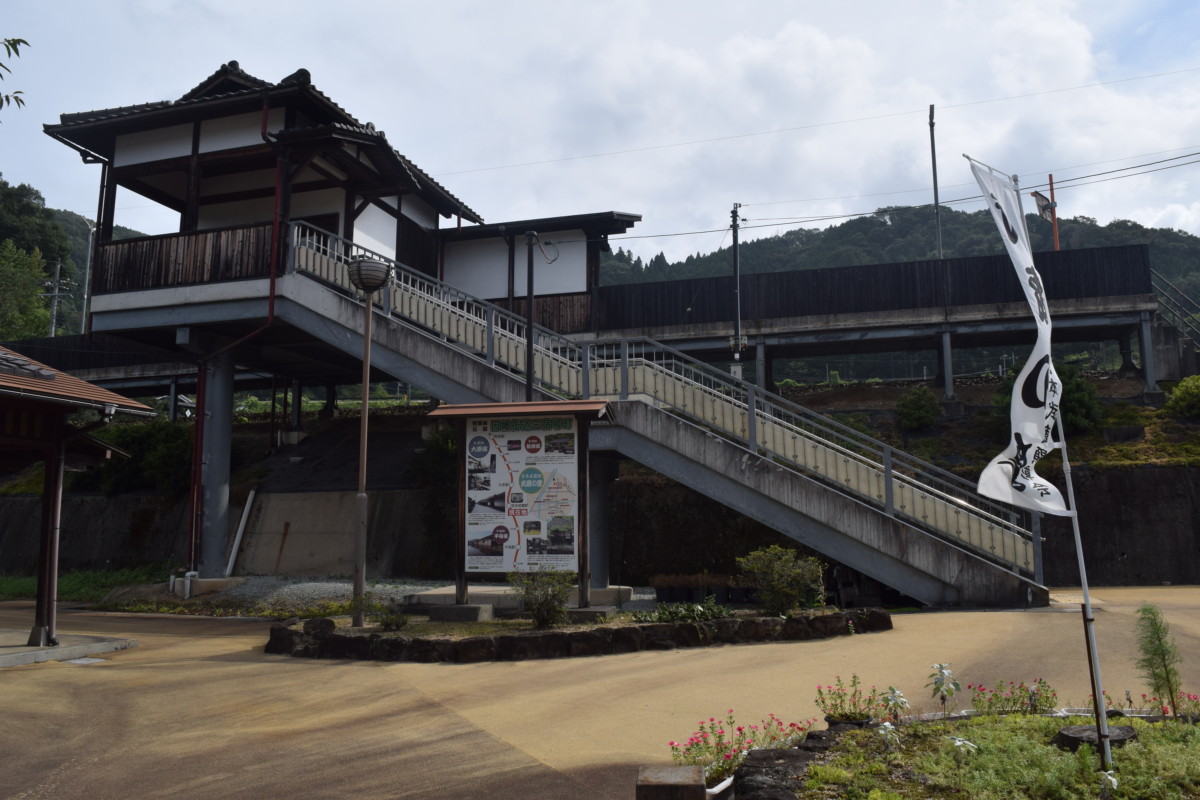
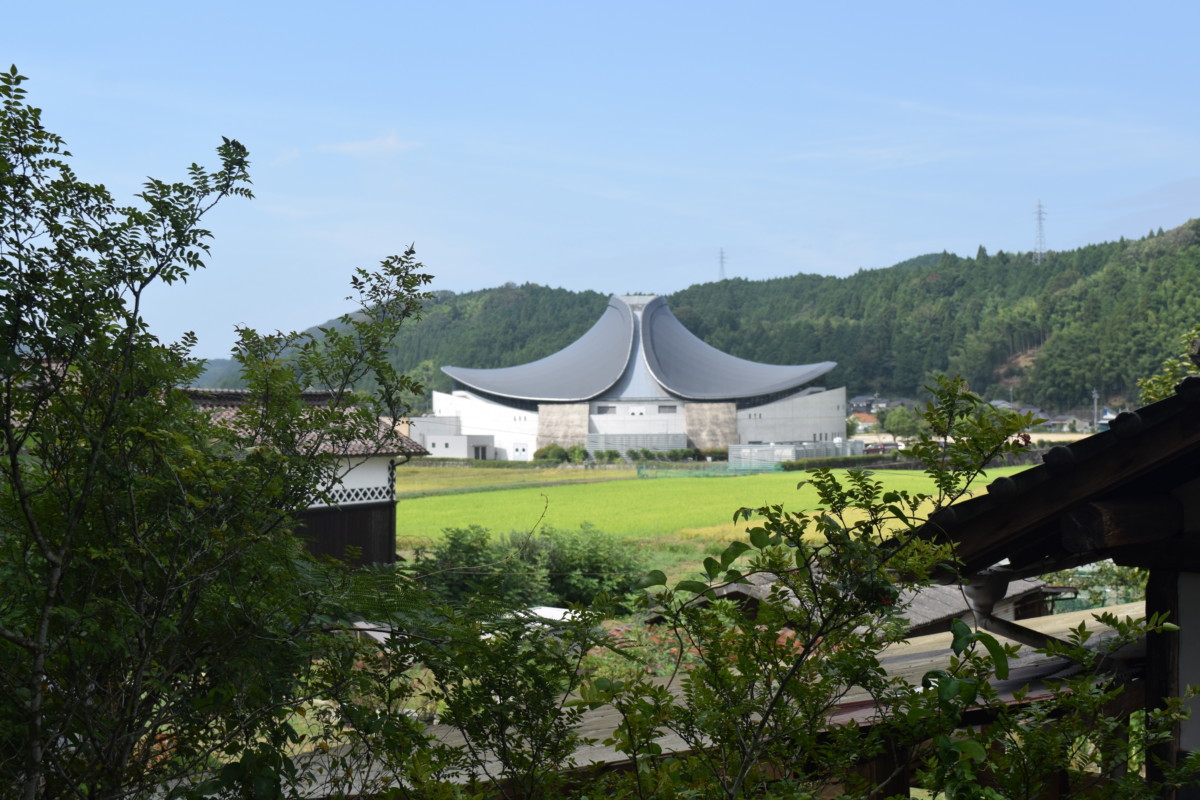

 CityHillsAndSea
Leave a comment