RotW is my Railways of the Warrior project. Visiting all the Japanese train stations with Fuji in the name & the 12 castles with the original keep still standing wasn’t enough to satisfy my love of lists, so now I’m working through all the stations with Musashi in their name.
Click this link for more info.
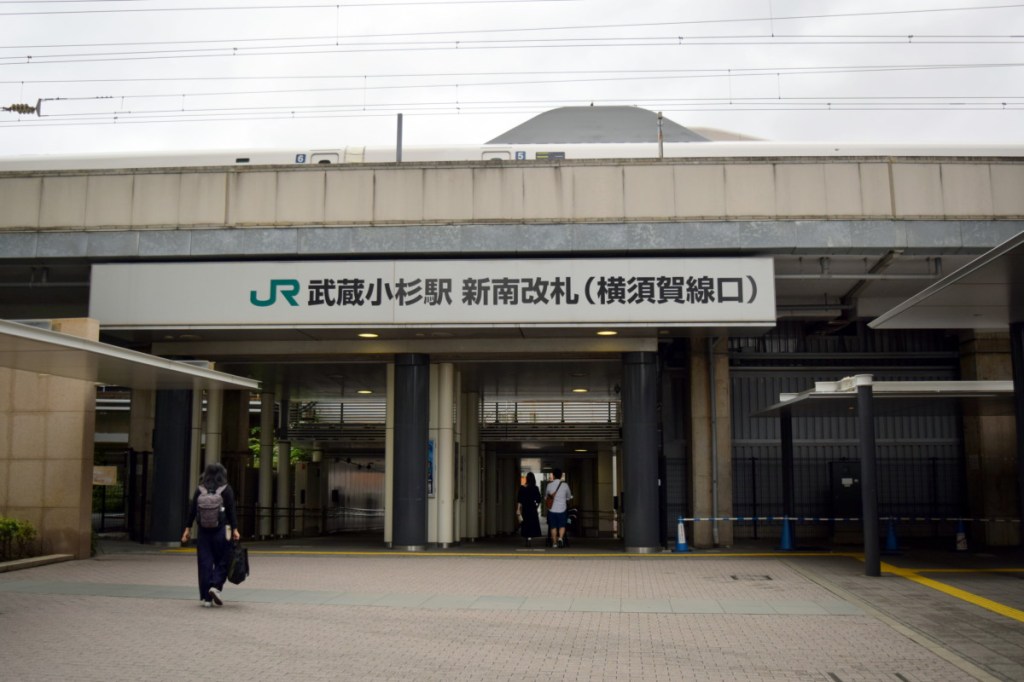
JR MUSASHI KOSUGI
Name in kanji : 武蔵小杉
Kanji meaning: little cedar
Station opened : 1927
Trainlines: Yokosuka, Nambu, Shonan-Shinjuku, Sotetsu through service
# Passengers daily : 128,000
Distance from CityHillsAndSea HQ: 41 km
Located in: Nakahara ward, Kawasaki, Kanagawa
TOKYU MUSASHI KOSUGI
Name in kanji : 武蔵小杉
Kanji meaning: little cedar
Station opened : 1945
Trainlines: Toyoko, Meguro
# Passengers daily : 223,000
Distance from CityHillsAndSea HQ: 41 km
Located in: Nakahara ward, Kawasaki, Kanagawa
Things to Do
There’s not a whole heap in Musashi Kosugi itself, at least for fools like me.
There’s plenty of shops though if that’s your jam.
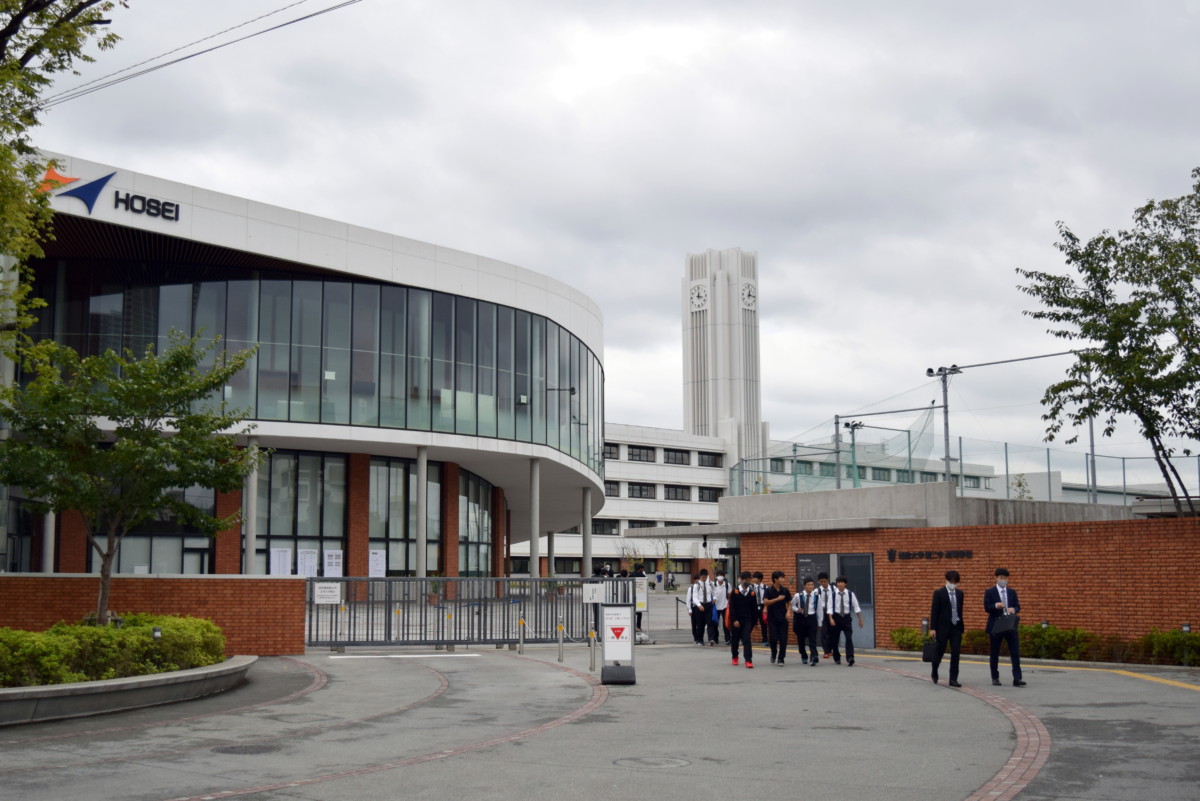
There’s a nice riverside walk past Hosei University with its funky clock tower, that’ll take you past lines of cherry blossom trees on the banks..
On my visit, I made a detour and instead walked on down to Shin Maruko Station, a stone’s throw from the Tamagawa riverside. Here, you can see the remains of the first velodrome in Japan, enjoy the scenery, watch trains speeding across the bridge and maybe take in the fresh air by walking in either direction along the river.
If you stay on the train to Tamagawa (a longer detour that you’d be hard pressed to count as Musashi-Kosugi, but shhhh, I won’t tell) you can visit the Tamagawadai Burial Mounds, linking up this whole area rather neatly with our earlier trip to Bushu-Araki & the Sakitama kofun in Gyoda.
All About Musashi Kosugi Station
When I first moved to the Kanagawa area, Musashi-Kosugi was a hotspot of development, lots of fancy new buildings were being constructed, the station was getting renovated and upgraded. There’s probably not any room for any more huge towering apartment blocks, but the JR station continues to be in a perpetual state of improvement. (A whole heap of JR lines come in and out through the station – one of which, the Nanbu line, is going to provide the focus for the next few Musashis as Kosugi is just the first one on that line when coming from the Kawasaki direction.)
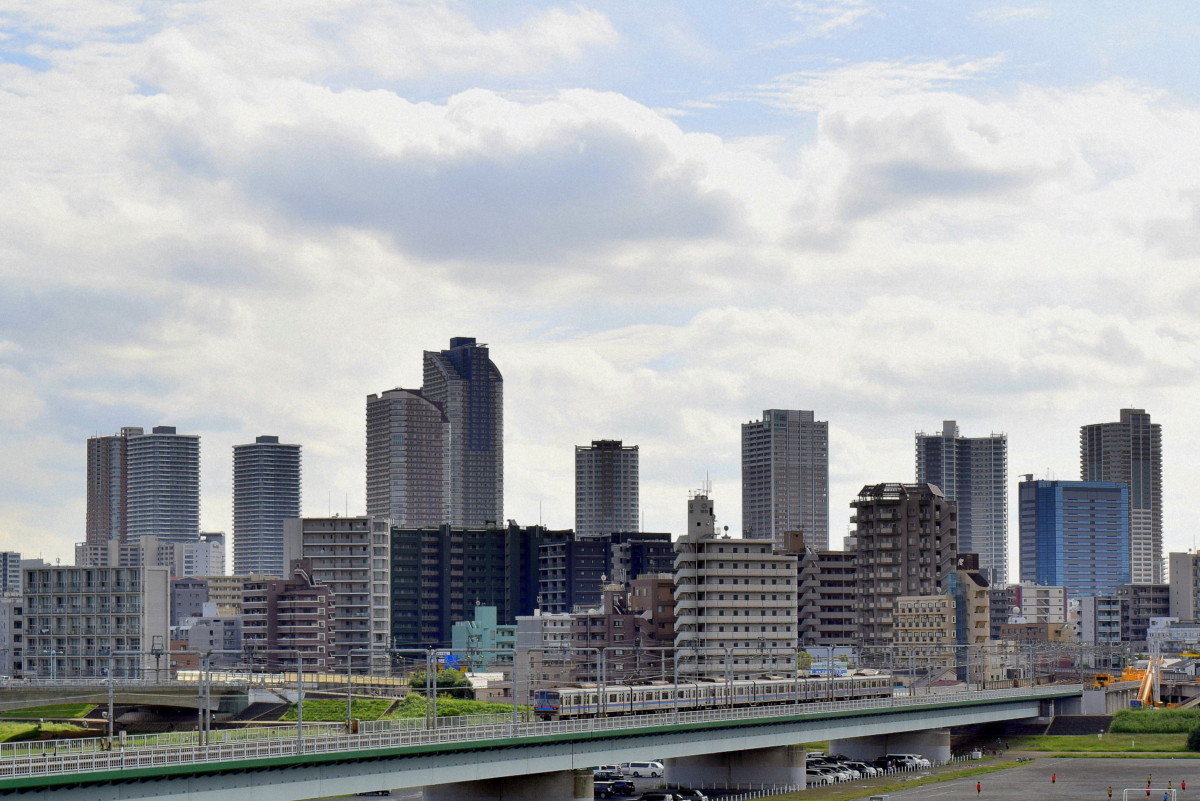
That such an epic development effort as seems to have taken place here over the last twenty years could result in something as uninspired as what JR Musashi Kosugi has become never fails to baffle me.
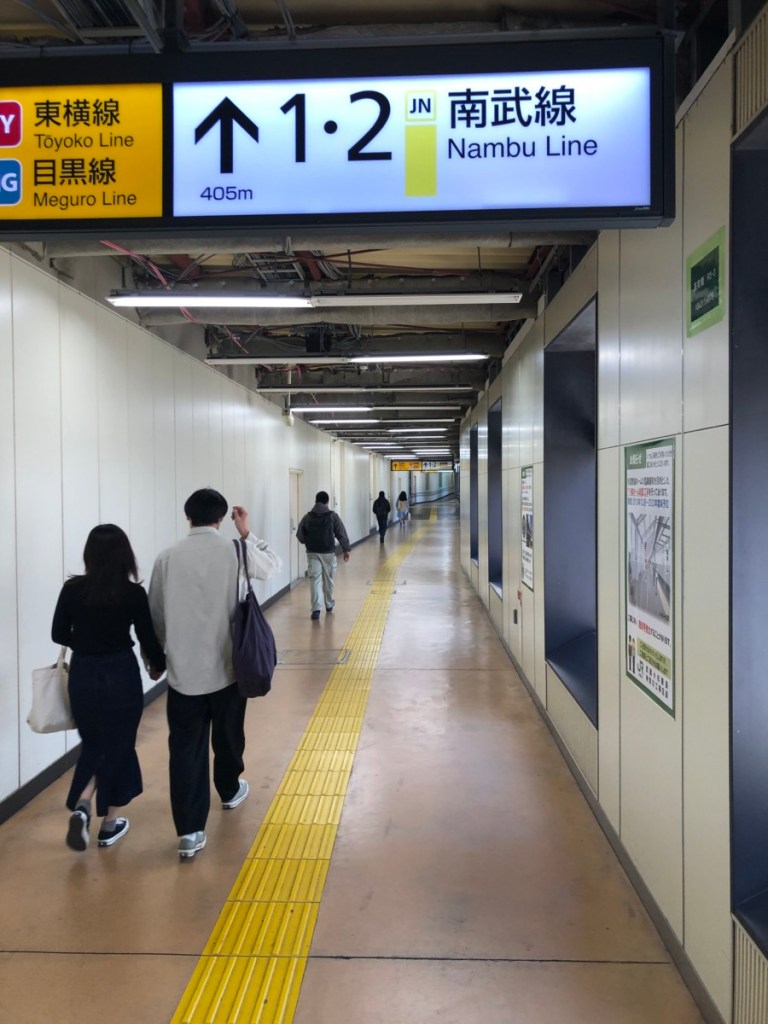
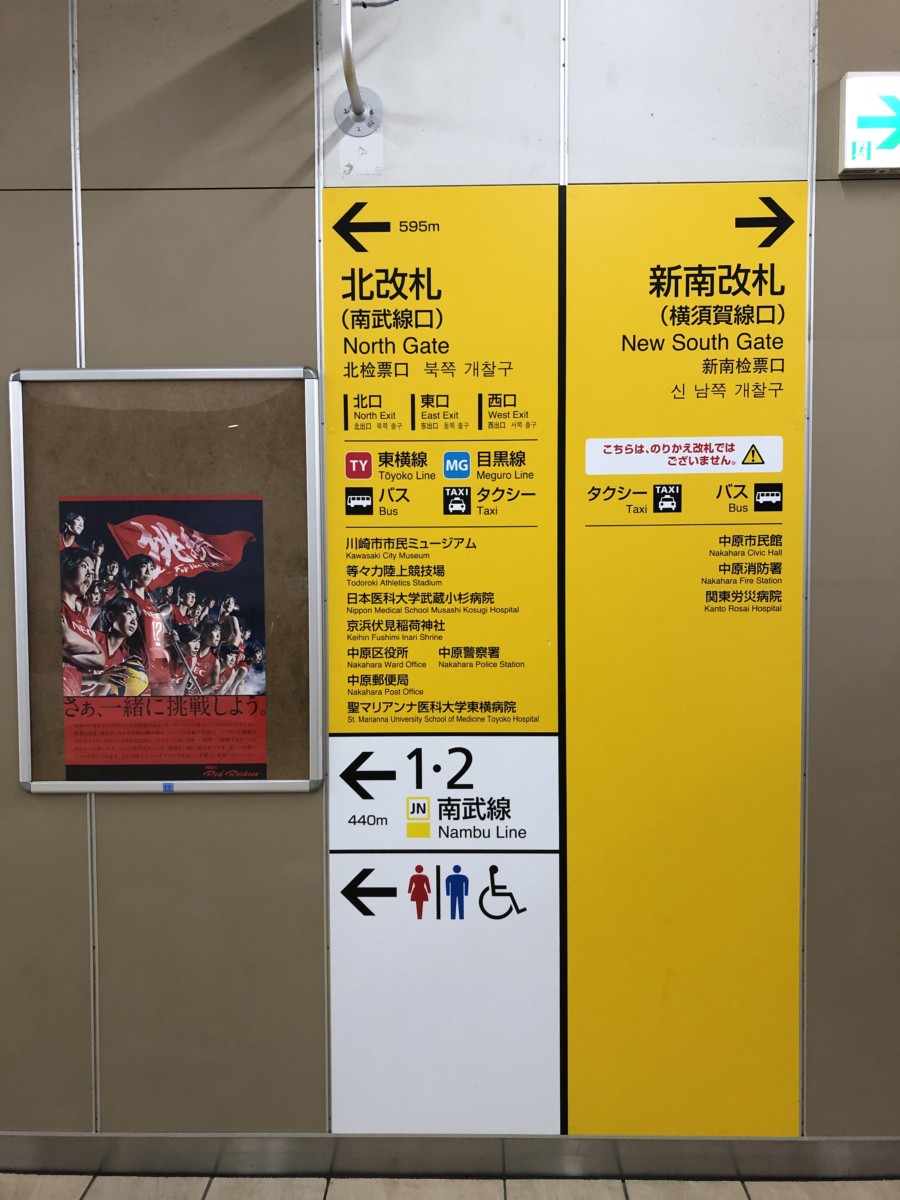
The elevated Yokosuka & Shonan Shinjuku line platforms are about 500m away from the Nanbu line; to get there requires a long, dull, depressing walk through gloomy tunnels that are too hot in summer and too cold in winter, underneath lighting that was perhaps military surplus, left over from a post-apocalpyse shelter project. The Nanbu line ticket gates and that general area are much more pleasant to travel through, but could probably do with a lick of paint.
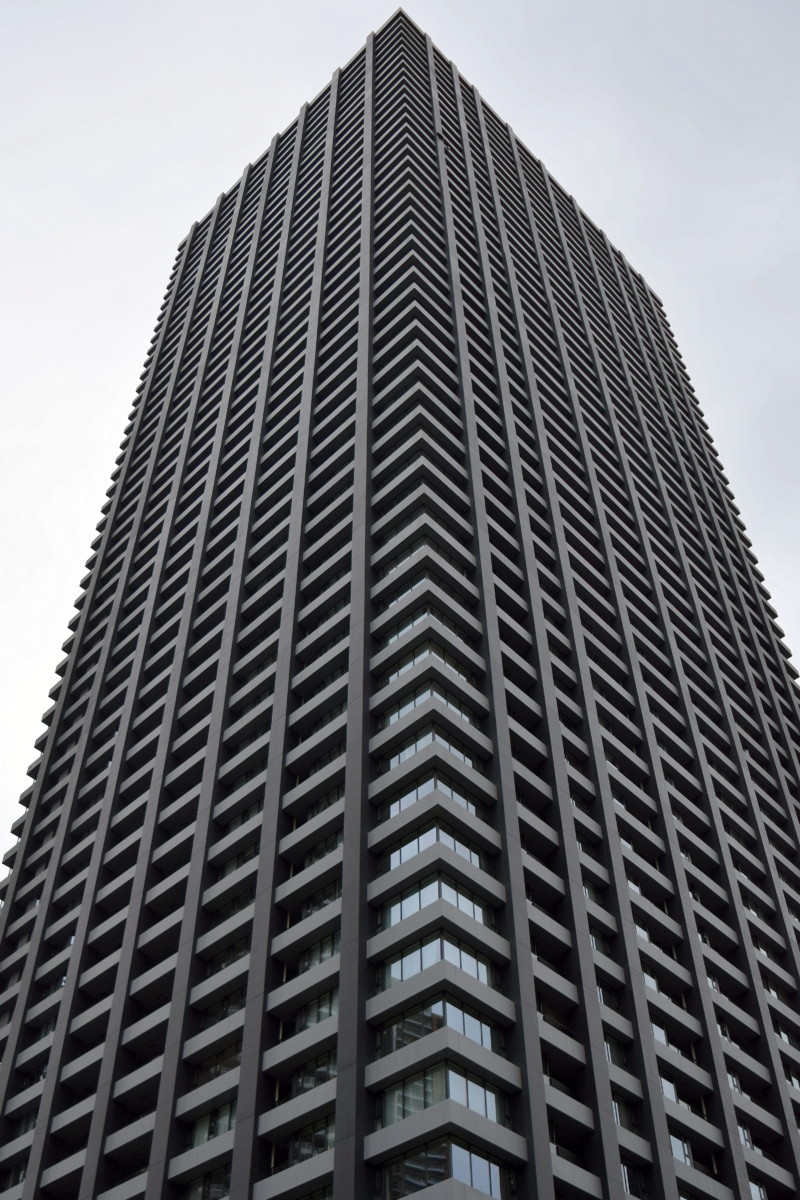
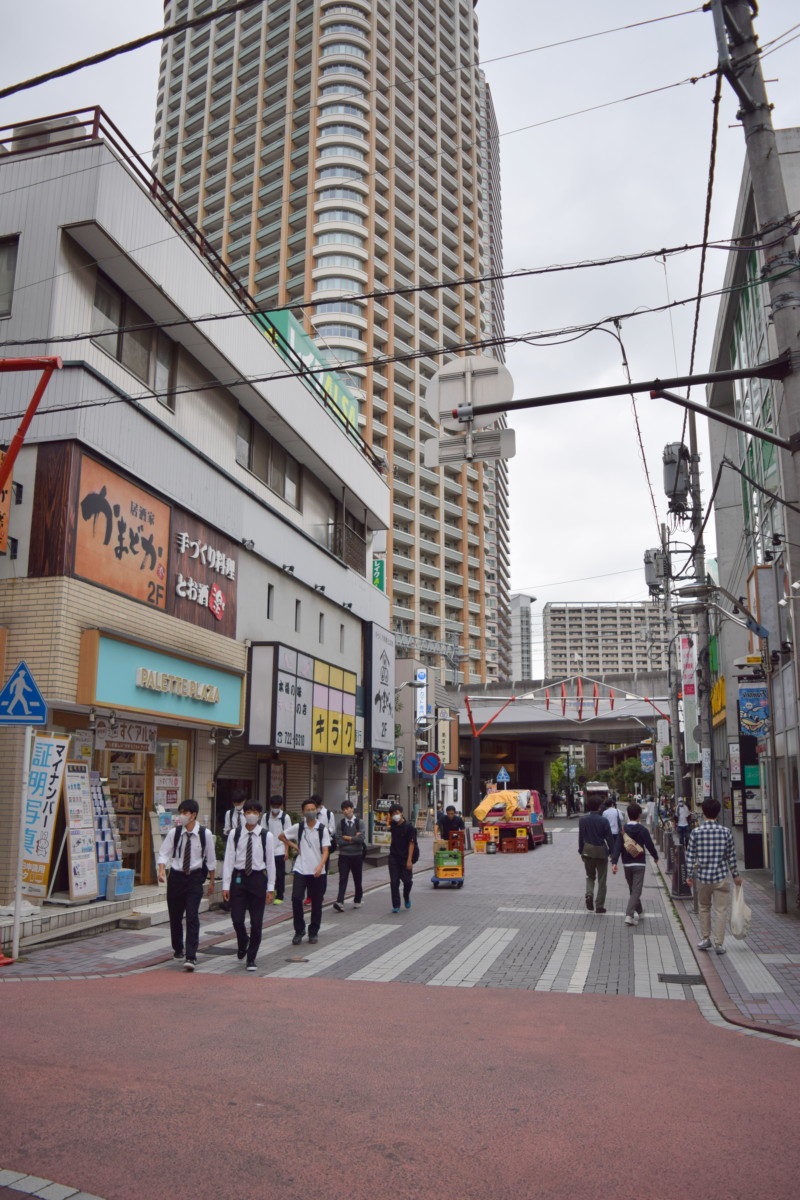
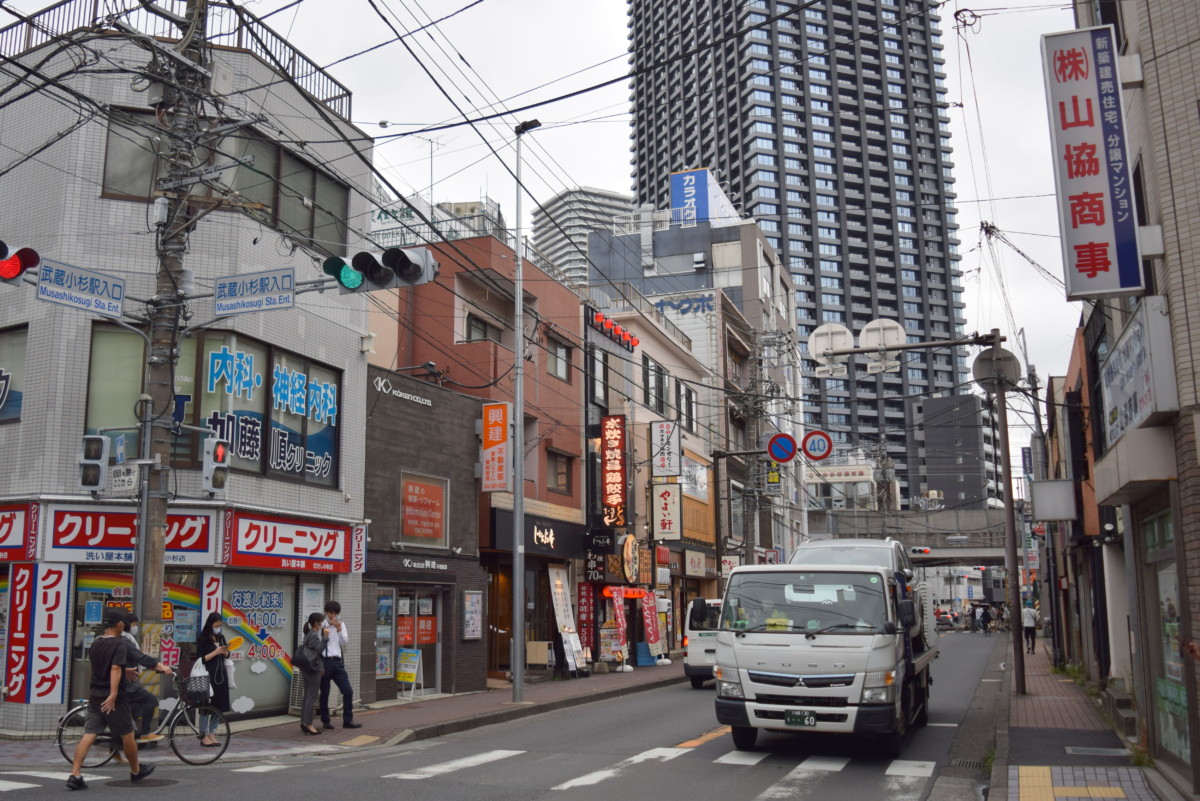
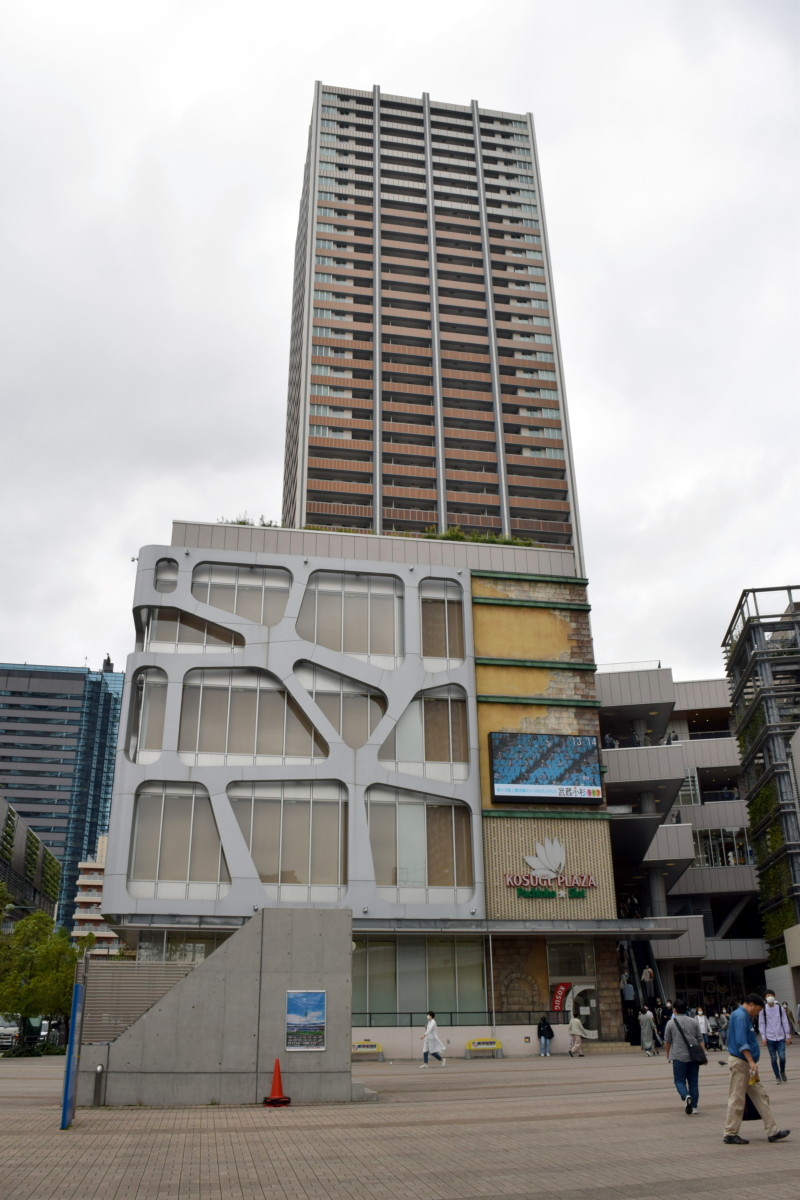
Outside the station, the many new buildings tower over the streets below, some of them outfitted all in black like goth kids trying to be ominous in the corner of the kitchen at some house party.
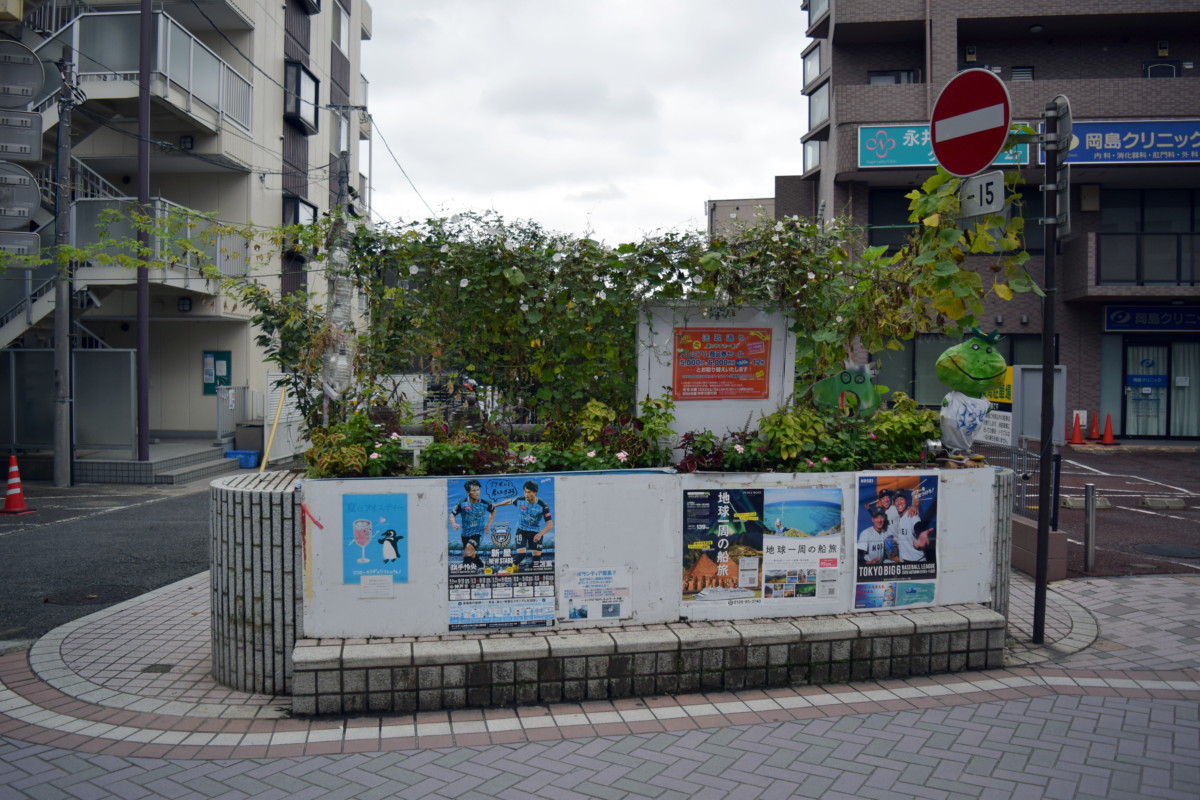
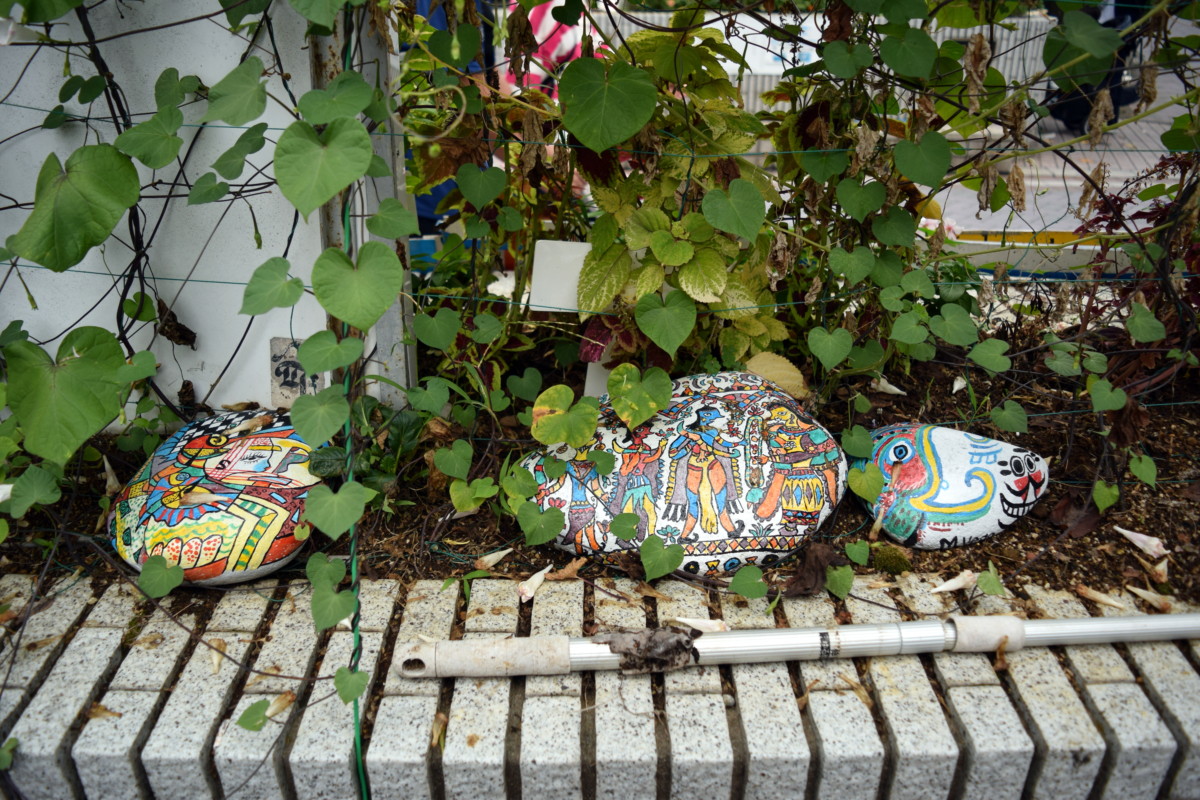
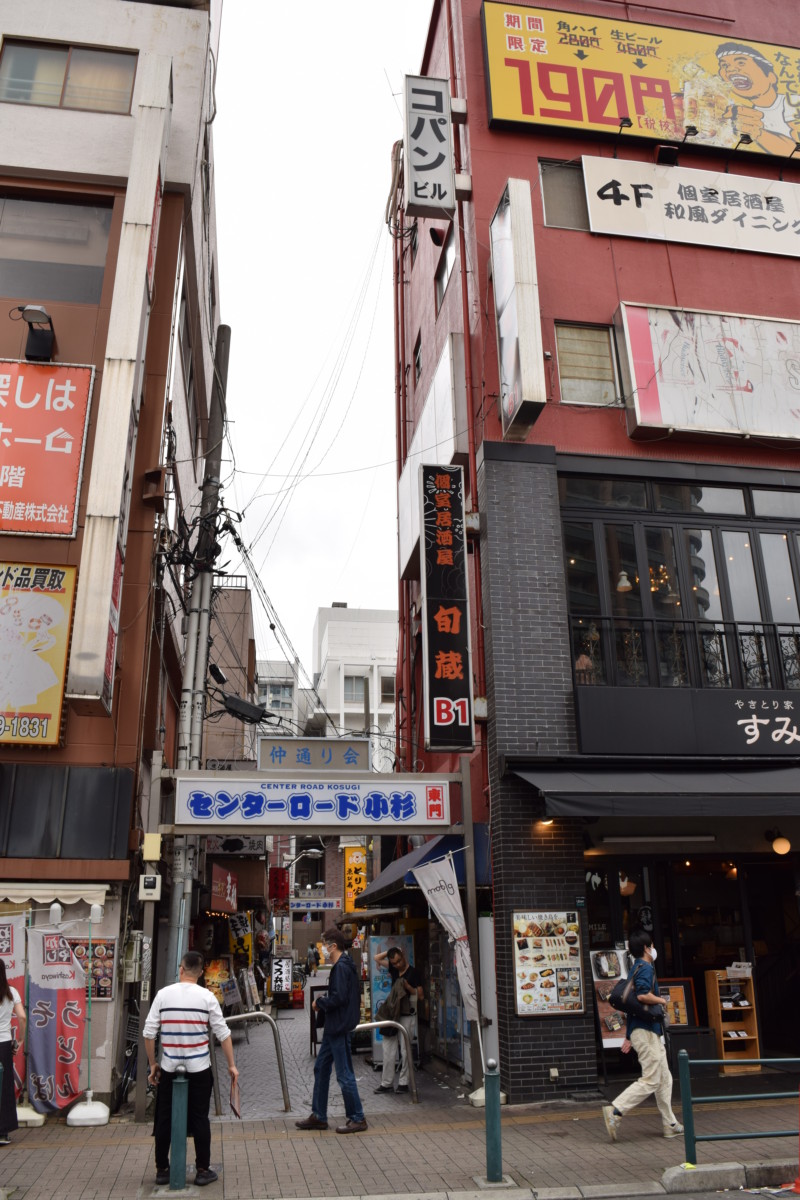
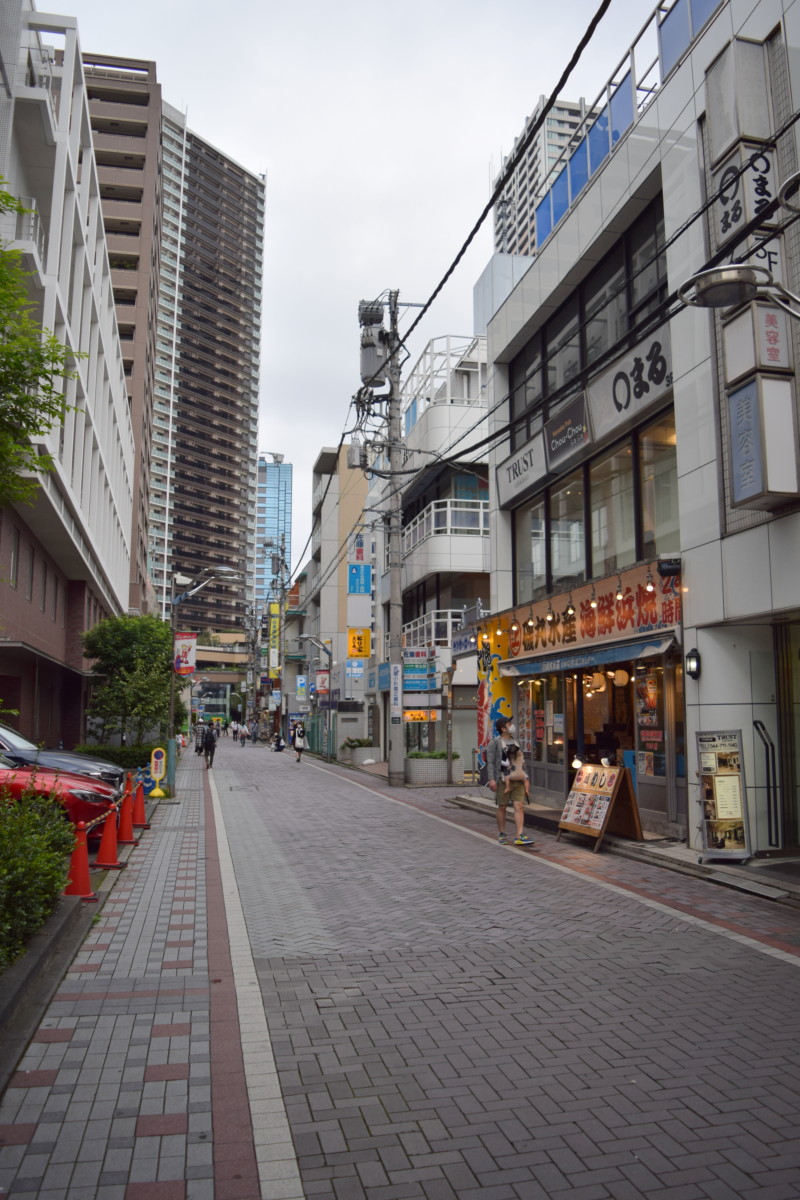
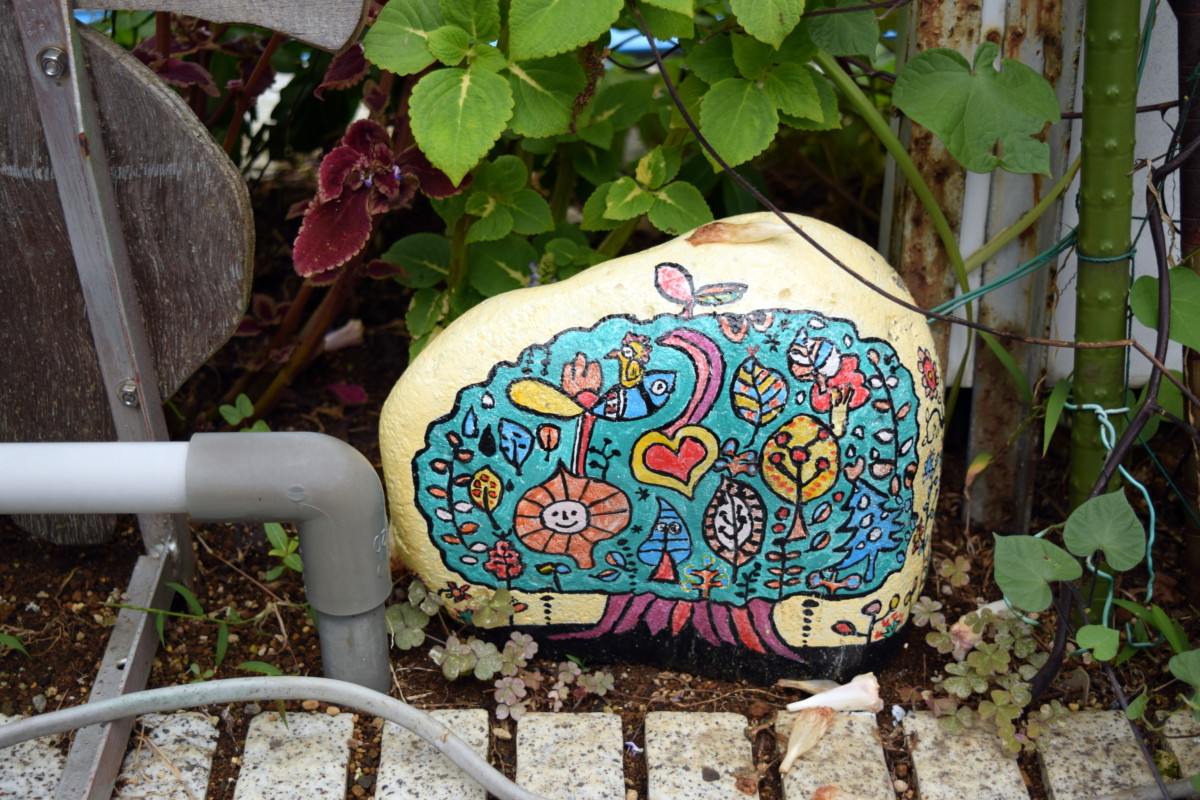
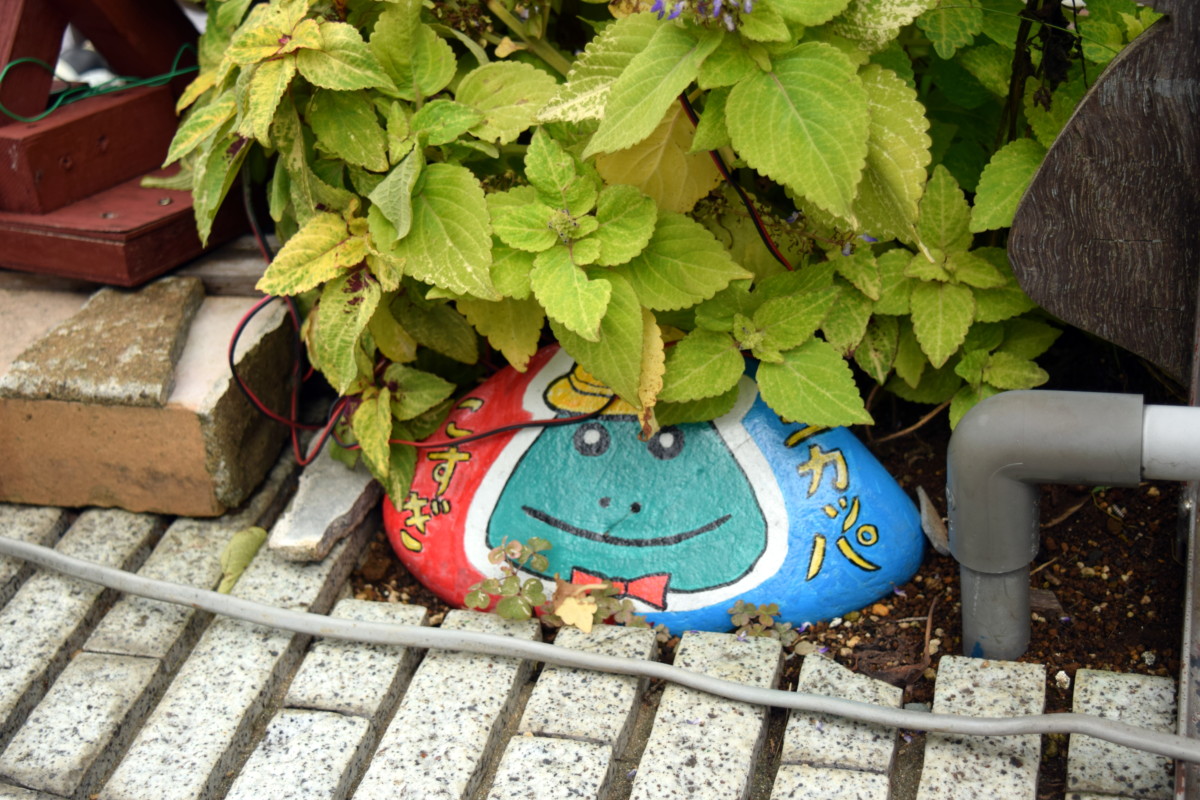
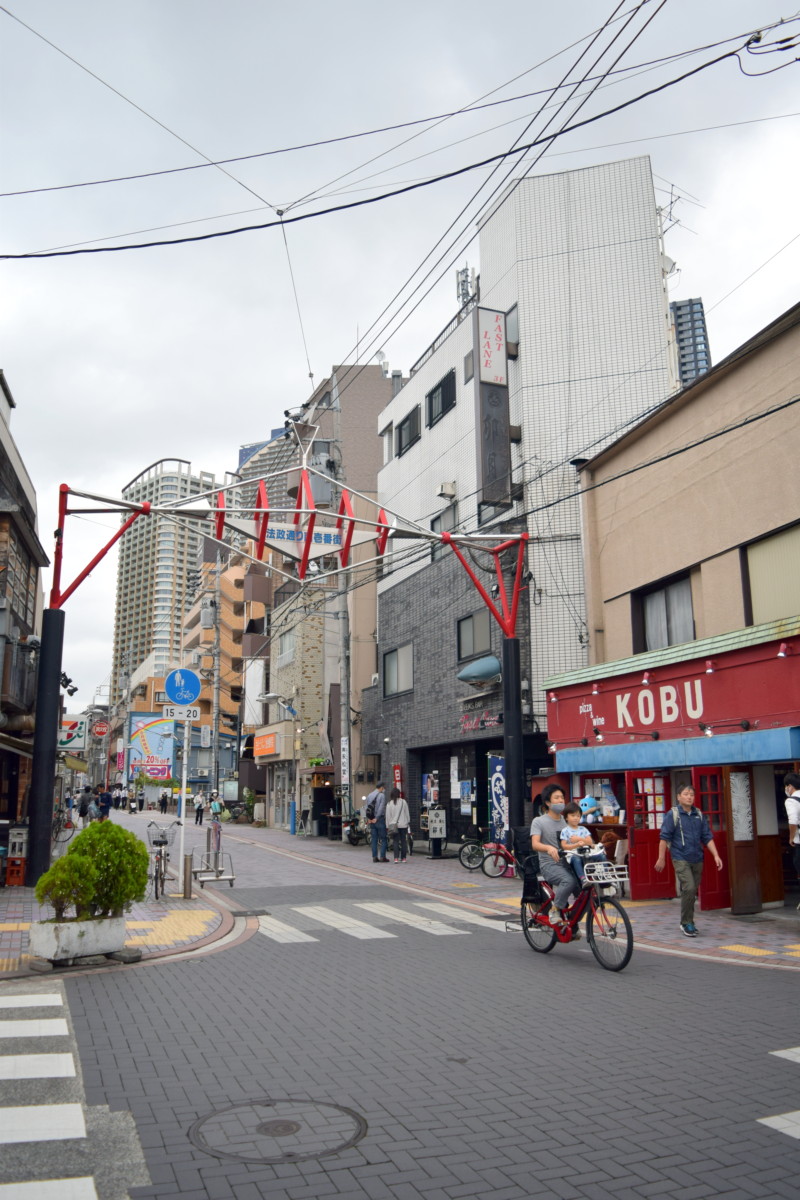
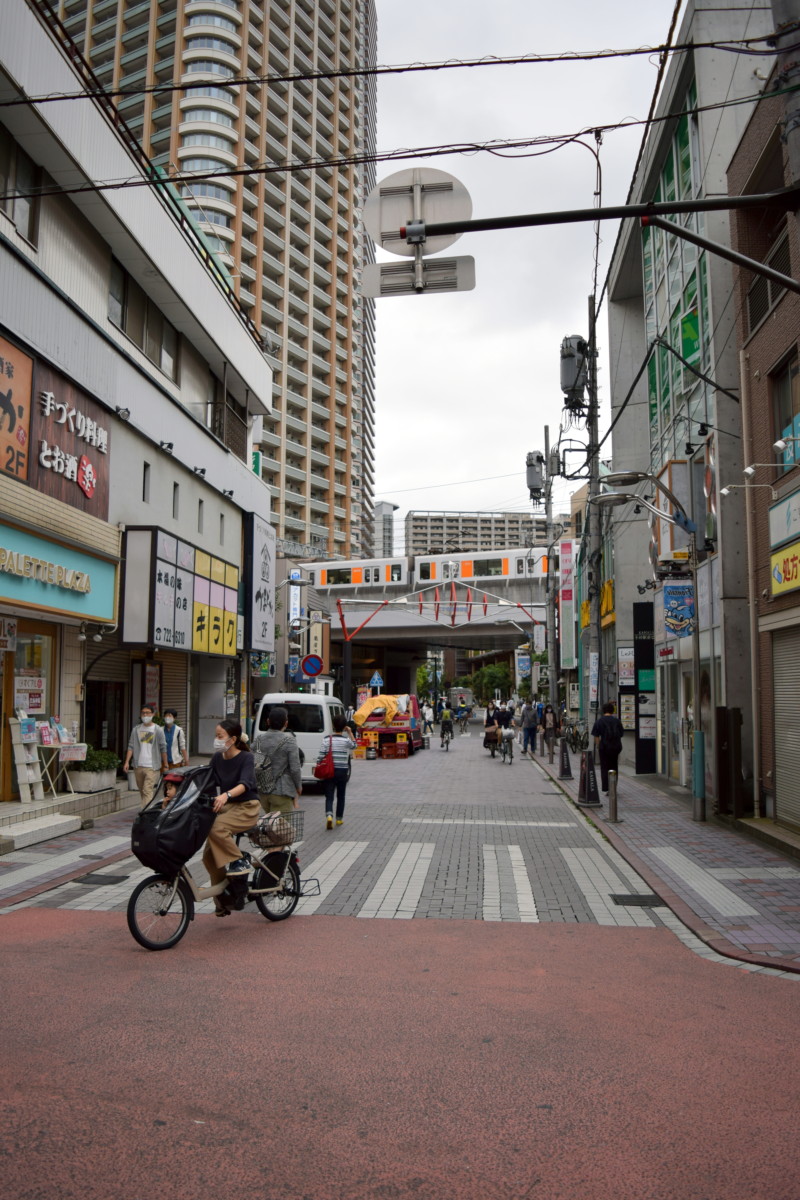
The older back streets are kind of funky with little restaurants and art by local school kids:
I’ve also long been a fan of the clock tower at the Hosei campus here, although I’ve never been sure why.
As I said though, the most enjoyable thing to do, at least for someone like me, is to make your way down to Shin-Maruko, the station after Musashi-Kosugi on the Tokyu line.) It’s only about a five minute walk if you don’t want to catch the train. Here, you can wander along the Tamagawa riverside.
Both sides of this river are filled with parks and outdoor areas to enjoy, although the closer you get to Kawasaki city centre, the amenities tend to drop off in number and you’ll see a lot more homeless encampments.
At this end though, you can find one of Kanagawa’s top 100 bridges, the Maruko bridge, built in 1934:
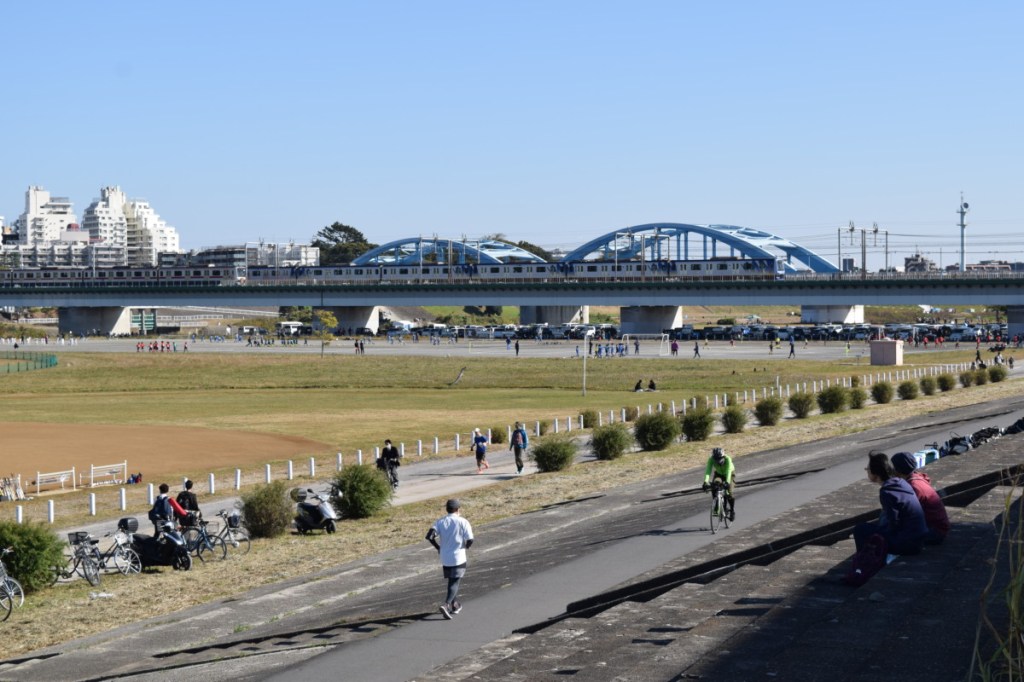
In the foreground above, you might also be able to see the remains of Japan’s first velodrome. Well, the spectator stands at any rate. Here’s a closer view:
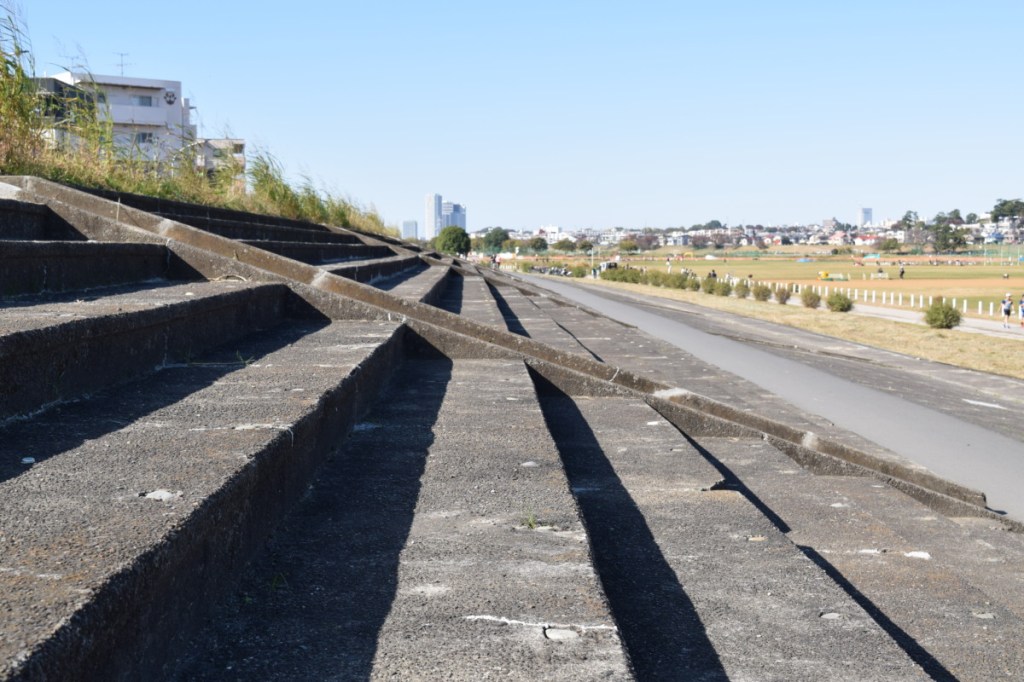
In 1936 (Showa 11), Japan’s first full-scale permanent circuit site “Olympia Speedway” was completed on the riverbed of the Tama River. This circuit, which was also called the “Tamagawa Speedway” because of its location, was an oval course with a circumference of 1.2 km and a width of 20 meters, which was the best in the Orient at that time, and a stand with a capacity of 30,000 people was also built. It seems that the race at Tamagawa Speedway continued until 1939 (Showa 14).
MACHINE TRANSLATED INFO from “KAWASAKI IS THE BEST”
There’s also a tiny tiny monument to where the Maruko ferry crossing once was. There used to be a great number of ferry services across this river: they would have been the only way to get to Tokyo without a massive detour in the days before the railways.
(It was an ambush on just such a ferry crossing on this very river that brought the bad juju raining down on Musashi-Nitta, if you recall.)
If the weather’s on your side, I’d recommend heading north along the river, towards Todoroki stadium & then on down to Musashi-Nakahara – which I’m sure you’ll be surprised to learn, is next week’s Musashi.
Station Rating
A super-convenient place to live, plenty of decent restaurants. Bit low on actual sights to see and that JR station … ugh. But it’d be churlish to give Musashi-Kosugi any lower than the score above just because of that.
Musashi Kosugi Station Gallery

 CityHillsAndSea
Leave a comment