RotW is my Railways of the Warrior project. Visiting all the Japanese train stations with Fuji in the name & the 12 castles with the original keep still standing wasn’t enough to satisfy my love of lists, so now I’m working through all the stations with Musashi in their name.
Click this link for more info.

Name in kanji : 武蔵砂川
Kanji meaning: sandy river
Station opened : 1983
Trainlines: Seibu Haijima
# Passengers daily : 10,972
Distance from CityHillsAndSea HQ: 84km
Located in: Tachikawa, Tokyo
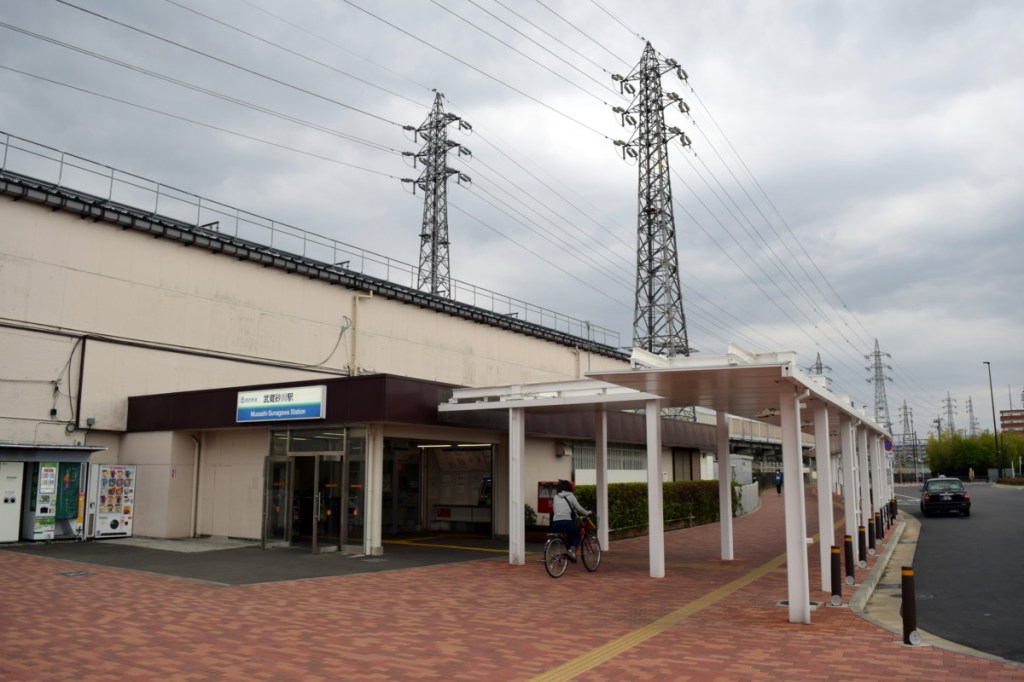
Name in kanji : 武蔵砂川
Kanji meaning: sandy river
Station opened : 1983
Trainlines: Seibu Haijima
# Passengers daily : 10,972
Distance from CityHillsAndSea HQ: 84km
Located in: Tachikawa, Tokyo
Things to Do
Not a whole lot up this way to make the trip worth it for the area alone.
The star attraction is probably the Showa Memorial Park, situated some twenty minutes south of Sunagawa Station, and which is, in fact, much much closer to either Tachikawa or Nishi-Tachikawa station.
To get there, though, you’ll have to cross over the Mikage Bridge, which is exactly what you’d think – a bridge with some nice scenery. Nothing startling.
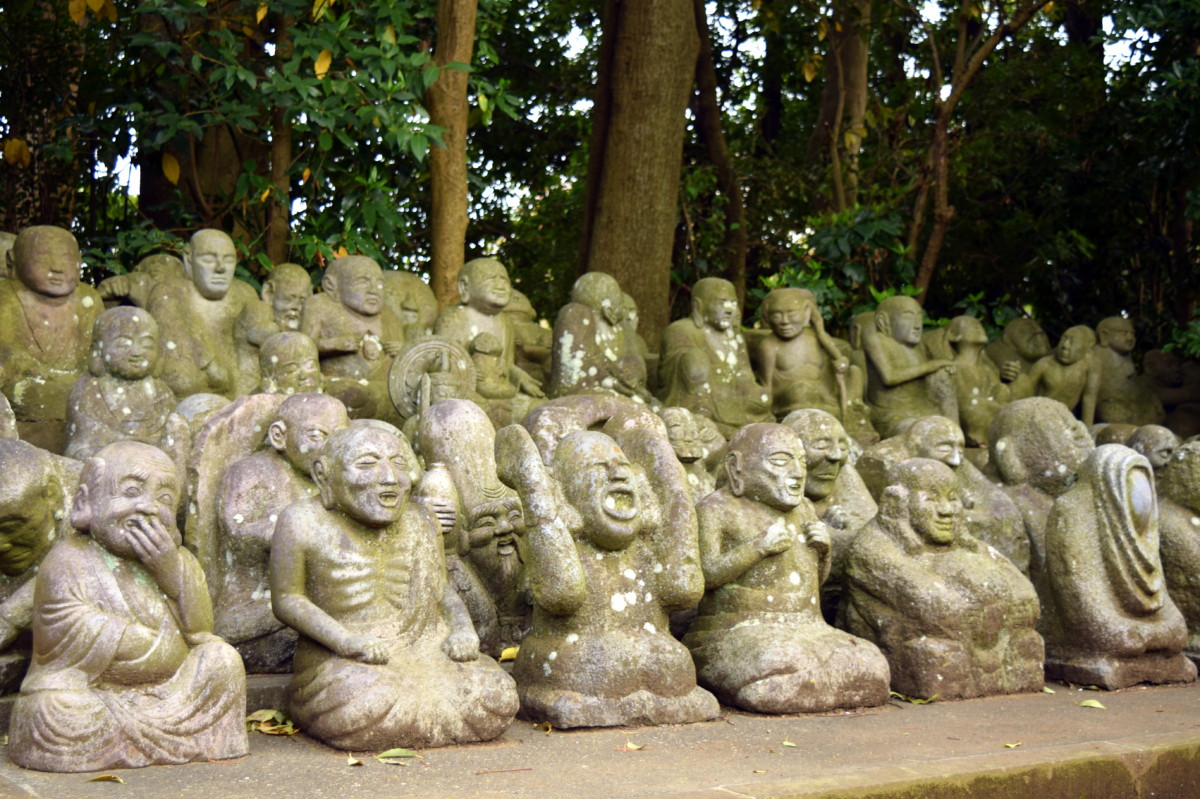
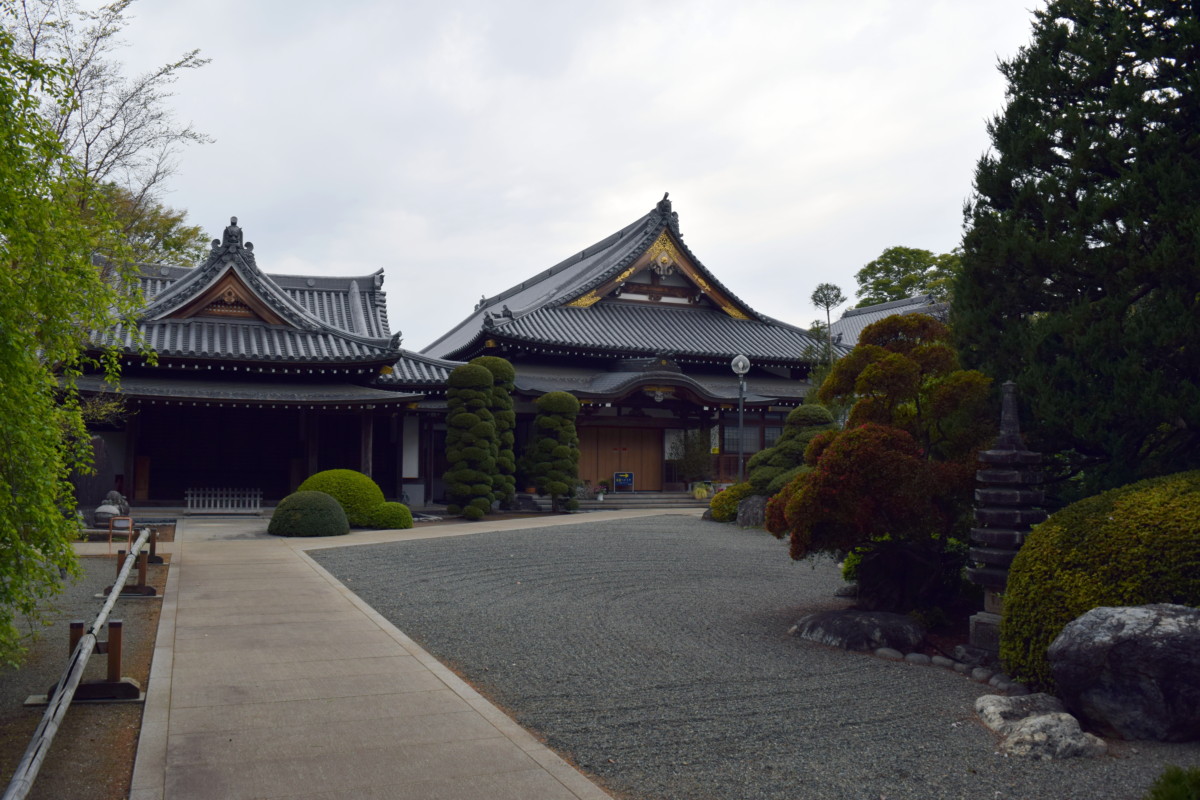
Past that, about halfway between the Showa park and the station is the beautiful, Ryusenji – best I can tell is that this is just your average run of the mill local Buddhist temple, but it has somehow managed to hit every chill note in its layout and presentation. So you know, not heavy on the history or anything but it really does have a good vibe to it.
All About Musashi-Sunagawa Station
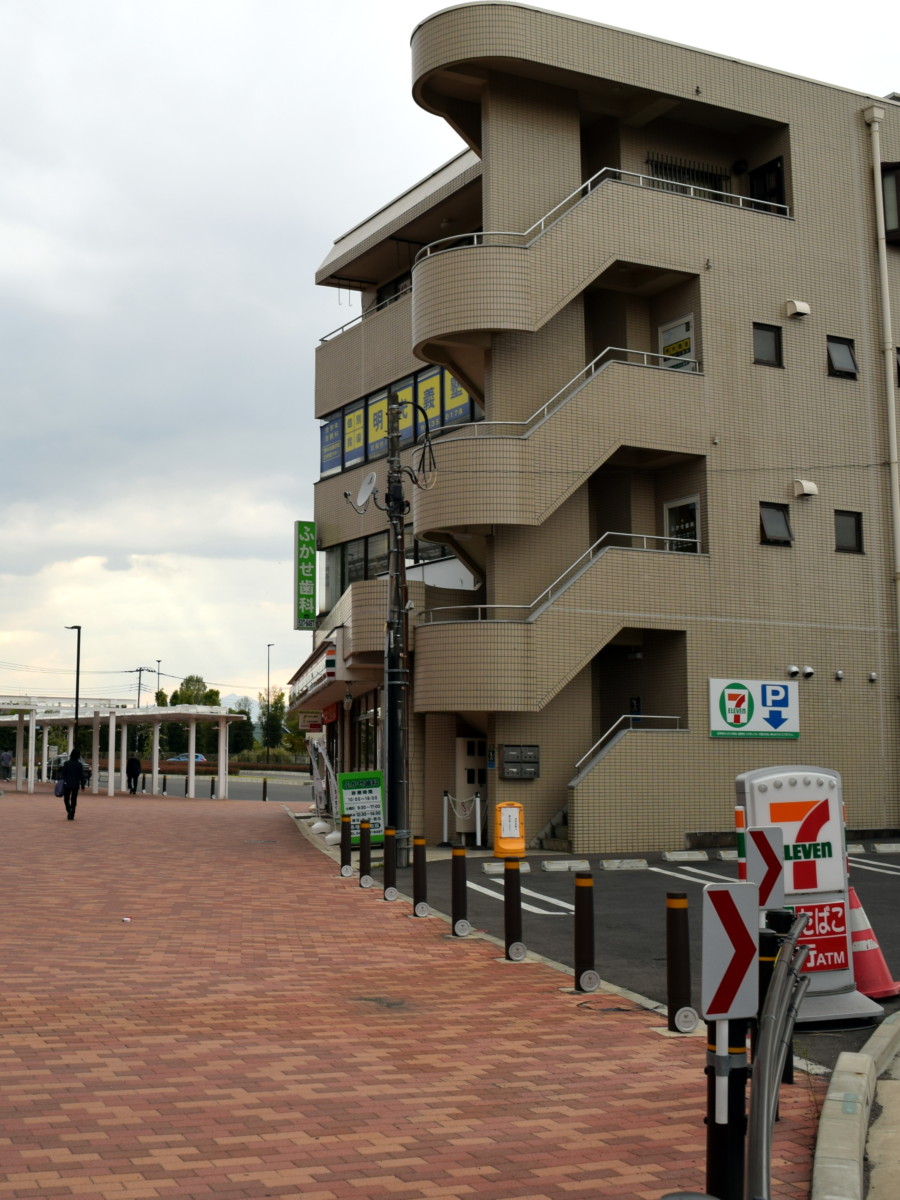
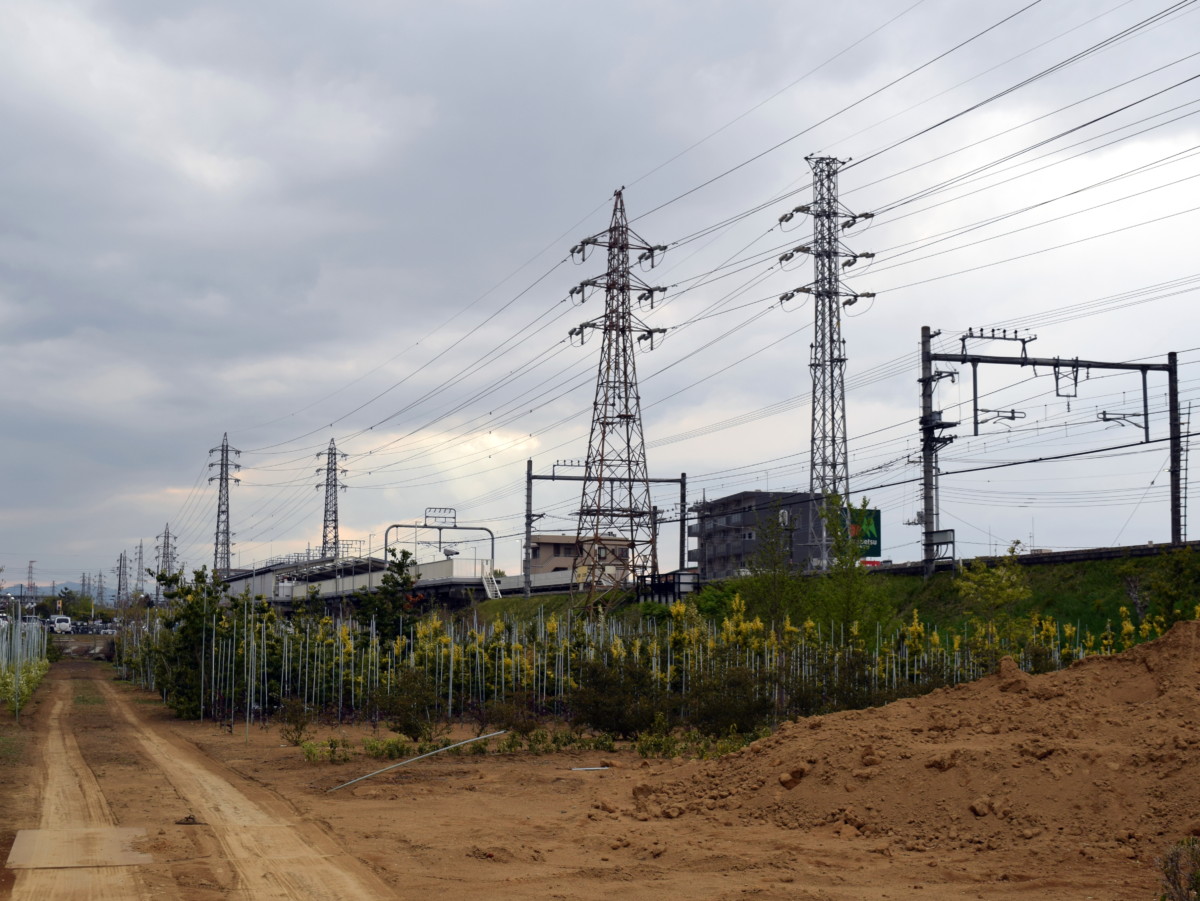
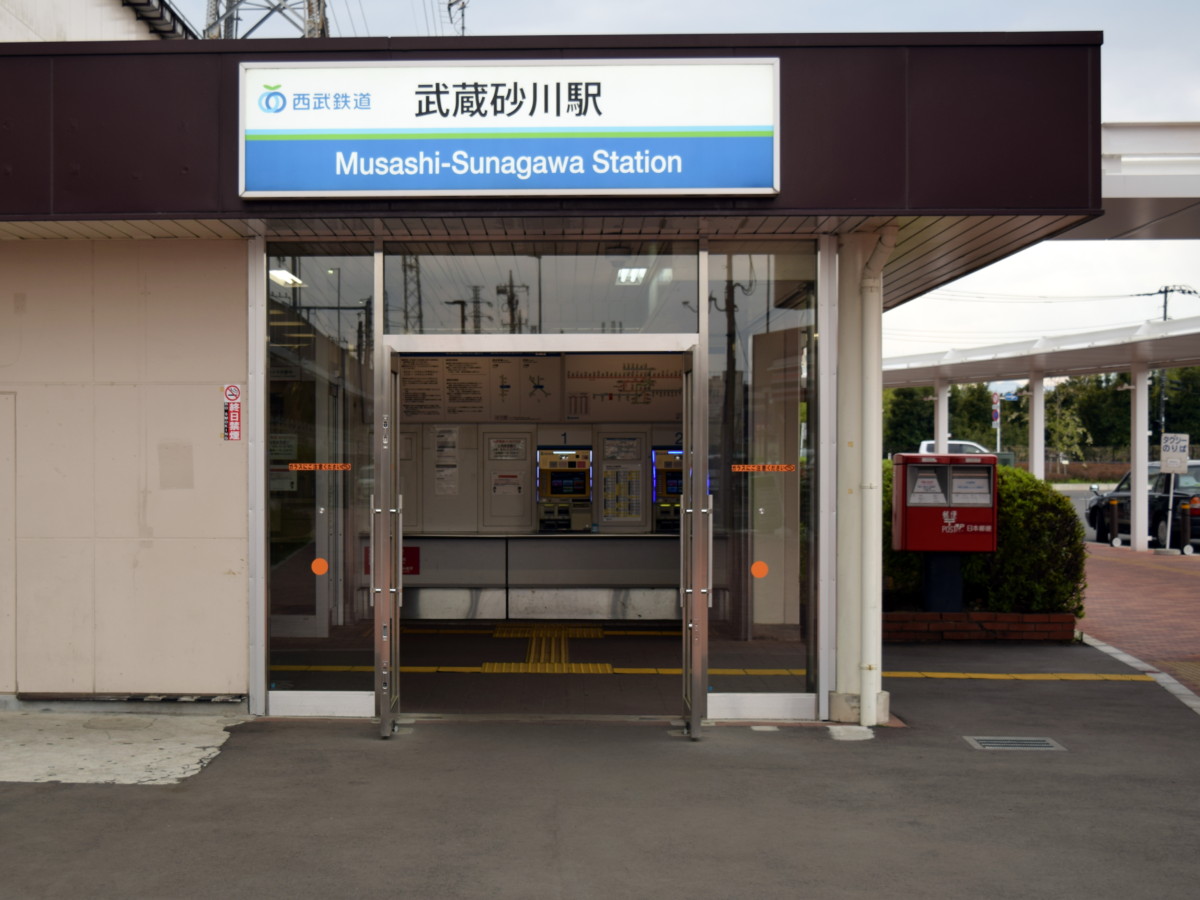
The gloom and general malaise that seems to pervade the station area around Musashi-Sunagawa might have had something to do with the overcast skies.
I’ve a feeling it was a little more than that though. Some places just have that feeling of desolation about them.
In the absence of anything particularly fun to do around the station, I decided to just make a beeline for the Showa Kinen Koen, a huge park about 20 minutes south of Sunagawa and only very tenuously connected to this station at all.
My research before arriving hadn’t really turned up anything else of note but I did pause for a second heading over a little bridge to admire the waterway and the trees on either side. It looked pretty:
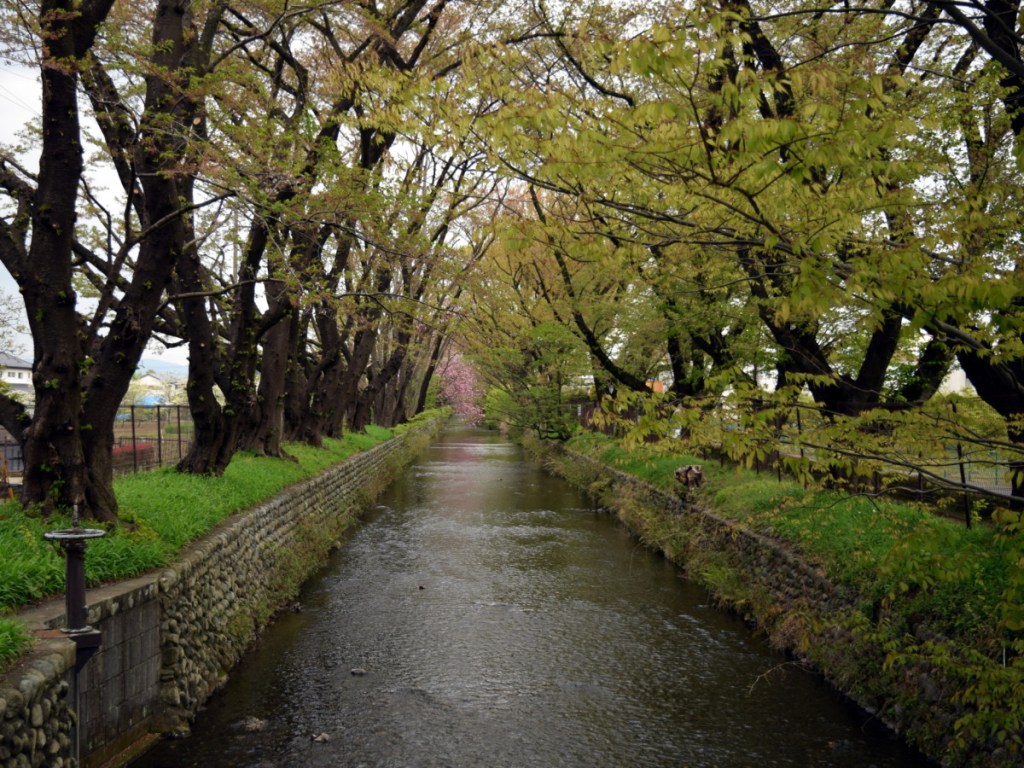
I also wondered what the significance of the sluice there on the left might be. I had to do a bit of internet sleuthing but it turns out that there was, in fact, something interesting at Sunagawa after all:
… the Mikage Bridge here is a historical bridge that has existed since the Edo period. It was called “Shinobashi” because it was the fourth bridge from the upstream of Tamagawa Aqueduct that flows through the village, and it was also called “Husband Bridge” because it was near the mansion of the owner. Just beyond the bridge, you can see the diversion port where water was drawn to move the water wheel in the mansion of the village head, Gengoemon Sunagawa. It seems that it is rare that water is allowed to be drawn into a private mansion…
from a Japanese Review on TripAdvisor
Time was ticking, however, so I didn’t linger. It looked like I could take a quick shortcut through Ryusenji and its adjoining cemetery, about which my internet sleuthing drew a blank. I can tell you that it was one of those temples whose grounds you enter and just suddenly feel instantaneously calmer. I think everybody should have at least one place like that near their home to visit when things get too much.

On I went though because I knew the park had a closing time. I just didn’t know how the pandemic had affected this.
As it would happen, not at all.
It would, however, turn out that you had to pay an admission fee, which I have to admit, I found hard to believe.
I forked over my 500 yen to enter a park (to enter a park?!) and figured that it was probably worth it.
After all, feast your eyes on this –
Showa Memorial Park (昭和記念公園, Shōwa Kinen Kōen) is a park in the city of Tachikawa, 30 minutes from central Tokyo by train. Spanning over 160 hectares, this huge park boasts a variety of natural spaces, seasonal flowers, water features, museums and sports facilities. The park was opened in 1983 to commemorate the 50th anniversary of Emperor Showa’s reign.
from JAPAN-GUIDE.COM
I mean, it’s a park to honour an emperor. It has to be pretty swanky right?
The answer to that is a slightly strangled “yeeeeeeees?” with some mild uptalk at the end there.
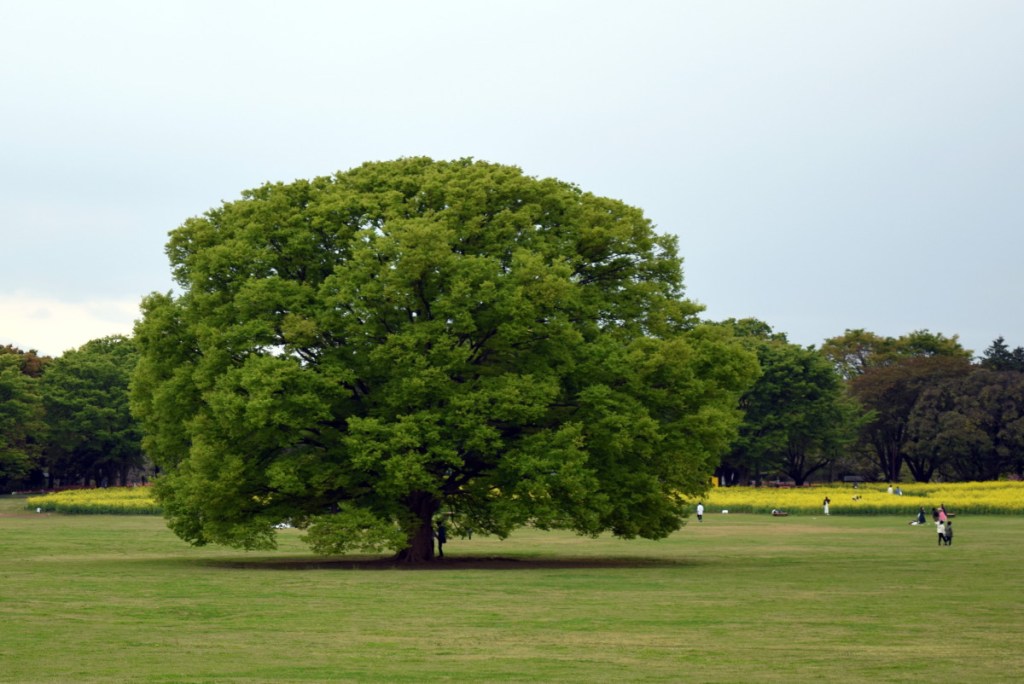
Look at that tree. It’s splendid. It’s surrounded by more grass than you’re probably used to seeing in the middle of a Japanese city on the Kanto plain.
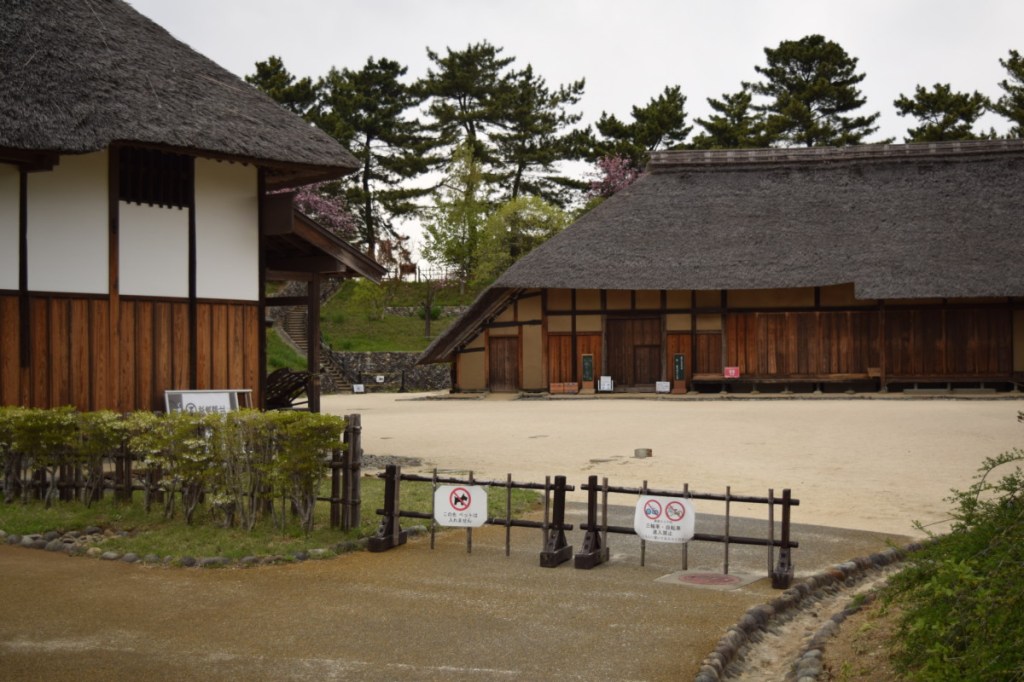
There are trees everywhere, with pathways snaking around to take you from attraction to attraction. Attractions like this little traditional village, which I was too late to enter:
There are swimming areas too, and playgrounds, a museum and quite a fair few other things to do – most of which are currently limited or closed, owing to the pandemic.
I mean, it sounds great. Right? Riiiiiiiight?
The thing is, the park is really shabby. There are plenty of staff at the entrances standing round saying, “HI! WELCOME!” and asking for your tickets, but I didn’t see anybody walking around the park trimming the weeds growing up from every. single. kerb.
The winding paths have also clearly not seen any new tarmac or repaving in quite some time, and they look a little forlorn and worn pretty much throughout the whole park.
You’re also not allowed to bring your own bicycles into the park – you have to rent one. Rental is about 500 yen as well so… imagine you’re a family of four. It costs you about 2000 yen just to get into a park – and a rundown park at that. Imagine you all want to ride some bikes for a bit. Now you’re up to 4000 yen / 25 quid / 30 euro… to play in a shabby park that’s seen better days?
Better hope the kids don’t want to go on the boating pond.
I enjoyed the park, but it was very disappointing. Perhaps I’d feel differently if I lived in the area and could avail myself of the annual pass… but then again, since the park has opening and closing hours that don’t really allow you to go for a morning jog before work nor an evening jog after work, I’m not even sure that would make me feel all that differently.
Musashi-Sunagawa then, was no great shakes, I am sorry to say.
Station Rating
I’m sorry, Tachikawa. Musashi-Sunagawa was depressing enough until I’d walked down to the Showa Memorial Park… which was underwhelming to say the least.
Musashi-Sunagawa Station Gallery
 CityHillsAndSea
Leave a comment