There are more than a few steam locomotives sitting in parks across Japan, enjoying their retirement.
I wanted to acknowledge the ones I happen across for all their hard work, so I started the Static Life Steam Locomotives Project, SLSL for short.
A map of the Static Life Steam Locomotives & more about the project is here.
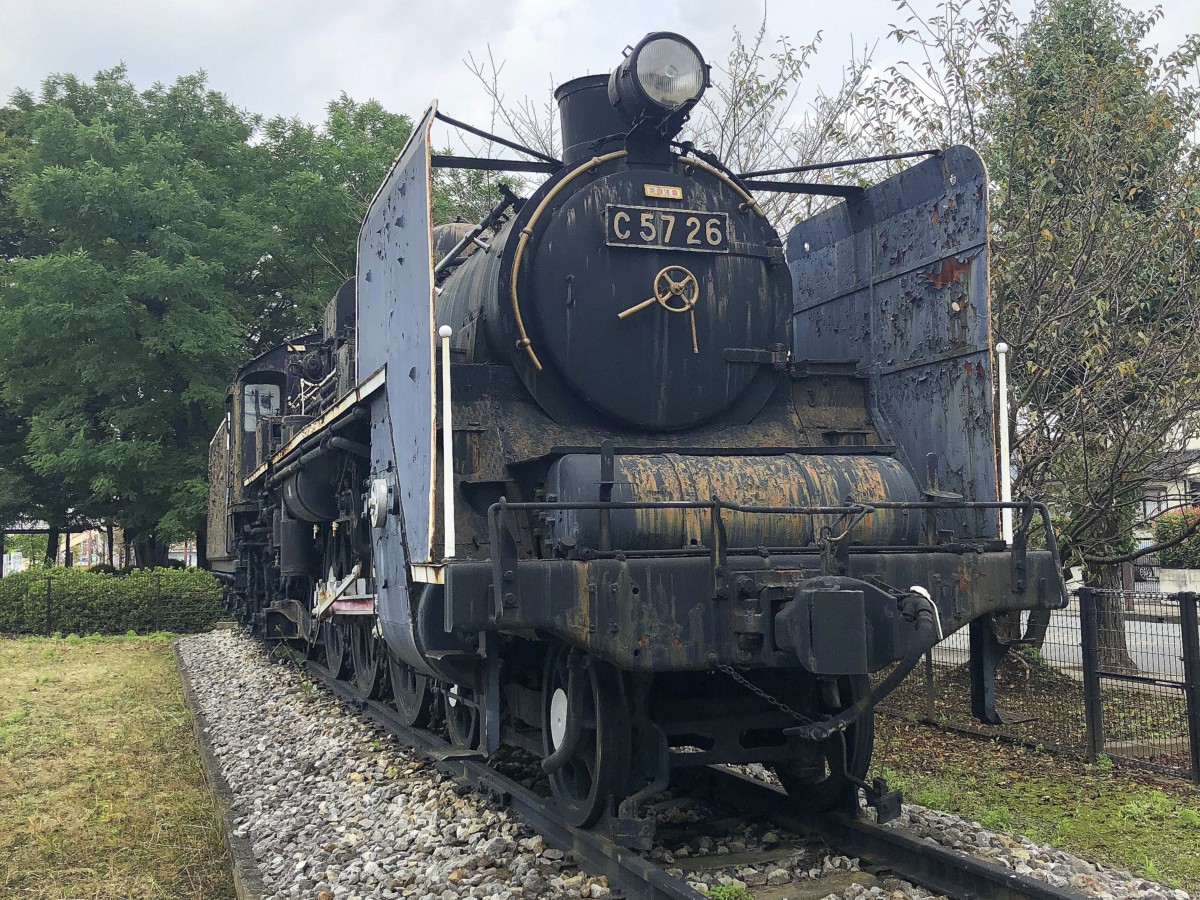
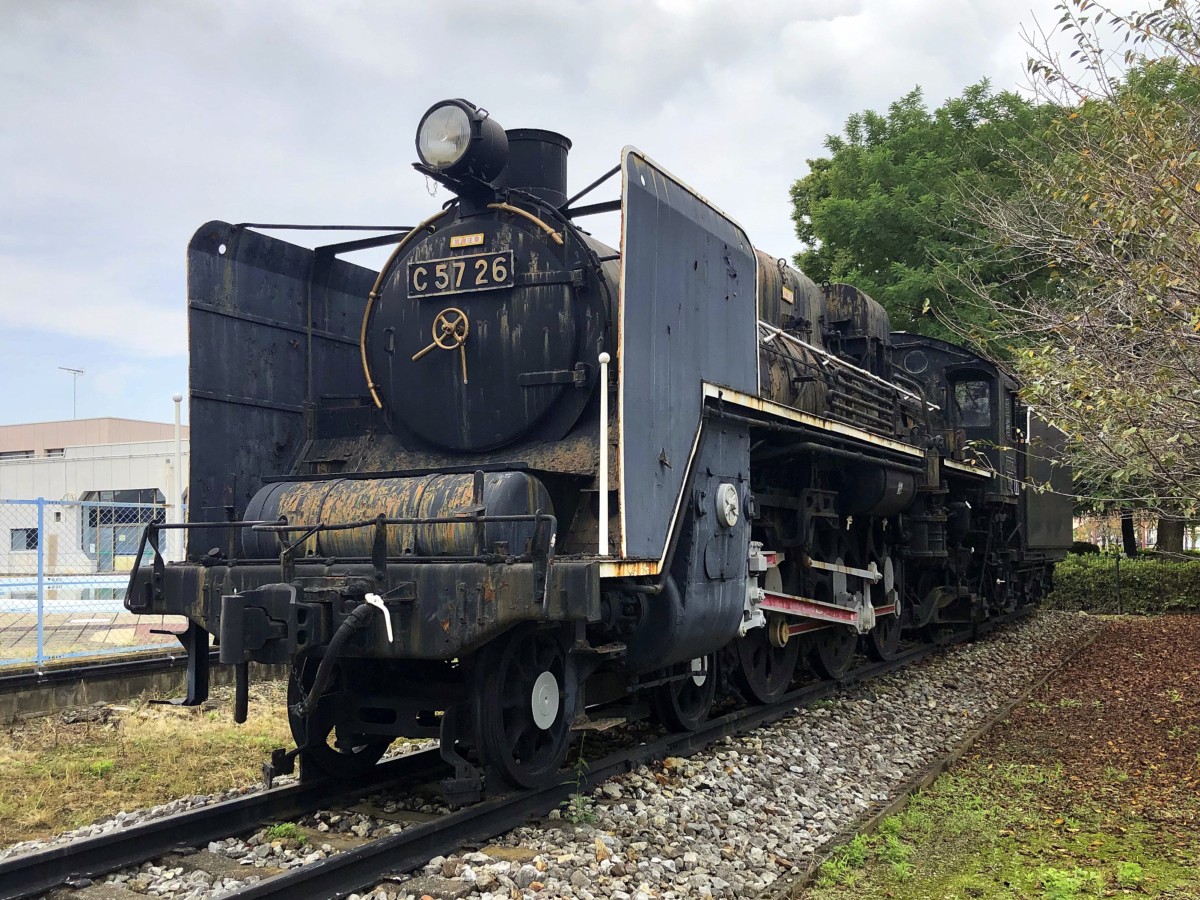
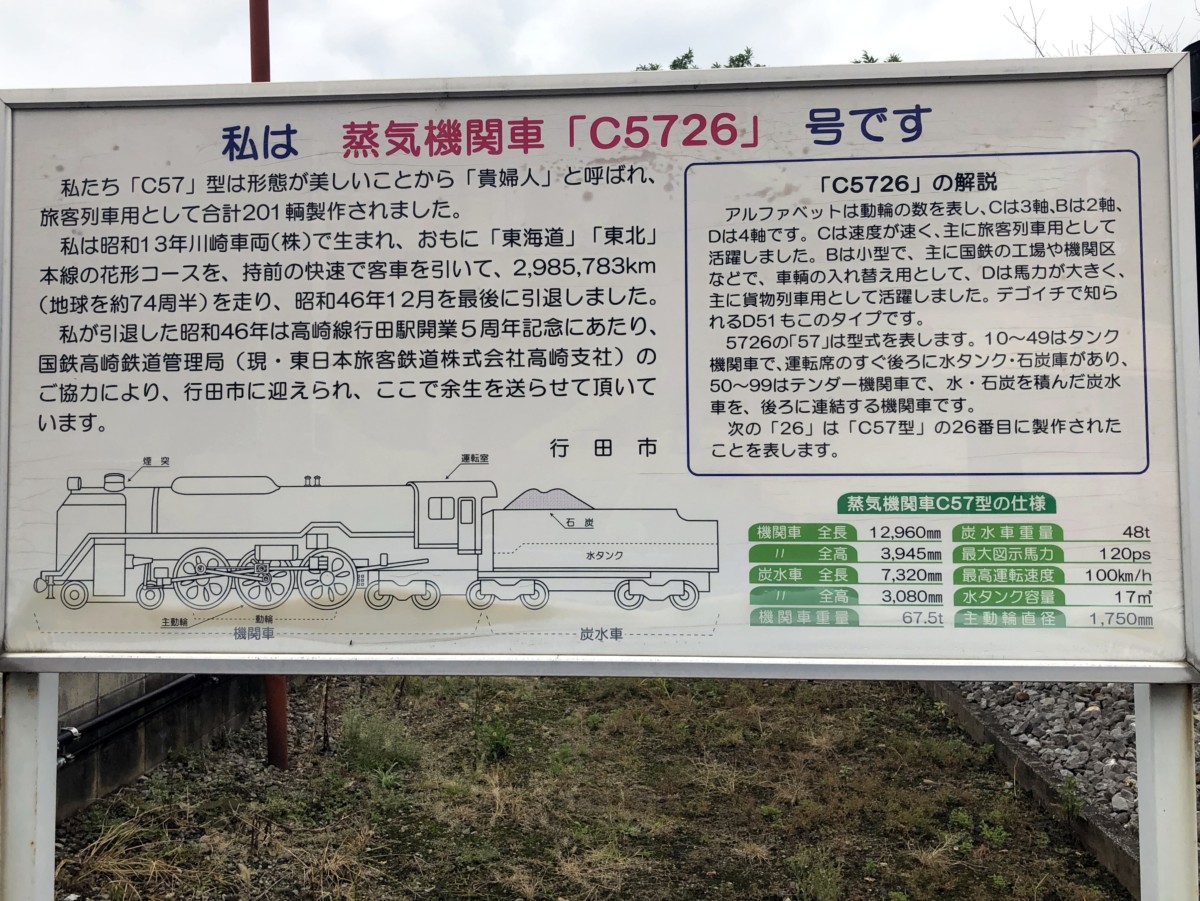
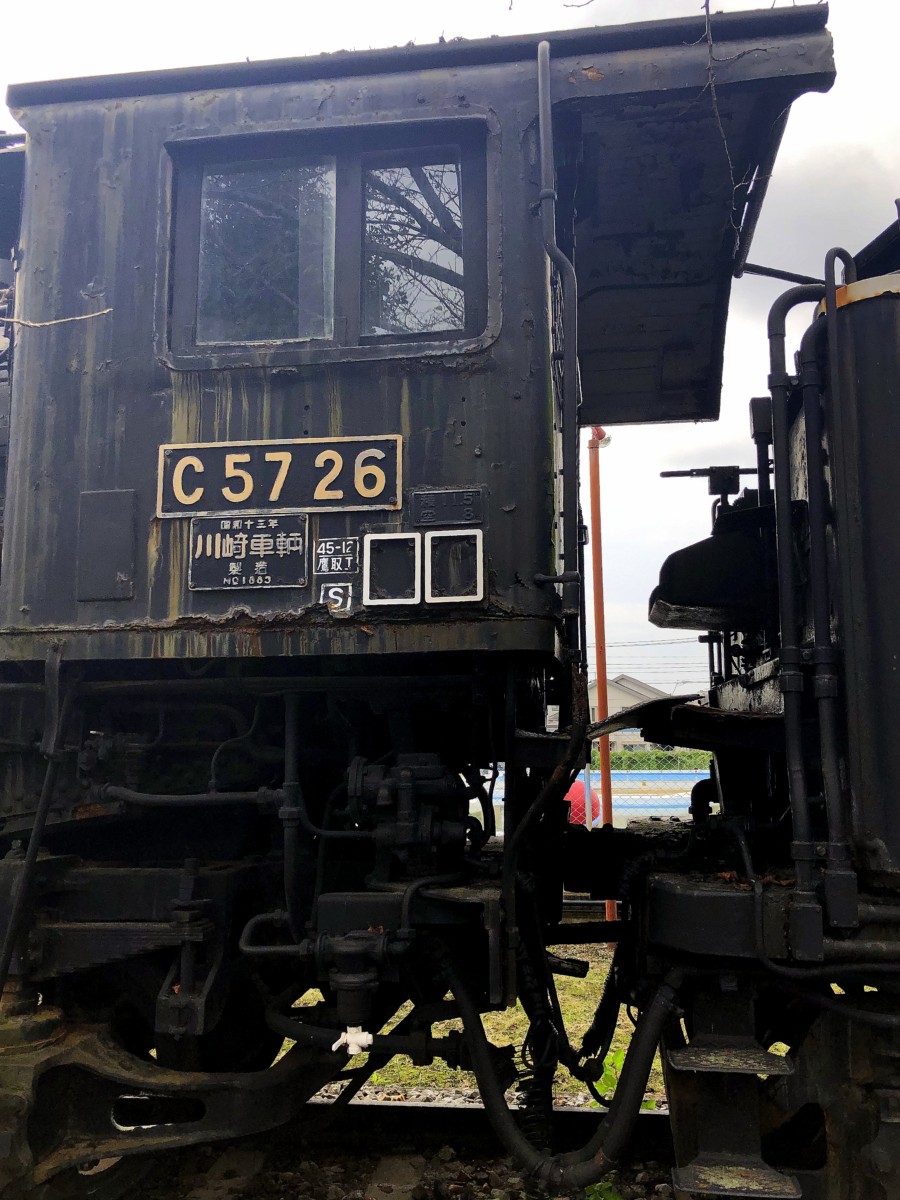
The information board explains the following about C57-26:
We, the “C57” type, are called “Ladies’” because of our beautiful shape.
A total of 201 C57s were manufactured for passenger trains.
I was born in Kawasaki Vehicle Co., Ltd. in 1933, and ran 2,985,783km (about 74 and a half laps around the earth), mainly on the flower-shaped course of the “Tokaido” and “Tohoku” main lines, pulling passenger cars at my own speed. I finally retired in January and February 1971.
In 1971, when I retired, on the occasion of the 5th anniversary of the opening of Gyoda Station on the Takasaki Line, I was welcomed to Gyoda City with the cooperation of the Takasaki Railway Administration Bureau (currently East Japan Railway Company Takasaki Branch) I look forward to spending the rest of my life here.
These trains were really nicknamed “the ladies” (貴婦人) because their boilers were thinner than the overall train, making it look like a woman with long legs and a slim waist. More on that at Japanese Wikipedia. (WARNING: this link goes into train nerd levels of detail in Japanese about which versions of the C57 can be called ‘lady’, so it’s probably not everyone’s cup of tea.)
I’ve had a nose around the web but I’m not really sure why the Tokaido line is referred to as ‘flower-shaped’ here. Maybe that’s another thing I’ll learn once I get my train nerd stripes in the post.
The box on the right of the board explains about the numbering system used for these trains:
The alphabet represents the number of driving wheels: C is 3 axles, B is 2 axles, and D is 4 axles.
C has a high speed and was mainly used for passenger trains.
B is small and is mainly used for replacement of vehicles in factories and engine districts of the Japanese National Railways, and D has large horsepower and was mainly used for freight trains. For example, the D51 class, known as “degoichi”.
The “57” in 5726 represents the model number. 10 to 49 are tank locomotives, and there is a water tank and coal storage just behind the driver’s seat, and 50 to 99 are tender locomotives, which are locomotives that connect coal water trucks loaded with water and coal to the back.The next “26” indicates that it was the 26th of the “C57 type”.
The “degoichi” name is essentially just D51 in Japanese: ‘de’ is ‘D’, ‘go’ is ‘5’ and ‘ichi’ is ‘1’. The D51 locomotives are the most ubiquitous park residents in Japan.
Finally, the data box on the bottom right tells us the following, from top to bottom, left to right:
Locomotive total length: 12,960 mm
Locomotive total height: 3,945 mm
Tender total length: 7,320 mm
Tender total height: 3,080mm
Locomotive weight: 67.5 t
Tender weight: 48t
Maximum indicated horsepower: 120ps
Maximum operating speed: 100 km/h
Water tank volume: 17 m3
Driving wheel diameter: 1,750 mm
You can visit C57-26 by going here.

 CityHillsAndSea
Leave a reply to C11 245, Fujisawa (SLSL Project) – City Hills & Sea Cancel reply