RotW is my Railways of the Warrior project. Visiting all the Japanese train stations with Fuji in the name & the 12 castles with the original keep still standing wasn’t enough to satisfy my love of lists, so now I’m working through all the stations with Musashi in their name.
Click this link for more info.
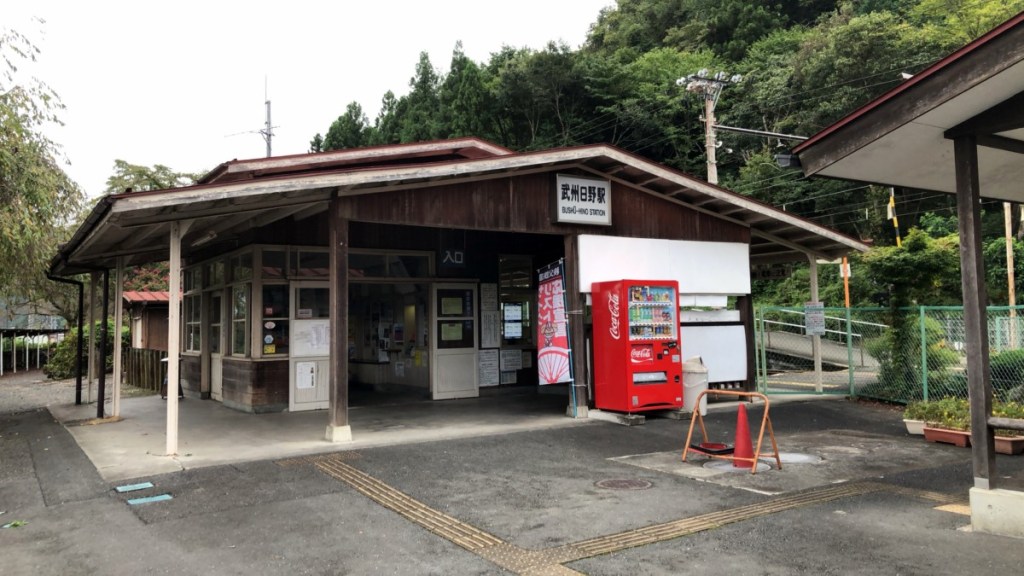
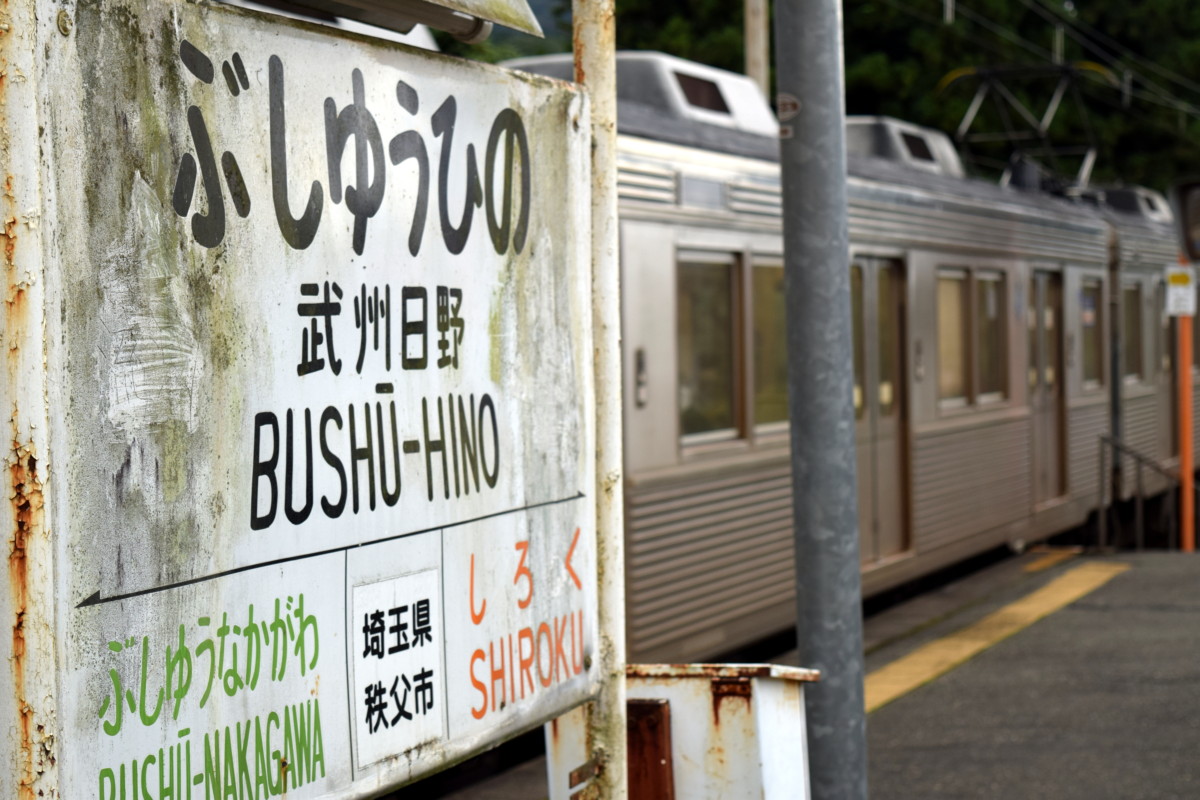
Name in kanji : 武州日野
Kanji meaning: sun field
Station opened : 15th March 1930
Trainlines: Chichibu Main Line
# Passengers daily : 400
Distance from CityHillsAndSea HQ: 144km
Located in: Arakawa, Chichibu, Saitama Prefecture
Things to Do
The Greatest Sazare Ishi in all Japan
All About Bushu Hino Station
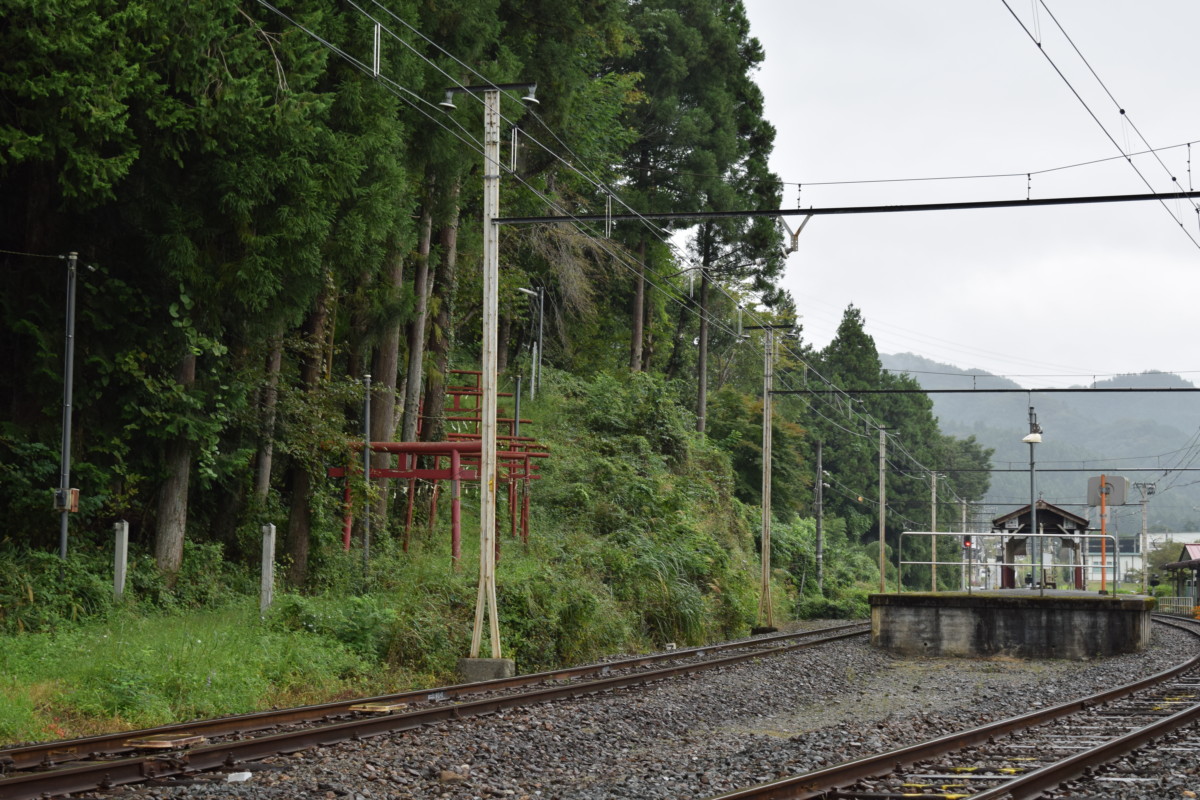
Just across the tracks from Bushu-Hino station lies Katakuri Park. It’s a short nature trail that winds through the edge of the forest, and is filled to the brim with dogtooth violets. These beautiful flowers open in the morning and close in the evening. Unfortunately, they do all this in the spring time, and this little trip to Bushu Hino occurred much too late in the year for any blooming fun.
But up in the hills behind Katakuri park, you can find a number of slightly interesting things, none of which are dependent on the season.
The first is easy to spot: a mountain known as 弟富士山, which is probably best translated as Fuji Mountain’s Little Brother, but I could be wrong about that.
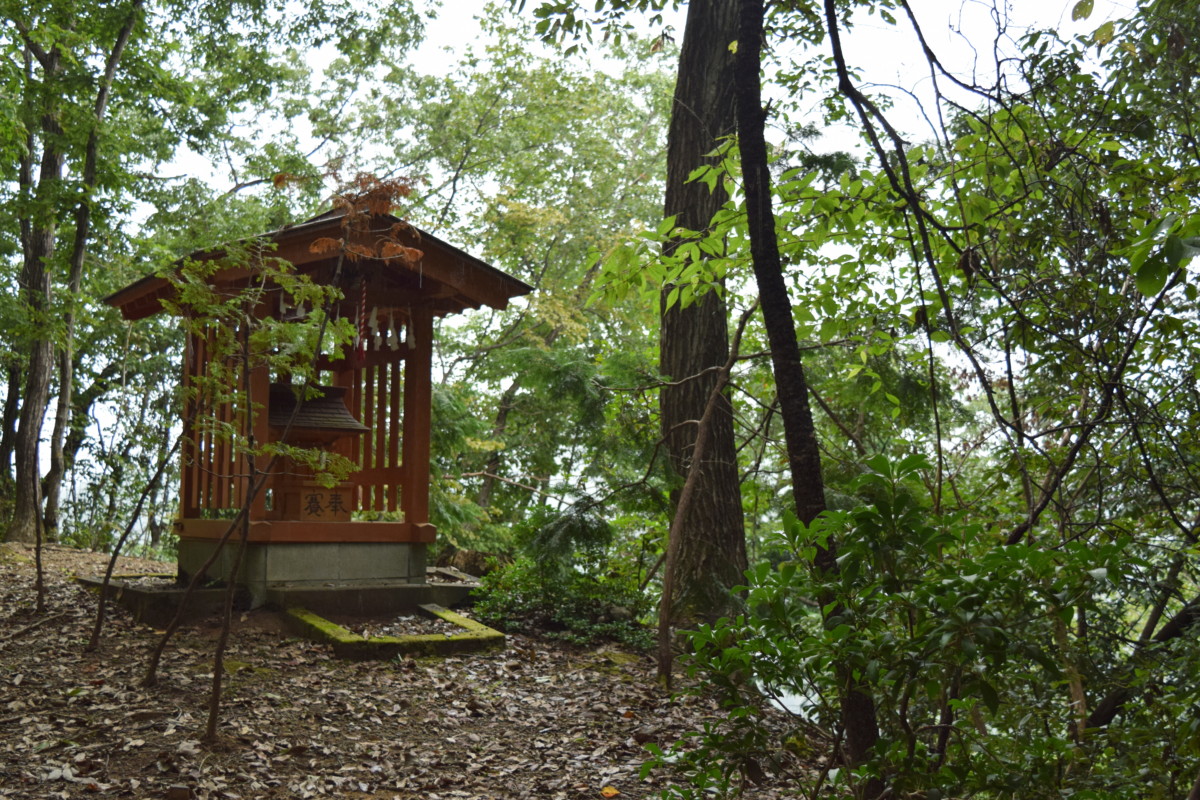
弟富士山 / Fuji’s Little Brother is very little in mountain terms. It stands at only 386 metres and the summit is an easy twenty minute walk from the station. There are a number of little shrines scattered about the top of the mountain although none of them are particularly unusual or exciting.

If you follow the trail down to the east (away from the station) you end up at a Sengen shrine: you may know these as the shrines which venerate Mount Fuji, so I suppose there’s a little bit of a rationale for the name of the mountain here.
If you take your time and explore the peak a bit longer, you’ll find yourself confronted with Japan’s ‘greatest sazare-ishi’, which looks like this :
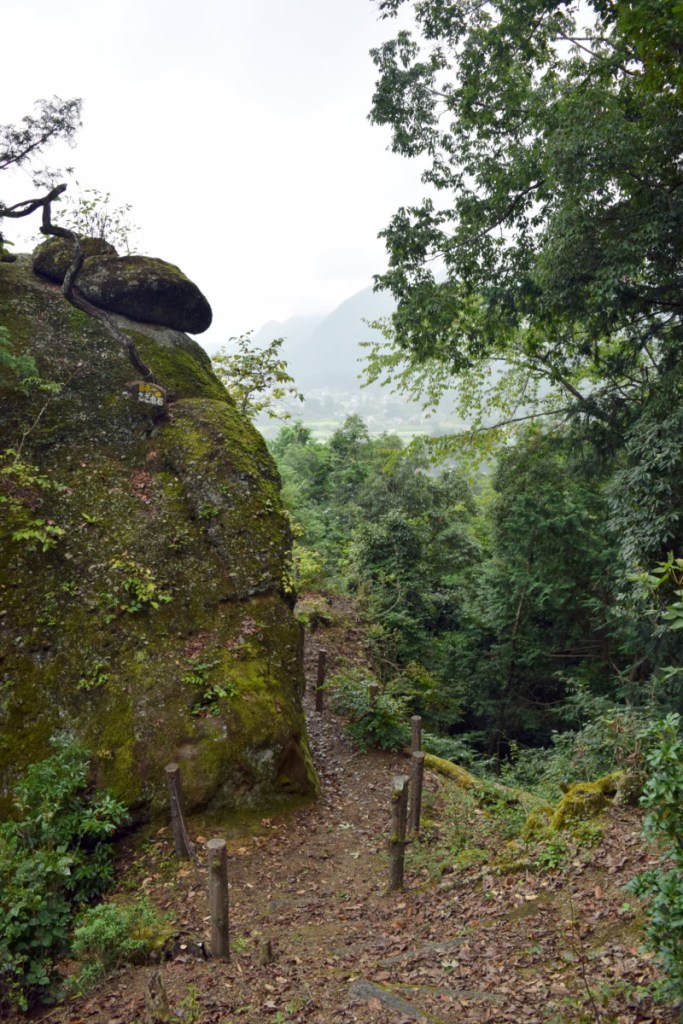
Sazare-ishi are rocks which began life as a bunch of small stones. Over the centuries they bonded together with sand and clay, growing into big chunky boulders.
Sazare-ishi are mentioned in Japan’s national anthem as an example of something that takes a long time, which, all being well, is the appropriate amount of time for an Emperor’s reign to last.
There are many more examples of sazare ishi around Japan that are much more famous than this one, and I suspect some of those are possibly even greater.
Station Rating
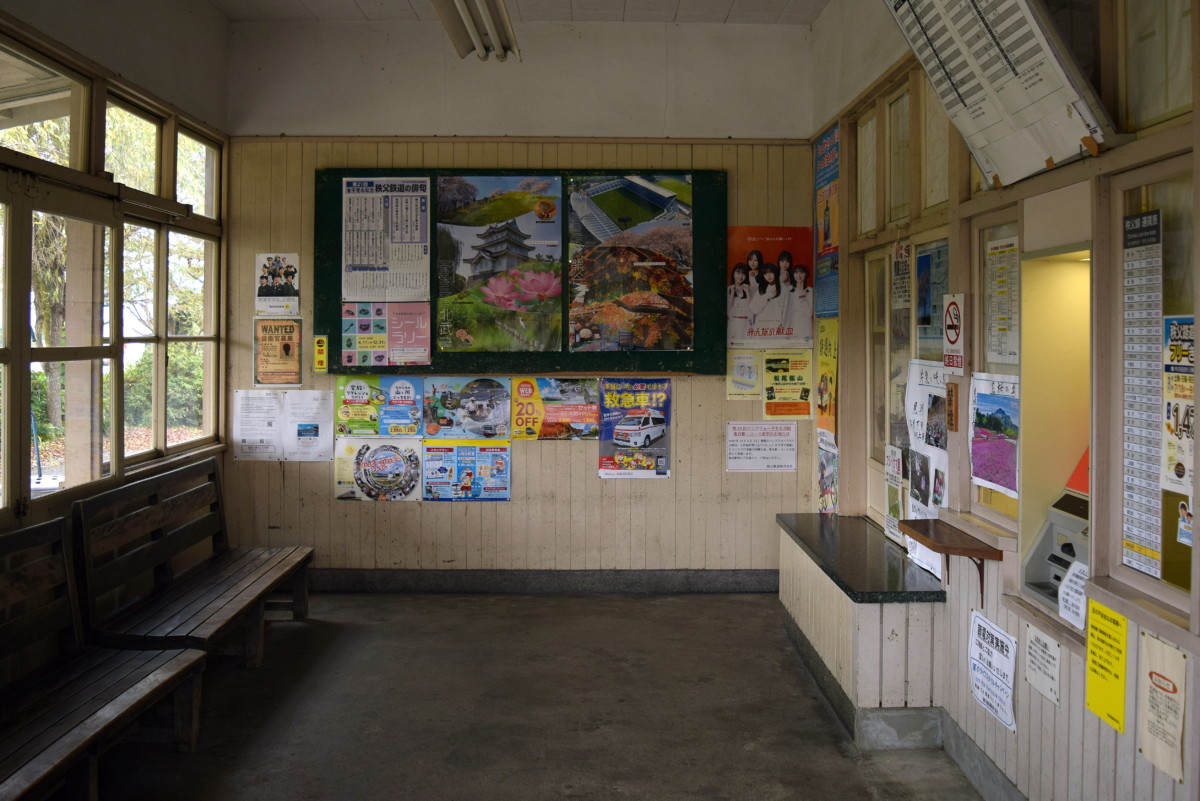
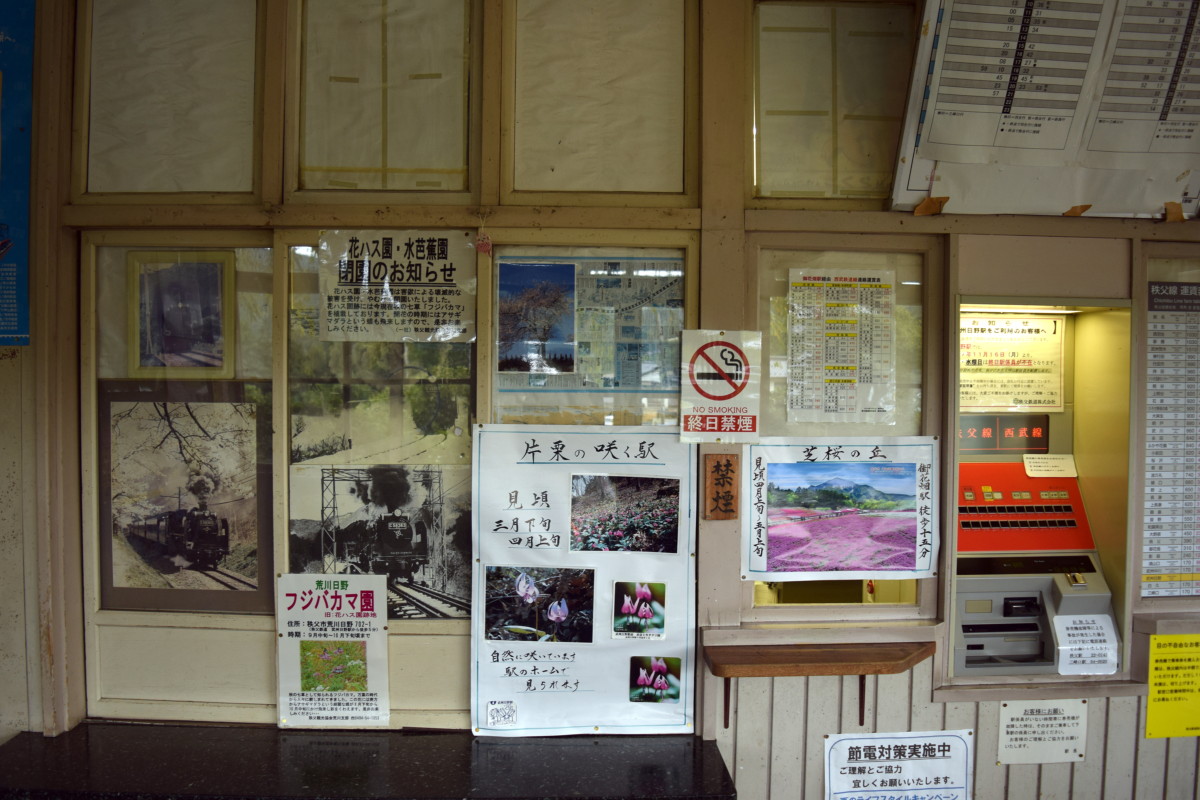
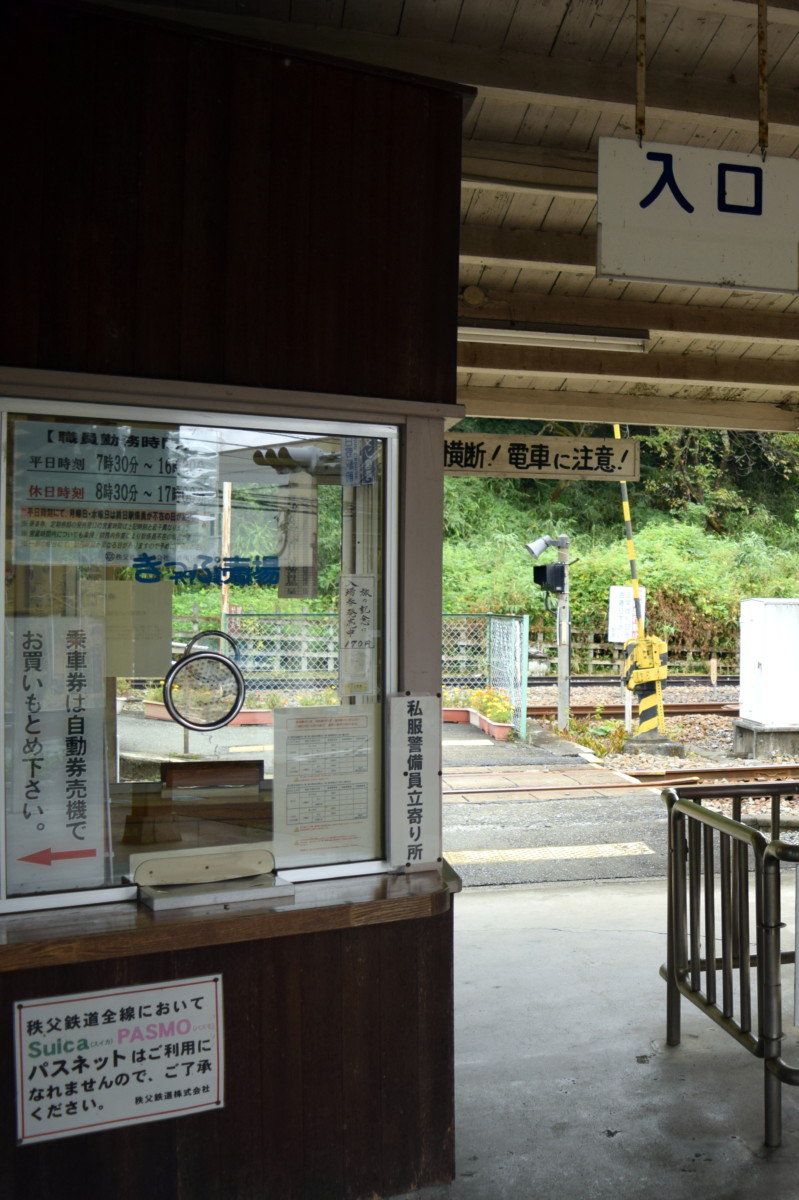
Not terribly exciting, but solidly interesting in terms of quirkiness. The station has a really groovy retro vibe too. I wouldn’t recommend making a special trip here unless you live in the area, but it’s still a fun enough destination, should you be in the area and at a loose end.
Bushu Hino Station Gallery

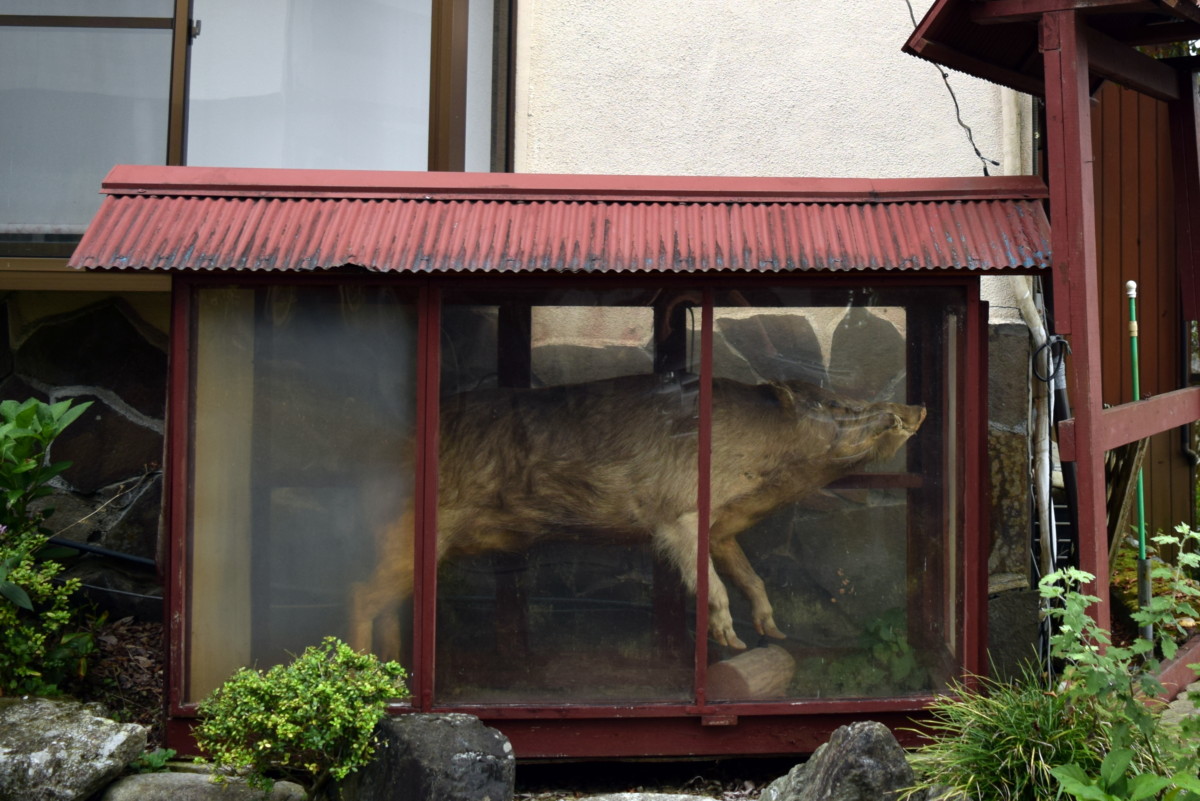
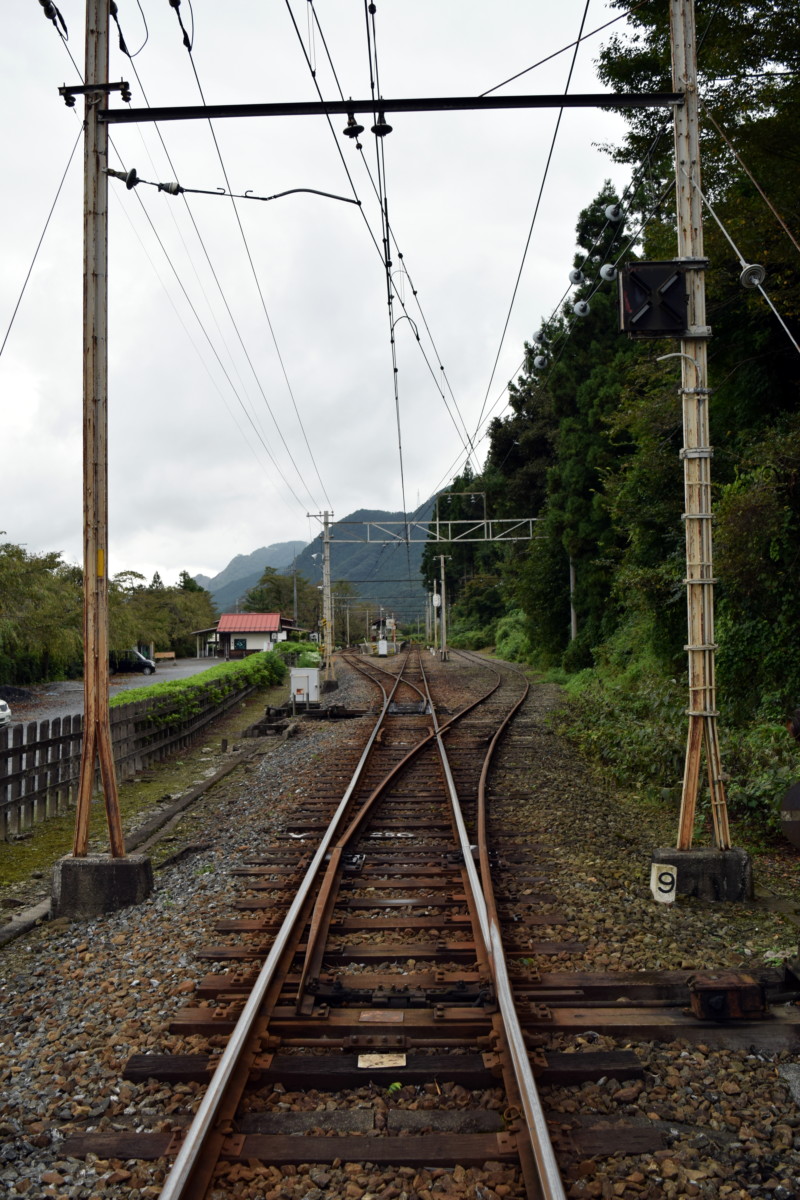




 CityHillsAndSea
Leave a reply to Bushu-Nakagawa (RotW) – City Hills & Sea Cancel reply