RotW is my Railways of the Warrior project. Visiting all the Japanese train stations with Fuji in the name & the 12 castles with the original keep still standing wasn’t enough to satisfy my love of lists, so now I’m working through all the stations with Musashi in their name.
Click this link for more info.
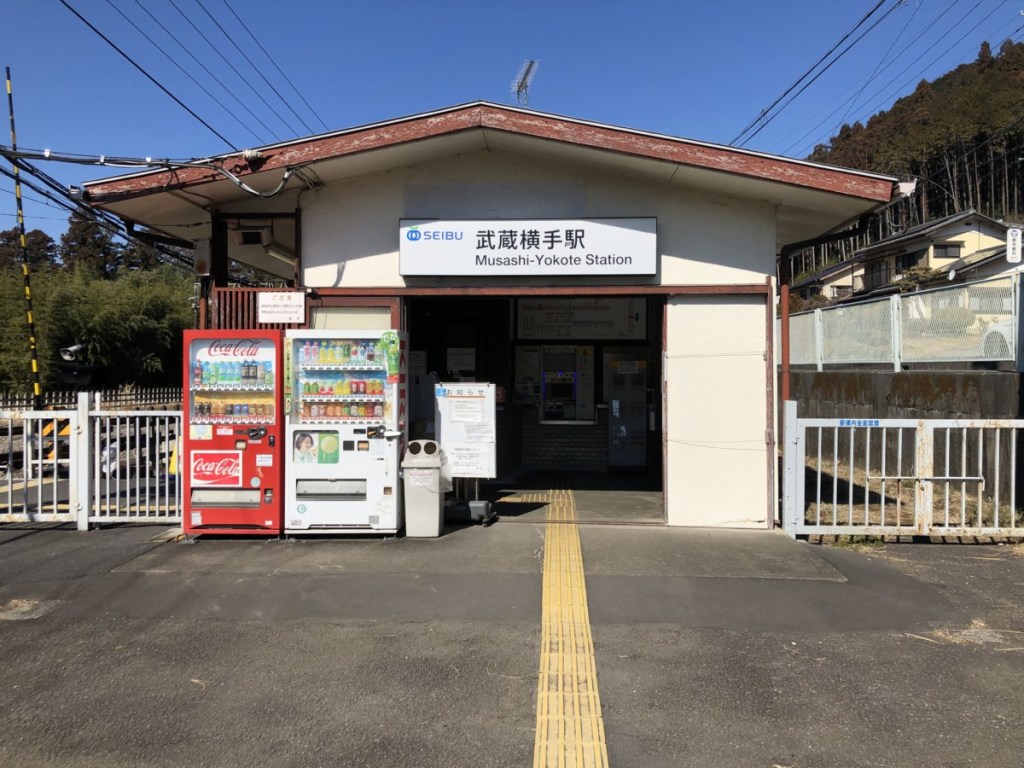
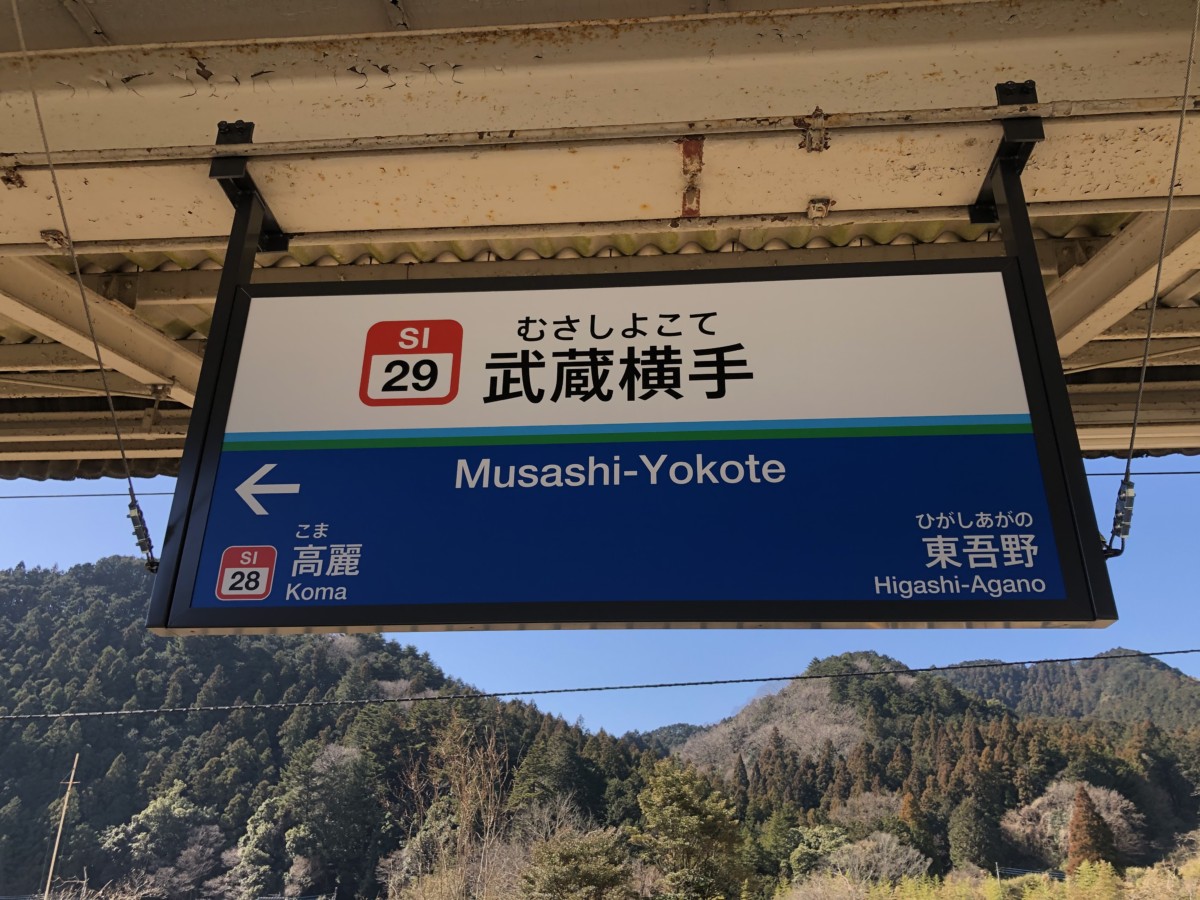
Name in kanji : 武蔵横手
Kanji meaning: side / beside; part of a sword blade
Station opened : 10th September, 1929
Trainlines: Seibu Ikebukuro
# Passengers daily : 314
Distance from CityHillsAndSea HQ: 110.2km
Located in: Hidaka, Saitama
Things to Do
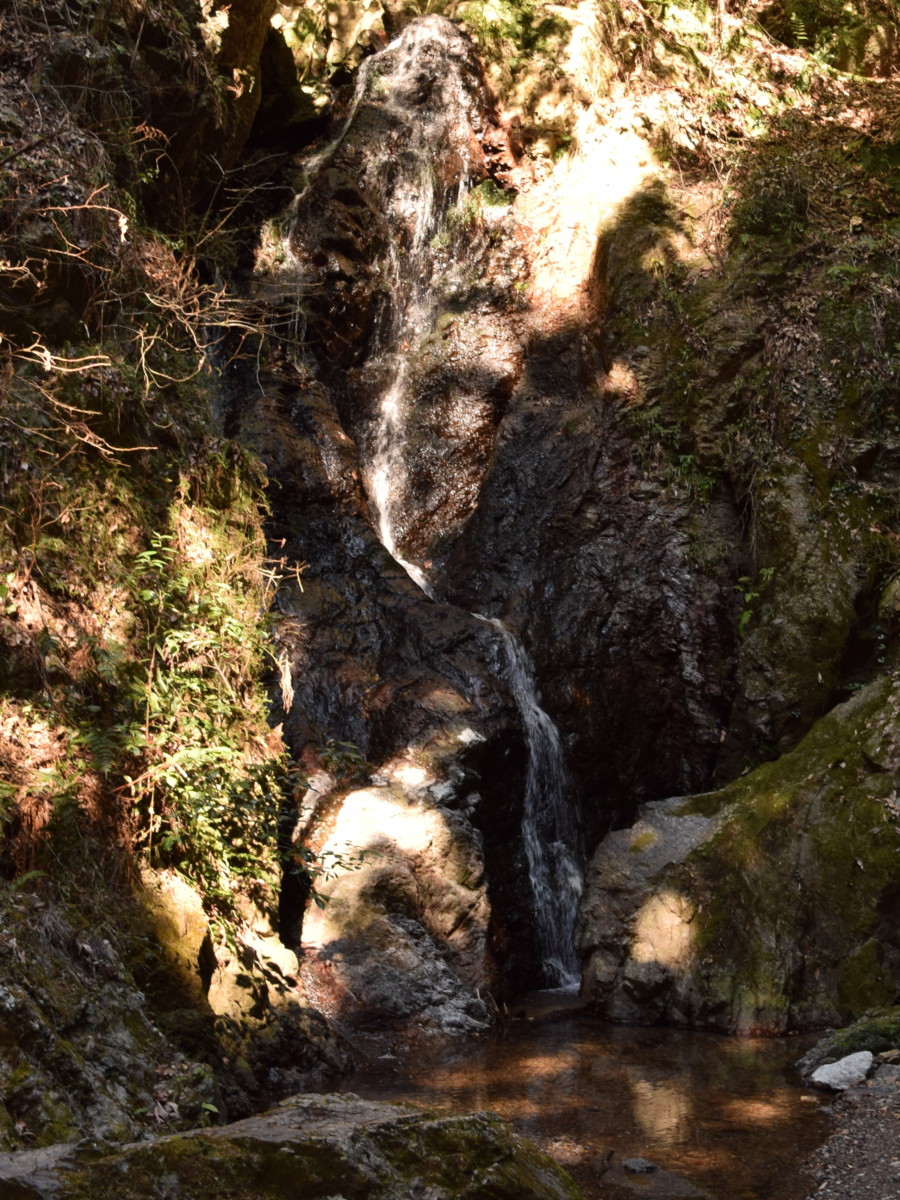
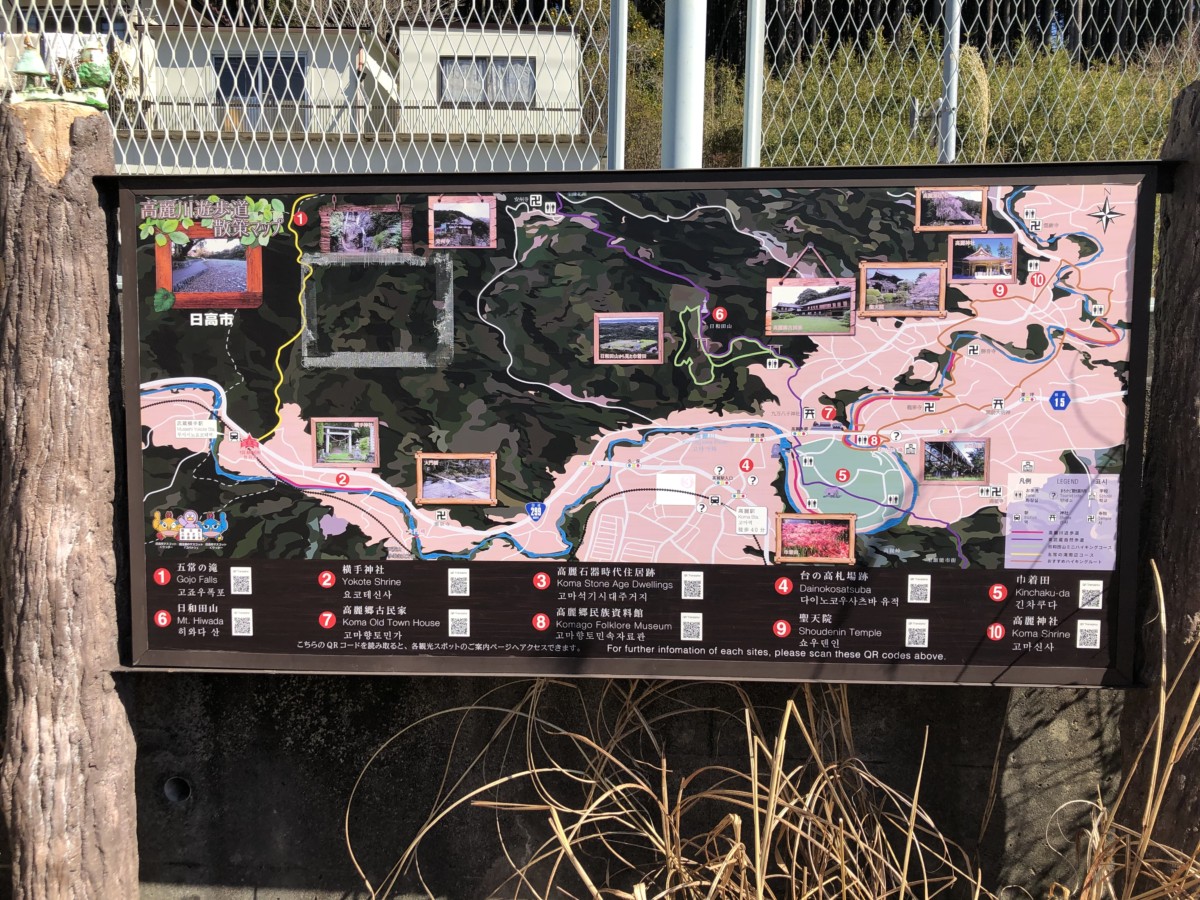
There’s a hiking trail not far from the station that leads up into the surrounding hills. Just a couple of kilometres up there, you can find the Gojo falls, which are… well, waterfalls. Pleasant enough but not jaw droppingly staggeringly “let’s write a sonnet about this” levels of natural beauty.
You can keep going the direction you were going along this trail and it’ll take you up to the Mount Monomi – Mount Takasasu – Mount Hiwada trail, and then from the end of that, it’s a short walk to Koma station, where you can return the way you came in.
There are some gorgeous views of the surrounding countryside and Mount Fuji if you’re lucky enough with the weather.
All About Musashi-Yokote Station
Musashi-Yokote is on the Seibu-Ikebukuro line, but not all of the trains go straight from Tokyo up this way. You’ll like as not have to change in Hanno and there might be a bit of a wait between trains. Hanno’s not a hub of excitement but it’s pleasant enough and there are shops, cafes and even some Moomins to keep you entertained:

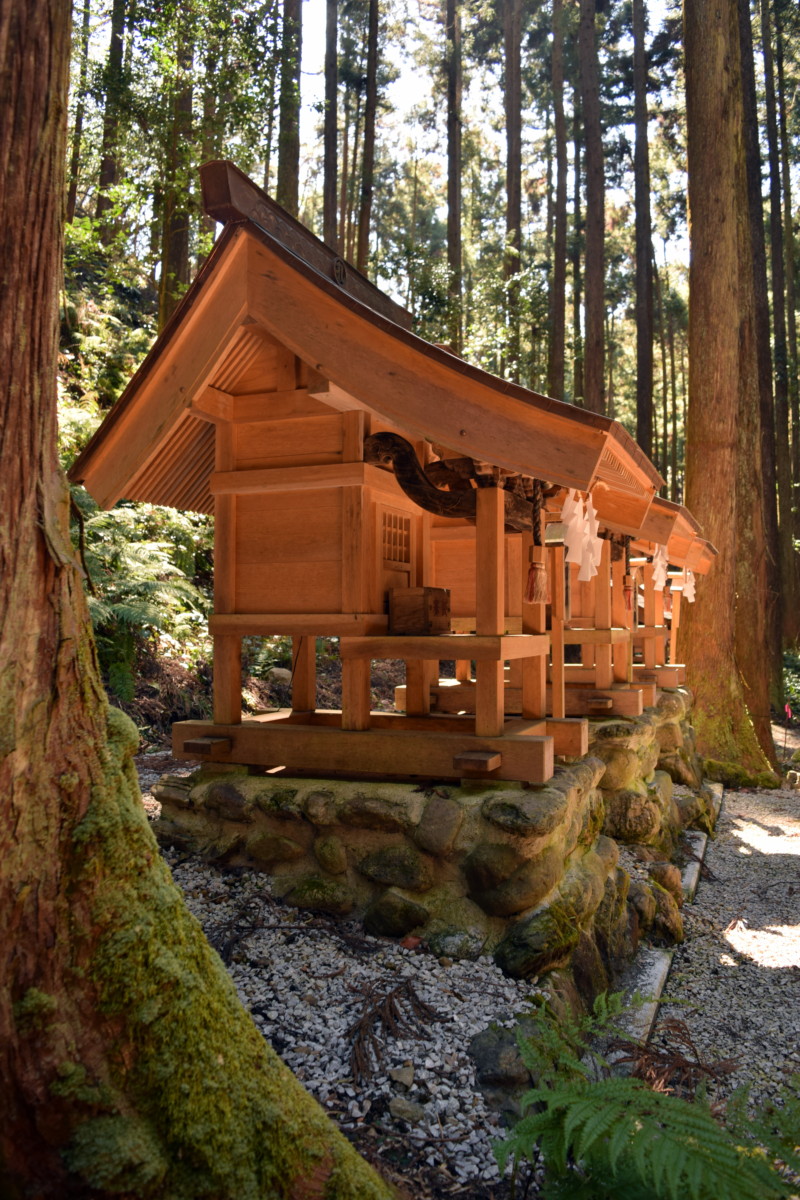
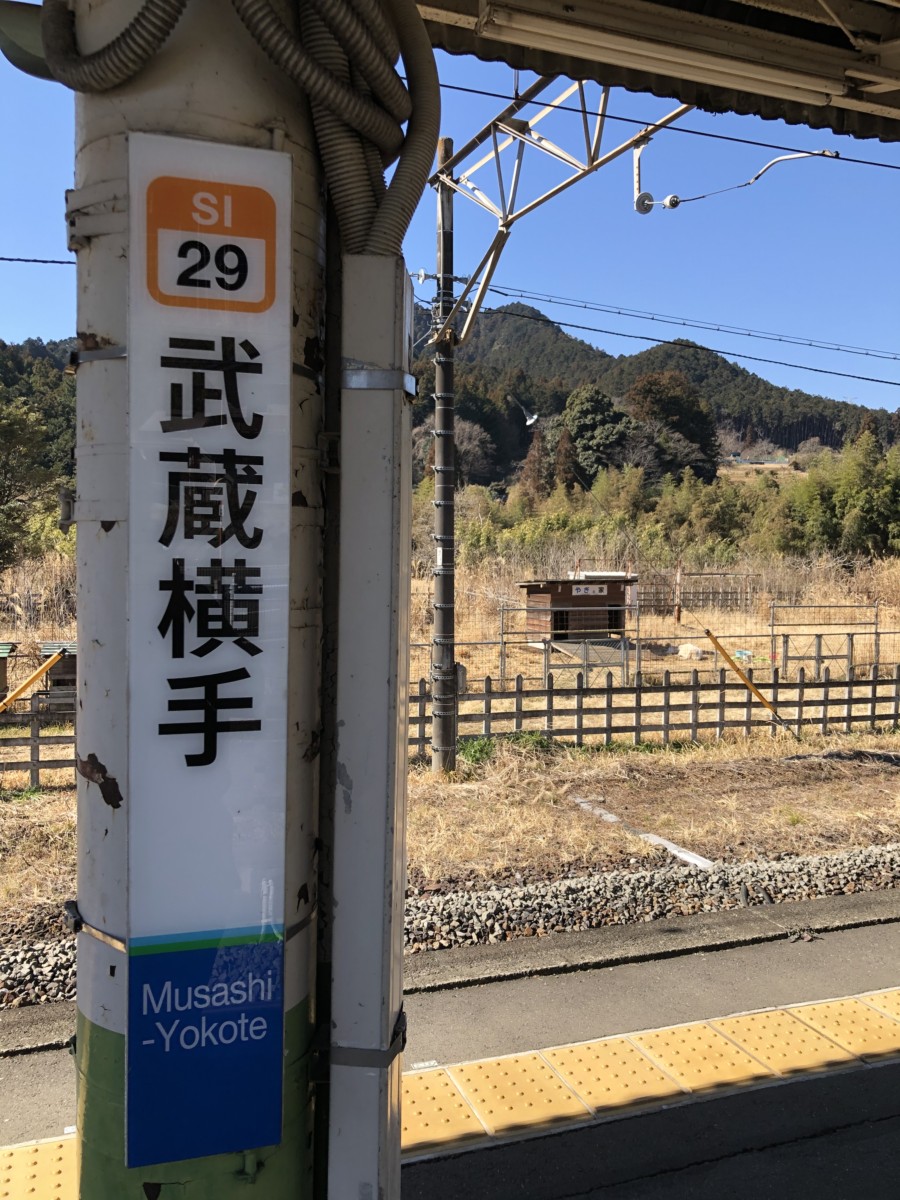
Musashi-Yokote is pretty non-descript: there are some goats right next to the tracks when you get off the train, a tiny station building (which you can see at the top of this post) and an information board.
If you walk back in the opposite direction from where your train was headed just a few minutes, you’ll see the turn off on the left hand side of the road for Gojo Falls. If you can’t read Japanese, here’s a photo :
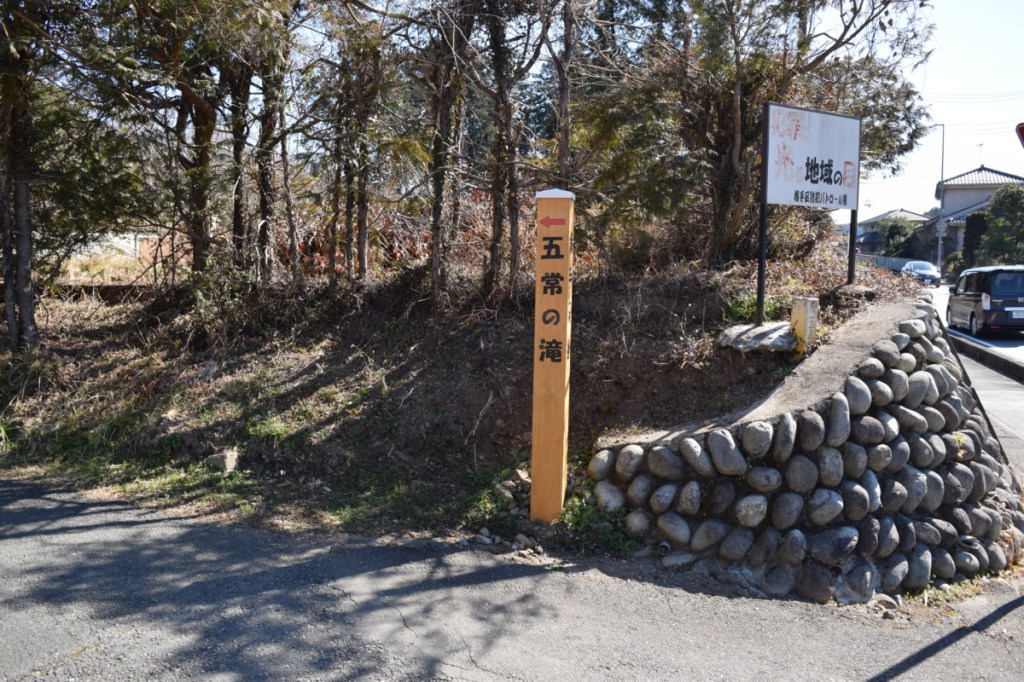
(But you should definitely learn the kanji for ‘waterfalls’ at the very least, if you’re going hiking in Japan. You wouldn’t want to miss a surprise taki treat.)
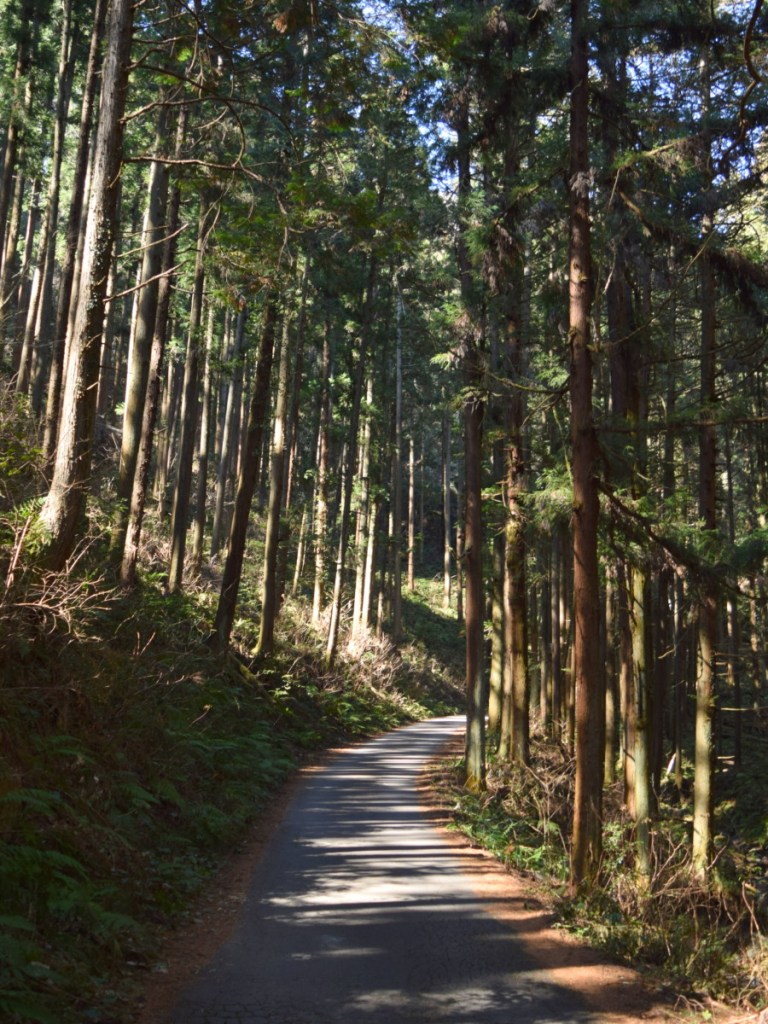
This road winds up through thick forest for a couple of kilometres to the waterfalls. On a day like this was, there were some beautiful moments of dappled sunshine and nothing but birdsong to break the silence.
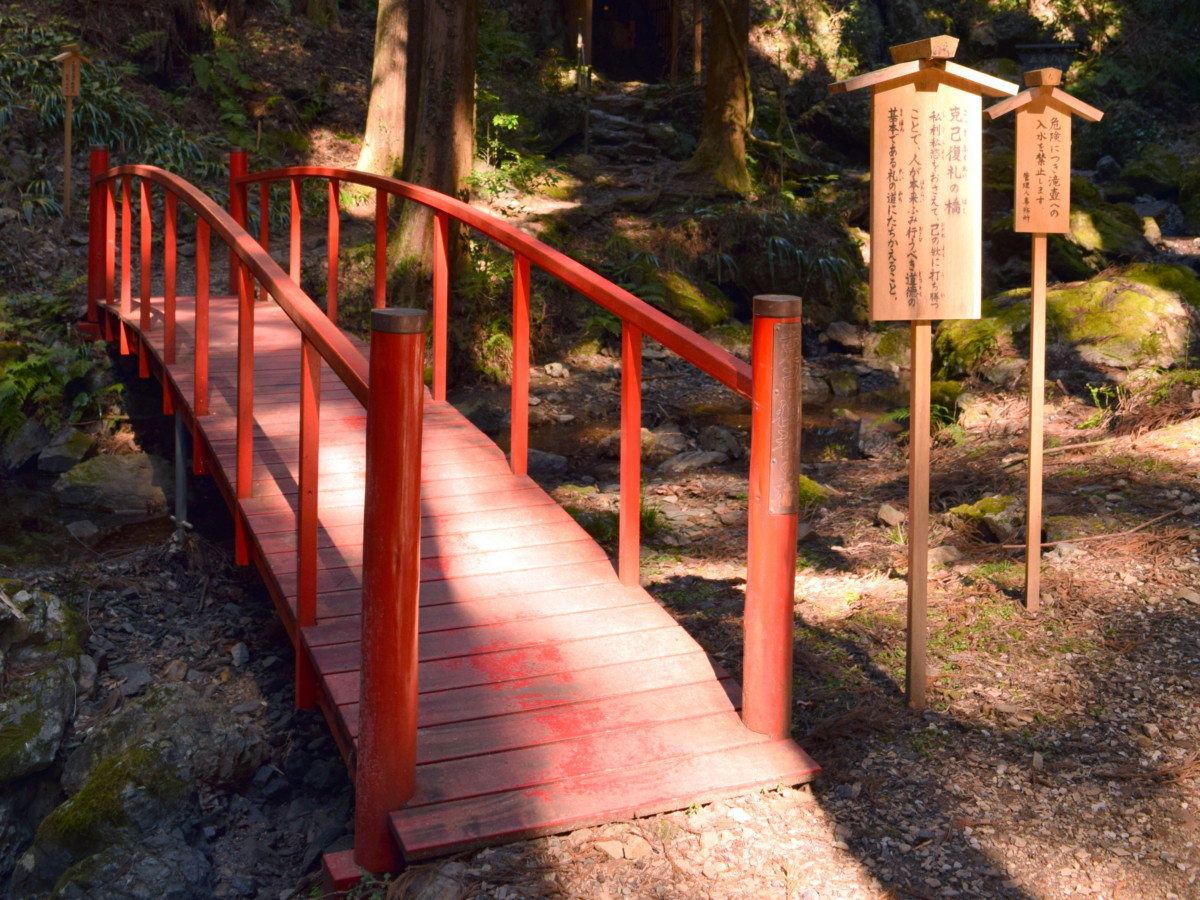
As previously mentioned, the falls themselves aren’t particularly spectacular. They’re a pleasant little diversion though, and a good place to take a quick break before you keep pushing uphill towards the aforementioned trail that’ll take you past the three peaks of Monomi, Takasasu and Hiwada. They’re not very high and the paths are rarely very steep, but it is a good two to three hours of solid hiking before you’ll get to the start of the trail near Koma station.
It’s a lovely walk on a sunny day, although it will probably get a little crowded towards the start of the trail at the bottom of Hiwada – it’s quite a short hike up here and popular with families, or so it seemed when I was there.
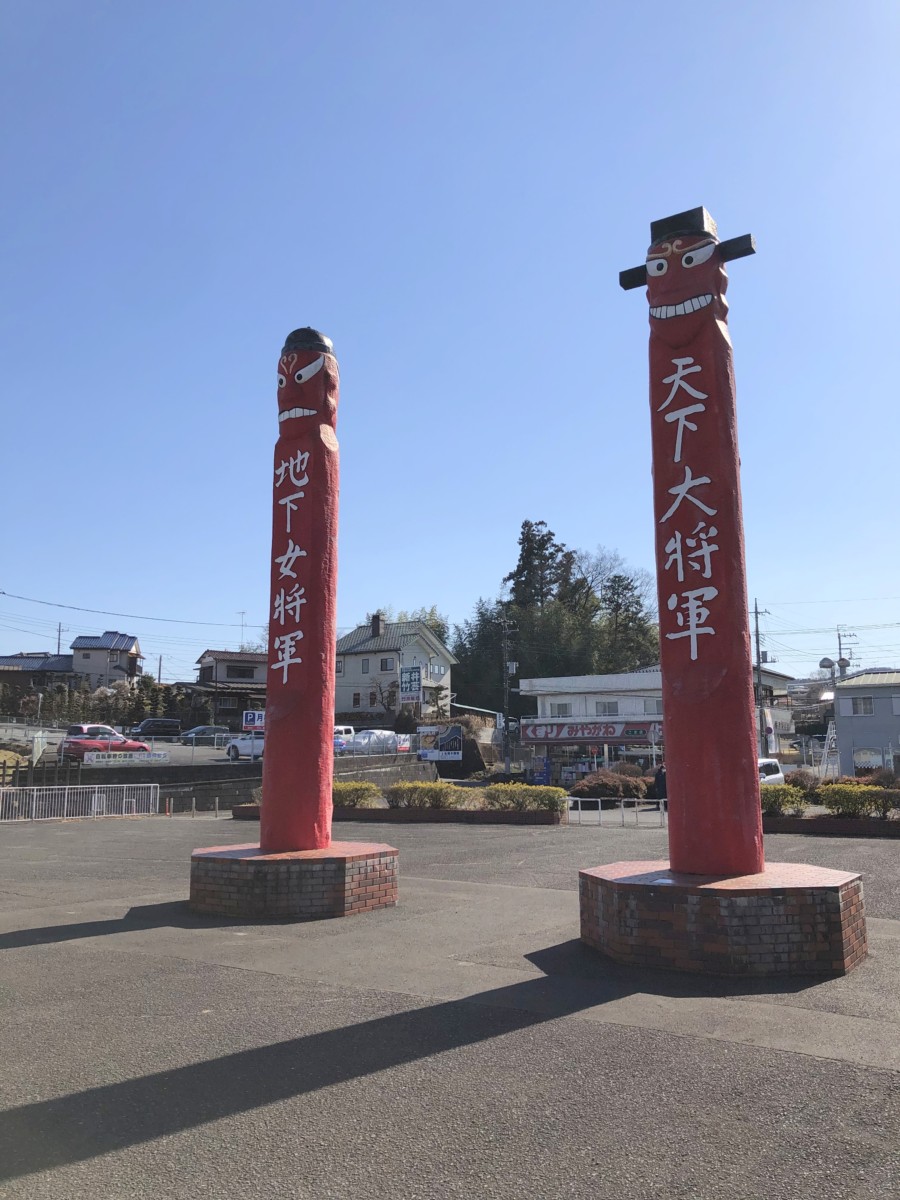
From the park, it’s another ten or fifteen minutes to take you down to Koma station where you can see what appear to be giant Korean totem poles. Turns out that they are indeed jang seung – traditional Korean sculptures which protect the village from evil.
Why are they out here in the sticks of Saitama? I hear you ask.
It turns out that in the 7th century, a Korean prince by the name of Go Yak’gwang had a bit of a falling out with one of his brothers and fled to Japan.
Go Yak’gwang (高若光) … became known as “Genbu Jakkō” (玄武若光) and later as “Koma no Jakkō” (高麗若光).
wikipedia
Wowzers. What a name change! But how did they end up here?
In 716 A.D., Jakkō was instructed to gather the 1,799 Goguryeo refugees, who initially came with him, from all over Japan and settle them in the wilderness of the Musashino Plain with a commanding view of the mountains (now known as Hidaka). Jakkō was to be their tribal chief and representative. When Jakkō died, the Koma Shrine was built to remember him.
So there you have it. Nothing to do with using your illusion.
Station Rating
This was a little bit of a trip to get to, but it was well worth it. I could see myself coming back here quite happily to better explore at a future date. Especially with the whole nominative determinism thing going on just down the road.
Musashi-Yokote Station Gallery



 CityHillsAndSea
Leave a reply to Bushu-Nagase Station (RotW) – City Hills & Sea Cancel reply